Nepeta Faassenii ‘Purrsian Blue’ (Catmint)
Nepeta faassenii ‘Purrsian Blue’, commonly known as Catmint ‘Purrsian Blue’, is a flowering perennial that belongs to the Lamiaceae family. This plant is.
Introduction
Nepeta faassenii ‘Purrsian Blue’, commonly known as Catmint ‘Purrsian Blue’, is a flowering perennial that belongs to the Lamiaceae family. This plant is cherished for its delicate blue-violet flowers and aromatic foliage, making it a popular choice for both gardeners and landscape designers. In this comprehensive guide, we will delve into the various aspects of Nepeta faassenii ‘Purrsian Blue’, from its description and characteristics to its care and maintenance, providing valuable insights for novice and seasoned gardeners alike.
What is Nepeta faassenii ‘Purrsian Blue’?
Nepeta faassenii ‘Purrsian Blue’ is a compact, mounding perennial that typically grows to a height of 12-18 inches, with a similar spread. It is a cultivar of Nepeta faassenii, commonly referred to as Catmint. The plant is native to the Caucasus region and western Asia and is widely cultivated for its ornamental value.
Nepeta faassenii ‘Purrsian Blue’ Description
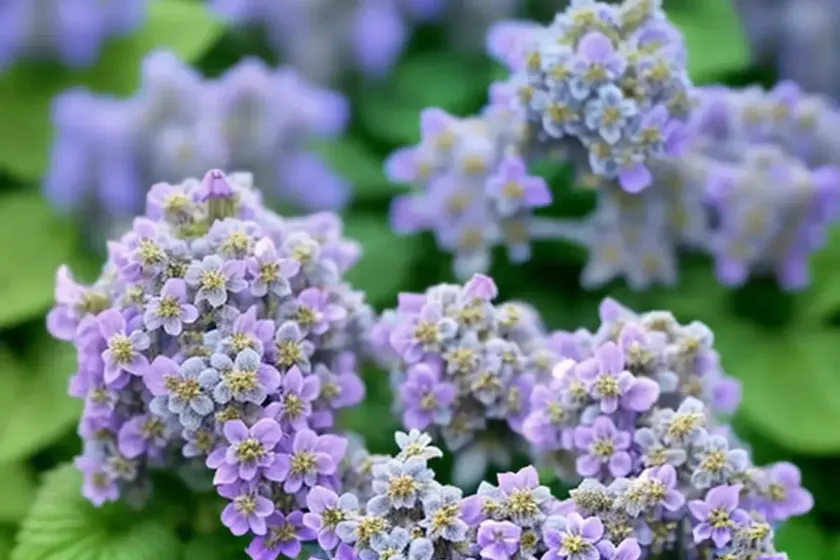
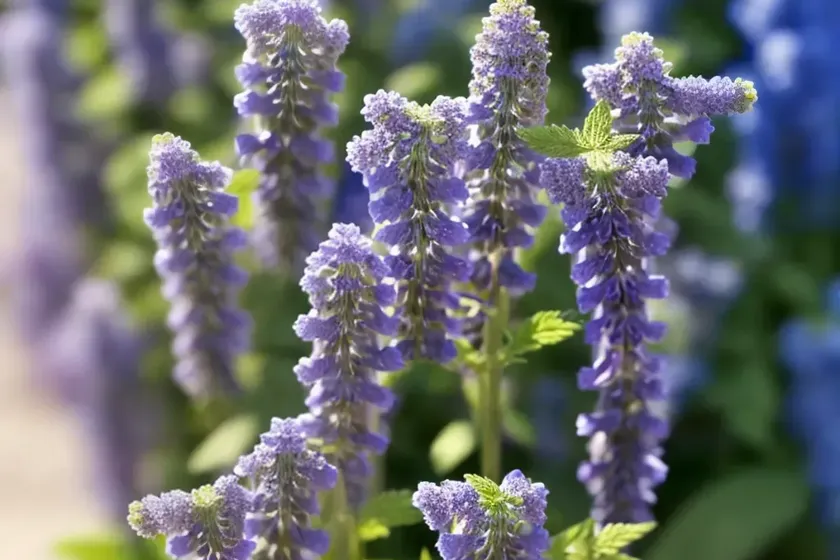
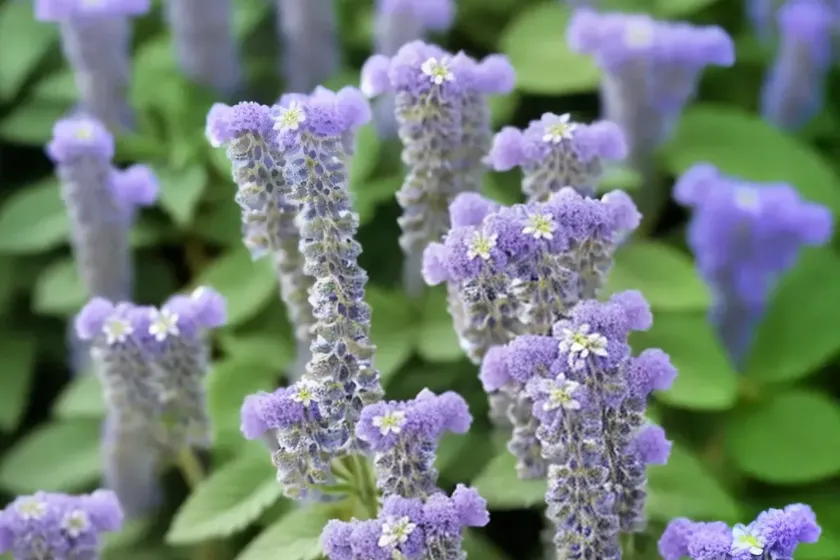
Nepeta faassenii ‘Purrsian Blue’ is characterized by its dense, aromatic foliage and spikes of small, trumpet-shaped, lavender-blue flowers. The leaves are grey-green and emit a pleasant minty fragrance when crushed or brushed against.
Characteristics of Catmint ‘Purrsian Blue’
- Foliage: The plant has attractive, lance-shaped, aromatic leaves that provide a striking contrast to the delicate flowers.
- Flowers: The lavender-blue flowers are borne on tall stems and have a long blooming period, extending from late spring through summer. These flowers are a magnet for pollinators, particularly bees and butterflies.
Key Takeaways – Nepeta faassenii ‘Purrsian Blue’ (Catmint)
Before delving into the specifics of its cultivation and care, let’s outline the key takeaways of Nepeta faassenii ‘Purrsian Blue’:
– Nepeta faassenii ‘Purrsian Blue’ is a compact, aromatic perennial with grey-green foliage and lavender-blue flowers.
– It is a low-maintenance plant that is highly attractive to pollinators.
– Effective drainage and ample sunlight are vital for the plant’s health and longevity.
– Catmint ‘Purrsian Blue’ is an excellent choice for borders, rock gardens, and container plantings.
Culture
Uses
Nepeta faassenii ‘Purrsian Blue’ has a multitude of uses, making it a versatile addition to any garden or landscape. Some of its primary uses include:
– Ornamental Value: The plant’s delicate flowers and aromatic foliage make it well-suited for ornamental planting, either in mass plantings or as a focal point in flower beds and borders.
– Attracting Pollinators: Catmint ‘Purrsian Blue’ is highly attractive to bees, butterflies, and other pollinators, making it an ideal addition to a wildlife-friendly garden.
– Aromatic Display: The plant’s fragrant leaves emit a minty aroma, enhancing sensory experiences in the garden and making it an excellent choice for sensory or herb gardens.
Water
Proper watering is crucial for the health and vigor of Nepeta faassenii ‘Purrsian Blue’. While the plant is relatively drought-tolerant, it thrives when provided with consistent moisture, especially during the active growing season. However, it is essential to ensure that the soil has good drainage to avoid waterlogged conditions, which can be detrimental to the plant’s root system.
Water Requirements
- Established Plants: Once established, Nepeta faassenii ‘Purrsian Blue’ generally thrives on average water and can tolerate periods of drought.
- Newly Planted: Newly planted specimens may require more frequent watering, especially during hot and dry periods, to aid in the establishment of their root systems.
Sunlight
Proper sunlight is key to the overall health and flowering performance of Catmint ‘Purrsian Blue’. As a rule of thumb, the plant thrives in full sun to partial shade, with a preference for at least 6-8 hours of direct sunlight per day. Adequate sunlight promotes robust growth, enhances flowering, and intensifies the aroma of the foliage.
Full Sun Exposure
- Flowering: Nepeta faassenii ‘Purrsian Blue’ exhibits optimal flowering when grown in full sun, resulting in an impressive display of lavender-blue blooms.
- Aroma: Sunlight intensifies the fragrance of the foliage, enhancing the sensory appeal of the plant.
Partial Shade
- In warmer climates, providing afternoon shade can help protect the plant from the intense midday sun, preventing heat stress and potential sunburn on the foliage.
Fertilizer
Appropriate fertilization supports the growth and bloom production of Nepeta faassenii ‘Purrsian Blue’. While the plant is relatively low-maintenance, a balanced feeding regimen can enhance its overall vigor and aesthetic appeal. Here are some essential considerations for fertilizing Catmint ‘Purrsian Blue’:
Fertilization Guidelines
- Timing: Apply a balanced, all-purpose fertilizer in early spring as new growth emerges to provide essential nutrients for the upcoming growing season.
- Frequency: For established plants, a bi-monthly application of a water-soluble fertilizer during the growing season can maintain the plant’s vitality and flowering performance.
- Dilution: When using granular or powdered fertilizers, follow the manufacturer’s recommendations for dilution and application rates to prevent the risk of over-fertilization.
- Avoid Excess: It is crucial to avoid excessive fertilization, as this can lead to lush, weak growth and diminished flowering.
Soil
The choice of soil and its characteristics greatly influence the growth, health, and longevity of Nepeta faassenii ‘Purrsian Blue’. The plant thrives in well-draining soils with moderate fertility, making it adaptable to a wide range of soil types. Here are the key aspects to consider when selecting and managing the soil for Catmint ‘Purrsian Blue’:
Best Soil Practices
- Drainage: Effective drainage is paramount for the plant’s overall health, as it prevents waterlogged conditions that are detrimental to the roots. Amending heavy or poorly draining soils with organic matter can significantly improve their drainage capacity.
- pH Level: Catmint ‘Purrsian Blue’ prefers slightly alkaline to neutral soil with a pH range of 6.7-7.3. Conducting a soil test can provide valuable insights into the existing pH levels and aid in making informed decisions regarding soil amendments.
- Soil Texture: Loamy, well-aerated soils with good water retention capabilities are ideal for Nepeta faassenii ‘Purrsian Blue’. These soils offer a balanced environment for root development and overall plant vitality.
Pruning
Effective pruning and maintenance practices are essential for promoting the health, appearance, and longevity of Nepeta faassenii ‘Purrsian Blue’. Proper pruning helps manage the plant’s growth, rejuvenate its appearance, and encourage repeat flowering. Here are some key guidelines for pruning Catmint ‘Purrsian Blue’:
Pruning Techniques
- Deadheading: Regular deadheading of spent flowers promotes continuous blooming and prevents self-seeding, thereby maintaining the plant’s aesthetic appeal and vitality.
- Shearing: Light shearing or trimming after the initial bloom period can encourage compact growth and stimulate the emergence of fresh foliage.
- Renewal Pruning: As the plant ages, performing rejuvenation or renewal pruning in early spring can revitalize the plant and promote vigorous growth in the new season.
Propagation
Propagation of Nepeta faassenii ‘Purrsian Blue’ can be achieved through various methods, allowing gardeners to expand their plantings and share the beauty of Catmint ‘Purrsian Blue’ with others. While the plant is relatively easy to propagate, specific approaches, such as division and stem cuttings, yield excellent results. Here’s an overview of effective propagation techniques for Catmint ‘Purrsian Blue’:
Propagation Methods
- Division: Dividing mature clumps of Catmint ‘Purrsian Blue’ in early spring or early fall is an effective way to propagate the plant. This method encourages the regeneration of vigorous, new growth and can be performed every few years to maintain plant health and vigor.
- Stem Cuttings: Taking semi-ripe stem cuttings in late spring or early summer offers a reliable means of producing new plants. Selecting healthy, non-flowering stems and providing appropriate growing conditions can lead to successful root development and the establishment of new specimens.
Container Popularity
Nepeta faassenii ‘Purrsian Blue’ is well-suited for container cultivation, offering gardeners the opportunity to enjoy its beauty and fragrance in a versatile and portable setting. Container plantings of Catmint ‘Purrsian Blue’ can adorn patios, balconies, and outdoor living spaces, adding a touch of elegance and sensory appeal to the surroundings.
Advantages of Container Planting
- Portability: Container-grown Catmint ‘Purrsian Blue’ can be easily moved and repositioned, allowing for flexible garden arrangements and aesthetic enhancements.
- Space Utilization: Containers enable gardeners to grow Nepeta faassenii ‘Purrsian Blue’ in areas with limited space, such as urban balconies, small patios, and courtyards, without compromising the plant’s aesthetic impact.
- Pest Control: Elevated container plantings can help protect Catmint ‘Purrsian Blue’ from certain ground-dwelling pests and diseases, contributing to the plant’s overall health and vigor.
Common Diseases
Nepeta faassenii ‘Purrsian Blue’ is generally resilient to most diseases, especially when grown in well-draining soil and provided with proper cultural care. However, it is essential for gardeners to be vigilant and promptly address any signs of disease to prevent its spread and mitigate potential damage to the plant. Here are some common diseases that may affect Catmint ‘Purrsian Blue’ and strategies for disease management:
Disease Resistance
- Powdery Mildew: While Nepeta faassenii ‘Purrsian Blue’ is generally resistant to powdery mildew, ensuring proper air circulation and avoiding excess foliage moisture can further reduce the risk of infection.
- Root Rot: Proper soil drainage and avoiding overwatering are crucial for preventing root rot, a potentially fatal disease that affects the plant’s root system. Addressing water-related issues promptly can help mitigate this risk.
Disease Diagnosis
Diagnosing plant diseases can be challenging, especially for novice gardeners. However, being vigilant and attentive to changes in the plant’s appearance and behavior can aid in early disease detection and timely intervention. Here are some visual cues and symptoms that may indicate potential diseases affecting Nepeta faassenii ‘Purrsian Blue’:
Visual Symptoms
- Foliage Discoloration: Changes in leaf color, such as yellowing, browning, or mottling, may signify nutrient deficiencies, pest infestations, or disease infections.
- Wilting: Sudden wilting or drooping of the foliage, particularly when soil moisture is adequate, may indicate root diseases or vascular problems.
- Powdery Coating: The presence of a white, powdery coating on the leaf surfaces could indicate powdery mildew, a common fungal disease that affects many plant species, although Catmint ‘Purrsian Blue’ is relatively resistant to this issue.
Common Pests
While Nepeta faassenii ‘Purrsian Blue’ is generally resistant to most pests, it can occasionally face infestations from certain insects. Being attentive to the signs of pest activity is essential for prompt intervention and the preservation of the plant’s health. Here are some common pests that may affect Catmint ‘Purrsian Blue’ and strategies for pest management:
Pest Management
- Aphids: These small, sap-sucking insects may cluster on the tender stems and new growth of Catmint ‘Purrsian Blue’. Insecticidal soaps or horticultural oils can effectively control aphid populations while minimizing harm to beneficial insects.
- Spider Mites: Spider mites may cause stippling or webbing on the foliage, particularly in hot, dry conditions. Regularly spraying the plant with water and maintaining adequate humidity levels can deter spider mite infestations.
Botanist’s Tips
As a botanist specializing in herbaceous perennials, I have cultivated and studied Nepeta faassenii ‘Purrsian Blue’ extensively, and I offer the following tips for cultivating and caring for this exceptional plant:
Expert Insights
- Sunlight Optimization: Placing Catmint ‘Purrsian Blue’ in a location that receives ample sunlight not only enhances its flowering but also intensifies the fragrance of its aromatic foliage.
- Moderate Fertilization: While the plant benefits from balanced feeding, it is crucial to apply fertilizers judiciously and avoid excessive nitrogen, which can lead to undesirable lush growth at the expense of flowering.
- Pruning Timing: Conducting rejuvenation pruning in early spring enables the plant to develop strong, new growth, resulting in a vigorous and floriferous display during the growing season.
Fun Facts
Let’s explore some intriguing and fascinating facts about Nepeta faassenii ‘Purrsian Blue’ that further enhance its appeal and allure in the garden:
Intriguing Tidbits
- Medicinal Uses: Catmint ‘Purrsian Blue’ has a history of traditional medicinal uses, with its leaves and flowers utilized in herbal remedies for various ailments, including digestive disorders and anxiety.
- Cat Attraction: Despite its name, Catmint ‘Purrsian Blue’ is more attractive to bees and butterflies than to cats, although some felines may exhibit playful behavior around it due to its nepetalactone content, which can induce euphoric responses in cats.
Links to External Resources
For further in-depth information and resources on Nepeta faassenii ‘Purrsian Blue’ and related topics, I recommend exploring the following reputable sources:
External References
- Royal Horticultural Society – Nepeta faassenii ‘Purrsian Blue’
- The Spruce – Growing Catmint (Nepeta) in the Garden
- Missouri Botanical Garden – Nepeta faassenii
- University of Vermont Extension Department of Plant and Soil Science – Growing Catmints
In conclusion, Nepeta faassenii ‘Purrsian Blue’ (Catmint) stands as an exceptional ornamental plant that captivates with its vibrant flowers, aromatic foliage, and resilience in various growing conditions. Whether utilized as a pollinator-friendly species, a sensory garden component, or a portable container plant, Catmint ‘Purrsian Blue’ continues to enchant and inspire gardeners and nature enthusiasts with its beauty and versatility. By embracing the essential cultural practices and expertise shared in this guide, enthusiasts can cultivate and cherish the timeless allure of Nepeta faassenii ‘Purrsian Blue’ in their outdoor spaces, enriching their connection with nature and the botanical realm.


