Nepeta ‘Cat’s Pajamas’ (Catmint)
Nepeta ‘Cat’s Pajamas’, commonly known as Catmint, is a popular ornamental plant known for its attractive and fragrant foliage. This perennial flowering.
Introduction
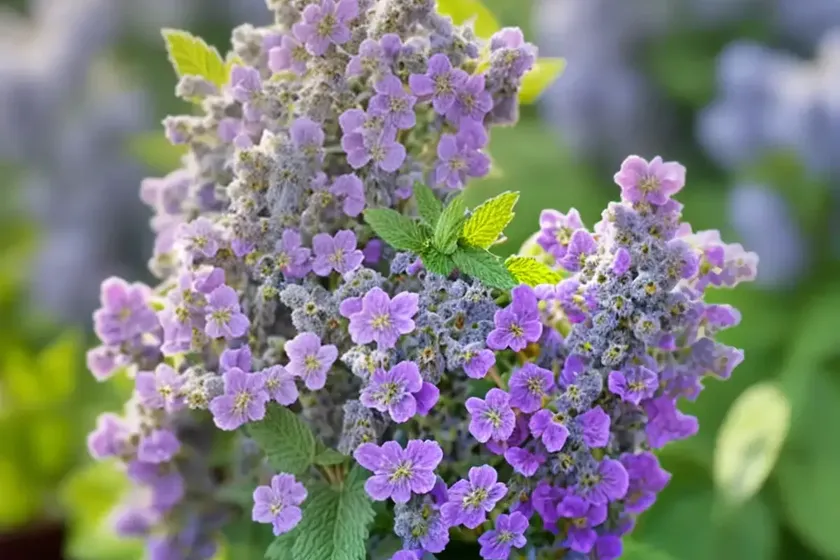
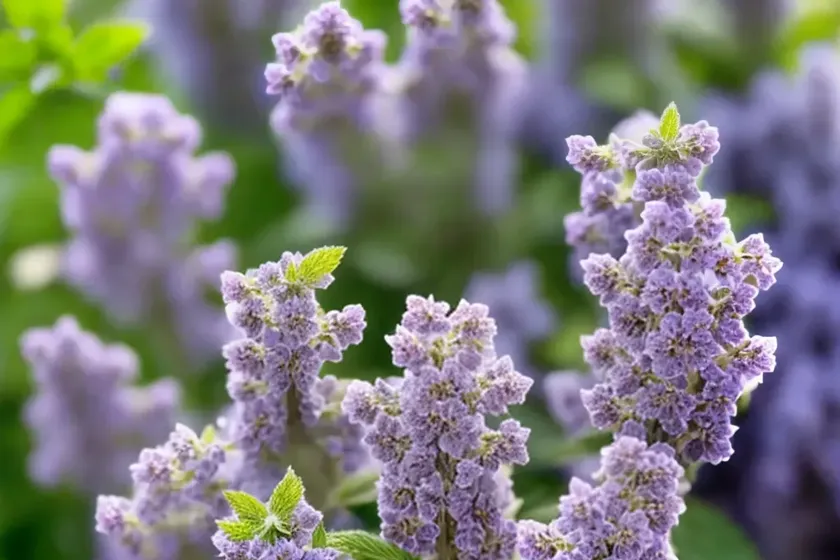
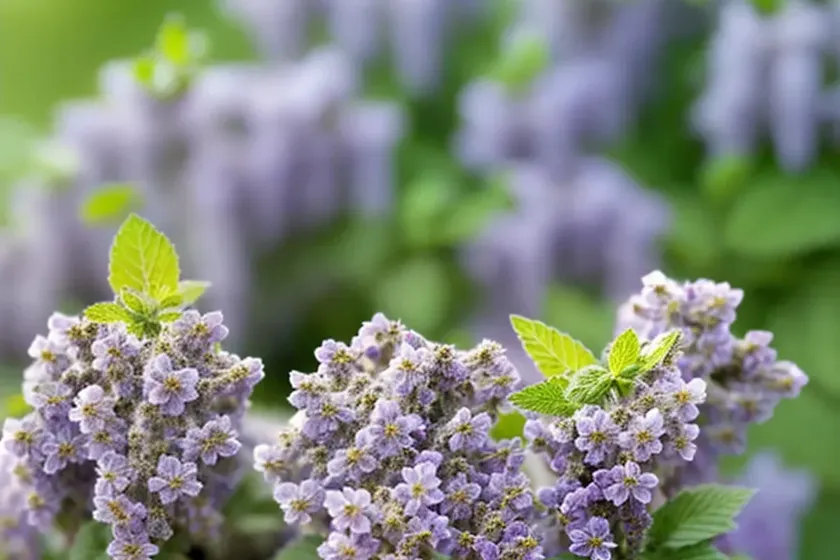
Nepeta ‘Cat’s Pajamas’, commonly known as Catmint, is a popular ornamental plant known for its attractive and fragrant foliage. This perennial flowering plant is a favorite among gardeners due to its low maintenance requirements, beautiful blooms, and ability to attract pollinators. In this comprehensive guide, we will explore the key aspects of growing and caring for Nepeta ‘Cat’s Pajamas’, including its culture, uses, water requirements, sunlight needs, soil preferences, pruning, propagation, container gardening, popularity, common diseases, pests, and interesting facts.
Key Takeaways – Nepeta ‘Cat’s Pajamas’ (Catmint)
- Plant Name: Nepeta ‘Cat’s Pajamas’ (Catmint)
- Scientific Name: Nepeta × faassenii ‘Cat’s Pajamas’
- Family: Lamiaceae
- Plant Type: Perennial
- Hardiness Zone: 3 – 8
- Mature Size: 12-14 inches tall and 18-20 inches wide
- Bloom Time: Late spring to early summer
- Attracts: Bees, butterflies, and other pollinators
- Drought Tolerance: High
- Deer Resistance: Yes
Culture
Nepeta ‘Cat’s Pajamas’ is a versatile and adaptable plant that thrives in a variety of growing conditions. From soil preferences to watering needs, understanding the cultural requirements of this plant is essential for its successful growth and development.
Uses
Catmint has several uses in the garden and landscape, making it a valuable addition for both aesthetic and practical purposes. Some of the common uses of Nepeta ‘Cat’s Pajamas’ include:
- Ornamental Planting: The colorful blooms and attractive foliage make Catmint a popular choice for ornamental planting in gardens, borders, and containers.
- Pollinator Attraction: The fragrant flowers of Catmint attract bees, butterflies, and other beneficial pollinators, making it a valuable addition to pollinator-friendly landscapes.
- Groundcover: Due to its low-growing habit and spreading nature, Catmint can be used as a groundcover to fill in bare areas and suppress weed growth.
- Medicinal Uses: Catmint has been traditionally used in herbal medicine for its various therapeutic properties, including its soothing effects on the digestive system.
Water
Proper watering is crucial for the health and vitality of Nepeta ‘Cat’s Pajamas’. Understanding its water requirements and implementing appropriate irrigation practices is essential for ensuring optimal growth and flowering.
Water Requirements
- Established Plants: Once established, Catmint is moderately drought-tolerant and requires minimal supplemental watering. It is crucial to allow the soil to dry out slightly between waterings to prevent waterlogging and root rot.
- Newly Planted Specimens: Newly planted Catmint should be watered regularly to encourage root establishment. However, it is important to avoid overwatering, as excessive moisture can lead to root rot and other issues.
Sunlight
As a sun-loving plant, Nepeta ‘Cat’s Pajamas’ thrives in bright sunlight and warm growing conditions. Understanding its sunlight needs is essential for providing an optimal growing environment.
Sunlight Requirements
- Full Sun: Catmint thrives in full sun, which is defined as at least 6-8 hours of direct sunlight per day. When grown in full sun, the plant produces more abundant blooms and maintains a compact, bushy growth habit.
- Partial Shade: While Catmint prefers full sun, it can tolerate some light shade, especially in hot climates or during the intense afternoon sun. However, prolonged shade can result in decreased flowering and overall vigor.
Fertilizer
Applying the right type and amount of fertilizer is essential for promoting healthy growth and abundant flowering in Nepeta ‘Cat’s Pajamas’. Understanding the plant’s fertilizer requirements and adopting appropriate feeding practices can greatly influence its overall performance.
Fertilization Tips
- Timing: Apply a balanced, slow-release fertilizer in early spring as new growth emerges. Avoid excessive fertilization, as this can lead to excessive foliage growth at the expense of flowers.
- Organic Options: Consider using organic fertilizers, such as compost or well-decomposed manure, to provide a gentle and sustainable nutrient source for Catmint.
- Avoid High Nitrogen: Refrain from using high-nitrogen fertilizers, as they can promote lush foliage at the expense of blooms.
Soil
Understanding the soil preferences of Nepeta ‘Cat’s Pajamas’ is crucial for creating an ideal growing environment and ensuring its long-term health and vitality.
Soil Preferences
- Well-Draining Soil: Catmint thrives in well-draining soil that prevents waterlogging and root rot. Amending heavy or compacted soils with organic matter, such as compost or peat moss, can improve drainage and aeration.
- pH Level: Catmint prefers slightly alkaline to neutral soil with a pH range of 6.7 to 7.3. Conduct a soil test to determine the pH of the planting area and make necessary adjustments using lime or sulfur.
Pruning
Pruning is an essential maintenance task that helps promote bushy growth, prolong flowering, and maintain the overall health and appearance of Nepeta ‘Cat’s Pajamas’.
Pruning Guidelines
- Deadheading: Regularly deadhead spent flowers to encourage continuous blooming and prevent the plant from setting seeds, which can inhibit further flowering.
- Shearing: Perform light shearing or trimming after the first flush of blooms to promote bushy, compact growth and encourage a second wave of flowering.
- Renewal Pruning: Every 2-3 years, consider performing renovation or renewal pruning by cutting back the entire plant to rejuvenate its growth and vigor.
Propagation
Nepeta ‘Cat’s Pajamas’ can be propagated through various methods, including division, seed collection, and softwood cuttings. Understanding the propagation techniques is valuable for multiplying and sharing the plant with others.
Propagation Methods
- Division: Divide mature Catmint plants every 3-4 years in early spring or fall to create new plants. Carefully lift the plant, separate the root ball into smaller sections, and replant them in suitable locations.
- Seed Collection: Collect seeds from mature Catmint plants after the blooms fade. Sow the seeds in well-draining soil in the desired location, and keep the soil consistently moist until germination occurs.
- Softwood Cuttings: Take 4-6 inch long softwood cuttings in early summer, dip the cut ends in rooting hormone, and plant them in a moist rooting medium. Place the cuttings in a warm, bright location, and maintain consistent moisture until roots develop.
Container Popularity
Catmint is a popular choice for container gardening, allowing gardeners to enjoy its beauty and fragrance in confined spaces such as balconies, patios, and small gardens.
Container Gardening Tips
- Container Selection: Choose a large, well-draining container that provides ample space for the root system to spread. Terracotta or plastic pots with drainage holes are ideal for growing Catmint.
- Potting Mix: Use a lightweight, well-draining potting mix with added perlite or coarse sand to ensure proper aeration and drainage. Avoid heavy and water-retentive soils, as they can lead to root rot in containers.
- Watering: Container-grown Catmint may require more frequent watering, especially during hot and dry periods. Check the soil moisture regularly and water when the top inch of the soil feels dry to the touch.
Common Diseases
While Catmint is relatively resistant to diseases, it can occasionally encounter certain issues that impact its overall health and appearance. Being aware of common diseases and their management is essential for safeguarding the plant’s well-being.
Disease Diagnosis
- Powdery Mildew: Characterized by a white, powdery growth on the leaves, powdery mildew can affect Catmint, especially in humid and poorly ventilated conditions. Improve air circulation and avoid overhead watering to prevent the disease.
- Root Rot: Excessive soil moisture and poor drainage can lead to root rot in Catmint. Ensure proper soil drainage and avoid overwatering to prevent this potentially lethal disease.
- Leaf Spot: Fungal leaf spot diseases can cause dark lesions on Catmint foliage, leading to leaf yellowing and eventual defoliation. Remove and dispose of affected leaves to prevent the spread of the disease.
Common Pests
Catmint is relatively resistant to pest infestations, but certain insects can occasionally pose a threat to the plant. Understanding common pests and implementing appropriate control measures is crucial for preserving the health and vigor of Nepeta ‘Cat’s Pajamas’.
Pest Management
- Aphids: These small, soft-bodied insects can cluster on the stems and underside of leaves, sucking sap from the plant. Use strong blasts of water or insecticidal soap to dislodge and control aphid populations.
- Spider Mites: Spider mites are tiny pests that can cause stippling and webbing on Catmint leaves. Regularly mist the foliage to increase humidity and deter spider mite infestations.
- Caterpillars: Certain caterpillar species may feed on Catmint foliage, causing cosmetic damage. Handpick caterpillars when feasible or use Bacillus thuringiensis (Bt) as a biological control.
Botanist’s Tips
Enrich your gardening experience and enhance the success of growing Catmint by incorporating these expert tips and recommendations.
Expert Advice
- Companion Planting: Pair Catmint with other pollinator-friendly plants, such as coneflowers, salvia, and butterfly bush, to create a vibrant and wildlife-attracting garden.
- Mulching: Apply a layer of organic mulch, such as shredded bark or compost, around the base of Catmint to conserve soil moisture, suppress weeds, and moderate soil temperature.
Fun Facts
Discover intriguing and lesser-known facts about Nepeta ‘Cat’s Pajamas’ that showcase its unique qualities and contributions to the garden.
Fascinating Tidbits
- Cat Attraction: Catmint contains a compound called nepetalactone, which has a stimulating effect on cats, often causing them to exhibit playful and euphoric behaviors when exposed to the plant.
- Historical Use: Catmint has been historically utilized for its medicinal properties, with recorded uses in treating digestive ailments, anxiety, and insomnia in humans.
Links to External Resources
Explore additional sources of information, inspiration, and support for growing and caring for Nepeta ‘Cat’s Pajamas’ by accessing the following external resources.
External Links
- National Gardening Association – Catmint
- Royal Horticultural Society – Nepeta ‘Cat’s Pajamas’
- University of Maryland Extension – Catmint Fact Sheet
- Missouri Botanical Garden – Nepeta × faassenii ‘Cat’s Pajamas’
- The Spruce – How to Grow and Care for Catmint
In conclusion, Nepeta ‘Cat’s Pajamas’ (Catmint) is a delightful and versatile plant that offers a myriad of benefits to gardeners, pollinators, and the overall landscape. By understanding its culture, uses, water and sunlight requirements, fertilizer needs, soil preferences, pruning techniques, propagation methods, container gardening potential, common diseases, pests, and interesting facts, enthusiasts can cultivate and enjoy the beauty and charm of this exceptional perennial plant.
Remember, the joy of nurturing and witnessing the growth of Nepeta ‘Cat’s Pajamas’ extends far beyond its colorful blooms and fragrant foliage; it encompasses a deeper connection with nature, a celebration of biodiversity, and a commitment to sustainable gardening practices.
By embracing the remarkable attributes of Catmint and implementing the best practices outlined in this guide, you can embark on a fulfilling and rewarding journey of cultivating, appreciating, and sharing the exceptional beauty of Nepeta ‘Cat’s Pajamas’.
Reference:
– “The Complete Guide to Growing Perennial Plants: Tips Techniques” by Frances Tophill, 2020


