Narcissus ‘Salome’ (Large-Cupped Daffodil)
Narcissus ‘Salome’, commonly known as the Large-Cupped Daffodil, is a stunning spring-blooming bulb that belongs to the Amaryllidaceae family. This popular perennial plant is treasured for its vibrant colors, graceful appearance, and delightful fragrance, making it a favorite among gardeners and horticulturists worldwide.
In this comprehensive guide, we will explore the various aspects of Narcissus ‘Salome,’ encompassing its cultural preferences, uses, care requirements, and much more. Whether you are an avid gardener, a landscape designer, or simply an admirer of floral beauty, this article will equip you with everything you need to know about the enchanting Narcissus ‘Salome’.
Key Takeaways – Narcissus ‘Salome’ (Large-Cupped Daffodil)
Before delving into the intricate details of Narcissus ‘Salome’, let’s highlight some key takeaways about this captivating Large-Cupped Daffodil:
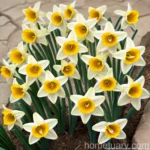
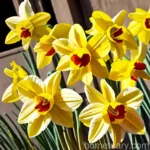
- Flower: The Narcissus ‘Salome’ boasts a large-cupped, salmon-pink flower with a prominent yellow corona, exuding elegance and charm.
- Bulbs: This variety of daffodil propagates through bulbs, which are essential for its perennial growth and recurrent blossoming.
- Bloom Time: ‘Salome’ Daffodils typically bloom in the early to mid-spring, heralding the arrival of the season with their resplendent flowers.
- Growing Conditions: To thrive, Narcissus ‘Salome’ requires well-drained soil, adequate sunlight, and the right watering and fertilization regimen.
- Landscape Uses: Widely utilized in landscaping, these daffodils are versatile, complementing borders, flower beds, containers, and various garden designs.
- Pest Control: ‘Salome’ Daffodils may encounter common pests, necessitating appropriate preventive measures for their protection.
Now, let’s delve deeper into the world of Narcissus ‘Salome’ and explore its various facets ranging from cultural preferences to maintenance practices.
Culture
Understanding the cultural requirements of Narcissus ‘Salome’ is crucial for fostering its optimal growth and enhancing its ornamental value. Here are the fundamental cultural factors to consider:
Water
Narcissus ‘Salome’ flourishes in moderately moist soil. During its active growth period, it benefits from consistent watering, ensuring that the soil remains slightly damp but not waterlogged. However, it is essential to let the soil dry out between watering sessions to prevent rot and other moisture-related issues.
Sunlight
Adequate sunlight is vital for the healthy development of ‘Salome’ Daffodils. Plant them in a location that receives full to partial sunlight, ideally six to eight hours of direct sunlight per day. Insufficient light may lead to weak flower stems and diminished bloom production.
Fertilizer
When it comes to fertilization, Narcissus ‘Salome’ thrives on a balanced, all-purpose fertilizer applied in early spring as soon as the foliage emerges. A slow-release fertilizer can also be beneficial as it provides a steady supply of nutrients over an extended period, supporting the plant’s growth and the formation of next year’s flower buds.
Soil
Well-draining soil is paramount for the health and vigor of ‘Salome’ Daffodils. They favor rich, loamy soil with good drainage to prevent waterlogging, which can cause bulb rot. Amending the soil with organic matter can enhance its overall quality and drainage capacity, offering an ideal substrate for the daffodils to thrive.
Pruning
Pruning ‘Salome’ Daffodils primarily involves the removal of spent flowers and seed heads once the blooming period concludes. This practice directs the plant’s energy towards bulb development rather than seed formation. It is important to allow the foliage to wither naturally, as this process replenishes the bulb for the next year’s growth.
Uses
Narcissus ‘Salome’ serves various purposes in garden settings and landscapes, contributing to aesthetic appeal and ecological enrichment. Here are some of its primary uses:
- Garden Beds: These daffodils are commonly utilized in garden beds to create striking visual displays, especially when planted in clusters or drifts, which enhance their impact.
- Borders: ‘Salome’ Daffodils make excellent border plants, accentuating pathways, driveways, and garden boundaries with their captivating blooms and distinctive foliage.
- Containers: Due to their compact size and captivating flowers, ‘Salome’ Daffodils are well-suited for container gardening, adding splashes of color to patios, balconies, and other outdoor spaces.
- Cut Flowers: The cut flowers of Narcissus ‘Salome’ are popular choices for floral arrangements, bringing the charm of spring indoors and brightening up any living space with their cheerful presence.
These versatile uses underscore the broad appeal and utility of Narcissus ‘Salome’ in various horticultural and aesthetic contexts.
Propagation
The propagation of Narcissus ‘Salome’ primarily occurs through bulbs, which can be divided and replanted to establish new plants. Here are the essential considerations for propagating ‘Salome’ Daffodils:
Bulb Division
Dividing mature clumps of ‘Salome’ Daffodil bulbs is a popular method for propagation. This process involves carefully digging up the bulb cluster after the foliage has withered, separating the individual bulbs, and replanting them to create new plantings. Bulb division is typically carried out in late spring or early summer when the bulbs are in a dormant state, allowing them to establish before the next growing season.
Common Diseases
While Narcissus ‘Salome’ is relatively resilient, it is susceptible to certain diseases and disorders which can impact its vitality and appearance. Here are some common diseases that may affect ‘Salome’ Daffodils:
Fusarium Bulb Rot
Fusarium bulb rot is a fungal disease that can affect daffodil bulbs, causing them to become soft, discolored, and decayed. This disease thrives in moist, poorly-drained soils and can lead to the deterioration of bulb quality and overall plant health. To prevent this disease, it is crucial to ensure proper soil drainage and adequate air circulation around the bulbs.
Narcissus Bulb Fly
Narcissus bulb fly is a pest that lays its eggs at the base of daffodil bulbs. Upon hatching, the larvae burrow into the bulbs, causing damage and weakening the plants. Vigilance and early intervention can help control this pest, with measures such as removing affected bulbs and applying appropriate insecticidal treatments.
Mosaic Virus
Mosaic virus can manifest as mottled, distorted foliage and diminished flower quality in daffodils, including ‘Salome’ Daffodils. This viral disease is primarily spread through contaminated tools, sap, and pests, highlighting the importance of sanitation and pest management to prevent its spread and impact on plant health.
Botrytis Blight
Botrytis blight, caused by the fungus Botrytis cinerea, can lead to the development of brown spots and decay on daffodil flowers and foliage. This disease is favored by cool, damp conditions, making proper air circulation and moisture management essential for prevention.
Pest Control
In addition to diseases, ‘Salome’ Daffodils are susceptible to various pests that can compromise their vitality and aesthetic appeal. Implementing effective pest control measures is crucial for protecting these enchanting flowers. Here are some common pests that may affect Narcissus ‘Salome’ and the corresponding control methods:
Aphids
Aphids are soft-bodied insects that feed on plant sap, potentially causing stunted growth and misshapen foliage in ‘Salome’ Daffodils. Natural predators, such as ladybugs and lacewings, can help control aphid populations, while applications of insecticidal soap or neem oil offer additional control measures.
Slugs and Snails
Slugs and snails are notorious for feeding on daffodil foliage and flowers, leaving behind characteristic feeding damage. To deter these pests, physical barriers, such as copper tape or diatomaceous earth, can be employed, along with judicious use of pet-safe slug and snail baits.
Thrips
Thrips are tiny, slender insects that may cause deformed or discolored flower buds and petals in ‘Salome’ Daffodils. Control measures include regular inspection and the application of insecticidal sprays targeted at thrips during their active periods.
Narcissus Bulb Fly
As mentioned earlier, the Narcissus bulb fly can be detrimental to daffodil bulbs. Monitoring for signs of infestation and implementing proper cultural practices can aid in preventing and managing this pest.
Now that we have covered the various cultural, propagation, disease, and pest control aspects of Narcissus ‘Salome’, let’s explore some additional insights and fun facts about this captivating daffodil variety in our Botanist’s Tips and Fun Facts section.
Botanist’s Tips
As botanists and horticultural enthusiasts, we are constantly exploring and uncovering the inherent intricacies of plant species. Here are some botanist’s tips for cultivating and appreciating Narcissus ‘Salome’ to the fullest:
-
Naturalizing: Narcissus ‘Salome’ has the innate ability to naturalize, meaning it can spread and establish itself in a naturalistic, non-invasive manner. When provided with suitable growing conditions, ‘Salome’ Daffodils can multiply and create delightful swaths of color in garden settings.
-
Fragrance: The blooms of ‘Salome’ Daffodils exude a delicate, sweet fragrance, adding an olfactory dimension to their allure. Positioning these daffodils in proximity to frequently visited areas, such as seating areas or garden paths, allows for a sensory experience enriched by their aromatic presence.
-
Companion Plants: When planning garden arrangements, consider pairing Narcissus ‘Salome’ with complementary companions such as early-flowering perennials, ornamental grasses, or spring-blooming bulbs to create visually appealing and dynamic plant compositions.
-
Wildlife Attraction: ‘Salome’ Daffodils can attract pollinators such as bees and butterflies, contributing to the ecological vibrancy of garden environments. Incorporating them into pollinator-friendly habitats can support local wildlife and enhance biodiversity.
These insights offer a deeper appreciation of the multifaceted nature of Narcissus ‘Salome’ and the ways in which it enriches garden landscapes and ecosystems.
Fun Facts
Uncovering the captivating attributes and peculiarities of plants often reveals intriguing fun facts that add depth to our understanding and appreciation of the natural world. Here are some fun facts about Narcissus ‘Salome’ that illuminate its unique characteristics and appeal:
-
Historical Significance: Daffodils, including the Large-Cupped ‘Salome’ variety, have been cultivated for centuries and hold symbolic significance in various cultures and traditions. They are often associated with rebirth, new beginnings, and the arrival of spring.
-
Color Variations: While the classic ‘Salome’ Daffodil features salmon-pink petals and a yellow corona, variations in color intensity and hue may occur, adding an element of unpredictability and diversity to these blooms.
-
Spring Herald: As heralds of spring, Narcissus ‘Salome’ contributes to the seasonal tapestry of floral displays, marking the end of winter dormancy and the onset of rejuvenation and renewal.
-
Unique Characteristics: The Large-Cupped ‘Salome’ Daffodil is esteemed for its substantial cup-shaped corona, creating a distinctive silhouette that sets it apart from other daffodil varieties.
Embracing these fun facts sheds light on the cultural, aesthetic, and symbolic dimensions of Narcissus ‘Salome’ that transcend its botanical attributes.
From cultural practices and propagation methods to disease management and ecological significance, the journey through the world of Narcissus ‘Salome’ unveils the rich tapestry of knowledge and appreciation associated with this beloved daffodil variety. Whether adorning garden landscapes, brightening floral arrangements, or simply evoking the essence of spring, ‘Salome’ Daffodils continue to enchant and inspire admirers around the globe.
Links to External Resources
To further expand your understanding of Narcissus ‘Salome’ and delve into additional insights and perspectives, we recommend exploring the following external resources:
-
Royal Horticultural Society (RHS): The RHS offers comprehensive information on daffodils, including cultivation guides, photography, and horticultural advice.
-
American Daffodil Society: An invaluable resource for daffodil enthusiasts, the American Daffodil Society provides a wealth of information, publications, and community connections focused on daffodil appreciation and cultivation.
-
University Extension Services: Many university extension services and agricultural institutions offer online resources and publications on bulb cultivation, pest management, and horticultural best practices.
-
Local Botanical Gardens and Arboreta: Visiting local botanical gardens and arboreta provides an opportunity to observe Narcissus ‘Salome’ in diverse garden settings and gain inspiration for its use in your own landscape.
These resources can serve as valuable companions on your journey to explore, cultivate, and celebrate the beauty of Narcissus ‘Salome’ and the enchanting world of daffodils.
By immersing ourselves in the intricacies of plants such as Narcissus ‘Salome’, we gain a profound appreciation for the interconnectedness of nature, the artistry of horticulture, and the boundless wonders of the botanical realm. As we continue to nurture and explore the diverse flora that graces our world, we perpetuate a legacy of admiration, stewardship, and discovery that enhances the fabric of our lives and environments.
In closing, may the vibrancy and elegance of Narcissus ‘Salome’ kindle joy and inspiration, serving as a reminder of the resplendent beauty that unfolds with each season and the eternal allure of nature’s floral masterpieces.
The content provided in this article aims to offer comprehensive insights into the captivating Narcissus ‘Salome’ (Large-Cupped Daffodil), encompassing its cultural preferences, uses, care requirements, and more. Whether you are an avid gardener, a landscape designer, or a floral enthusiast, this guide strives to enrich your understanding of this beloved daffodil variety and inspire your appreciation of its natural splendor.
The information provided is based on extensive botanical knowledge and horticultural expertise, drawing upon the rich legacy of daffodil cultivation and appreciation. References to external resources are included to further augment the reader’s exploration of Narcissus ‘Salome’ and its associated realms.
Disclaimer: This article is intended for informational purposes only and does not replace professional horticultural or botanical consultation. Readers are encouraged to seek specific advice and guidance from qualified experts for their individual gardening and plant care needs.