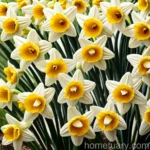
Narcissus ‘Baby Boomer’ (Jonquil Daffodil): A Complete Guide to Cultivation and Care
What is Narcissus ‘Baby Boomer’ (Jonquil Daffodil)?
Narcissus ‘Baby Boomer’, commonly known as Jonquil Daffodil, is a charming and popular spring-flowering bulb. As a member of the Amaryllidaceae family, it’s known for its fragrant, cluster-flowered blooms and slender, rush-like leaves. This variety of Narcissus is particularly cherished for its early blooming season, vibrant blossoms, and pleasant fragrance that often signal the arrival of spring.
Key Takeaways – Narcissus ‘Baby Boomer’ (Jonquil Daffodil)
Before delving into the detailed aspects of cultivating and caring for Narcissus ‘Baby Boomer’, let’s summarize some essential key takeaways about this captivating plant:
- Botanical Name: Narcissus ‘Baby Boomer’
- Common Name: Jonquil Daffodil
- Family: Amaryllidaceae
- Type: Bulbous plant
- Flower Color: Yellow, gold, or white
- Fragrance: Sweet, pleasant scent
- Bloom Time: Early spring
- Sunlight: Full sun to partial shade
- Soil Type: Well-drained, fertile soil
- Watering: Moderate
- Hardiness Zones: 4 to 8
Narcissus ‘Baby Boomer’ (Jonquil Daffodil) is renowned for its delightful blooms and ease of maintenance, making it a favorite among gardeners and a classic staple for various landscape designs.
Culture
Uses
Narcissus ‘Baby Boomer’ (Jonquil Daffodil) finds versatile uses in garden landscapes, including:
- Garden Beds: Adds vibrant color and fragrance to spring flower beds
- Naturalizing: Perfect for naturalizing in woodland areas and meadows
- Cut Flowers: Serves as a charming addition to fresh flower arrangements
- Container Gardening: Ideal for container displays and patio gardens
The multiple uses of Jonquil Daffodils make them a valuable addition to any garden setting, enhancing the visual appeal and creating a delightful sensory experience.
Water
Proper watering is essential for the healthy growth and bloom of Narcissus ‘Baby Boomer’. Here are some key points to consider regarding its water requirements:
- Initial Watering: Provide adequate water upon planting to help establish root systems.
- Regular Watering: During active growth, ensure consistent moisture, but avoid waterlogged conditions, as they can lead to bulb rot.
- Reduced Watering: Gradually reduce watering after flowering to prevent bulb damage due to excessive moisture.
By adhering to these watering guidelines, gardeners can promote robust growth and stunning blooms in their Narcissus ‘Baby Boomer’ plants.
Sunlight
The sunlight preferences of Narcissus ‘Baby Boomer’ contribute significantly to its overall health and flowering performance. Understanding its sunlight requirements allows gardeners to optimize their cultivation strategies. Here are some essential pointers:
- Sun Exposure: Plant in full sun to partial shade.
- Optimal Placement: Choose a location that receives at least 6 hours of direct sunlight daily for abundant blooms.
- Partial Shade: In hotter climates, provide some protection from the intense afternoon sun.
By providing the appropriate sunlight conditions, gardeners can ensure that their Jonquil Daffodils thrive and produce an impressive display of flowers.
Fertilizer
Fertilization plays a crucial role in promoting the vigorous growth and prolific flowering of Narcissus ‘Baby Boomer’. Consider the following fertilizer recommendations when catering to the nutritional needs of these charming daffodils:
- Timing: Apply a balanced, slow-release fertilizer in early spring before or during active growth.
- Application Rate: Use a fertilizer specifically formulated for bulbs and follow the package instructions for the correct application rate.
- Avoid Excessive Nitrogen: Refrain from using high-nitrogen fertilizers, as they can promote lush foliage at the expense of flower production.
By nourishing Narcissus ‘Baby Boomer’ with the right nutrients at the appropriate times, gardeners can support healthy growth and abundant blooms.
Soil
The soil preferences of Narcissus ‘Baby Boomer’ significantly influence its vitality and blooming prowess. Understanding its soil requirements is crucial in ensuring optimal growing conditions. Here are some pertinent considerations:
- Well-Drained Soil: Thrives in well-drained, fertile soil to prevent waterlogging and bulb rot.
- Soil Composition: Prefers slightly acidic to neutral soil pH (6.0 to 7.0).
- Soil Amendments: Incorporate organic matter, such as compost, into the soil before planting to improve its structure and fertility.
By providing a conducive soil environment, gardeners can set the stage for healthy, vigorous growth and a stunning floral display from their Jonquil Daffodils.
Pruning
Proper pruning practices are essential for maintaining the health and beauty of Narcissus ‘Baby Boomer’. By adhering to the following pruning guidelines, gardeners can enhance the overall appearance and vitality of their daffodil plants:
- Faded Blooms: Remove spent flowers to prevent seed production and encourage bulb energy allocation for the following year’s blooms.
- Foliage Care: Allow the foliage to remain intact until it turns yellow and wilts naturally, as it provides vital nutrients to the bulbs for the next season’s growth.
- Avoid Braiding Leaves: Refrain from braiding or tying daffodil leaves, as this can impede the process of photosynthesis and diminish bulb strength.
Pruning Narcissus ‘Baby Boomer’ in accordance with these recommendations ensures that the plants remain healthy and continue to delight with their captivating blooms year after year.
Propagation
Narcissus ‘Baby Boomer’ can be propagated using various methods, allowing gardeners to expand their daffodil displays or share the beauty of these lovely blooms with others. Consider the following propagation techniques:
- Division: Lift and divide overcrowded clumps of daffodil bulbs every 3 to 5 years after the foliage has withered.
- Offsets: Separate and replant small bulb offsets that form around the main bulbs to establish new plants.
- Seed Propagation: Collect and sow daffodil seeds to grow new plants, although this method takes longer to produce blooming-sized bulbs.
By employing these propagation methods, gardeners can multiply their Narcissus ‘Baby Boomer’ plants and enrich their garden landscapes with the joyous spectacle of daffodil blooms.
Container Popularity
Narcissus ‘Baby Boomer’ holds particular appeal for container gardening enthusiasts, offering a charming and fragrant addition to diverse container displays. Some points to consider when incorporating Jonquil Daffodils into container designs include:
- Container Types: Select well-drained containers of appropriate size to accommodate the bulbs and soil medium.
- Companion Plants: Pair Jonquil Daffodils with complimentary plants that share similar cultural requirements for visually striking container combinations.
- Placement: Position containers in locations that receive adequate sunlight while providing protection from excessive heat.
The popularity of Narcissus ‘Baby Boomer’ for container gardening stems from its versatility and ability to infuse outdoor living spaces with the enchanting allure of spring blooms.
Common Diseases
Like many plants, Narcissus ‘Baby Boomer’ is susceptible to certain diseases that can affect its growth and overall well-being. By recognizing and understanding these common diseases, gardeners can take proactive measures to prevent and address these issues. Some prevalent daffodil diseases include:
- Basal Rot: Caused by Fusarium oxysporum, it results in bulb decay and foliage wilting.
- Leaf Scorch: Symptoms include yellowing and browning of leaves, often caused by environmental stress or nutrient deficiencies.
- Narcissus Fly Damage: Larvae feed on bulbs, resulting in soft rot and weakened plants.
Identifying symptoms and employing appropriate control measures, such as proper sanitation and targeted treatments, can help mitigate the impact of these diseases on Narcissus ‘Baby Boomer’ and other daffodil cultivars.
Disease Diagnosis
Accurately diagnosing diseases affecting Narcissus ‘Baby Boomer’ is pivotal in implementing effective management strategies. Gardeners should familiarize themselves with the common symptoms associated with daffodil diseases, such as:
- Basal Rot: Soft, water-soaked areas on bulbs, foul odor, and wilting foliage.
- Leaf Scorch: Yellow or brown discoloration on leaves, stunted growth, and reduced vigor.
- Narcissus Fly Damage: Presence of larvae in bulbs, soft or mushy areas, and gradual plant decline.
Consulting with plant health professionals or utilizing diagnostic resources can aid in identifying these diseases and devising targeted approaches for their control.
Common Pests
Narcissus ‘Baby Boomer’ may fall prey to various pests that can compromise its growth and ornamental value. Understanding the potential pests and their control measures is essential for safeguarding daffodil plants. Some common pests that affect daffodils include:
- Narcissus Bulb Fly: Larvae feed on bulbs, leading to decay and reduced plant vigor.
- Thrips: These tiny insects can cause stippling and distortion of daffodil flowers and foliage.
- Slugs and Snails: These mollusks may feed on tender daffodil foliage and flowers, causing unsightly damage.
Implementing integrated pest management practices, including cultural, biological, and chemical control methods, can help mitigate the impact of these pests on Narcissus ‘Baby Boomer’ and ensure the continued health of daffodil plantings.
Botanist’s Tips
To support the successful cultivation and enjoyment of Narcissus ‘Baby Boomer’ in garden settings, botanist’s tips are invaluable. Gardeners can benefit from the following expert recommendations:
- Planting Depth: Ensure proper planting depth, burying bulbs at a depth approximately 2 to 3 times their width.
- Mulching: Apply a layer of organic mulch around daffodil plantings to maintain soil moisture and suppress weeds.
- Naturalizing: Allow Narcissus ‘Baby Boomer’ to naturalize in suitable areas, creating enchanting drifts of blooming daffodils over time.
Incorporating these botanist’s tips into daffodil cultivation practices fosters optimal growth and floral exuberance, enriching garden landscapes with the timeless allure of Jonquil Daffodils.
Fun Facts
Uncovering intriguing and delightful facts about Narcissus ‘Baby Boomer’ enriches the gardening experience and deepens the appreciation for these beloved flowers. Here are some fun facts about Jonquil Daffodils:
- Cultural Symbolism: Daffodils symbolize renewal, hope, and new beginnings, making them popular flowers for spring celebrations and gifts.
- Mythological Roots: The name “Narcissus” originates from Greek mythology, referencing a beautiful youth who fell in love with his own reflection and was transformed into a flower.
- Phenomenal Varieties: Narcissus encompasses a diverse array of cultivars, showcasing a stunning spectrum of colors, sizes, and fragrances, captivating the hearts of gardeners and admirers worldwide.
- Fragrance Power: Jonquil Daffodils emit a delightful, sweet fragrance that evokes the essence of spring, attracting pollinators and enchanting human senses.
Exploring such captivating fun facts adds depth and enchantment to the experience of growing and enjoying the beauty of Narcissus ‘Baby Boomer’.
Links to External Resources
- Narcissus ‘Baby Boomer’ Care Tips
- Jonquil Daffodil Varieties
- Growing Narcissus ‘Baby Boomer’
- Narcissus ‘Baby Boomer’ Bulbs
- How to Plant Jonquil Daffodils
- Narcissus ‘Baby Boomer’ Characteristics
- Jonquil Daffodil Flowers
Continuing with the list of links to external resources…
In conclusion, Narcissus ‘Baby Boomer’ (Jonquil Daffodil) stands as a beloved and cherished addition to spring gardens, delighting with its vibrant blooms, sweet fragrance, and timeless appeal. By understanding the essential aspects of its cultivation and care, including water, sunlight, fertilizer, soil, pruning, propagation, and addressing common diseases and pests, gardeners can foster the flourishing beauty of this captivating daffodil variety. Embracing the botanist’s tips, fun facts, and leveraging external resources further elevates the gardening experience and appreciation for the enchanting allure of Narcissus ‘Baby Boomer’.
Through the joyful spectacle of its blooms and the enduring symbolism it embodies, Jonquil Daffodil continues to captivate the hearts of gardeners and enthusiasts, perpetuating its legacy as a cherished harbinger of spring and a cherished botanical treasure.