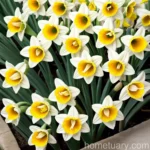
What is Plant Narcissus ‘Roulette’ (Large-Cupped Daffodil)?
Plants are the foundation of life on Earth and play a crucial role in maintaining the ecological balance. They are not only a source of food, medicine, oxygen, and various other resources but also contribute to the aesthetic beauty of our surroundings. One such captivating plant is the Narcissus ‘Roulette’ or Large-Cupped Daffodil, which is renowned for its beautiful blooms and easy-care nature.
Narcissus is a genus of predominantly spring perennial plants in the Amaryllidaceae family. The Large-Cupped Daffodil, also known by its botanical name Narcissus, is a prized ornamental plant that belongs to this genus. Its graceful appearance and delightful fragrance make it a popular choice for gardens, landscapes, and floral arrangements.
In this comprehensive guide, we will delve into the various aspects of Narcissus ‘Roulette’, exploring its characteristics, cultivation, uses, and maintenance. Whether you are a seasoned horticulturist, a gardening enthusiast, or someone looking to enhance their outdoor space with these charming blooms, this blog post will provide valuable insights into the world of Large-Cupped Daffodils.
Key Takeaways – Narcissus ‘Roulette’ (Large-Cupped Daffodil)
Before we embark on the journey to understand the intricacies of growing and caring for Narcissus ‘Roulette’, let’s take a quick look at the key takeaways:
- Plant Name: Narcissus ‘Roulette’ (Large-Cupped Daffodil)
- Botanical Family: Amaryllidaceae
- Growth Habit: Perennial
- Flower Type: Large-Cupped
- Bloom Time: Spring
- Fragrance: Sweet, Floral
- Hardiness Zone: 3-9
- Watering: Moderate
- Sunlight: Full sun to partial shade
- Soil Type: Well-draining, fertile soil
- Special Features: Deer resistant, attractive to pollinators
Now, let’s dive deeper into the various aspects of cultivating and caring for Narcissus ‘Roulette’ to ensure its optimal growth and blooming.
Culture
Uses
Narcissus ‘Roulette’ is primarily cultivated for its ornamental value. Whether grown in garden beds, borders, containers, or naturalized in meadows, these charming daffodils add a touch of elegance and vibrancy to any setting. Additionally, their blooms are highly prized for floral arrangements, bringing the beauty of spring indoors.
Water
Proper watering is essential for the health and vigor of Narcissus ‘Roulette’. While these daffodils are relatively drought-tolerant once established, they require consistent moisture during their active growth period. Adequate watering ensures the development of robust foliage and promotes the formation of flower buds for the following season.
Watering Guidelines:
– Provide moderate water during the growing season, ensuring the soil stays evenly moist but not waterlogged.
– Reduce watering after the blooming period to prevent water accumulation around the bulbs, which can lead to rot.
Sunlight
As with many spring-flowering bulbs, sunlight plays a crucial role in the growth and blooming of Narcissus ‘Roulette’. These daffodils thrive in bright, sunny locations with well-drained soil. Adequate sunlight not only supports healthy foliage growth but also ensures the development of vibrant and long-lasting flowers.
Sunlight Requirements:
– Plant in areas with full to partial sunlight, preferably receiving at least 6 hours of direct sunlight per day.
– Avoid planting in areas with dense shade, as it can inhibit flowering and lead to elongated, weak stems.
Fertilizer
Appropriate fertilization is key to supporting the nutritional needs of Narcissus ‘Roulette’ and promoting robust growth and blooming. A well-balanced fertilizer, applied at the right time and in the correct manner, can significantly enhance the overall health and vitality of these daffodils.
Fertilizing Tips:
– Apply a balanced, slow-release fertilizer or a specific bulb fertilizer in early spring when new growth emerges.
– Avoid over-fertilizing, as excessive nutrients can lead to lush foliage with reduced flower production.
Soil
The soil composition and structure directly impact the growth, development, and overall health of Narcissus ‘Roulette’. Well-draining, nutrient-rich soil provides an ideal environment for the bulbs to establish strong roots and thrive throughout the growing season.
Soil Requirements:
– Plant in well-draining loamy or sandy soil with a slightly acidic to neutral pH (6.0-7.0).
– Avoid waterlogged or compacted soils, as they can lead to root rot and other moisture-related issues.
Pruning
Proper pruning and deadheading practices not only maintain the aesthetic appeal of Narcissus ‘Roulette’ but also contribute to the plant’s long-term health and vitality. Removing spent blooms and yellowing foliage not only enhances the visual appeal but also directs the plant’s energy towards bulb development and nutrient storage.
Pruning Guidelines:
– Deadhead faded flowers to prevent the formation of seeds and encourage the plant to focus on bulb strengthening.
– Allow the foliage to senesce naturally, as it helps replenish the bulb’s energy reserves for the following growing season.
Propagation
Narcissus ‘Roulette’ can be propagated through various methods, including division of offsets, bulb scaling, and seed propagation. Each technique offers unique advantages and challenges, allowing gardeners to expand their daffodil collection and cultivate new plants with distinct traits.
Propagation Methods:
– Division: Divide established clumps of Narcissus ‘Roulette’ in late summer or early autumn, separating the offsets and replanting them in suitable locations.
– Bulb Scaling: Extract and separate bulb scales from mature bulbs to propagate new plants, following proper sterilization and treatment to promote healthy growth.
– Seed Propagation: Collect and sow seeds in well-prepared seed beds, providing optimal conditions for germination and subsequent growth of seedlings.
Container Popularity
The versatility and captivating beauty of Narcissus ‘Roulette’ make it a popular choice for container gardening. Whether grown on patios, balconies, or windowsills, these daffodils brighten up outdoor spaces and bring the joy of spring to compact urban settings.
Container Gardening Tips:
– Select well-draining containers with drainage holes to prevent waterlogging and promote healthy root growth.
– Use a high-quality potting mix with adequate nutrition and moisture retention to support the plant’s growth and blooming.
Common Diseases
Despite their robust nature, Narcissus ‘Roulette’ is susceptible to certain diseases and health issues that can affect their growth and overall performance. Being aware of these common ailments and employing preventive measures is crucial for maintaining the health and vigor of these delightful daffodils.
Disease Diagnosis
Common Diseases:
1. Botrytis Blight: A fungal disease that causes gray mold on flowers and foliage, often in damp, humid conditions.
2. Fusarium Bulb Rot: A soil-borne fungus that attacks bulbs, leading to rotting and decline of the plant.
3. Narcissus Mosaic Virus: A viral infection that results in distorted foliage, stunted growth, and reduced flowering.
Diagnosis and Management:
– Monitor the plants for any signs of abnormal growth, discoloration, or unusual symptoms.
– Practice good sanitation, avoid overhead watering, and promptly remove and dispose of any infected plant material.
Common Pests
Pests can pose a threat to the health and vitality of Narcissus ‘Roulette’, potentially causing damage to foliage, flowers, and bulbs. By understanding the typical pests that affect these daffodils and implementing suitable control measures, gardeners can safeguard their plants from infestations and the associated damage.
Common Pests:
1. Narcissus Bulb Fly: Larvae of this fly species can infest and damage daffodil bulbs, leading to reduced vigor and potential rotting.
2. Narcissus Eelworm: Microscopic nematodes that infect and damage the roots, leading to stunted growth and reduced plant health.
3. Slugs and Snails: These common garden pests can feed on daffodil foliage and flowers, causing unsightly damage and reducing the plant’s aesthetic appeal.
Pest Control Measures:
– Implement physical barriers, such as copper tape or diatomaceous earth, to deter slugs and snails from reaching the plants.
– Use suitable insecticides or biological control methods to manage pest populations effectively without harming beneficial organisms.
Botanist’s Tips
As botanists and plant scientists, we have gathered valuable insights and tips for successfully cultivating and caring for Narcissus ‘Roulette’. From understanding the plant’s unique characteristics to optimizing its growth and blooming, these tips aim to empower gardeners with the knowledge and techniques necessary for fostering healthy and vibrant daffodils.
Fun Facts
In addition to their inherent beauty and charm, Narcissus ‘Roulette’ boasts several intriguing and delightful aspects that add to their allure. These fun facts offer a glimpse into the captivating world of Large-Cupped Daffodils, shedding light on their cultural significance, natural history, and ecological contributions.
Fun Facts:
– Large-Cupped Daffodils have been cultivated for centuries and hold symbolic significance in various cultures, representing rebirth, hope, and positive energy.
– The trumpet-shaped corona of ‘Roulette’ daffodils showcases a stunning color palette, ranging from delicate pinks and peaches to vibrant oranges and golden hues.
– Daffodils are not only visually appealing but also emit a subtle, sweet fragrance that attracts pollinators such as bees and butterflies to the garden.
Links to External Resources
To further expand your knowledge and expertise on Narcissus ‘Roulette’ (Large-Cupped Daffodil) and related horticultural topics, we have compiled a list of valuable external resources. These resources encompass in-depth guides, research papers, and reputable organizations dedicated to plant science and gardening.
External Resources:
- The American Daffodil Society: Website Link
- Royal Horticultural Society (RHS): Narcissus Care Guide
- University of California Agriculture and Natural Resources (UCANR): Diseases in Spring Bulbs
- North Carolina State University Extension: Managing Pests in Gardens
- Kew Royal Botanic Gardens: Plant and Fungal Names
By exploring these reputable sources, you can access a wealth of knowledge and expert advice to complement your understanding of Narcissus ‘Roulette’ and enrich your horticultural endeavors.
In conclusion, the enchanting Narcissus ‘Roulette’ (Large-Cupped Daffodil) stands as a timeless symbol of spring, beauty, and natural elegance. With a deep-rooted cultural significance and a myriad of practical applications, these daffodils continue to captivate gardeners and enthusiasts worldwide, inspiring a deeper appreciation for the wonders of the natural world. Through prudent cultivation, attentive care, and a profound understanding of their unique traits, gardeners can experience the joy of nurturing these splendid blooms and enhancing their outdoor spaces with the enchanting allure of Large-Cupped Daffodils.