The Captivating Jonquilla Daffodil (Narcissus ‘Fruit Cup’)
Introduction to Narcissus ‘Fruit Cup’
Narcissus, commonly known as daffodils, are beloved spring-blooming flowers cherished for their vibrant colors and delicate beauty. Among the numerous varieties of daffodils, the Jonquilla group stands out for its charming fragrance and prolific flowering. One such enchanting cultivar within the Jonquilla group is the Narcissus ‘Fruit Cup.’ In this blog post, we will delve into the fascinating world of this exquisite daffodil variety. From its cultivation and care to its uses and characteristics, we’ll explore everything you need to know about the Jonquilla daffodil (Narcissus ‘Fruit Cup’).
What is the Jonquilla Daffodil (Narcissus ‘Fruit Cup’)?
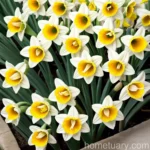
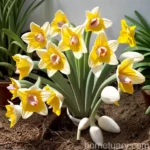
The Narcissus ‘Fruit Cup’ is a member of the Jonquilla group, a division of daffodils known for their multiple, fragrant flowers. This particular variety is celebrated for its striking floral display and sweet fragrance, making it a popular choice among gardeners and flower enthusiasts. The ‘Fruit Cup’ daffodil features clusters of small, bright yellow blooms with a distinct orange-red cup in the center. Its elegant appearance and delightful scent make it a standout addition to any garden or floral arrangement.
Key Takeaways – Jonquilla Daffodil (Narcissus ‘Fruit Cup’)
Let’s start our exploration by highlighting the key takeaways about the Jonquilla daffodil (Narcissus ‘Fruit Cup’).
- Scientific Name: Narcissus ‘Fruit Cup’
- Common Name: Jonquilla Daffodil
- Flower Characteristics: Multiple small yellow flowers with an orange-red cup
- Fragrance: Sweet and distinctive scent
- Group: Jonquilla
- Uses: Garden display, cut flowers, fragrance
- Hardiness Zone: 5-9
- Bloom Time: Early to mid-spring
Now that we have an overview of the ‘Fruit Cup’ daffodil, let’s delve into its cultivation and care requirements.
Culture
Water
Proper watering is essential for the healthy growth of Jonquilla daffodils. While they prefer well-draining soil, it’s crucial to ensure that they receive consistent moisture, especially during their active growth periods. However, it’s equally important to avoid waterlogged conditions, as daffodils are susceptible to rot in overly wet soils. Once the flowering has ceased, gradually reduce watering to allow the bulbs to enter their dormant phase.
Sunlight
Like most daffodil varieties, the ‘Fruit Cup’ daffodil thrives in full to partial sunlight. It’s recommended to plant them in areas where they can receive at least 6-8 hours of direct sunlight per day. Adequate sunlight not only promotes robust flowering but also helps in developing sturdy stems and vibrant blooms.
Fertilizer
To support the vigorous growth and prolific flowering of Jonquilla daffodils, it’s beneficial to provide them with a balanced fertilizer. A slow-release or granular fertilizer with an NPK ratio of 5-10-5 or 10-10-10 can be applied in early spring as new growth emerges. Avoid excessive use of high-nitrogen fertilizers, as they can lead to lush foliage at the expense of flower production.
Soil
Narcissus ‘Fruit Cup’ daffodils prefer well-draining, slightly acidic to neutral soil. Loamy or sandy soil textures are ideal for promoting healthy root development and preventing waterlogging. Amending the soil with organic matter, such as compost or well-rotted manure, can enhance both the soil structure and nutrient content, providing an optimal growing environment for the daffodil bulbs.
Pruning
After the ‘Fruit Cup’ daffodil has finished flowering, it’s essential to deadhead the spent blooms. This practice prevents the plant from directing its energy towards seed production and encourages the bulb to store energy for the following year’s growth and flowering. Once the foliage begins to yellow and wither, it can be trimmed back to ground level. However, it’s crucial to allow the foliage to senesce naturally to ensure the bulbs replenish their energy reserves fully.
Propagation
Division
Jonquilla daffodils, including the ‘Fruit Cup’ variety, can be propagated through bulb division. Over time, mature daffodil clumps produce offsets or daughter bulbs that can be carefully separated from the parent bulb during the dormant season. These offsets can then be replanted in suitable locations to establish new daffodil colonies.
Seed Propagation
While less commonly practiced due to the time and effort involved, Jonquilla daffodils can also be grown from seed. The process requires patience as it may take several years for the daffodil seedlings to reach flowering maturity. However, seed propagation can lead to the development of unique daffodil varieties through natural hybridization.
Container Popularity
The compact size and stunning floral display of the Narcissus ‘Fruit Cup’ make it a popular choice for container gardening. Whether grown on balconies, patios, or window sills, these daffodils bring a cheerful burst of color to any container garden. Their manageable size and delightful fragrance make them well-suited for small-space gardening, allowing urban dwellers and gardening enthusiasts with limited outdoor areas to enjoy the beauty of daffodils.
Common Diseases
Disease Diagnosis
While Jonquilla daffodils are relatively resilient, they can be vulnerable to certain fungal diseases such as botrytis and basal rot. Botrytis, also known as gray mold, typically appears as grayish-brown spots on the foliage and flowers, often in damp or humid conditions. Basal rot, caused by the fungus Fusarium oxysporum, affects the basal plate of the bulb, leading to rotting and decline of the plant.
Common Pests
Narcissus Bulb Fly
One of the primary pests that can impact daffodils, including the ‘Fruit Cup’ variety, is the narcissus bulb fly. The adult flies lay their eggs near or on the daffodil bulbs, and upon hatching, the larvae burrow into the bulbs, causing damage and potentially leading to the death of the plant. Monitoring for the presence of these flies and taking preventive measures, such as using physical barriers or insecticidal treatments, can help protect daffodil bulbs from infestation.
Botanist’s Tips
Planting Depth
When planting Narcissus ‘Fruit Cup’ bulbs, it’s essential to ensure that they are placed at the appropriate depth. Typically, daffodil bulbs should be planted at a depth equal to approximately three times their diameter. This planting depth helps protect the bulbs from temperature fluctuations and provides stability for the emerging shoots and flowers.
Naturalizing
Jonquilla daffodils, including the ‘Fruit Cup’ variety, are well-suited for naturalizing in garden settings. Naturalizing refers to the practice of allowing bulbs to spread and establish themselves freely over the years, creating beautiful, low-maintenance displays. When naturalizing daffodils, it’s beneficial to plant them in drifts or clusters, allowing for a more natural and captivating effect.
Fun Facts
- The name “Narcissus” is derived from a character in Greek mythology known for his beauty. Legend has it that Narcissus was so enamored with his own reflection that he fell in love with it, ultimately leading to his transformation into the narcissus flower.
- The ‘Fruit Cup’ daffodil belongs to the division 7 of the daffodil classification system, which encompasses the Jonquilla group known for its fragrant blooms and multiple flowers per stem.
Links to External Resources
To further expand your knowledge about Jonquilla daffodils, including the ‘Fruit Cup’ variety, we recommend exploring the following external resources:
In conclusion, the Jonquilla daffodil (Narcissus ‘Fruit Cup’) offers a captivating combination of beauty, fragrance, and versatility, making it a cherished addition to gardens, landscapes, and floral displays. Whether you’re a seasoned gardener or a daffodil enthusiast, the ‘Fruit Cup’ daffodil provides an enchanting experience that delights the senses and enhances the natural beauty of any setting.