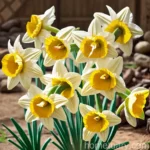
Narcissus ‘Quail’ (Jonquil Daffodil): A Delightful Spring Flower
Narcissus ‘Quail’, commonly known as Jonquil Daffodil, is a charming and popular spring-blooming bulbous plant that belongs to the Amaryllidaceae family. This delightful plant species is favored by gardeners for its fragrant and brightly colored flowers, making it a stunning addition to gardens, landscapes, and even indoor spaces. In this comprehensive guide, we will explore the various aspects of Narcissus ‘Quail’, including its cultural requirements, uses, maintenance, and much more.
Key Takeaways – Narcissus ‘Quail’ (Jonquil Daffodil)
Before delving into the detailed aspects of Narcissus ‘Quail’, let’s highlight some key takeaways about this wonderful plant.
- Common Name: Narcissus ‘Quail’, Jonquil Daffodil
- Botanical Name: Narcissus ‘Quail’
- Family: Amaryllidaceae
- Plant Type: Perennial bulbous plant
- Flower Colors: Various shades of yellow, often with a pleasant fragrance
- Bloom Time: Typically blooms in spring
- Cultural Uses: Landscaping, cut flowers, container gardens
- Sunlight Requirements: Prefers full to partial sunlight
- Watering Needs: Moderate; prefers well-draining soil
- Soil Type: Well-draining, fertile soil
- Maintenance: Relatively low maintenance; requires minimal pruning and care
- Propagation: Can be propagated from bulbs
- Common Diseases: Potential susceptibility to fungal diseases
- Common Pests: Deer, rodents, and some insect pests
- Unique Characteristics: Fragrant flowers, vibrant hues, and easy cultivation
Now that we have an overview of the key aspects of Narcissus ‘Quail’, let’s dive deeper into its cultural requirements and maintenance.
Culture
Uses
Narcissus ‘Quail’ serves a variety of purposes, from enhancing outdoor landscapes to adorning indoor settings with its captivating blooms. Some of its primary uses include:
- Landscaping: The vibrant and fragrant flowers of Narcissus ‘Quail’ make it an excellent choice for gardens, borders, and naturalized settings. Its ability to naturalize in the landscape adds to its appeal, creating delightful patches of color as it thrives and multiplies.
- Cut Flowers: The long-lasting blooms of Narcissus ‘Quail’ are frequently used as cut flowers in floral arrangements, adding a touch of springtime elegance to indoor spaces.
- Container Gardens: Due to its adaptability to container cultivation, Narcissus ‘Quail’ is a popular choice for patio displays, balcony gardens, and other container gardening projects.
Water
Proper watering is crucial for the health and vitality of Narcissus ‘Quail’. While these plants are relatively drought-tolerant, they benefit from regular watering, especially during the growing and blooming periods. Here are a few essential tips for watering this plant:
- Moderate Moisture: Maintain moderate soil moisture during the active growth phase. Ensure that the soil does not become waterlogged, as this can lead to bulb rot and other issues.
- Avoid Overwatering: Overwatering can be detrimental to Narcissus ‘Quail’, so it is essential to allow the soil to dry out slightly between waterings, particularly during the plant’s dormancy period.
Sunlight
Like many bulbous plants, Narcissus ‘Quail’ thrives in bright, sunny locations. Adequate sunlight exposure is crucial for promoting robust growth and prolific flowering. Here are some considerations regarding sunlight requirements:
- Full Sun to Partial Shade: Narcissus ‘Quail’ typically prefers full sun to partial shade. In regions with hot summers, providing some afternoon shade can be beneficial.
- Indoor Cultivation: When grown indoors, ensure that the plant receives abundant natural light or supplement with grow lights to mimic optimal sunlight conditions.
Fertilizer
Proper fertilization can significantly impact the growth and blooming performance of Narcissus ‘Quail’. By providing essential nutrients, you can ensure that the plant remains healthy and vibrant. Here are some key points to consider when fertilizing these delightful daffodils:
- Balanced Fertilizer: Apply a balanced, slow-release fertilizer in early spring to support strong, healthy growth and abundant flowering.
- Avoid High Nitrogen: Refrain from using high-nitrogen fertilizers, as they can promote excessive foliage growth at the expense of flower production.
Soil
The right soil conditions are essential for the successful cultivation of Narcissus ‘Quail’. Well-draining and fertile soil provides the necessary support for healthy root development and overall plant vigor. Consider the following soil-related aspects when growing Narcissus ‘Quail’:
- Well-Draining Soil: Ensure that the planting site or containers have well-draining soil to prevent waterlogging and potential bulb rot.
- Soil Amendments: If the soil is heavy or lacks fertility, incorporate organic matter such as compost or well-rotted manure to improve its texture and nutrient content.
Pruning
Narcissus ‘Quail’ generally requires minimal pruning, but some maintenance tasks can help enhance its overall appearance and promote long-term health. Here are some essential points to consider regarding pruning and maintenance:
- Faded Flowers: Deadhead spent flowers to maintain the plant’s aesthetic appeal and prevent the formation of seed pods, which can divert the plant’s energy from bulb development.
- Yellowing Foliage: Allow the foliage to wither and yellow naturally before removing it. This process helps the bulbs store energy for the following year’s growth and blooming.
Propagation
Narcissus ‘Quail’ can be propagated from bulbs, offering an excellent opportunity to expand your daffodil collection or share these charming plants with fellow gardening enthusiasts. Here’s a brief overview of the propagation process:
- Division: When the plants become overcrowded and flowering diminishes, lift the bulbs after the foliage has died back. Gently separate the bulbs and replant them in suitable locations, ensuring proper spacing for optimal growth.
Container Popularity
The container gardening trend has surged in popularity, offering versatility and convenience for growing various plant species. Narcissus ‘Quail’ is particularly well-suited for container cultivation, and its cheerful blooms can bring vibrant color to outdoor living spaces. Here are some key points regarding its popularity in container gardening:
- Aesthetic Appeal: The vibrant and fragrant blooms of Narcissus ‘Quail’ make it a delightful addition to container gardens, providing a burst of springtime charm on patios, decks, and balconies.
- Space Optimization: Container cultivation allows gardeners to enjoy Narcissus ‘Quail’ in regions with limited garden space, expanding the opportunities for enjoying these lovely daffodils.
Common Diseases
While Narcissus ‘Quail’ is generally resilient, it can be susceptible to certain diseases, particularly those caused by fungal pathogens. Recognizing potential diseases and taking preventive measures is crucial for maintaining plant health. Here are some common diseases that may affect Narcissus ‘Quail’:
- Botrytis Blight: This fungal disease, caused by Botrytis spp., can lead to the development of gray mold on the foliage and flowers of daffodils. Proper air circulation and avoiding overwatering can help prevent this disease.
- Basal Rot: Basal rot, often caused by Fusarium spp., can affect the bulbs of daffodils, leading to rotting and decay. Planting in well-draining soil and providing proper cultural care can minimize the risk of basal rot.
Disease Diagnosis
Timely diagnosis of diseases is essential for implementing appropriate control measures and preventing the spread of infections. Here are some notable signs and symptoms that can aid in the diagnosis of potential diseases in Narcissus ‘Quail’:
- Foliage Discoloration: Yellowing, browning, or spotting on the leaves may indicate the presence of fungal diseases.
- Abnormal Bulb Conditions: Softness, browning, or foul odors from the bulbs are concerning signs that warrant further inspection and potential treatment.
Common Pests
In addition to diseases, Narcissus ‘Quail’ may attract certain pests that can impact its growth and blooming performance. Understanding and identifying common pests is crucial for implementing effective pest management strategies. Here are some pests that may pose a threat to Narcissus ‘Quail’:
- Deer: In regions with deer populations, these animals may feed on the foliage and flowers of daffodils, posing a threat to the plants.
- Rodents: Mice and voles can damage daffodil bulbs, especially when planted in garden beds and naturalized settings.
Botanist’s Tips
As a plant scientist with expertise in daffodil cultivation, I recommend the following tips for successful and rewarding growth of Narcissus ‘Quail’:
- Proper Drainage: Ensure that the planting site or containers provide sufficient drainage to prevent waterlogged soil, which can lead to various issues, including rotting of bulbs.
- Mulching: Apply a layer of organic mulch, such as shredded bark or compost, around the base of the plants to conserve moisture, suppress weeds, and insulate the soil during temperature fluctuations.
- Companion Planting: Pair Narcissus ‘Quail’ with spring-blooming companions such as tulips, hyacinths, and grape hyacinths to create visually appealing and harmonious displays in the garden.
Fun Facts
To further appreciate the allure of Narcissus ‘Quail’ and its fascinating characteristics, consider these intriguing fun facts about this delightful daffodil variety:
- Mythological Inspiration: The botanical name “Narcissus” is derived from Greek mythology, referencing the story of a youth named Narcissus who fell in love with his own reflection in a pool of water. This captivating tale has contributed to the enduring symbolism of this plant.
- Fragrance Variation: While many daffodils are known for their cheerful appearance, some varieties, including Narcissus ‘Quail’, also boast a delightful fragrance that adds an additional sensory dimension to their appeal.
Links to External Resources
For further exploration of Narcissus ‘Quail’ and related topics, I recommend consulting the following reliable and informative resources:
- American Daffodil Society: The official website of the American Daffodil Society offers a wealth of information on daffodil cultivation, varieties, and events, providing valuable insights for enthusiasts and horticulturists.
- Royal Horticultural Society – Daffodils: The Royal Horticultural Society provides comprehensive guidance on daffodils, including cultivation advice, recommended varieties, and practical tips for growing and maintaining these charming spring flowers.
In conclusion, Narcissus ‘Quail’ enriches our gardens, landscapes, and homes with its vibrant blooms, captivating fragrance, and versatile uses. Whether you’re an avid gardener, a flower enthusiast, or a nature lover, the enduring charm of this delightful daffodil variety is sure to captivate your heart and imagination, heralding the arrival of spring with its cheerful presence.
Keywords: Narcissus flowers, Narcissus Quail bulbs, Jonquil Daffodil varieties, Narcissus ‘Quail’ care tips, Growing Jonquil Daffodils, Narcissus flower bulbs, Narcissus ‘Quail’ characteristics, Jonquil Daffodil colors, Planting Narcissus ‘Quail’, Maintenance of Jonquil Daffodils, Narcissus ‘Quail’ bloom time, Jonquil Daffodil gardening, Narcissus ‘Quail’ sunlight requirements, Growing Narcissus flowers, Jonquil Daffodil pests and diseases, Narcissus ‘Quail’ watering needs, Narcissus Quail varieties, Jonquil Daffodil planting guide, Narcissus ‘Quail’ garden design, Jonquil Daffodil fragrance, Narcissus bulb planting tips, Narcissus ‘Quail’ seasonal maintenance, Jonquil Daffodil soil requirements, Narcissus flower arrangements, Narcissus ‘Quail’ companion plants, Jonquil Daffodil landscaping ideas, Narcissus ‘Quail’ container gardening, Narcissus Quail propagation techniques, Jonquil Daffodil cut flower longevity, Narcissus ‘Quail’ indoor cultivation, Jonquil Daffodil naturalizing tips, Narcissus ‘Quail’ garden borders, Narcissus Quail plant size, Jonquil Daffodil climate preferences, Narcissus ‘Quail’ pollen production, Growing Narcissus bulbs, Jonquil Daffodil spring blooming, Narcissus ‘Quail’ foliage characteristics, Jonquil Daffodil winter protection, Narcissus ‘Quail’ landscape uses, Narcissus Quail water conservation, Jonquil Daffodil pollinator-friendly gardening, Narcissus ‘Quail’ wildflower gardens, Jonquil Daffodil garden maintenance, Narcissus ‘Quail’ natural pest control, Narcissus Quail decorative planters, Jonquil Daffodil bulb division techniques, Narcissus ‘Quail’ soil amendment tips, Jonquil Daffodil garden display ideas, Narcissus ‘Quail’ fragrance garden design