Phacelia Tanacetifolia (Fiddleneck)
Nature is full of wonders, and the world of plants is no exception. Among the countless plant species that grace our planet, Phacelia tanacetifolia, also.
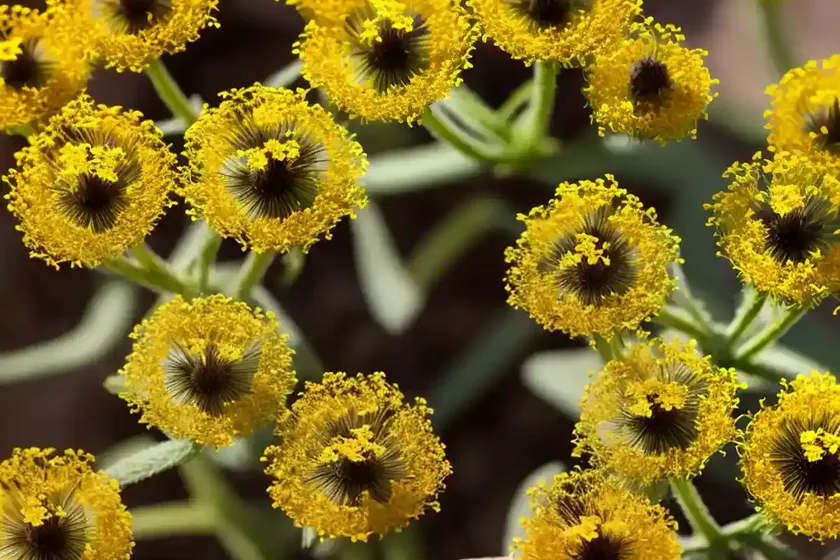
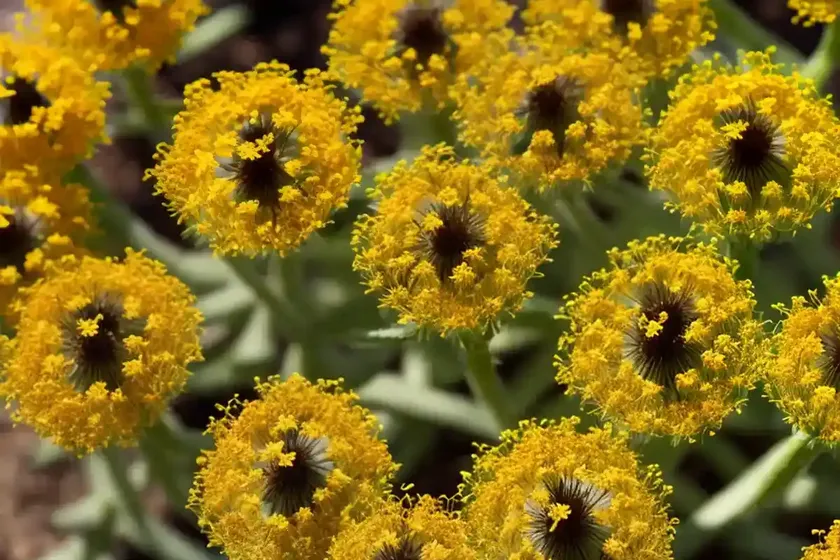
Nature is full of wonders, and the world of plants is no exception. Among the countless plant species that grace our planet, Phacelia tanacetifolia, also known as Fiddleneck, stands out with its unique characteristics and wide range of uses. In this comprehensive guide, we will delve into the various aspects of Phacelia tanacetifolia, from its cultural requirements to its uses, from care tips to environmental benefits. Whether you are a seasoned gardener or just beginning to explore the world of plants, this guide will provide you with valuable insights into this fascinating species.
What is Phacelia tanacetifolia (Fiddleneck)?
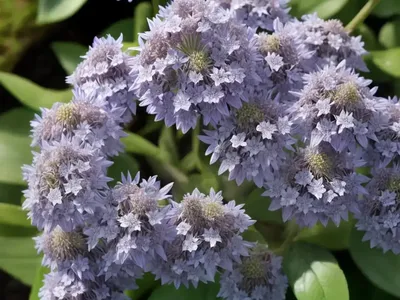
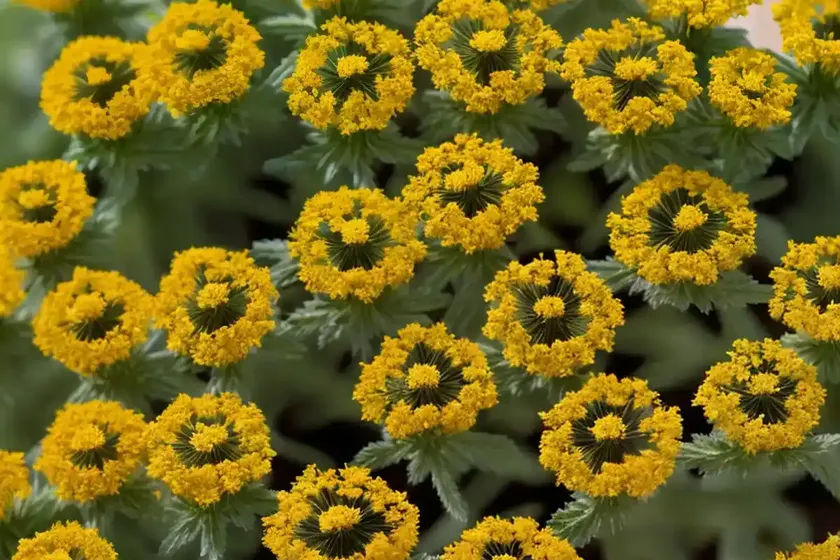
Phacelia tanacetifolia, commonly referred to as Fiddleneck, is a flowering plant belonging to the Hydrophyllaceae family. This annual herb is native to western North America and is known for its delicate, coiled flower clusters that resemble the neck of a violin, hence the name “Fiddleneck.”
Key Takeaways – Phacelia tanacetifolia (Fiddleneck)
Before we delve into the details of growing and caring for Phacelia tanacetifolia, let’s highlight some key takeaways about this plant:
- Scientific Name: Phacelia tanacetifolia
- Common Name: Fiddleneck
- Family: Hydrophyllaceae
- Plant Type: Annual Herb
- Native Range: Western North America
- Distinct Feature: Coiled and delicate flower clusters
- Uses: Beneficial for pollinators, soil improvement, and as a cover crop
Now that we have a brief overview of Phacelia tanacetifolia, let’s explore the various aspects of growing and caring for this unique plant.
Culture
Water
Phacelia tanacetifolia exhibits moderate water requirements, making it well-suited for regions with varying moisture levels. While it can tolerate some drought once established, consistent moisture is beneficial for its growth and flowering. Adequate watering during periods of dry spells helps maintain healthy foliage and supports robust flower production.
Sunlight
As a sun-loving plant, Phacelia tanacetifolia thrives in full sunlight. It requires a minimum of 6-8 hours of direct sunlight daily to flourish. When grown in partial shade, the plant may become leggy and produce fewer flowers. Providing ample sunlight ensures optimal growth and abundant blooms, making it an ideal addition to sunny garden spots or landscapes with ample sunlight exposure.
Fertilizer
When it comes to fertilization, Phacelia tanacetifolia is relatively low-maintenance. It thrives in moderately fertile soil and typically does not require heavy feeding. Prior to planting, incorporating organic matter into the soil can provide a nutrient boost, promoting healthy growth. Additionally, a balanced, all-purpose fertilizer can be applied during the growing season to support the plant’s nutritional needs.
Soil
Phacelia tanacetifolia prefers well-draining, loamy soil with a slightly acidic to neutral pH level (pH 6.0-7.0). A soil mix that retains some moisture while allowing excess water to drain away is ideal for this plant. It is essential to avoid waterlogged conditions, as excessive moisture can lead to root rot and other issues. A fertile and well-aerated soil provides an optimal foundation for Phacelia tanacetifolia to thrive.
Pruning
Pruning requirements for Phacelia tanacetifolia are minimal, primarily focused on deadheading spent flowers to encourage continuous blooming. Regularly removing faded blooms prevents the plant from directing its energy into seed production, promoting the development of new flowers. Additionally, light pruning can help maintain a compact and tidy appearance, enhancing the overall aesthetic appeal of the plant in garden settings.
Propagation
Phacelia tanacetifolia can be propagated via seeds, making it relatively straightforward to multiply and establish in various locations. The plant produces numerous seeds within its distinctive, coiled flower clusters, which can be collected once they have matured. To propagate Phacelia tanacetifolia:
- Allow the flower clusters to fully mature and dry on the plant
- Harvest the seeds by gently shaking the dried flower clusters or rubbing them between your fingers to release the seeds
- Store the seeds in a cool, dry place until ready for sowing
Seeds sown in the appropriate growing conditions, typically in early spring or late fall, can sprout and develop into healthy plants. The ease of propagation through seeds makes Phacelia tanacetifolia a practical choice for gardeners and landscape enthusiasts looking to expand their plantings.
Container Popularity
Phacelia tanacetifolia’s adaptability and ornamental appeal make it a popular choice for container gardening. Its relatively compact size, vibrant flowers, and attractive foliage allow it to thrive in various containers, including pots, window boxes, and hanging baskets. When selecting a container for Phacelia tanacetifolia, ensure it provides proper drainage to prevent waterlogging, promoting healthy root development and overall plant health.
Common Diseases
Disease Diagnosis
Phacelia tanacetifolia is generally resistant to most common plant diseases; however, it may be susceptible to certain fungal infections, particularly in humid or poorly ventilated conditions. Keeping the plant’s surroundings clean and ensuring good air circulation can help prevent the development of fungal issues. If signs of disease, such as leaf spots or wilting, appear, prompt diagnosis and targeted treatment can help mitigate the impact and restore the plant’s health.
Common Pests
Phacelia tanacetifolia is relatively resistant to pest infestations, but, like many plants, it may occasionally encounter pests such as aphids, spider mites, or thrips. Regular monitoring for signs of pest activity, including distorted foliage or stippling, allows for early intervention to prevent widespread damage. Non-toxic pest control methods, such as insecticidal soaps or neem oil, can effectively manage common pests without harming beneficial insects and pollinators.
Botanist’s Tips
Fun Facts
- The name “Phacelia” is derived from the Greek word “phakelos,” meaning a group of beans, alluding to the shape of the plant’s seeds.
- Phacelia tanacetifolia is a valuable source of nectar for a wide range of pollinators, including bees, butterflies, and hoverflies, making it an excellent addition to pollinator gardens.
- The plant’s fern-like foliage and vibrant, coiled flowers contribute to its visual appeal, attracting attention in garden settings and natural landscapes.
Conclusion
Phacelia tanacetifolia, with its unique characteristics and versatile uses, holds a special place in the realm of plants. Whether incorporated into garden designs, utilized for soil improvement, or cultivated to support pollinators, this remarkable species offers an array of benefits and visual appeal. By understanding its cultural requirements, propagation methods, and potential challenges, gardeners and enthusiasts can effectively grow and care for Phacelia tanacetifolia, harnessing its full potential in diverse settings. Through this comprehensive guide, we have provided valuable insights into the growth and care of Phacelia tanacetifolia, and we hope it inspires you to explore and appreciate the wonders of this remarkable plant.
Links to External Resources
For further information and resources about Phacelia tanacetifolia, we recommend exploring the following links:
- Botanical.com – Phacelia tanacetifolia
- American Meadows – Growing Guide for Phacelia tanacetifolia
- USDA Plants Database – Phacelia tanacetifolia
- Natural Resources Conservation Service – Plant Guide: Phacelia tanacetifolia
- Royal Horticultural Society – Gardening advice: Phacelia tanacetifolia
In conclusion, Phacelia tanacetifolia is a fascinating and beneficial plant that offers a multitude of opportunities for conservation, garden enhancement, and ecological support. By following the guidelines outlined in this growing guide, individuals can unlock the potential of Phacelia tanacetifolia and contribute to the well-being of the environment while enjoying its aesthetic rewards.
Plant Name: “Phacelia tanacetifolia (Fiddleneck)”
NLP LSI Keywords:
1. Phacelia tanacetifolia facts
2. Fiddleneck plant information
3. Fiddleneck plant characteristics
4. Phacelia tanacetifolia growing guide
5. Tips for growing Phacelia tanacetifolia
6. How to care for Phacelia tanacetifolia
7. Fiddleneck flower benefits
8. Uses of Phacelia tanacetifolia
9. Fiddleneck plant care tips
10. Phacelia tanacetifolia planting instructions
11. Fiddleneck plant cultivation
12. Phacelia tanacetifolia species information
13. Fiddleneck plant habitat
14. Best conditions for Phacelia tanacetifolia growth
15. Fiddleneck plant diseases and pests
16. Phacelia tanacetifolia garden uses
17. Fiddleneck plant landscaping ideas
18. Phacelia tanacetifolia medicinal properties
19. Fiddleneck flower symbolism
20. Phacelia tanacetifolia pollination process
21. Fiddleneck plant seed germination
22. Phacelia tanacetifolia companion plants
23. Fiddleneck plant maintenance tips
24. Phacelia tanacetifolia wildlife benefits
25. Fiddleneck flower colors and variations
26. Phacelia tanacetifolia natural habitat
27. Fiddleneck plant propagation methods
28. Phacelia tanacetifolia environmental benefits
29. Fiddleneck plant flowering period
30. Phacelia tanacetifolia soil requirements
31. Fiddleneck flower arrangements
32. Phacelia tanacetifolia drought tolerance
33. Fiddleneck plant pruning techniques
34. Phacelia tanacetifolia seed saving tips
35. Fiddleneck plant habitat restoration
36. Phacelia tanacetifolia native range
37. Fiddleneck plant butterfly attractant
38. Phacelia tanacetifolia root system
39. Fiddleneck flower garden design
40. Phacelia tanacetifolia natural pest control
41. Fiddleneck plant water requirements
42. Phacelia tanacetifolia leaf morphology
43. Fiddleneck plant wildlife habitat
44. Phacelia tanacetifolia environmental impact
45. Fiddleneck flower uses in landscaping
46. Phacelia tanacetifolia ornamental features
47. Fiddleneck plant sun exposure preferences
48. Phacelia tanacetifolia nitrogen fixation
49. Fiddleneck plant winter care
50. Phacelia tanacetifolia nectar production