Nanouk (Tradescantia ‘Nanouk’)
Plants have the extraordinary ability to bring life and vibrancy into any space, whether indoor or outdoor. One such plant that has been gaining popularity.
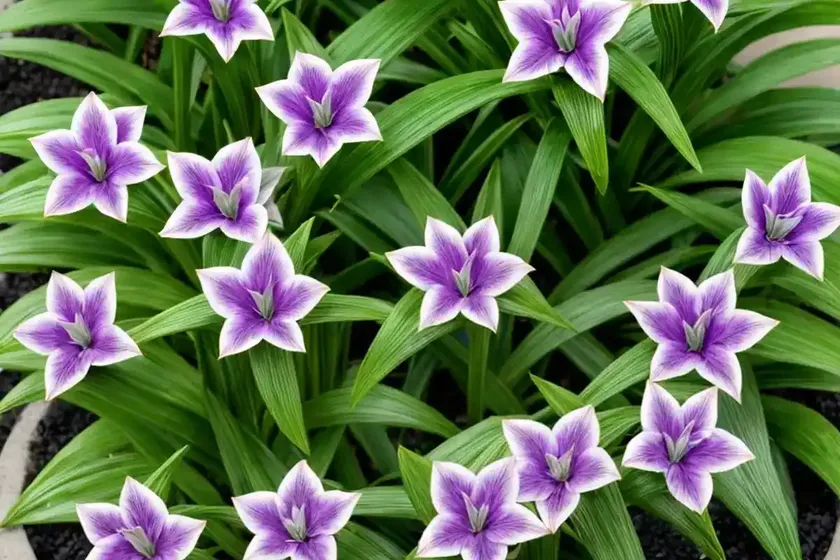
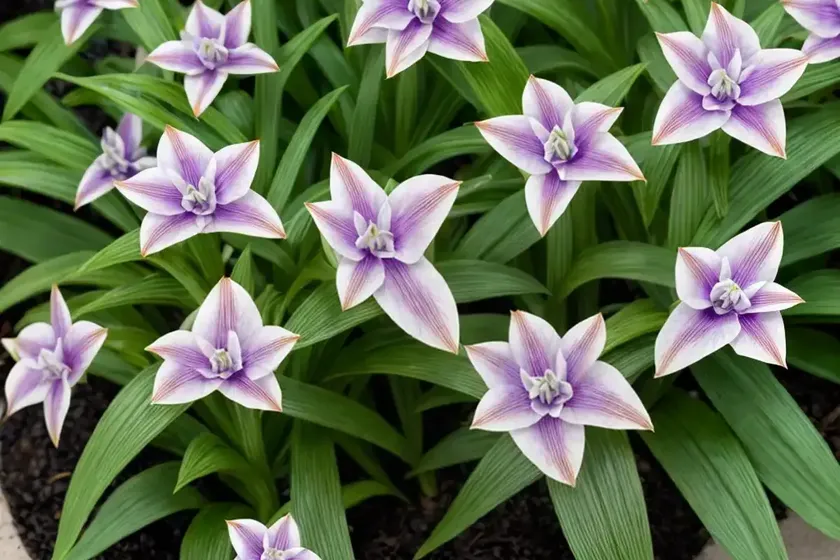
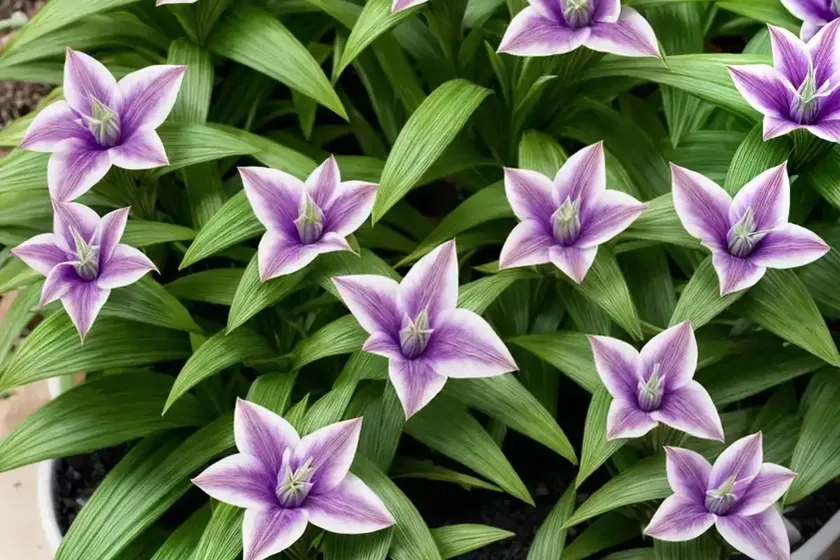
Plants have the extraordinary ability to bring life and vibrancy into any space, whether indoor or outdoor. One such plant that has been gaining popularity for its unique appearance and low maintenance requirements is the Nanouk, scientifically known as Tradescantia ‘Nanouk’. In this comprehensive guide, we will delve into the various aspects of the Nanouk plant, including its culture, uses, care requirements, common diseases and pests, propagation, and much more. Whether you are a seasoned plant enthusiast or a beginner looking to introduce greenery into your surroundings, this guide will equip you with the knowledge to nurture and appreciate the beauty of the Nanouk plant.
What is the Nanouk plant?
The Nanouk, a cultivar of the Tradescantia genus, is a charming and versatile plant beloved for its striking, variegated foliage and cascading growth habit. Also known as the “Wandering Jew,” this plant is characterized by its vibrant pink, green, and purple hues that embellish its elongated leaves. The Nanouk plant belongs to the Commelinaceae family and is native to South America.
Key Takeaways – Nanouk (Tradescantia ‘Nanouk’)
Before we delve into the specific care requirements and characteristics of the Nanouk plant, let’s highlight the key takeaways that encompass its essence:
- Botanical Name: Tradescantia ‘Nanouk’
- Common Name: Nanouk, Wandering Jew
- Family: Commelinaceae
- Foliage: Variegated, with hues of pink, green, and purple
- Growth Habit: Trailing
- Uses: Indoor and outdoor ornamental plant
- Level of Care: Low-maintenance
Now that we have established a brief overview of the Nanouk plant, let’s explore its culture, uses, and dedicated care guidelines to ensure its thriving growth.
Culture
The culture of a plant encompasses its overall requirements and the conditions necessary for its optimal growth. Understanding the culture of the Nanouk plant is essential in creating a conducive environment for its development.
Uses
The Nanouk plant boasts a myriad of uses, making it a versatile and sought-after addition to both indoor and outdoor spaces. Whether utilized as a hanging basket specimen, a dynamic ground cover, or an ornamental foliage plant, the Nanouk’s aesthetic appeal and adaptability are truly remarkable.
Indoor Uses
- Ornamental Plant: The Nanouk serves as an eye-catching ornamental plant, enhancing the visual appeal of any indoor setting with its vibrant foliage and trailing growth.
- Hanging Basket: Its cascading habit makes it an ideal candidate for hanging baskets, where its lush growth can drape elegantly, adding a touch of greenery to elevated spaces.
Outdoor Uses
- Ground Cover: In outdoor landscapes, the Nanouk can be used as a ground cover, creating a colorful and textured carpet of foliage.
- Container Planting: When potted in outdoor containers, the Nanouk adds a whimsical touch to patios, decks, and balconies with its trailing vines and captivating colors.
Water
The water requirements of the Nanouk plant are crucial for maintaining its health and vigor. As with many plants, finding the right balance in watering is essential to prevent issues such as root rot or dehydration.
Watering Guidelines
- Moderate Frequency: Water the Nanouk plant when the top inch of the soil feels dry to the touch, ensuring that excess water can freely drain from the pot.
- Avoid Waterlogging: Prevent waterlogging by ensuring that the pot has drainage holes and promptly removing any standing water from the saucer or container.
Sunlight
Proper sunlight exposure is integral to the Nanouk plant’s well-being, influencing its growth, color intensity, and overall vitality. Understanding its sunlight requirements is pivotal in providing the ideal setting for this distinctive plant.
Sunlight Requirements
- Bright, Indirect Light: Position the Nanouk plant in a location with bright, indirect light to promote vibrant foliage colors and robust growth.
- Filtered Sunlight: Protect the plant from direct, intense sunlight, particularly during the peak hours of the day, to prevent leaf scorch and discoloration.
Fertilizer
Fertilization plays a vital role in providing essential nutrients for plant growth and maintaining overall health. Incorporating a proper fertilization regimen is key to supporting the Nanouk plant’s development and ensuring its longevity.
Fertilizer Application
- Balanced Fertilizer: Utilize a balanced, water-soluble fertilizer formulated for indoor plants, applying it at half the recommended strength every 2-4 weeks during the growing season.
- Avoid Overfeeding: Refrain from over-fertilizing the Nanouk, as excessive nutrients can lead to salt buildup in the soil and potential adverse effects on the plant’s well-being.
Soil
The choice of soil directly impacts the Nanouk plant’s growth, root development, and overall resilience. Understanding the ideal soil composition and quality is imperative in providing an optimal growing medium for this captivating plant.
Soil Composition
- Well-Draining Medium: Employ a well-aerated, well-draining potting mix that allows excess moisture to escape, preventing waterlogged conditions.
- Peat-Based Mix: Consider using a peat-based potting mix enriched with perlite for improved drainage and moisture retention.
Pruning
Pruning is an essential aspect of plant maintenance, contributing to the Nanouk’s overall appearance, shape, and growth regulation. Pruning practices are instrumental in preventing leggy growth and rejuvenating the plant as needed.
Pruning Guidelines
- Regular Maintenance: Trim leggy or overgrown stems to encourage bushier, compact growth, enhancing the Nanouk’s aesthetic appeal.
- Propagation Material: Utilize the pruned cuttings for propagation, allowing you to expand your Nanouk collection and share the plant’s beauty with others.
Propagation
The propagation of the Nanouk plant enables plant enthusiasts to multiply their cherished specimens and share the plant’s beauty with fellow gardening enthusiasts. Understanding the various propagation methods is invaluable in expanding your collection of Nanouk plants.
Propagation Techniques
- Stem Cuttings: Propagate the Nanouk through stem cuttings, ensuring that each cutting possesses several nodes where roots can develop. Place the cuttings in a moist, well-draining propagation medium to initiate root growth.
- Water Propagation: Alternatively, propagate the Nanouk by placing stem cuttings in a vessel of water, allowing them to develop roots before transitioning to a potting mix.
Container Popularity
The Nanouk plant has garnered widespread popularity as a container plant, flourishing in a myriad of indoor and outdoor settings. Its versatility and aesthetic allure make it a beloved choice for plant enthusiasts seeking to adorn their living spaces with vibrant greenery.
Indoor Containers
- Hanging Baskets: The Nanouk thrives in hanging baskets, gracing living spaces with its trailing, colorful vines and adding a touch of natural beauty to elevated areas.
- Decorative Pots: Planted in decorative containers, the Nanouk serves as a captivating accent, infusing rooms with its variegated foliage and dynamic growth.
Outdoor Containers
- Patio Planters: When potted in outdoor patio planters, the Nanouk becomes a charming addition to outdoor settings, complementing the surroundings with its cascading vines and vibrant colors.
- Balcony Gardens: In compact balcony gardens, the Nanouk brings a refreshing element of nature, thriving in confined spaces and transforming them into lush, inviting retreats.
Now that we have explored the culture, uses, and specific care requirements of the Nanouk plant, let’s delve into its common diseases, pests, and essential care tips that will aid in fostering its well-being and robust growth.
Common Diseases
A proactive approach to identifying and addressing common diseases is pivotal in maintaining the Nanouk plant’s health and vitality. Understanding the prevalent diseases that may affect the plant equips plant caregivers with the knowledge to mitigate potential issues and ensure a flourishing, resilient specimen.
Disease Diagnosis
- Powdery Mildew: Characterized by the presence of powdery, white fungal growth on the leaves, powdery mildew can negatively impact the Nanouk’s aesthetics and overall health.
- Root Rot: Excessive moisture and waterlogged conditions can lead to root rot, resulting in wilting, yellowing foliage, and a decline in plant vigor.
- Leaf Spot: Leaf spot diseases manifest as dark, discolored spots on the leaves, potentially leading to leaf damage and deterioration if left unchecked.
Common Pests
Pests pose a persistent threat to the Nanouk plant, jeopardizing its foliage, growth, and overall well-being. Identifying and addressing common pests in a timely manner is essential in safeguarding the plant against potential damage and infestations.
Pest Identification
- Spider Mites: These tiny arachnids can infest the Nanouk, causing stippling of the leaves and visible webbing, particularly in dry, indoor conditions.
- Aphids: Aphids can cluster on the Nanouk’s tender growth, sucking sap from the plant and potentially transmitting viral diseases.
- Mealybugs: Mealybugs can congregate on the Nanouk’s foliage, appearing as white, cottony masses and posing a threat to the plant’s overall health.
Botanist’s Tips
To ensure the optimal care and cultivation of the Nanouk plant, incorporating the following botanist’s tips into your plant care routine can significantly contribute to the plant’s well-being and vibrant growth.
Botanist’s Recommendations
- Regular Inspection: Conduct routine inspections of the Nanouk plant, monitoring for signs of pests, diseases, and any cultural issues that may require attention.
- Adequate Ventilation: Provide good air circulation around the plant, particularly in indoor settings, to deter the development of fungal diseases and minimize pest infestations.
- Balanced Watering: Strive to maintain a balanced approach to watering, allowing the top inch of the soil to dry out slightly between waterings to prevent waterlogged conditions.
Fun Facts
Before we conclude our guide to the Nanouk plant, let’s explore some intriguing and delightful fun facts that showcase the charm and allure of this captivating specimen.
Delightful Trivia
- The Nanouk plant is a cultivar of the Tradescantia genus, which comprises numerous species known for their ornamental foliage and vibrant colors.
- Its variegated leaves feature hues of pink, green, and purple, creating a visual spectacle that captivates plant enthusiasts and admirers alike.
- The Nanouk is heralded for its low-maintenance nature, thriving in various environments with minimal fuss while rewarding caretakers with its arresting beauty.
Links to External Resources
For further information and insights into the care and cultivation of the Nanouk plant, we encourage you to explore the following external resources:
– The Royal Horticultural Society (RHS) – An authoritative source of gardening advice and plant information, offering valuable insights into the Tradescantia genus and its cultivars.
– Gardening Know How – A comprehensive platform encompassing a wealth of resources on plant care, propagation techniques, and troubleshooting common issues encountered in caring for ornamental plants.
In conclusion, the Nanouk (Tradescantia ‘Nanouk’) stands as a captivating testament to the beauty and resilience of ornamental foliage plants. With its variegated leaves, cascading growth habit, and low-maintenance demeanor, the Nanouk has carved a niche in the hearts of plant enthusiasts and interior decorators alike. By embracing the care guidelines, propagation insights, and fascinating trivia outlined in this guide, you can embark on a fulfilling journey of nurturing and appreciating the boundless charm of the Nanouk plant in your own living spaces.