Muscari Macrocarpum ‘Golden Fragrance’ (Grape Hyacinth)
In the world of landscaping and gardening, Muscari macrocarpum ‘Golden Fragrance’, also known as Grape Hyacinth, adds a delightful touch of color and.
Introduction
In the world of landscaping and gardening, Muscari macrocarpum ‘Golden Fragrance’, also known as Grape Hyacinth, adds a delightful touch of color and fragrance to gardens and containers. This perennial plant, prized for its unique appearance and enchanting scent, has gained popularity among horticulturists and gardening enthusiasts. In this blog post, we will delve into the fascinating world of Muscari macrocarpum ‘Golden Fragrance’, exploring its characteristics, cultivation, uses, potential issues, and much more.
Key Takeaways
Here are some key takeaways about Muscari macrocarpum ‘Golden Fragrance’:
- Botanical Name: Muscari macrocarpum ‘Golden Fragrance’
- Common Name: Grape Hyacinth
- Variety: Golden Fragrance
- Characteristics: Fragrant, perennial plant with golden-hued flowers
- Uses: Landscaping, garden borders, containers, and cut flower arrangements
This comprehensive guide will provide valuable insights for both novice and experienced gardeners, offering essential tips and best practices for cultivating and caring for this captivating plant.
Plant Profile
Before diving into the details of cultivation and care, let’s get better acquainted with Muscari macrocarpum ‘Golden Fragrance’ through its botanical profile.
Plant Family and Origin
Muscari macrocarpum ‘Golden Fragrance’ belongs to the Liliaceae family, which encompasses various flowering plants. Within this family, Muscari falls under the Asparagales order and Asparagaceae subfamily. Most species of Muscari are native to the Mediterranean region, including areas like Turkey, and later introduced to other parts of Europe and the United States for ornamental purposes.
Plant Characteristics
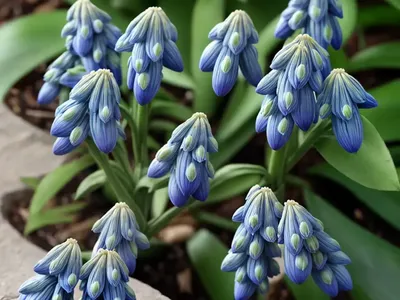
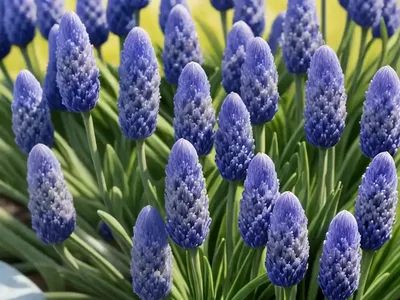
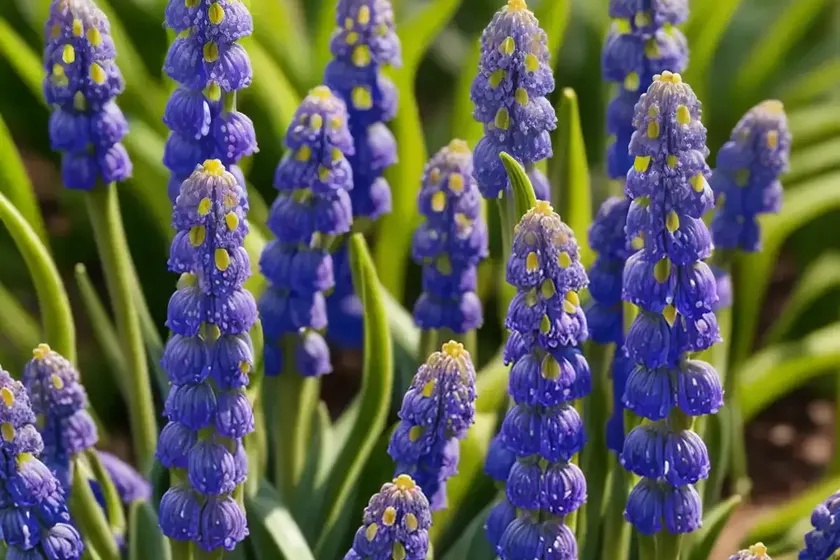
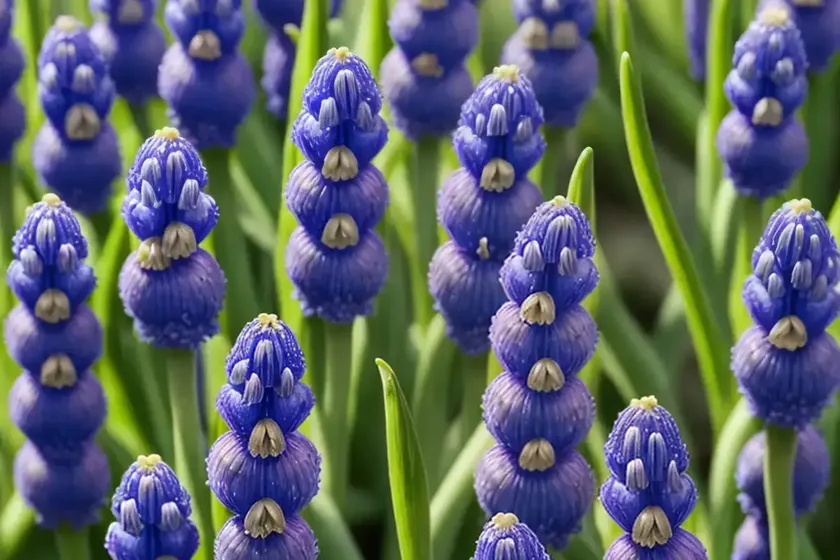
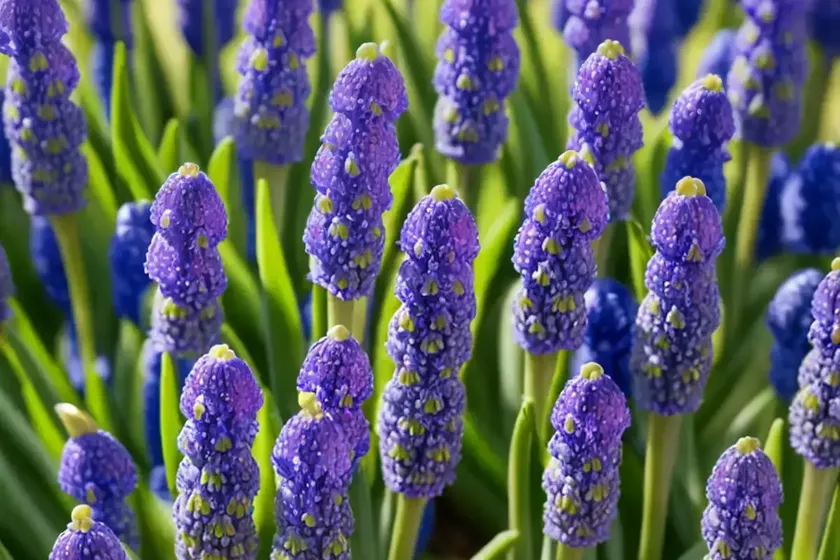
The grape hyacinth is recognized for its unique flower clusters that resemble miniature grapes, which inspired its common name. The ‘Golden Fragrance’ variety particularly stands out due to its golden-yellow flowers and delicate fragrance, adding an intriguing element to garden landscapes.
Plant Structure and Morphology
The plant typically grows to a height of 6 to 10 inches, with narrow, strap-like leaves that emerge from the base and surround the flower spikes. The flower spikes themselves consist of densely packed, bell-shaped florets, creating a visually striking display.
Cultivation
Now, let’s explore the essential factors involved in successfully cultivating and nurturing Muscari macrocarpum ‘Golden Fragrance’.
Water
Water Requirements: Muscari macrocarpum ‘Golden Fragrance’ thrives in moderately moist soil, making regular watering crucial, especially during dry periods. Adequate moisture is essential for supporting healthy growth, flowering, and overall vigor.
Sunlight
Sunlight Needs: Grape hyacinths prefer full to partial sunlight, requiring at least 6 hours of direct sunlight each day for optimal growth and flowering. In locations with intense sunlight and high temperatures, providing partial shade during the hottest part of the day can be beneficial.
Soil
Soil Requirements: Well-draining soil is imperative for grape hyacinths, as waterlogged conditions can lead to root rot and other issues. A loamy, fertile soil with a slightly acidic to neutral pH provides the ideal growing medium. Incorporating organic matter, such as compost, into the soil can enhance its structure and nutrient content, promoting healthier plant development.
Fertilizer
Fertilization: Applying a balanced, all-purpose fertilizer in early spring before the onset of active growth can support Muscari macrocarpum ‘Golden Fragrance’ through the growing season. Furthermore, a light top-dressing of compost or organic mulch can help maintain soil moisture and nourish the plant.
Pruning
Pruning plays a vital role in maintaining the health and appearance of Muscari macrocarpum ‘Golden Fragrance’ plants.
Removal of Faded Flowers
As the blooms start to fade, deadheading or removing the spent flowers prevents seed formation and encourages the plant to redirect its energy into further growth and blooming. This practice can also prevent self-seeding and invasiveness in certain environments.
Trimming Foliage
Once the foliage begins to yellow and wither after flowering, it can be trimmed back to ground level. This helps tidy up the plant’s appearance and allows for the energy focus to shift towards bulb development and storage for the next growing season.
Propagation
Grape hyacinths can be propagated through various methods, including division, offsets, and seed sowing.
Division
In early autumn, mature clumps of Muscari macrocarpum ‘Golden Fragrance’ can be carefully dug up and divided into smaller sections, each containing bulbs and adequate root systems. These divisions can then be replanted at the desired locations, allowing them to establish before the arrival of winter.
Offsets
As the plant matures, it produces offsets or smaller bulbs adjacent to the main bulb. These offsets can be carefully separated and planted separately to create new plants, each with the potential to develop into full-fledged grape hyacinths.
Seed Sowing
Collecting and sowing ripe grape hyacinth seeds is another viable method of propagation. Sow the seeds in well-draining soil during the fall, ensuring good soil contact and moderate moisture to facilitate germination. Over time, the seeds will sprout and develop into young plants, eventually blooming in their second or third year.
Container Gardening
Muscari macrocarpum ‘Golden Fragrance’ can thrive in containers, adding a burst of color and fragrance to outdoor spaces, patios, and balconies.
Pot Selection
When choosing a container for grape hyacinths, opt for a spacious pot with adequate drainage holes to prevent waterlogging. The size of the container should accommodate the bulbs with some room for growth and expansion, fostering healthy root development.
Soil and Planting
Fill the container with well-draining potting mix, preferably a blend designed for bulbs or general container gardening. Plant the grape hyacinth bulbs at the appropriate depth, ensuring they are not excessively crowded within the container.
Maintenance
Regular watering, adequate sunlight exposure, and occasional fertilization are essential for container-grown grape hyacinths. Additionally, monitoring the moisture levels in the soil and providing protection from extreme weather conditions contribute to the overall well-being of the plants.
Popularity
Grape hyacinths, particularly the ‘Golden Fragrance’ variety, have garnered attention and admiration from gardening enthusiasts and landscape designers.
Ornamental Value
The charming appearance and captivating fragrance of Muscari macrocarpum ‘Golden Fragrance’ make it a sought-after addition to garden landscapes, contributing to the visual appeal and olfactory experience.
Versatility
Grape hyacinths are versatile plants, suitable for various landscaping applications, from mass plantings and borders to container displays. The flexibility and adaptability of these plants make them valuable assets in enhancing outdoor spaces.
Naturalizing Effect
In certain settings, grape hyacinths exhibit naturalizing tendencies, forming expansive colonies over time. This naturalizing effect, characterized by the multiplication and spread of the plants, creates captivating displays, particularly in meadows, woodlands, and informal garden settings.
Common Diseases and Pests
While grape hyacinths are relatively resilient, they can still be susceptible to certain diseases and pests.
Disease Diagnosis
Botrytis: This fungal disease, also known as gray mold, can manifest as grayish-brown spots on the foliage and flowers, often accompanied by a fuzzy mold growth. Maintaining good air circulation and preventing prolonged leaf wetness can help mitigate the risk of botrytis.
Basal Rot: Caused by fungal pathogens, basal rot affects the bulbs and lower parts of the plant, leading to rotting and decline. Well-draining soil and proper bulb storage can minimize the likelihood of basal rot.
Common Pests
Bulb Mites: These tiny pests can infest grape hyacinth bulbs, causing damage and compromising their vitality. Inspecting bulbs before planting and ensuring proper hygiene and storage practices can prevent infestations.
Snails and Slugs: These voracious feeders can target the foliage and flowers of grape hyacinths, leaving behind unsightly damage. Implementing physical barriers and employing natural repellents can help protect the plants from these pests.
Botanist’s Tips
As a plant scientist, I recommend the following tips for growing and caring for Muscari macrocarpum ‘Golden Fragrance’:
-
Provide Adequate Drainage: Ensuring proper drainage in the soil and containers is essential for preventing waterlogged conditions, which can harm the plant’s roots.
-
Monitor Moisture Levels: Regularly check the moisture levels in the soil to avoid both underwatering and overwatering, finding the right balance for healthy growth.
-
Protect from Extreme Cold: Although grape hyacinths are generally cold-hardy, providing winter mulching in regions with harsh winters can offer additional protection.
-
Promote Naturalization: If desired, allow grape hyacinths to naturalize and spread in suitable areas to create enchanting displays over time.
Fun Facts
Here are some intriguing and lesser-known facts about Muscari macrocarpum ‘Golden Fragrance’:
-
The distinctive scent of grape hyacinths is often likened to that of sweet musk or honey, attracting pollinators and human admirers alike.
-
In certain cultures and traditions, grape hyacinths are associated with symbolism and meanings, often representing rebirth, sincerity, and appreciation.
-
While the ‘Golden Fragrance’ variety boasts golden-yellow flowers, grape hyacinths are available in an array of colors, including shades of blue, purple, and white.
Links to External Resources
For further information on Muscari macrocarpum ‘Golden Fragrance’ (Grape Hyacinth), I recommend exploring the following external resources:
- Royal Horticultural Society – Muscari
- University of Maryland Extension – Growing Spring-Flowering Bulbs
- Missouri Botanical Garden – Muscari
- North Carolina State University – Bulbs and Beyond
- American Horticultural Society – Online Gardening Resources
Through these resources, you can delve deeper into the world of grape hyacinths, exploring insights from esteemed horticultural organizations and university extensions.
In conclusion, Muscari macrocarpum ‘Golden Fragrance’ (Grape Hyacinth) presents a captivating blend of beauty and fragrance, enriching garden landscapes and container displays with its golden-hued blooms and delightful scent. By following the recommended cultivation practices and insights shared in this guide, you can nurture and appreciate the charm of this perennial gem, creating vibrant and aromatic outdoor spaces.