Muscari Latifolium (Grape Hyacinth)
Plants are such an essential part of our lives, providing us with oxygen, food, and beautiful landscapes. Among the myriad of plant species, Muscari.
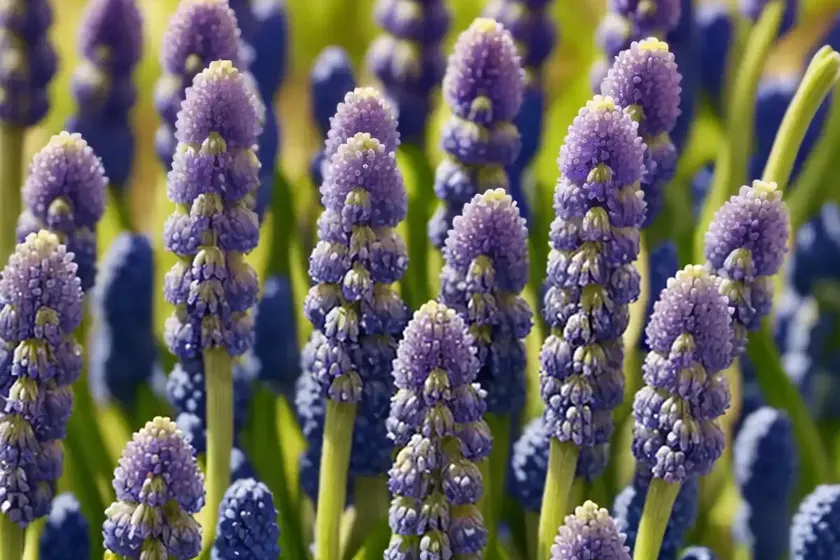
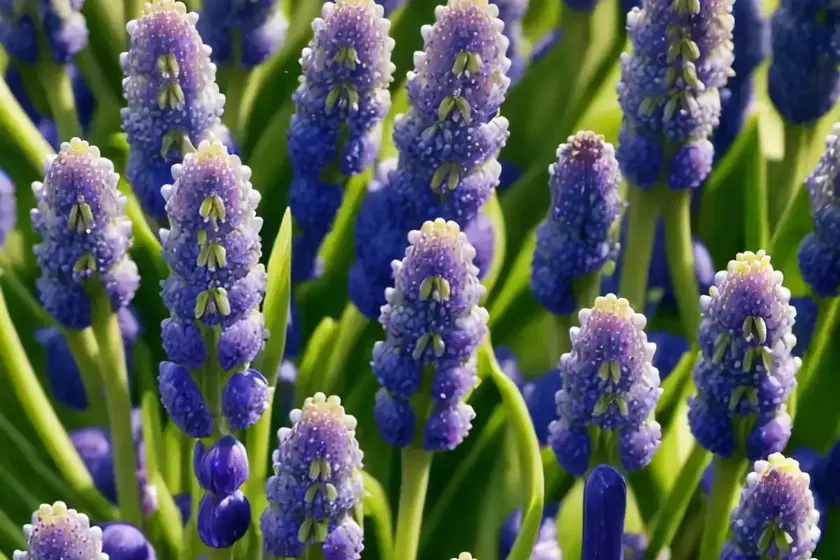
Plants are such an essential part of our lives, providing us with oxygen, food, and beautiful landscapes. Among the myriad of plant species, Muscari latifolium, commonly known as Grape Hyacinth, stands out for its charming appearance and ease of cultivation. In this comprehensive guide, we will dive into the world of Muscari latifolium and explore its cultivation, care tips, uses, and more.
What is Muscari latifolium?
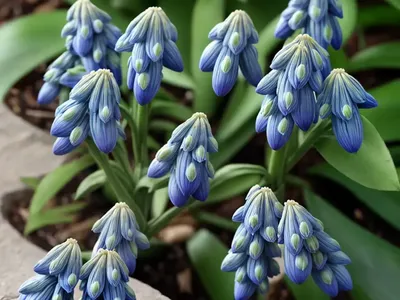
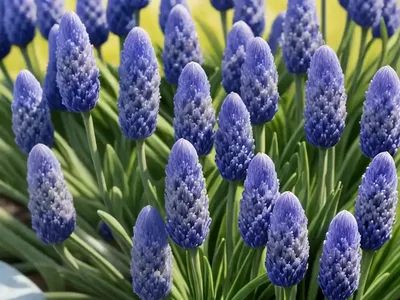
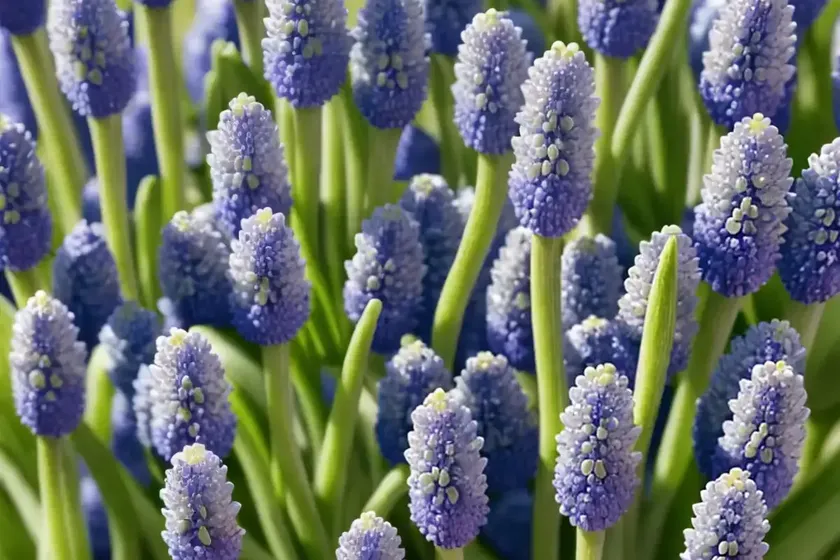
Muscari latifolium is a species of flowering plant in the Asparagaceae family, native to southeastern Europe, Turkey, and the Caucasus. It is a bulbous perennial that produces densely packed, grape-like clusters of flowers, giving rise to its common name, Grape Hyacinth. The plant’s vibrant blooms and deer-resistant nature make it a popular choice for gardeners looking to add a touch of color and elegance to their landscapes.
Muscari latifolium Characteristics
| Characteristic | Description |
|---|---|
| Plant Type | Bulbous perennial |
| Flower Color | Deep blue with a white stripe |
| Bloom Time | Early to mid-spring |
| Height | 6-8 inches |
| Light Requirements | Full sun to partial shade |
| Water Needs | Moderate |
| Deer Resistance | High |
| Hardiness Zones | 3-9 |
Grape Hyacinth is cherished for its compact growth habit, making it an excellent choice for borders, rock gardens, and naturalizing in lawns.
Key Takeaways – Muscari latifolium (Grape Hyacinth)
Muscari latifolium, with its striking appearance and low-maintenance nature, has become a favorite among gardeners. Let’s delve into the key takeaways that will guide us through the cultivation, care, and uses of this enchanting plant.
Culture
- Climate: Grape Hyacinth thrives in temperate climates and is well-suited to USDA hardiness zones 3-9.
- Soil: Well-draining soil is essential for the successful cultivation of Muscari latifolium.
- Planting: Bulbs should be planted at a depth of 3-4 inches and spaced 2-3 inches apart.
Uses
- Garden Borders: Muscari latifolium adds a pop of color to garden borders, creating a vibrant and welcoming atmosphere.
- Naturalizing: The naturalizing ability of Grape Hyacinth makes it an ideal choice for creating stunning carpets of blue in lawns and woodland areas.
- Cut Flowers: The flowers of Muscari latifolium are a delightful addition to floral arrangements, bringing the beauty of the outdoors inside.
Water
- Watering Frequency: Grape Hyacinth requires moderate watering, and care should be taken to avoid waterlogged conditions that can lead to bulb rot.
- Drought Tolerance: Once established, Muscari latifolium displays good drought tolerance, making it suitable for low-water landscapes and xeriscaping.
Sunlight
- Light Requirements: While Grape Hyacinth thrives in full sun, it can also tolerate partial shade, giving gardeners flexibility in its placement within the landscape.
Fertilizer
- Fertilization Schedule: A balanced, all-purpose fertilizer can be applied in early spring to support healthy growth and abundant blooms.
- Caution: Care should be taken not to over-fertilize, as this can lead to excessive foliage growth at the expense of flowers.
Soil
- Preferred Soil Type: Muscari latifolium prefers well-draining soil with a slightly acidic to neutral pH.
- Soil Amendment: Adding organic matter, such as compost, can enhance soil quality and provide essential nutrients for the plant’s growth.
Pruning
- Deadheading: Regular deadheading of spent blooms can prolong the flowering period and prevent self-seeding.
- Post-Bloom Care: After the flowers have faded, the foliage should be allowed to yellow and wither naturally to allow the bulbs to store energy for the next growing season.
Propagation
- Division: Grape Hyacinth can be propagated through bulb division in the fall, allowing gardeners to expand their planting or share the beauty of this plant with others.
- Seed Propagation: While possible, seed propagation is less common due to the time required for the plants to reach flowering maturity.
Container Popularity
- Container Planting: Muscari latifolium is well-suited to container gardening, allowing individuals with limited space to enjoy its beauty on patios, balconies, and other confined areas.
- Varietal Selection: Compact varieties of Grape Hyacinth are particularly well-suited for container culture, adding a burst of color to small outdoor spaces.
Common Diseases
- Fungal Diseases: Grape Hyacinth can be susceptible to fungal diseases such as gray mold (Botrytis cinerea) and bulb rot, especially in poorly drained soil or during periods of excessive moisture.
- Preventive Measures: Proper planting depth, well-draining soil, and good air circulation can help prevent the onset of fungal diseases.
Disease Diagnosis
- Symptoms: Fungal diseases may manifest as discolored, water-soaked areas on the foliage or bulbs, as well as a noticeable decline in the plant’s overall vigor and health.
- Consultation: If symptoms of disease are observed, it is advisable to consult with local agricultural extension services or plant health professionals for accurate diagnosis and treatment recommendations.
Common Pests
- Rodent Damage: In some regions, rodents may consume Muscari latifolium bulbs, and protective measures such as wire mesh or bulb repellents may be necessary.
- Deer and Rabbit Damage: The deer-resistant nature of Grape Hyacinth makes it a valuable choice in landscapes where deer and rabbit browsing can be a concern.
Botanist’s Tips
- Companion Planting: Pair Grape Hyacinth with early-blooming perennials such as daffodils and tulips to create visually stunning spring displays.
- Naturalization: Muscari latifolium can be left undisturbed to multiply and create breathtaking drifts of color in naturalized settings.
- Pollinator Support: The flowers of Grape Hyacinth are a magnet for pollinators, providing essential nectar and pollen for bees and other beneficial insects.
Fun Facts
- The common name “Hyacinth” is derived from a figure in Greek mythology, Hyacinthus, and the story surrounding his transformation into a flower.
- Muscari latifolium is often used in traditional Persian New Year celebrations, symbolizing rebirth and the arrival of spring.
Links to External Resources
For further exploration of Muscari latifolium and its cultivation, the following external resources provide valuable insights and information:
- Royal Horticultural Society – Muscari latifolium
- The Old Farmer’s Almanac – How to Grow Muscari and Grape Hyacinths
- North Carolina State University Extension – Muscari spp.: Grape Hyacinths for Southern Gardens
With their enchanting blooms and low-maintenance nature, Muscari latifolium, or Grape Hyacinth, embodies the beauty and resilience of spring. Whether naturalized in a woodland setting or showcased in containers, this charming plant captivates the hearts of gardeners and nature enthusiasts alike.
In conclusion, the allure of Muscari latifolium extends far beyond its captivating appearance, offering pollinator support, landscape versatility, and cultural significance. As we continue to appreciate the myriad wonders of the plant kingdom, it is clear that Grape Hyacinth holds a special place in the hearts and gardens of many.