Muscari ‘Baby’s Breath’ (Grape Hyacinth): A Complete Guide
Plants have always fascinated people with their beauty and diversity. Muscari ‘Baby’s Breath’, also known as Grape Hyacinth, is a charming and diminutive spring-blooming bulb that is a favorite for rock gardens, borders, and woodland settings. In this comprehensive guide, we will explore all aspects of this lovely plant, from its cultural requirements to its uses, maintenance, and fun facts. By the end of this article, you will have a deep understanding of Muscari ‘Baby’s Breath’ and be equipped to grow and care for it successfully in your garden.
What is Muscari ‘Baby’s Breath’ (Grape Hyacinth)?
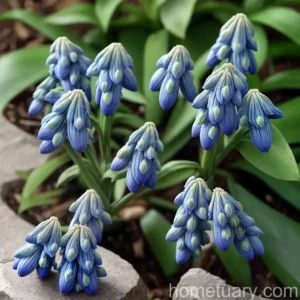
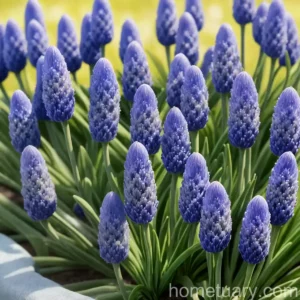
Muscari ‘Baby’s Breath’, commonly referred to as Grape Hyacinth, is a species of flowering plant in the Asparagaceae family. It is native to the Mediterranean region and Asia Minor, where it can be found growing in grasslands, woodlands, and meadows. The plant is prized for its clusters of small, bell-shaped flowers that resemble miniature grapes, hence the name “Grape Hyacinth.”
The botanical name for Grape Hyacinth is Muscari, derived from the Greek word “moschos,” meaning musk. This name reflects the subtle, sweet fragrance emitted by the flowers, reminiscent of musk or hyacinth. The common name “Baby’s Breath” is a nod to the delicate, airy appearance of the flower clusters, evoking the image of a baby’s gentle breath.
Key Takeaways – Muscari ‘Baby’s Breath’ (Grape Hyacinth)
Before delving into the specifics of cultivating and caring for Muscari ‘Baby’s Breath’, let’s highlight the key takeaways for this delightful plant. This will provide an overview of the essential points to consider when incorporating Grape Hyacinth into your gardening endeavors.
Muscari ‘Baby’s Breath’ (Grape Hyacinth)
- Botanical Name: Muscari
- Common Name: Baby’s Breath, Grape Hyacinth
- Family: Asparagaceae
- Native Habitat: Mediterranean region and Asia Minor
- Plant Type: Bulbous flowering plant
- Blooming Season: Spring
- Fragrance: Subtle, sweet musk-like scent
- Flower Appearance: Small, bell-shaped, clustered in grape-like spikes
Now that we have an introduction to Muscari ‘Baby’s Breath’, let’s explore the cultural requirements, uses, maintenance, and interesting aspects of this captivating plant.
Culture
Understanding the cultural requirements of Muscari ‘Baby’s Breath’ is vital for creating an environment where it can thrive. From soil preferences to watering needs, here’s what you need to know about cultivating this charming bulb.
Soil
Grape Hyacinth thrives in well-drained soil with a slightly alkaline to neutral pH. It prefers loamy or sandy soil that is rich in organic matter. When planting Grape Hyacinth bulbs, ensure that the soil allows excess water to drain away easily to prevent waterlogging, which can lead to bulb rot.
Water
While Grape Hyacinth is relatively drought-tolerant once established, it benefits from consistent moisture during its active growth period in spring. Water the plants when the soil appears dry, but avoid overwatering, especially during the dormant summer period. Mulching around the plants can help conserve soil moisture and maintain a more consistent soil temperature.
Sunlight
Grape Hyacinth thrives in full sunlight to partial shade. It can adapt to a range of light conditions, making it a versatile choice for various garden settings. In regions with hot summers, providing some afternoon shade can help prevent the bulbs from becoming too stressed.
Fertilizer
Muscari ‘Baby’s Breath’ does not have high fertilizer requirements. A light application of a balanced fertilizer in early spring as the plants emerge from the soil is generally sufficient. Avoid fertilizers high in nitrogen, as this can promote lush foliage at the expense of flower production.
Uses
Grape Hyacinth is a versatile plant with various uses in garden settings and beyond. Understanding its potential applications can inspire creative ways to incorporate it into your landscape.
Garden Planting
In the garden, Grape Hyacinth is prized for its ability to naturalize and multiply over time. It can be planted in borders, rock gardens, woodland settings, and mixed with early spring-blooming perennials for a delightful display of color and texture.
Cut Flowers
The dainty flower spikes of Grape Hyacinth make charming additions to spring floral arrangements. They can be combined with other spring blooms or used on their own to create delicate and fragrant bouquets.
Container Gardening
Grape Hyacinth is well-suited to container gardening, adding bursts of color and fragrance to patio areas, balconies, and other outdoor spaces. When planting in containers, ensure the soil is well-drained, and the bulbs are not sitting in water to prevent rot.
Wildlife Attraction
The flowers of Muscari ‘Baby’s Breath’ are known to attract pollinators such as bees and butterflies, making it a valuable addition to wildlife-friendly garden designs. By providing a nectar source early in the season, Grape Hyacinth can support beneficial insects and contribute to overall garden biodiversity.
Pruning
Pruning Grape Hyacinth is relatively straightforward and primarily involves deadheading the spent flowers to prevent the plant from directing energy into seed production. This encourages the bulbs to store energy for the following year’s growth and flowering.
After the flowers have faded and the foliage begins to yellow and wither, the plants can be tidied up by gently removing the yellowing leaves. However, it is essential to allow the foliage to remain in place until it has completely died back, as this ensures that the bulbs receive the energy they need for the next growing season.
Propagation
Grape Hyacinth can be propagated through several methods, including division, offsets, and seed. The most common and reliable method of propagation is by dividing established clumps of bulbs. This is typically done in late summer to early autumn when the bulbs are dormant.
To divide the bulbs, carefully lift the clumps from the ground and gently separate the individual bulbs. Replant the bulbs at the appropriate depth and spacing, ensuring that they receive adequate moisture to establish themselves in their new location.
Container Popularity
The compact size and charming appearance of Grape Hyacinth make it a popular choice for container gardening. Whether grown in individual pots or combined with other spring-blooming bulbs, it adds a captivating touch to container displays. When selecting containers for Grape Hyacinth, opt for those with adequate drainage to prevent waterlogged soil.
Container Common Diseases
While generally resistant to most diseases and pests, Grape Hyacinth can occasionally be affected by fungal diseases such as botrytis and rust. These diseases are often more prevalent in conditions of high humidity or poor air circulation. Proper cultural practices, such as maintaining good soil drainage and allowing for adequate air movement around the plants, can help prevent disease issues.
Disease diagnosis
When diagnosing diseases on Grape Hyacinth, it is essential to look for characteristic symptoms such as discolored or distorted foliage, spots on the leaves, or abnormal growth patterns. Pay attention to environmental conditions and plant care practices, as addressing any underlying stress factors can aid in disease management and prevention.
Common pests
Grape Hyacinth is relatively resistant to pest infestations. However, it can occasionally attract aphids, slugs, and snails. Regular monitoring of the plants and the use of physical or biological controls can help manage pest populations without the need for harsh chemical interventions.
Botanist’s tips
As a plant scientist or botanist, it is essential to appreciate the unique characteristics and growing requirements of Grape Hyacinth. Here are some tips to consider when cultivating and studying this captivating plant:
Observation and Documentation
Closely observe the growth habits and blooming patterns of Grape Hyacinth in various environmental conditions. Documenting these observations can contribute to a greater understanding of the plant’s adaptability and response to different cultural factors.
Genetic Diversity
Exploring the genetic diversity within the Muscari genus can provide insights into the range of flower colors, sizes, and fragrance profiles present in different species and cultivars. This exploration of diversity is invaluable for breeding and conservation efforts.
Conservation
Given that some Muscari species are endemic to specific regions and may face threats in their natural habitats, conservation efforts are crucial for preserving the genetic diversity of these plants. By studying and understanding the environmental requirements of Grape Hyacinth, botanists can contribute to conservation initiatives aimed at protecting this species and its relatives.
Fun facts
To add a touch of intrigue and fascination to the topic, including fun facts about Grape Hyacinth can engage and captivate readers. Here are some delightful and intriguing facts about this charming plant:
- Grape Hyacinth (Muscari species) belong to the Asparagus family, Asparagaceae, and are not true hyacinths despite their common name.
- The flowers of Grape Hyacinth are edible and can be used to garnish salads and desserts, adding a unique touch to culinary creations.
- In the language of flowers, Grape Hyacinth symbolizes sincerity and constancy, making it a meaningful choice for floral expressions.
- Grape Hyacinth bulbs contain natural compounds that may have medicinal properties, with historical uses in herbal medicine for various ailments.
Links to External Resources
For further exploration of Muscari ‘Baby’s Breath’ (Grape Hyacinth) and related topics, the following external resources provide valuable information and insights:
- Royal Horticultural Society – Muscari
- University of Minnesota Extension – Growing Bulbs in Containers
- American Society for the Prevention of Cruelty to Animals (ASPCA) – Toxic and Non-Toxic Plants: Grape Hyacinth
In conclusion, Muscari ‘Baby’s Breath’ (Grape Hyacinth) is a captivating and versatile plant that enchants gardeners, flower enthusiasts, and botanists alike. With its delicate appearance, sweet fragrance, and ability to naturalize, it offers an array of possibilities for garden design and enjoyment. By understanding its cultural needs, uses, maintenance, and interesting attributes, we can fully appreciate the beauty and value of this exquisite spring-blooming bulb. Whether planted in garden beds, containers, or used in floral arrangements, Grape Hyacinth brings a touch of elegance and whimsy to the garden landscape, making it a beloved addition to any plant lover’s collection.