Muscari Azureum (Grape Hyacinth)
Welcome to another exciting blog post, where we delve into the fascinating world of plants. Today, we will be focusing on the Muscari azureum, more.
Welcome to another exciting blog post, where we delve into the fascinating world of plants. Today, we will be focusing on the Muscari azureum, more commonly known as the Grape Hyacinth. This delightful and enchanting spring bulb is a favorite of many gardeners due to its striking appearance and ease of cultivation.
In this comprehensive guide, we will explore everything there is to know about Muscari azureum, from its cultural requirements to its uses, and even its propagation. So, whether you’re an experienced gardener or a novice plant enthusiast, there’s something for everyone in this blog post.
Let’s jump right in and discover the beauty and allure of the Muscari azureum!
What is Muscari azureum (Grape Hyacinth)?
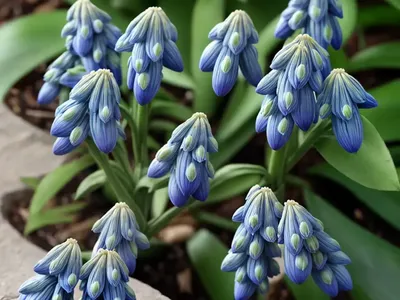
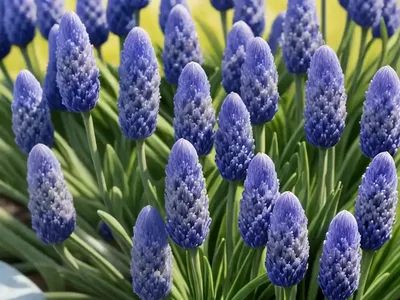
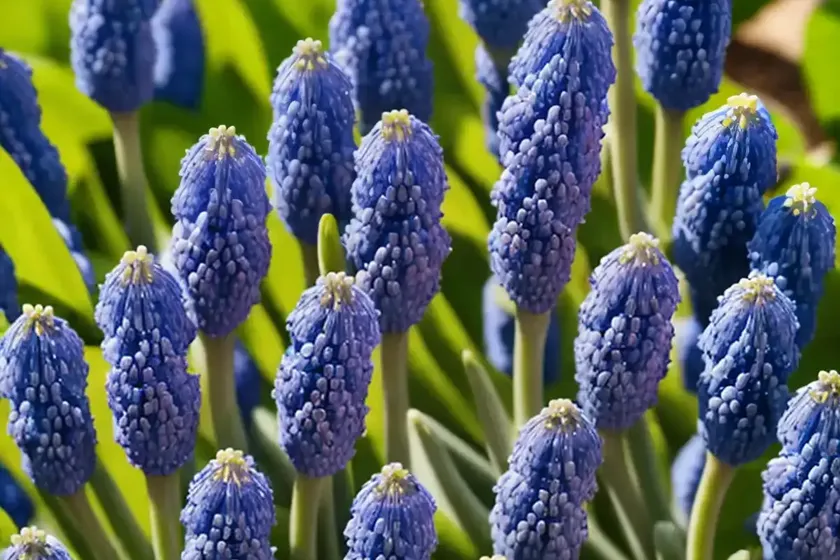
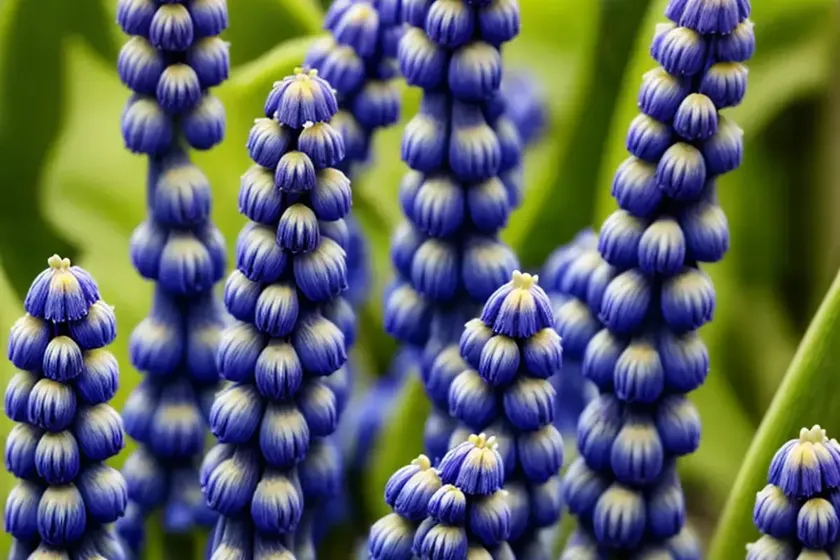
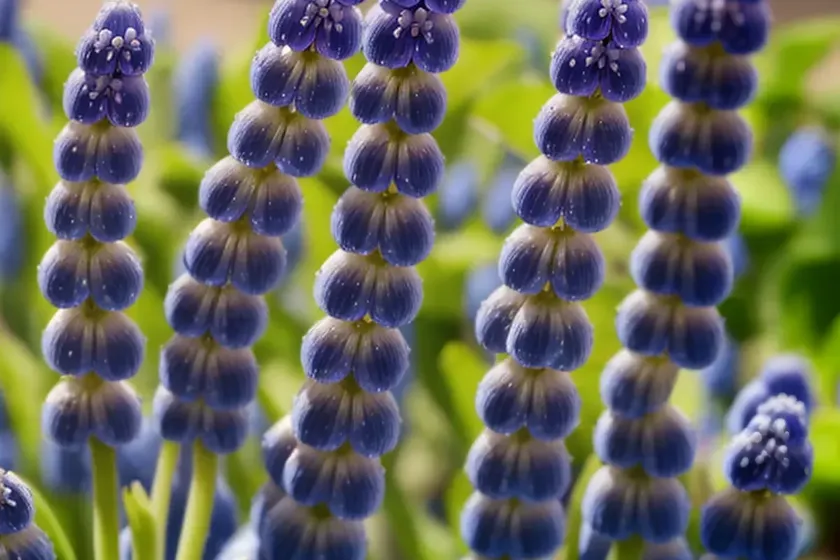
Muscari azureum, commonly known as Grape Hyacinth, is a charming perennial bulb that belongs to the Asparagaceae family. Native to the Mediterranean region, this plant is known for its striking clusters of small, bell-shaped flowers that closely resemble tiny clusters of grapes. The plant’s vivid blue flowers emerge in tightly packed spikes, creating a visually stunning display in gardens and landscapes.
With its distinctive beauty and easy-to-grow nature, Muscari azureum has become a popular choice for gardeners looking to add vibrant splashes of color to their spring landscapes. The plant’s compact size and graceful appearance make it an ideal addition to borders, rock gardens, and woodland settings. Additionally, its ability to naturalize and multiply over time further enhances its appeal as a low-maintenance ornamental plant.
Now that we’ve covered the basics, let’s delve deeper into the various aspects of Muscari azureum, including its culture, uses, and maintenance requirements.
Key Takeaways – Muscari azureum (Grape Hyacinth)
Before we explore the intricate details of caring for Muscari azureum, let’s take a moment to summarize the key takeaways about this delightful spring bulb:
- Common Name: Grape Hyacinth
- Botanical Name: Muscari azureum
- Plant Type: Perennial bulb
- Flower Color: Vivid blue
- Sunlight: Full sun to partial shade
- Watering: Moderate
- Soil Type: Well-draining, fertile soil
- USDA Hardiness Zones: 3-9
- Uses: Borders, rock gardens, containers, naturalizing, cut flowers
- Maintenance: Low
- Special Features: Wildlife habitat, fragrant blooms, early spring flowering
Now that we’ve familiarized ourselves with the essential details, let’s dive into the specifics of cultivating and caring for Muscari azureum.
Culture
Cultivating Muscari azureum is a rewarding experience, thanks to the plant’s undemanding nature and stunning floral display. Whether you’re a seasoned gardener or a beginner, understanding the cultural requirements of Grape Hyacinths is crucial for ensuring their optimal growth and flowering.
Uses
Muscari azureum offers a myriad of uses in garden settings, making it a versatile and valuable addition to any landscape. Here are some common uses of Grape Hyacinths:
- Borders: Planting Muscari azureum along garden borders adds a delightful pop of color and textural interest, especially when paired with other spring-blooming perennials or bulbs.
- Rock Gardens: The compact size and visually appealing flowers of Muscari azureum make it an excellent choice for rock gardens, where it can thrive in well-draining soil and full sun.
- Containers: Due to their petite stature and striking blooms, Grape Hyacinths are well-suited for container gardening, allowing individuals with limited garden space to enjoy their beauty on patios, balconies, or other outdoor areas.
- Naturalizing: One of the most notable features of Muscari azureum is its naturalizing ability, where the bulbs multiply and spread over time, creating captivating displays in grassy areas, under trees, or in open meadows.
- Cut Flowers: The lovely blooms of Grape Hyacinths make them an excellent choice for cut flower arrangements, adding a touch of elegance and freshness to indoor floral displays.
Water
Proper watering is essential for the healthy growth and flowering of Muscari azureum. While these plants are relatively tolerant of varying moisture levels, it’s essential to adhere to the following guidelines:
- Establishment: During the initial planting and establishment phase, ensure that the soil remains consistently moist but not waterlogged. Adequate moisture is critical for promoting strong root development.
- Established Plants: Once Grape Hyacinths are established, they typically require moderate watering, especially during dry periods. Water the plants when the soil feels dry to the touch, providing enough moisture to penetrate the root zone.
- Container-Grown Plants: If growing Muscari azureum in containers, check the moisture levels regularly and water the plants whenever the top inch of the soil becomes dry. Containers may require more frequent watering, as they tend to dry out quicker than garden soil.
- Avoid Overwatering: While Muscari azureum appreciates consistent moisture, it is crucial to avoid overwatering, which can lead to root rot and other moisture-related issues. Ensure that the soil has adequate drainage to prevent waterlogged conditions.
Sunlight
Grape Hyacinths thrive in locations that receive ample sunlight, although they can also tolerate partial shade. Here are some essential points to consider regarding sunlight requirements for Muscari azureum:
- Full Sun: Plant Muscari azureum in areas that receive at least 6-8 hours of direct sunlight per day. Full sun exposure promotes robust growth and abundant flowering, allowing the plants to reach their full ornamental potential.
- Partial Shade: While Grape Hyacinths prefer full sun, they can also tolerate partial shade, especially in regions with intense afternoon sun or during extremely hot summer months. Partial shade can help prevent excessive drying of the soil and minimize stress on the plants.
Fertilizer
Applying a balanced fertilizer can help nourish Muscari azureum and support healthy growth and flowering. Follow these guidelines for fertilizing Grape Hyacinths:
- Early Spring: In early spring, as new growth emerges, apply a slow-release, balanced fertilizer with a nutrient ratio of 10-10-10 or similar. Lightly work the fertilizer into the soil around the plants, ensuring that it is evenly distributed.
- Moderate Application: Avoid over-fertilizing Muscari azureum, as excessive nutrients can lead to lush foliage at the expense of flowering. A single annual application of fertilizer in early spring is generally sufficient for maintaining healthy plants.
- Container Plants: If growing Grape Hyacinths in containers, use a liquid, water-soluble fertilizer diluted to half strength every 4-6 weeks during the growing season. Container-grown plants may benefit from more frequent, diluted applications to support their growth.
Soil
Well-draining, fertile soil is paramount for the successful cultivation of Muscari azureum. Proper soil preparation and maintenance can significantly impact the plant’s overall health and performance. Consider the following soil-related guidelines:
- Well-Draining Soil: Plant Muscari azureum in soil that provides good drainage, as waterlogged conditions can lead to root rot and other problems. If the native soil is heavy and compacted, amend it with organic matter, such as compost or aged manure, to improve its drainage and aeration.
- Soil pH: Grape Hyacinths prefer slightly acidic to neutral soil pH, ranging from 6.0 to 7.0. Conduct a soil test to determine the pH of the planting area, and amend the soil as needed to achieve the optimal pH level for the plants.
- Soil Moisture: While well-draining soil is essential, it’s also vital to maintain adequate soil moisture, especially during the active growing season. Mulching around the plants can help conserve soil moisture and regulate soil temperature.
Pruning
Pruning requirements for Muscari azureum are minimal, as the plants generally maintain an attractive appearance with minimal intervention. However, a few simple pruning practices can help keep the plants tidy and promote better growth and flowering:
- Faded Blooms: As the flowers of Grape Hyacinths fade and wither, remove the spent flower spikes to prevent seed formation. Deadheading the plants not only improves their appearance but also redirects their energy into bulb development for the following year’s blooms.
- Foliage Clean-Up: After the flowers have finished blooming, allow the foliage of Muscari azureum to persist until it naturally yellows and withers. The leaves continue to photosynthesize and replenish the bulbs with energy for the next growing season. Once the foliage has turned yellow, it can be gently removed from the plants.
Propagation
Propagating Muscari azureum is relatively straightforward and can be accomplished through various methods, including division and seed propagation. Here’s an overview of the primary propagation techniques for Grape Hyacinths:
- Division: Over time, the bulbs of Muscari azureum multiply and form clumps. Lift and divide overcrowded clumps of bulbs every 3-5 years to prevent overcrowding and maintain the vigor of the plants. Replant the divided bulbs at the appropriate spacing and depth.
- Seed Propagation: While Grape Hyacinths can be propagated from seed, this method is less commonly practiced due to its slow and somewhat unpredictable nature. Collect and sow fresh seeds in well-prepared seedbeds or containers, providing adequate moisture and warmth for germination.
Container Popularity
The compact size and striking blooms of Muscari azureum make it a popular choice for container gardening. Whether grown individually or combined with other spring-blooming bulbs and perennials, Grape Hyacinths can thrive in containers and enhance outdoor spaces with their vibrant colors and fragrant blooms.
Consider the following factors for successfully growing Muscari azureum in containers:
- Container Selection: Choose well-draining containers with drainage holes to prevent waterlogging. Select containers that are appropriately sized to accommodate the mature size of the plants and allow for sufficient root development.
- Growing Medium: Use a high-quality, well-draining potting mix to fill the containers, ensuring that it provides adequate aeration and moisture retention for the plants. Incorporate a slow-release fertilizer into the potting mix at the time of planting.
- Watering and Maintenance: Container-grown Grape Hyacinths may require more frequent watering than those planted in the ground, as containers tend to dry out quicker. Monitor the moisture levels regularly and water the plants when the top inch of the soil becomes dry.
- Overwintering: In regions with cold winters, protect container-grown Muscari azureum from extreme freezing temperatures by moving the containers to a sheltered location or providing insulation around the pots. Mulching the soil surface can help regulate soil temperature and protect the bulbs during winter.
Common Diseases
While Muscari azureum is generally resistant to most common diseases and pests, it is essential to be vigilant and proactive in maintaining optimal growing conditions to prevent potential issues. Here are some common diseases that may affect Grape Hyacinths:
- Botrytis Blight: Also known as gray mold, botrytis blight can affect the foliage and flowers of Muscari azureum, causing spots, browning, and decay. Provide adequate air circulation around the plants and avoid overhead watering to minimize the risk of botrytis blight.
- Bulb Rot: Prolonged periods of excessively wet soil can lead to bulb rot in Grape Hyacinths, resulting in the decay of the bulbs. Plant Muscari azureum in well-draining soil and avoid overwatering to prevent bulb rot and related issues.
- Pest Damage: While not a disease, pests such as rodents and certain insects may occasionally damage the bulbs or foliage of Grape Hyacinths. Implement effective pest control measures to protect the plants from potential infestations.
Disease Diagnosis
Diagnosing and addressing potential diseases in Muscari azureum is essential for maintaining the health and vigor of the plants. Here are some key points to consider when diagnosing potential diseases:
- Symptom Recognition: Familiarize yourself with the common symptoms of diseases that may affect Grape Hyacinths, such as spots, discoloration, wilting, or abnormal growth patterns.
- Environmental Conditions: Assess the environmental conditions in which the plants are growing, including soil moisture, air circulation, and sunlight exposure. Environmental stressors can contribute to increased susceptibility to diseases.
- Consultation: If you suspect that your Muscari azureum plants are affected by a disease, seek guidance from local horticultural experts, extension services, or reputable gardening resources to accurately diagnose the issue and determine appropriate treatment strategies.
Common Pests
While Grape Hyacinths are relatively resistant to most pests, there are a few common insects and rodents that may pose a threat to the plants. Understanding the potential pests and implementing suitable control measures can help safeguard Muscari azureum from infestations. Here are some common pests that may affect Grape Hyacinths:
- Rodents: Certain rodents, such as voles and mice, may feed on the bulbs of Muscari azureum, especially in areas with high rodent populations. Protect the bulbs by using underground barriers or other rodent deterrents to prevent damage.
- Bulb-Munching Insects: Some soil-dwelling insects, such as bulb flies or wireworms, may target the bulbs of Grape Hyacinths, causing damage to the plant’s underground parts. Implement soil monitoring and introduce natural predators to control soil-dwelling pests.
Botanist’s Tips
To further enhance your understanding of Muscari azureum and cultivate these charming spring bulbs successfully, consider the following botanist’s tips:
- Companion Planting: Pair Muscari azureum with early-blooming perennials and bulbs, such as daffodils, tulips, and crocuses, to create captivating spring displays. The complementary colors and textures of these plants can create dynamic garden compositions.
- Naturalized Plantings: Allow Muscari azureum to naturalize in open areas, such as meadows or under deciduous trees, to create enchanting sweeps of color. Once established, Grape Hyacinths will self-seed and form breathtaking clusters over time.
- Fragrant Borders: Incorporate Muscari azureum along garden borders or walkways where the fragrant blooms can be enjoyed up close. The sweet, grape-like fragrance of the flowers adds an extra sensory dimension to garden spaces.
- Pollinator Attraction: The nectar-rich flowers of Muscari azureum attract pollinators, such as bees and butterflies. Planting Grape Hyacinths can contribute to pollinator conservation efforts and enhance biodiversity in the garden.
Fun Facts
No exploration of a plant would be complete without a collection of fascinating and unexpected fun facts. Here are a few noteworthy tidbits about Muscari azureum:
- Symbolism: In the language of flowers, Grape Hyacinths are often associated with sincerity, humility, and rebirth, making them a meaningful choice for gifts and symbolic plantings.
- Cultural Significance: Muscari azureum has a rich history in horticulture and has been cultivated for centuries. Its enduring popularity is a testament to its lasting charm and allure.
- Edible Flowers: The flowers of Grape Hyacinths are edible, adding a delightful touch of color to salads, desserts, and other culinary creations. Exercise caution when consuming any flowers and ensure they are from pesticide-free plants.
Now that we’ve ventured through the cultural, horticultural, and botanical aspects of Muscari azureum, it’s time to explore external resources that can provide additional insights and expertise on the splendid world of Grape Hyacinths.
Links to External Resources
To further expand your knowledge of Muscari azureum and access valuable information from reputable sources, consider exploring the following external resources:
- Royal Horticultural Society (RHS) – Muscari Cultivation Guide
- The American Horticultural Society – Bulbs for Spring Bloom
- University of Florida IFAS Extension – Muscari Production Guide
- North Carolina State Extension – Growing Early Spring Bulbs
- The Spruce – How to Grow and Care for Grape Hyacinth
These external resources provide a wealth of knowledge and expertise on Muscari azureum, offering valuable insights into its cultivation, care, and ornamental uses. By tapping into these resources, you can further enrich your understanding of Grape Hyacinths and gain inspiration for incorporating them into your garden and landscape designs.
In conclusion, Muscari azureum, the darling Grape Hyacinth, captivates gardeners and plant enthusiasts with its vibrant blooms, naturalizing tendencies, and low-maintenance appeal. Whether planted in borders, rock gardens, containers, or naturalized spaces, Grape Hyacinths bring a touch of springtime enchantment to outdoor settings and provide valuable habitat resources for pollinators.
By embracing the cultural requirements and uses of Muscari azureum, you can experience the joy of growing and nurturing this charming spring bulb, creating captivating displays that celebrate the arrival of the new growing season. With a deep-rooted history and enduring allure, Grape Hyacinths continue to enchant and delight, making them a cherished addition to any garden or landscape.
I hope you’ve enjoyed this comprehensive exploration of Muscari azureum and have gained valuable insights into the wonderful world of Grape Hyacinths. May your gardening endeavors be filled with the beauty and grace of these delightful spring bulbs!
Happy gardening!