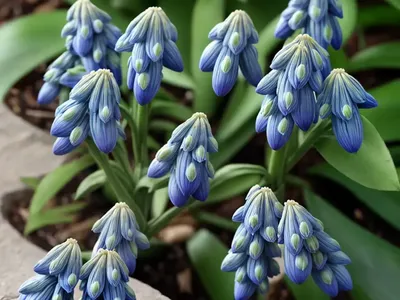
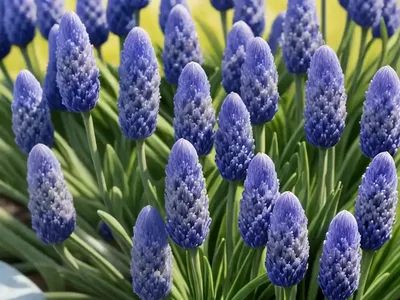
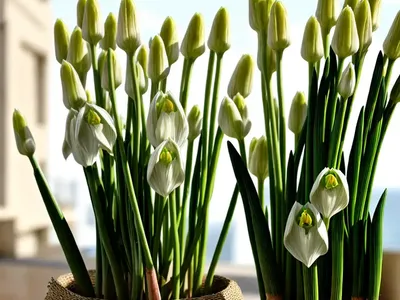
Muscari Aucheri ‘White Magic’ (Grape Hyacinth)
Plants are an essential part of our ecosystem, providing us with food, medicine, and oxygen. They also contribute to the beauty of our surroundings. One.
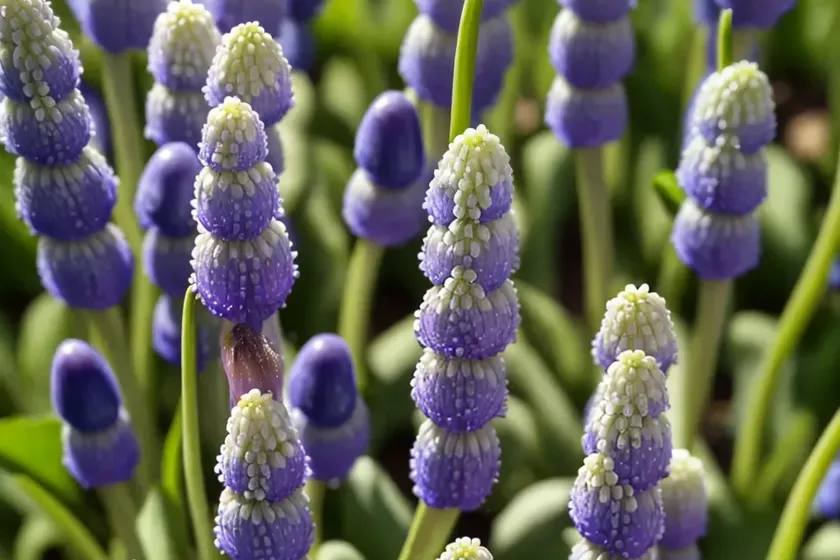
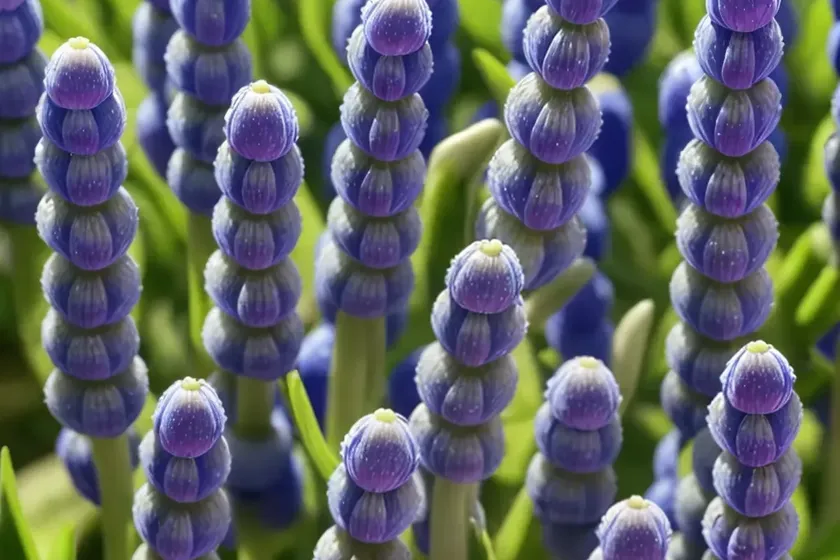
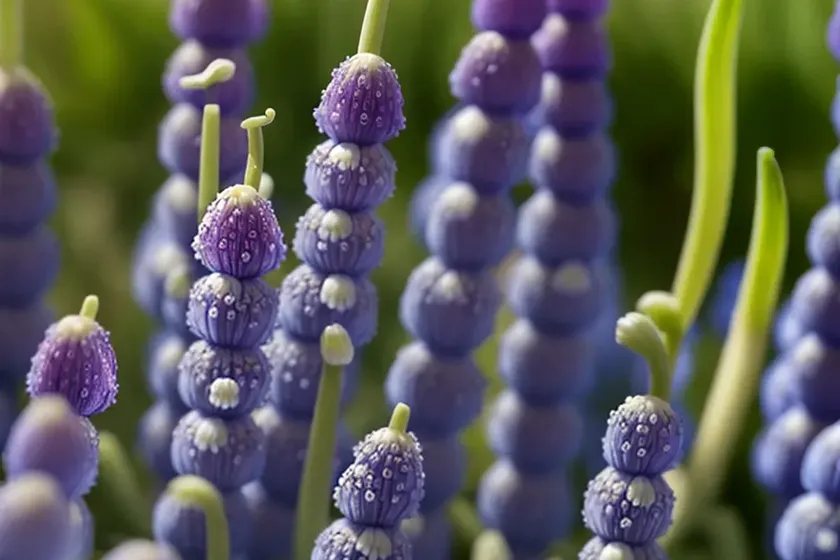
Plants are an essential part of our ecosystem, providing us with food, medicine, and oxygen. They also contribute to the beauty of our surroundings. One such beautiful and enchanting plant is the Muscari aucheri ‘White Magic’, commonly known as Grape Hyacinth. In this blog post, we will delve deep into the world of Muscari aucheri ‘White Magic’, exploring its cultivation, care, and interesting facts that make it a favorite among gardeners.
What is Muscari aucheri ‘White Magic’ (Grape Hyacinth)?
Muscari aucheri ‘White Magic’ is a charming perennial bulb that belongs to the Asparagaceae family. It is native to the woodlands of Turkey and is widely cultivated for its delicate, bell-shaped white flowers. The plant is known for its compact habit and clusters of fragrant blooms that resemble a bunch of grapes, hence the name “Grape Hyacinth”.
The bulbous nature of this plant makes it a popular choice for spring bulb displays and naturalistic planting schemes. It is highly valued for its ability to naturalize and multiply, creating a beautiful carpet of flowers in gardens and landscapes.
Now that we have an overview of what Muscari aucheri ‘White Magic’ is, let’s dive deeper into its characteristics, care requirements, and interesting aspects.
Key Takeaways – Muscari aucheri ‘White Magic’ (Grape Hyacinth)
Before we delve into the specifics of this enchanting plant, let’s summarize the key takeaways that we will explore in detail:
- Common Name: Muscari aucheri ‘White Magic’ (Grape Hyacinth)
- Family: Asparagaceae
- Native Habitat: Woodlands of Turkey
- Characteristics: Bell-shaped white flowers, compact habit, grape-like clusters
- Cultivation: Bulbous perennial
- Uses: Ornamental garden plant, naturalistic planting, spring bulb displays
- Fragrance: Pleasant, sweet fragrance
- Attracts: Pollinators and wildlife
- Special Features: Ability to naturalize and multiply
Now that we have an overview, let’s dive into the specifics of cultivating and caring for this delightful plant.
Culture
Uses
Muscari aucheri ‘White Magic’ has several uses in the gardening and landscaping realm. Some of the primary uses include:
- Ornamental Plant: The charming white flowers and compact habit make Muscari aucheri ‘White Magic’ a popular choice for ornamental garden displays.
- Naturalistic Planting: Due to its ability to naturalize and multiply, it is often used in naturalistic or wildflower planting schemes.
- Spring Bulb Displays: Its early bloom and delicate flowers make it an ideal addition to spring bulb displays, adding a touch of elegance to the landscape.
Water
Like many bulbous plants, Muscari aucheri ‘White Magic’ prefers moderate watering, especially during the growing season. However, it is essential to ensure good drainage to prevent waterlogging, which can be detrimental to the bulbs. Adequate moisture is crucial during the establishment and blooming periods, while reduced watering is recommended after the flowers have faded and the plant enters dormancy.
Sunlight
Grape Hyacinths thrive in full sun to partial shade. They prefer at least 6 hours of direct sunlight each day for optimal growth and flowering. However, they can also tolerate partial shade, making them versatile for various garden settings.
Fertilizer
When it comes to fertilization, Muscari aucheri ‘White Magic’ does not demand excessive feeding. A balanced, all-purpose fertilizer can be applied in early spring as new growth emerges. Avoid over-fertilization, as this can lead to excessive foliage growth at the expense of flower production.
Soil
The plant thrives in well-draining soil with a slightly acidic to neutral pH. Good soil structure is vital for proper bulb development and overall plant health. A mixture of organic matter, such as compost or well-rotted manure, can be incorporated into the soil prior to planting to improve its fertility and structure.
Pruning
Pruning requirements for Muscari aucheri ‘White Magic’ are minimal. Once the flowers have faded, the spent flower stems can be removed to maintain the plant’s appearance. After the foliage turns yellow and begins to wither, it can be gently removed. This allows the plant to focus its energy on bulb development for the following year.
Propagation
Muscari aucheri ‘White Magic’ can be propagated through several methods:
- Division: Over time, the bulbs multiply and form clumps. These clumps can be carefully dug up and divided in late summer to early autumn. The divided bulbs can then be replanted at the desired location.
- Seeds: The plant also produces viable seeds that can be collected and sown in suitable growing conditions. However, this method may take longer to produce flowering-sized bulbs compared to division.
Container Popularity
Grape Hyacinths are well-suited for container gardening, adding a delightful touch of spring to patios, balconies, and other outdoor spaces. Their compact size and low maintenance nature make them ideal candidates for container planting. Special care should be taken to ensure that the containers have adequate drainage to prevent waterlogging, which can be detrimental to the bulbs.
Common Diseases
Muscari aucheri ‘White Magic’ is relatively resistant to diseases. However, there are a few issues to be mindful of, such as:
- Botrytis Blight: This fungal disease can affect the foliage and flowers, causing browning, wilting, and decay. It is often favored by high humidity and wet conditions.
- Basal Rot: A common issue in poorly draining soil, basal rot can affect the bulbs, causing them to rot and deteriorate.
Disease Diagnosis
Proper diagnosis of diseases affecting Grape Hyacinths involves careful observation of the plant’s symptoms. Common signs of botrytis blight include browning and decay of foliage and flowers, often accompanied by a fuzzy gray mold. On the other hand, basal rot is characterized by soft, discolored areas at the base of the bulbs, often resulting in their disintegration.
Common Pests
While relatively resistant to pests, Grape Hyacinths may still encounter some common garden pests, including:
- Narcissus Bulb Fly: The larvae of this fly can cause damage to the bulbs, resulting in reduced vigor and flowering.
- Slugs and Snails: These pests may feed on the tender foliage and flowers, causing unsightly damage.
Botanist’s Tips
To ensure the success of your Muscari aucheri ‘White Magic’ and keep it healthy and vibrant, consider the following tips:
- Plant the bulbs at the correct depth to ensure proper establishment and flowering.
- Provide adequate air circulation and avoid overcrowding to reduce the risk of fungal diseases.
- Monitor the plant regularly for signs of pests and diseases, taking appropriate measures if needed to mitigate their impact.
Fun Facts
Here are some interesting and lesser-known facts about Muscari aucheri ‘White Magic’:
- In the language of flowers, Grape Hyacinths symbolize sincerity and playful joy.
- The flowers are edible and can be used as a colorful garnish in salads and desserts.
- While the ‘White Magic’ cultivar boasts delicate white flowers, other cultivars of Muscari aucheri feature shades of blue, purple, and even pink.
Links to External Resources
For further information on Muscari aucheri ‘White Magic’, refer to the following resources:
- Royal Horticultural Society – Muscari aucheri ‘White Magic’
- Missouri Botanical Garden – Muscari aucheri
In conclusion, Muscari aucheri ‘White Magic’ is a captivating and versatile plant that adds elegance and charm to gardens and landscapes. By understanding its care requirements and unique characteristics, gardeners can successfully cultivate and enjoy the beauty of this enchanting Grape Hyacinth. Whether planted in traditional garden beds or featured in decorative containers, the delicate white flowers of ‘White Magic’ are sure to captivate the hearts of all who encounter them.
With its graceful appearance and ease of cultivation, Muscari aucheri ‘White Magic’ stands as a delightful reminder of the beauty and resilience of nature. Whether in a formal garden setting or a naturalistic landscape, this enchanting plant continues to enthrall and inspire all who welcome it into their surroundings.