Munson’s Grape (Vitis Rotundifolia)
Munson’s grape (Vitis rotundifolia), also known as Muscadine grape, is a remarkable plant with a rich history and a wide array of uses and cultural.
Introduction
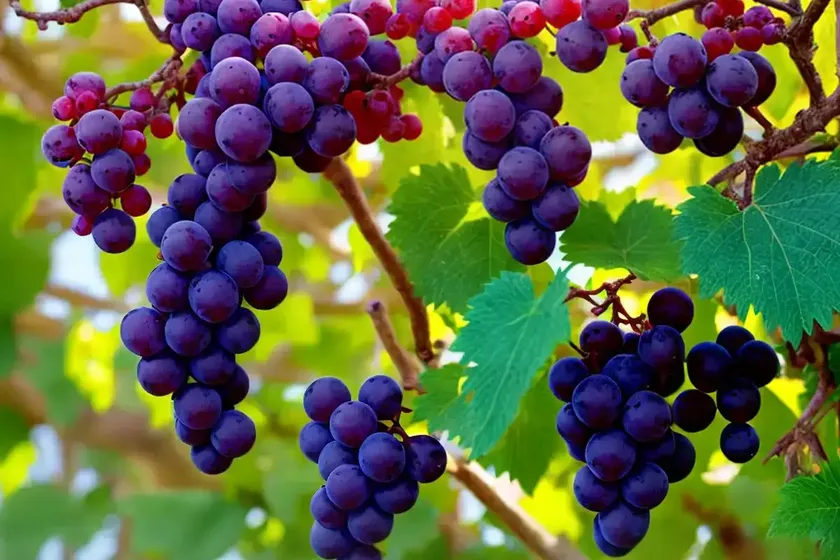
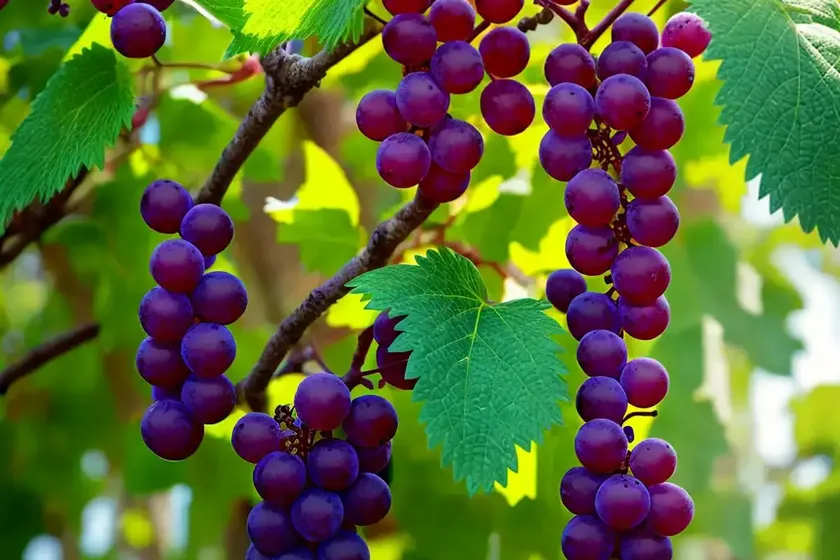
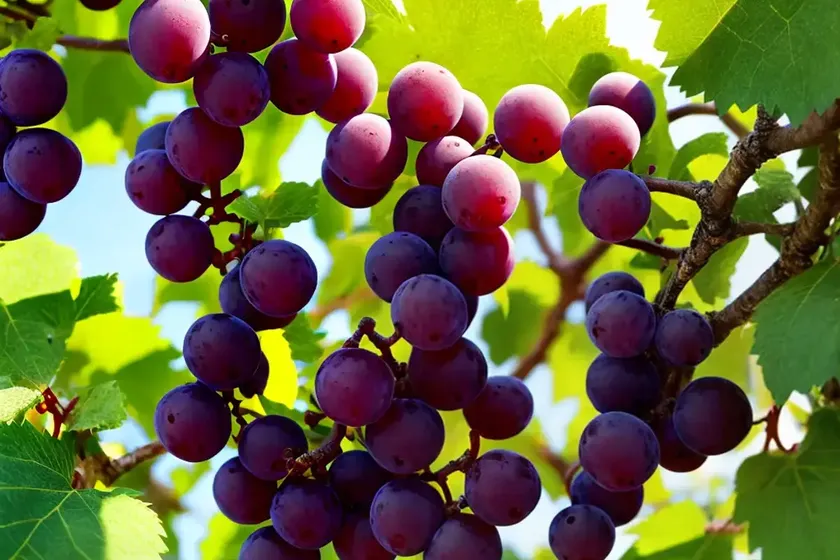
Munson’s grape (Vitis rotundifolia), also known as Muscadine grape, is a remarkable plant with a rich history and a wide array of uses and cultural significance. This robust grape variety is native to the southeastern United States and is renowned for its adaptability to a range of conditions, making it an appealing choice for home gardeners and commercial cultivators alike. In this comprehensive guide, we will delve into all aspects of Munson’s grape cultivation, including its cultural requirements, uses, common pests and diseases, as well as expert tips for optimal growth and production. Whether you are a novice gardener or an experienced viticulturist, this guide aims to provide valuable insight into the world of Vitis rotundifolia and establish a comprehensive understanding of this fascinating plant.
What is Munson’s Grape (Vitis rotundifolia)?
Munson’s grape, scientifically known as Vitis rotundifolia, is a species of grape native to the southeastern United States. Belonging to the Vitaceae family, this grape variety is recognized for its robust nature and resilience to a range of environmental conditions. Characterized by its thick skin and high levels of antioxidants, Munson’s grape has been cultivated for centuries for its culinary, medicinal, and ornamental purposes. Unlike many other grape varieties, Vitis rotundifolia is self-fertile, thus requiring minimal maintenance for successful fruit production. Its adaptability to various soil types and climates makes it a desirable option for home gardens, vineyards, and arboretums.
Key Takeaways – Munson’s Grape (Vitis rotundifolia)
Before we dive into the specifics of Munson’s grape cultivation, let’s explore the key takeaways associated with this unique grape variety.
Munson Grape Variety
- Vitis rotundifolia, or Munson’s grape, is a distinctive grape variety native to the southeastern United States.
- It is known for its resilience, adaptability, and nutritional benefits, making it a sought-after cultivar for both commercial and home cultivation.
Cultivation
- Munson’s grape thrives in diverse soil types and climates, making it an ideal choice for cultivation in a range of geographic locations.
- Its self-fertile nature reduces the need for extensive management and makes it an accessible option for growers with varying levels of experience.
Uses
- From culinary applications to medicinal uses, Munson’s grape offers a multitude of purposes, adding to its value and relevance in diverse industries.
Now that we’ve established an overview of Munson’s grape, let’s delve into the specific cultural requirements, propagation methods, and tips for successful growth and maintenance of Vitis rotundifolia.
Culture
Water
Proper watering is essential for the optimal growth and development of Munson’s grape vines. While these plants are relatively drought-tolerant once established, adequate moisture is crucial during the establishment phase and fruit development. A consistent watering schedule, particularly during dry spells, is recommended to support healthy growth and fruit production. The frequency and amount of water required will largely depend on factors such as soil type, climate, and the stage of growth, with younger plants generally requiring more frequent irrigation than established vines.
Sunlight
Like many fruit-bearing plants, Munson’s grape thrives in full sunlight. Select a planting site that receives at least 6-8 hours of direct sunlight daily to promote vigorous growth and maximize fruit production. Adequate sunlight exposure also influences the flavor profile of the grapes, contributing to their sweetness and overall quality. In regions with scorching summers, providing some afternoon shade may help prevent excessive heat stress on the vines, ensuring they remain healthy and productive.
Fertilizer
When it comes to fertilization, Munson’s grape vines benefit from balanced and moderate nutrient inputs. Conducting a soil test prior to planting is recommended to assess the soil’s nutrient levels and pH, allowing for targeted fertilization. Incorporating organic matter, such as compost, into the soil during planting can aid in providing a favorable nutrient environment for the vines. Additionally, applying a balanced fertilizer in early spring, just before the onset of new growth, can support healthy vine development and fruit set. Avoid over-fertilization, as excessive nitrogen levels can lead to rampant vegetative growth at the expense of fruit production.
Soil
Vitis rotundifolia exhibits adaptability to a range of soil types, including sandy, loamy, and clay soils, as long as they are well-draining. However, a slightly acidic soil pH in the range of 5.5 to 6.5 is considered optimal for these grapevines. Amending the soil with organic matter and conducting regular soil tests can help maintain an ideal growing medium for Munson’s grape. Furthermore, ensuring good soil aeration and adequate drainage is crucial to prevent waterlogged conditions, which can be detrimental to the health of the vines.
Pruning
Pruning plays a pivotal role in shaping the growth and productivity of Munson’s grape vines. Proper pruning helps maintain an open canopy, improves air circulation, and facilitates light penetration, leading to healthier vines and higher-quality fruit. Pruning is typically conducted during the dormant season, which is late winter to early spring in most regions. Key objectives of pruning include the removal of dead or diseased wood, thinning out excessive growth, and training the vines along a desired support structure, such as a trellis system. Pruning techniques should be adapted to the specific growth habit and training system employed, ensuring the vines are appropriately managed for optimal yield and longevity.
Propagation
Munson’s grape can be propagated through various methods, with the most common being through cuttings and layering. Softwood cuttings taken during the late spring or early summer, when the vines are actively growing, can be utilized to propagate new plants. Rooting hormone may be applied to the cut ends of the stems to enhance the success rate of rooting. Layering, where a portion of a healthy vine is covered with soil to encourage root growth, is another effective propagation technique for Munson’s grape. Once rooted, the newly propagated vines can be transplanted into suitable growing locations, allowing for increased vineyard or garden expansion.
Container Popularity
In addition to being extensively grown in traditional vineyard settings, Munson’s grape is also suitable for cultivation in containers. Container gardening offers the flexibility of growing these grapes in limited spaces, making it an appealing option for urban and suburban gardeners. When growing Munson’s grape in containers, it is essential to select a sufficiently large and well-draining container to accommodate the root system and promote healthy growth. Suitable trellising or support structures should also be provided to ensure proper vine training and fruit display.
Common Diseases
As with many fruit-bearing plants, Munson’s grape is susceptible to certain diseases that can impact overall vine health and fruit quality. Understanding the common diseases and their management strategies is crucial for maintaining a thriving grapevine.
Disease Diagnosis
Diagnosing diseases in Munson’s grape involves careful observation of the symptoms exhibited by the vines and fruit. Common diseases that affect Vitis rotundifolia include:
- Pierce’s Disease: This bacterial disease, transmitted by the glassy-winged sharpshooter insect, causes leaf scorching and can ultimately lead to vine decline and death. Early diagnosis and management are essential to minimize the impact of Pierce’s disease.
- Black Rot: Characterized by circular lesions on leaves and fruit, black rot can significantly diminish the quality and yield of Munson’s grape. Proper sanitation and the use of fungicidal sprays are effective in managing this disease.
- Powdery Mildew: A fungal disease that manifests as a powdery white growth on the leaves and can lead to premature defoliation. Maintaining proper air circulation and applying suitable fungicides can aid in controlling powdery mildew.
To effectively manage these and other diseases, regular monitoring, timely intervention, and adherence to good cultural practices, such as proper pruning and irrigation management, are essential.
Common Pests
Various pests can pose threats to the health and productivity of Munson’s grape vines. Implementing integrated pest management practices and prompt intervention can help safeguard the vines from pest-related damage.
Botanist’s Tips
Here are some valuable tips from botanists and viticulture experts for successfully growing and caring for Munson’s grape:
- Regularly monitor the vines for signs of diseases and pests, intervening promptly to prevent widespread infestations.
- Utilize organic and biological pest control methods whenever possible to minimize chemical inputs and maintain ecological balance in the vineyard or garden.
- Prioritize good cultural practices, such as proper pruning, trellising, and soil management, to establish a healthy growing environment for the vines.
Fun Facts
- Munson’s grape is named after Professor Thomas Volney Munson, a renowned viticulturist who made substantial contributions to grape breeding and horticultural science.
- The unique flavor profile of Vitis rotundifolia grapes, characterized by a musky sweetness, sets it apart from other grape varieties, making it a popular choice for wine production and fresh consumption.
In conclusion, Munson’s grape (Vitis rotundifolia) stands as a fascinating and valuable plant species, offering a myriad of cultural, culinary, and horticultural benefits. From its adaptability to diverse growing conditions to its significant uses and historical significance, this grape variety holds a special place in the world of viticulture and plant science.
For further information and detailed insights into Munson’s grape cultivation and management, explore the resources below:
- Growing Muscadine Grapes in the Home Garden
- Pierce’s Disease of Grapevines
- Managing Powdery Mildew in the Vineyard
With the knowledge and insights gleaned from this comprehensive guide, enthusiasts and cultivators can embark on the rewarding journey of growing and enjoying the bountiful harvest of Munson’s grape (Vitis rotundifolia).
Happy growing!
Note: The content of this guide is intended for educational and informational purposes, and readers are encouraged to seek specific advice from local horticultural experts and extension services for tailored guidance based on their unique growing conditions and circumstances.


