Mountain-grape (Berberis Aquifolium)
In this comprehensive guide, we will explore the intricacies of the Mountain-Grape, scientifically known as Berberis aquifolium. This evergreen shrub.
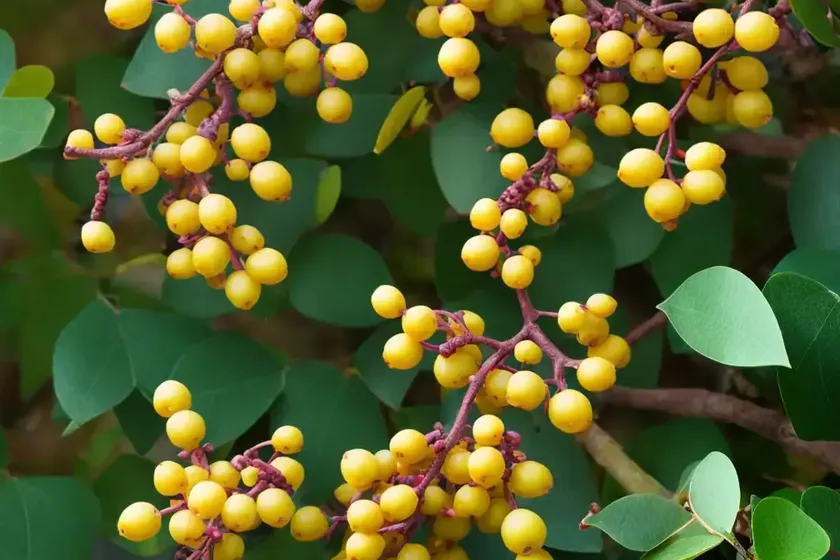
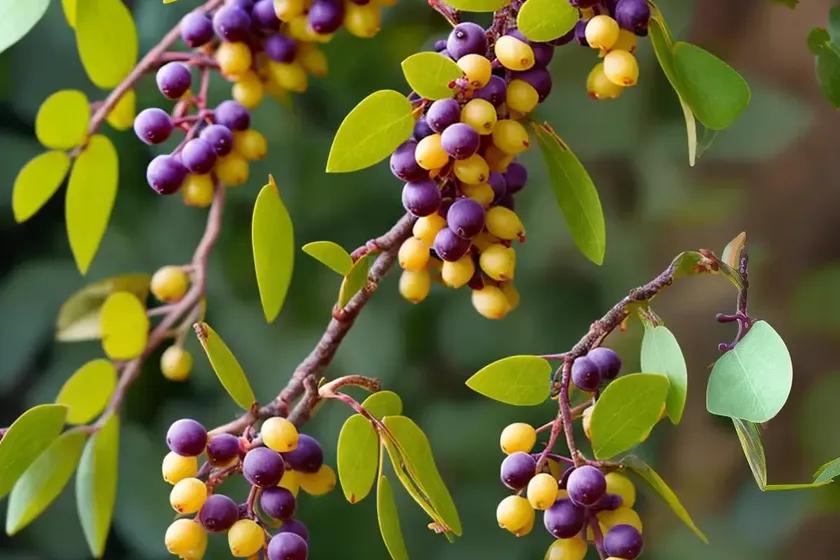
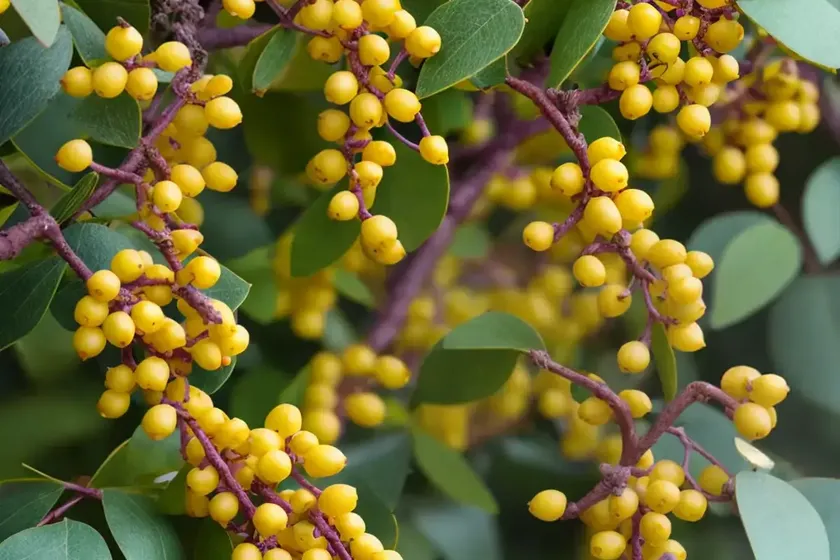
In this comprehensive guide, we will explore the intricacies of the Mountain-Grape, scientifically known as Berberis aquifolium. This evergreen shrub, native to the Pacific Northwest of North America, is renowned for its ornamental foliage, red berries, and a myriad of medicinal and landscaping uses. Join me as we delve into its culture, uses, maintenance, and much more.
What is Mountain-Grape (Berberis aquifolium)?
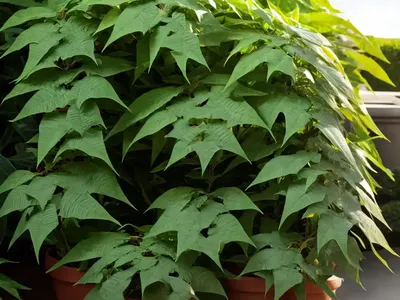
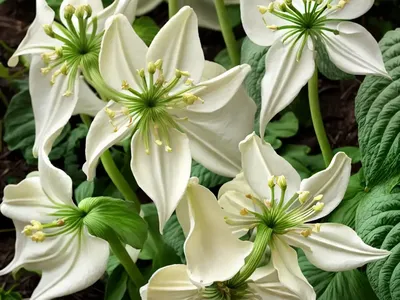
Berberis aquifolium, commonly known as the Mountain-Grape or Oregon Grape, is a species of flowering plant in the barberry family, Berberidaceae. This slow-growing, ornamental shrub is characterized by its pinnately compound, glossy, holly-like leaves, and clusters of small, yellow flowers that transform into dark blue, edible berries. The plant’s distinctive foliage, coupled with its hardiness and adaptability, make it a popular choice for gardens, landscapes, and natural medicine.
Key Takeaways
As we embark on this botanical journey, let’s prime our horticultural curiosity with a summary of the key takeaways:
- Common Name: Mountain-Grape or Oregon Grape
- Scientific Name: Berberis aquifolium
- Type: Evergreen shrub
- Native Habitat: Pacific Northwest of North America
- Notable Features: Pinnately compound, glossy leaves; clusters of yellow flowers and dark blue berries
- Uses: Medicinal properties, ornamental landscaping, wildlife habitat
- Cultural Preferences: Partial shade, well-drained soil, moderate watering
- Maintenance: Pruning, propagation, disease control
Now, let’s embark on a detailed exploration of this fascinating plant.
Culture of Mountain-Grape (Berberis aquifolium)
Water
Mountain-Grape, being native to the Pacific Northwest, thrives in moderate to moist conditions. When establishing this plant, provide regular watering to ensure the soil remains evenly moist, especially during dry spells. However, it is important to avoid waterlogging, as excessively wet soil can lead to root rot and other issues.
Sunlight
In terms of light requirements, Mountain-Grape shows a preference for partial shade to full shade. While it can tolerate some sun, particularly in cooler climates, it tends to perform best when shielded from the intense afternoon sun.
Fertilizer
This plant generally does not have high fertilizer requirements. A once-yearly application of a balanced, slow-release fertilizer in spring is typically sufficient to support healthy growth and flowering.
Soil
Mountain-Grape thrives in well-drained, slightly acidic to neutral soil. Loamy, sandy, or clay soils are generally suitable as long as they are amended for improved drainage. Ensuring good soil aeration and structure is crucial for the plant’s overall health.
Pruning
Pruning is an important aspect of Mountain-Grape maintenance. To maintain a pleasing shape and encourage dense growth, prune the plant in late winter or early spring. Remove any dead, damaged, or crossing branches, and shape the shrub as desired. This periodic pruning also promotes better air circulation, reducing the risk of diseases.
Uses of Mountain-Grape (Berberis aquifolium)
Medicinal Properties
Mountain-Grape has a longstanding history of medicinal use among Native American tribes and early pioneers. The plant’s roots contain berberine, a compound with antimicrobial and anti-inflammatory properties. Traditionally, it has been used to treat various ailments, such as indigestion, skin conditions, and infections.
Modern herbal medicine continues to harness the therapeutic potential of Mountain-Grape. Berberine, extracted from the roots and stem bark, is utilized in dietary supplements for its broad-spectrum antimicrobial activity and potential benefits in managing certain health conditions.
Ornamental Landscaping
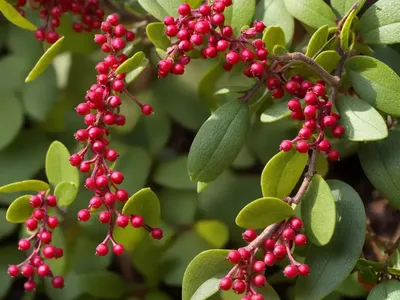
With its bold, holly-like foliage and clusters of bright, hued berries, Mountain-Grape is a favored choice for ornamental landscaping. It adds visual interest to gardens, borders, and woodland settings, especially during the winter months when its evergreen nature stands out against the backdrop of bare branches. Additionally, the plant’s tolerance for shade makes it a valuable asset for shaded garden beds where other ornamental plants may struggle.
Wildlife Habitat
The nectar-rich flowers of Mountain-Grape attract pollinators, such as bees and butterflies, while the berries serve as a food source for birds and small mammals. As a result, it contributes to the biodiversity of garden or natural landscapes, supporting local wildlife.
Propagation of Mountain-Grape (Berberis aquifolium)
Seeds
Propagation of Mountain-Grape can be achieved through seeds, although it requires patience as the germination process may be slow and erratic. Harvest mature berries and extract the seeds for sowing in a prepared seedbed or containers. Ideally, the seeds should undergo a period of cold stratification to mimic natural winter conditions before they will germinate.
Division
Dividing established plants is another method of propagating Mountain-Grape. This is best done in early spring before new growth emerges. Carefully dig up the plant and divide the root clumps into sections, ensuring each division has a good balance of roots and shoots. Replant the divisions in suitable locations and provide appropriate care to aid in their establishment.
Cuttings
Softwood or semi-hardwood cuttings taken from healthy, actively growing shoots can also be used to propagate Mountain-Grape. Prepare the cuttings by removing the lower leaves and planting them in a moist, well-draining rooting medium. With suitable environmental conditions and diligent care, the cuttings will develop roots and eventually grow into new plants.
Container Gardening with Mountain-Grape
Mountain-Grape is well-suited for container gardening, making it an excellent choice for patios, balconies, and other small outdoor spaces. When cultivating this plant in containers, consider the following guidelines:
- Container Size: Select sufficiently large containers to accommodate the plant’s root system and provide ample room for growth.
- Soil: Utilize well-draining potting mix to ensure proper moisture control and root health.
- Watering: Monitor the moisture levels closely, ensuring that the soil remains consistently moist but not waterlogged.
- Sunlight: Position the containers in locations that offer partial to full shade, protecting the plants from excessive heat and sunlight.
Common Diseases of Mountain-Grape (Berberis aquifolium)
Rust
Mountain-Grape is susceptible to rust infections caused by various fungi, notably the Puccinia species. These infections often manifest as small, orange-yellow spore-producing pustules on the undersides of leaves, leading to weakening and premature leaf drop. To manage rust diseases, it is essential to remove and dispose of infected plant material and adopt cultural practices that promote good air circulation.
Powdery Mildew
Powdery mildew, a common fungal disease, can affect Mountain-Grape, resulting in a white, powdery growth on the surfaces of leaves and stems. This can impede photosynthesis and weaken the plant over time. To prevent and manage powdery mildew, maintain adequate spacing between plants, ensure proper watering practices, and apply appropriate fungicidal treatments if necessary.
Common Pests Affecting Mountain-Grape (Berberis aquifolium)
Aphids
Aphids are a frequent pest of Mountain-Grape, often found feeding on the plant’s tender shoots and foliage. Their presence can lead to stunted growth, distorted leaves, and the development of sticky honeydew that encourages the growth of sooty mold. Control measures include physical removal, natural predators, or targeted insecticidal applications.
Scale Insects
Scale insects can also pose a threat to Mountain-Grape, settling on the stems and leaves to feed and reproduce. Their secretions may lead to sooty mold and weaken the plant. In cases of infestation, manual removal and the application of horticultural oils can provide effective control.
Botanist’s Tips for Mountain-Grape (Berberis aquifolium)
Incorporate the following expert tips to ensure the successful cultivation and maintenance of Mountain-Grape:
- Mulching: Apply a layer of organic mulch around the base of the plant to conserve soil moisture, suppress weeds, and regulate soil temperature.
- Natural Remedies: Consider using environmentally friendly, natural pest and disease control methods as part of integrated pest management strategies.
- Companion Planting: Pair Mountain-Grape with compatible companion plants to enhance biodiversity, repel pests, and optimize the use of garden space.
Fun Facts about Mountain-Grape (Berberis aquifolium)
Discover some intriguing and lesser-known facts about this remarkable plant:
- Wildlife Magnet: The berries of Mountain-Grape are popular with birds such as thrushes and robins, contributing to the ecological balance of garden and natural habitats.
- Historical Usage: Indigenous peoples of the Pacific Northwest used the roots and bark of Mountain-Grape for dyeing fabric, creating traditional medicines, and flavoring food and beverages.
- In the Wild: In its natural habitat, Mountain-Grape often forms dense thickets, providing shelter and foraging opportunities for various wildlife species.
Links to External Resources
Expand your knowledge of Mountain-Grape by exploring the following external resources:
- Oregon Grape: A Thorny and Shiny Native Evergreen
- Growing Berberis aquifolium in the Garden
- Medicinal Plants of the Pacific West
- Attract Birds with Berries
Conclusion
From its natural beauty to its medicinal significance and ecological value, Mountain-Grape (Berberis aquifolium) captivates both plant enthusiasts and conservationists. Whether gracing gardens with its ornamental charm or contributing to the holistic well-being of ecosystems, this versatile plant warrants a place of admiration and thoughtful cultivation. Embrace the rich tapestry of benefits and considerations associated with this unique shrub, and witness its enduring allure in horticulture and beyond.
In this blog post, we have explored the culture, uses, propagation, and maintenance of Mountain-Grape, shedding light on its multifaceted appeal and practical relevance. May this guide inspire plant enthusiasts and nature admirers to appreciate and cultivate the enduring beauty of Berberis aquifolium in diverse settings and contexts.
Remember, as with any living organism, the specifics of care and propagation may vary based on local climate, soil, and environmental conditions. Always consult local experts and resources for tailored guidance relevant to your region. Happy gardening and exploration with Mountain-Grape!
Let’s continue to cultivate fascination and appreciation for the wondrous world of plants, one leaf, flower, and fruit at a time.