Mountain Cabbage Tree (Dracaena Indivisa)
Plants not only bring aesthetic appeal to our surroundings but also contribute significantly to our overall well-being. They are capable of purifying the.
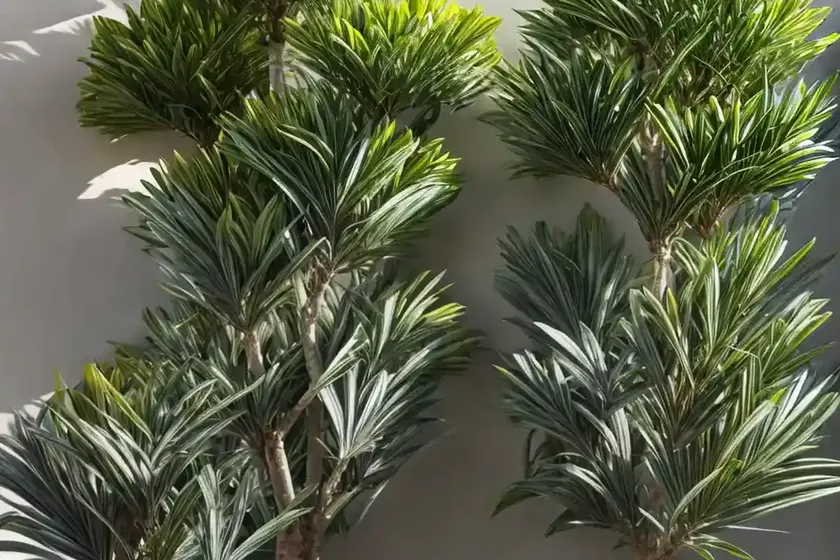
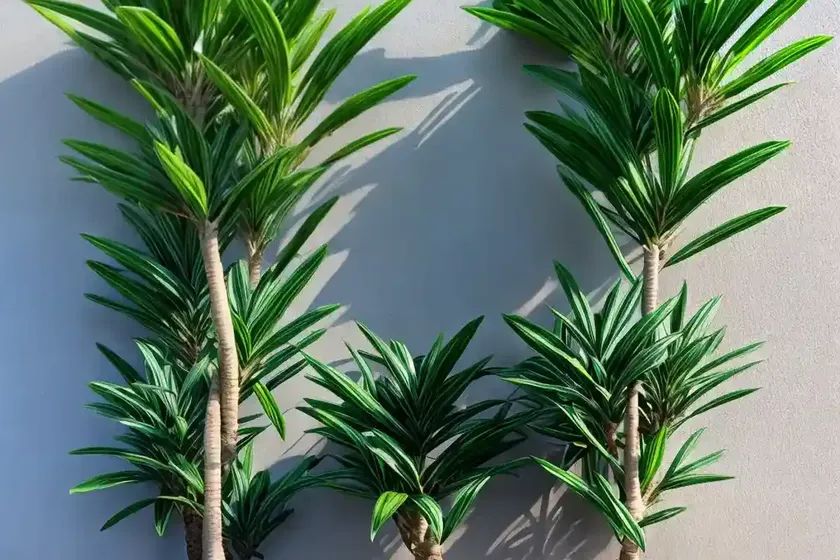
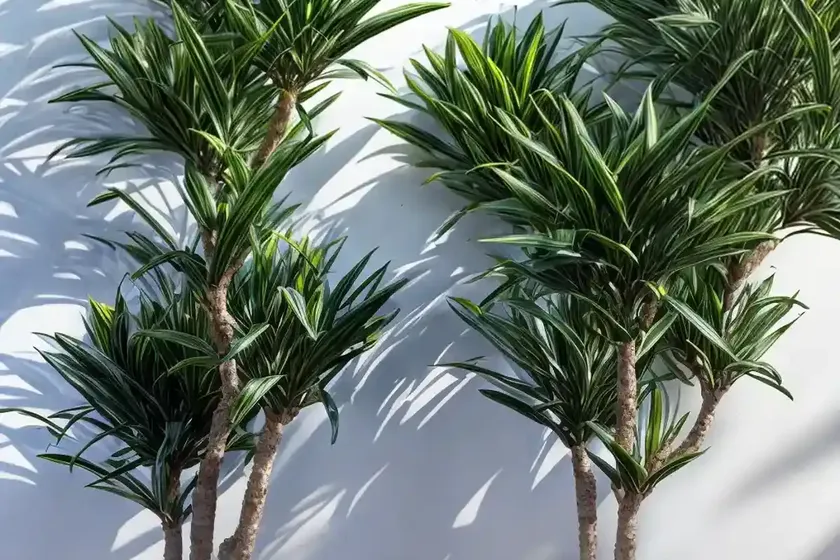
Plants not only bring aesthetic appeal to our surroundings but also contribute significantly to our overall well-being. They are capable of purifying the air, reducing stress, and adding a touch of natural elegance to any setting. Among the multitude of plant varieties, the Mountain Cabbage Tree (Dracaena indivisa) stands out as a robust and versatile plant that can thrive in a diverse range of environments.
In this comprehensive guide, we will delve into the key aspects of the Mountain Cabbage Tree, exploring its cultural significance, uses, care requirements, common diseases, pests, propagation methods, container gardening, landscape ideas, and much more. Whether you are a novice plant enthusiast or an experienced gardener, this guide aims to equip you with the knowledge and insights needed to nurture and appreciate the beauty of Dracaena indivisa.
What is Mountain Cabbage Tree (Dracaena Indivisa)?
Dracaena indivisa, commonly known as the Mountain Cabbage Tree, is a striking evergreen plant belonging to the Asparagaceae family. It is native to the Canary Islands and is known for its architectural form and vibrant green foliage. This plant is characterized by its long, narrow leaves that cascade gracefully from the central stalk, creating a visually captivating display. With the right care and environment, the Mountain Cabbage Tree can thrive both indoors and outdoors, making it a popular choice for plant enthusiasts and landscapers alike.
Key Takeaways
Let’s begin our exploration of the Mountain Cabbage Tree by understanding some key takeaways, which will guide our discussion on its cultivation, care, and uses.
- Scientific Name: Dracaena Indivisa
- Common Name: Mountain Cabbage Tree
- Family: Asparagaceae
- Type: Evergreen Perennial
- Native Habitat: Canary Islands
- Key Features: Architectural form, long and narrow foliage
- Cultural Significance: Ornamental plant, air-purifying qualities, adaptability to various environments
- Uses: Indoor and outdoor landscaping, air purification, ornamental display
- Care Requirements: Watering, sunlight, soil, fertilization, pruning, propagation, container gardening
- Common Diseases: Leaf spot, root rot, leaf-tip burn
- Common Pests: Spider mites, mealybugs, scale insects
- Propagation: Stem cuttings, air layering
- Popularity: Widely used as an ornamental plant in residential and commercial spaces
Now that we have a broad overview of the Mountain Cabbage Tree, let’s delve deeper into its cultural significance, care requirements, and practical uses.
Culture
The cultural significance of the Mountain Cabbage Tree extends beyond its ornamental value. Understanding its cultural requirements and historical significance can provide valuable insights into its preferred growing conditions and its role in different human cultures.
Uses
The Mountain Cabbage Tree holds various practical and symbolic uses, making it a versatile and meaningful plant in different settings. Let’s explore these uses in detail.
-
Ornamental Plant: Dracaena indivisa is widely appreciated for its ornamental value, used in both interior and exterior landscaping to add a touch of natural elegance.
-
Air Purification: Like many other Dracaena species, the Mountain Cabbage Tree is known for its air-purifying qualities, effectively filtering out toxins and enhancing indoor air quality.
-
Symbolic Significance: In some cultures, Dracaena indivisa is associated with symbols of longevity, resilience, and vitality, making it a popular choice for gifting on special occasions.
-
Mental Well-being: The presence of greenery and natural elements, such as the Mountain Cabbage Tree, has been linked to reduced stress, improved focus, and enhanced overall well-being.
With its diverse uses, the Mountain Cabbage Tree holds a special place in both traditional and contemporary settings, enriching our surroundings in multifaceted ways.
Water
Proper watering is essential for the health and vitality of the Mountain Cabbage Tree. Understanding the water requirements and best practices for watering this plant is crucial for its successful growth.
-
Watering Frequency: Dracaena indivisa prefers moderate watering, allowing the top inch of the soil to dry out between waterings. Overwatering can lead to root rot, while underwatering can cause leaf browning and wilting.
-
Water Quality: It is essential to use filtered or distilled water, as the Mountain Cabbage Tree is sensitive to chemicals and salts present in tap water.
-
Signs of Overwatering: Yellowing or browning of lower leaves, soft and mushy stems, and a foul smell from the soil are indicative of overwatering.
By carefully monitoring the watering schedule and ensuring the quality of water, the Mountain Cabbage Tree can thrive and maintain its vibrant appearance.
Sunlight
Proper sunlight exposure is crucial for the growth and vitality of the Mountain Cabbage Tree. Understanding its sunlight requirements and finding the ideal placement can significantly impact its overall health.
-
Light Requirements: Dracaena indivisa thrives in bright, indirect light. It is important to protect it from direct sunlight, especially during the peak hours of the day, as intense sunlight can scorch its foliage.
-
Indoor Placement: Place the Mountain Cabbage Tree near east or west-facing windows where it can receive bright, filtered light throughout the day. Alternatively, it can adapt to lower light conditions, although its growth may slow down.
-
Outdoor Placement: When grown outdoors, provide partial shade to protect the plant from intense sunlight, especially in regions with hot climates.
Understanding the sunlight preferences of the Mountain Cabbage Tree enables us to create an optimal environment where it can flourish and display its characteristic beauty.
Fertilizer
Fertilizing the Mountain Cabbage Tree is an essential aspect of its care routine, providing it with the necessary nutrients to support healthy growth and vibrant foliage.
-
Fertilizing Schedule: During the growing season, which typically extends from spring to early fall, apply a balanced liquid fertilizer at half the recommended strength every 2-4 weeks. Reduce fertilization in the winter months when the plant’s growth slows down.
-
Nutrient Requirements: Look for a fertilizer with a balanced NPK ratio, such as 10-10-10 or 20-20-20, to provide a mix of essential nutrients including nitrogen, phosphorus, and potassium.
-
Application Method: Apply the diluted fertilizer solution directly to the soil, ensuring even distribution around the root zone.
By providing the Mountain Cabbage Tree with the appropriate fertilization, we can support its overall health and promote lush growth throughout the growing season.
Soil
Selecting the right soil type and ensuring proper soil conditions are critical for the Mountain Cabbage Tree to establish strong roots and maintain its overall vigor.
-
Soil Type: Use a well-draining, peat-based potting mix with added perlite or sand to promote adequate drainage. Avoid heavy, compacted soils that can lead to waterlogging.
-
Acidity Level: Dracaena indivisa prefers slightly acidic to neutral soil with a pH ranging from 6.0 to 7.0.
-
Repotting: Repot the Mountain Cabbage Tree every 2-3 years to refresh the soil and provide ample space for root expansion.
By understanding the soil preferences of the Mountain Cabbage Tree, we can create an environment that supports its root development and overall vitality.
Pruning
Pruning is an essential practice for maintaining the shape, size, and overall appearance of the Mountain Cabbage Tree. Proper pruning techniques can encourage new growth and enhance the plant’s visual appeal.
-
Pruning Tools: Use sharp, clean pruning shears to make precise cuts and prevent damage to the plant.
-
Removal of Dead or Yellowing Foliage: Regularly remove any dead, yellowing, or damaged leaves to maintain the plant’s aesthetic appeal and prevent the spread of diseases.
-
Trimming for Shape: If the plant becomes leggy or unruly, trim back the top growth to encourage branching and denser foliage.
-
Propagation from Cuttings: The trimmings and cuttings from pruning can also be used for propagation, allowing for the expansion of Dracaena indivisa in your indoor or outdoor space.
By incorporating proper pruning techniques into the care routine, we can ensure that the Mountain Cabbage Tree retains its graceful form and continues to thrive.
Propagation
Propagating the Mountain Cabbage Tree allows us to expand our collection of these captivating plants and share their beauty with others. Understanding the propagation methods is essential for successful reproduction.
-
Stem Cuttings: Propagating Dracaena indivisa from stem cuttings is a popular method. Select a healthy stem cutting with several nodes and place it in moist, well-draining soil. Provide warmth and humidity to encourage root development.
-
Air Layering: Another effective method involves air layering, where a portion of a stem is wrapped in a moist medium until roots develop, after which it can be planted separately.
-
Propagation Timing: Spring and early summer are ideal times for propagating the Mountain Cabbage Tree, as the plant is actively growing during this period.
By mastering the art of propagation, we can create new generations of the Mountain Cabbage Tree, allowing its beauty to thrive in various indoor and outdoor spaces.
Container Popularity
The Mountain Cabbage Tree’s popularity in container gardening stems from its adaptability to indoor environments, making it a sought-after choice for interior landscaping and indoor décor.
-
Indoor Display: Its architectural form and graceful foliage make the Mountain Cabbage Tree an ideal choice for large, well-lit indoor spaces such as atriums, lobbies, and living rooms.
-
Container Selection: Choose a spacious and sturdy container with adequate drainage holes to support the plant’s growth and prevent waterlogging.
-
Statement Piece: When placed in an elegant container, the Mountain Cabbage Tree can serve as a captivating centerpiece, adding a touch of natural sophistication to any indoor setting.
By embracing the Mountain Cabbage Tree as a container plant, we can bring the beauty of nature indoors and create visually stunning focal points in our living and working spaces.
Common Diseases
Recognizing and addressing common diseases that affect the Mountain Cabbage Tree is crucial for maintaining its health and resilience. By understanding the symptoms and appropriate treatments, we can safeguard the plant from potential threats.
Disease Diagnosis
-
Leaf Spot: This fungal disease causes dark, water-soaked spots on the foliage, often leading to leaf yellowing and drop. Improve air circulation and avoid overhead watering to prevent the spread of leaf spot.
-
Root Rot: Overwatering and poorly-draining soil can lead to root rot, characterized by mushy, discolored roots. Reduce watering frequency and repot the plant in well-draining soil to prevent further damage.
-
Leaf-tip Burn: This condition, often caused by fluoride or salt buildup in the soil, results in brown, scorched leaf tips. Use distilled water and periodically leach the soil to remove excess salts.
By promptly diagnosing and addressing these common diseases, we can protect the Mountain Cabbage Tree and promote its long-term well-being.
Common Pests
Pests can pose a threat to the health and appearance of the Mountain Cabbage Tree, requiring vigilance and appropriate pest management strategies to ensure its protection.
Botanist’s Tips
-
Spider Mites: These tiny pests can cause stippling and webbing on the foliage. Use a strong stream of water to dislodge them and apply insecticidal soap for severe infestations.
-
Mealybugs: These soft-bodied insects cluster in leaf axils and along stems, sucking plant juices. Remove them manually and apply neem oil for effective control.
-
Scale Insects: Scale insects form hard, protective coverings on stems and leaves. Use a cotton swab dipped in rubbing alcohol to remove them, and monitor the plant for any signs of reinfestation.
Vigilance, regular inspection, and prompt action are key to protecting the Mountain Cabbage Tree from the potential harm caused by common pests.
Fun Facts
To deepen our appreciation for the Mountain Cabbage Tree, let’s explore some fascinating and lesser-known facts about this remarkable plant.
-
Historical Significance: The Mountain Cabbage Tree has been cultivated for centuries and holds a special place in the folklore and traditions of the Canary Islands, where it is native.
-
Longevity: When provided with proper care, the Mountain Cabbage Tree can thrive for several decades, making it a long-term companion in interior and exterior landscapes.
-
Indoor Air Purification: Dracaena indivisa is recognized for its exceptional air-purifying capabilities, effectively removing indoor pollutants and improving air quality.
-
Architectural Appeal: With its tall, slender form and cascading foliage, the Mountain Cabbage Tree adds a touch of architectural elegance to any setting, making it a favorite among landscape designers.
By uncovering these intriguing facts, we can develop a deeper connection with the Mountain Cabbage Tree and fully appreciate its significance in diverse cultural, horticultural, and ecological contexts.
Links to External Resources
To further enrich your understanding of the Mountain Cabbage Tree and its diverse uses, care techniques, and cultural significance, I encourage you to explore the following external resources:
- Mountain Cabbage Tree – Dracaena Indivisa: A Complete Guide
- Caring for Dracaena Indoors
- Gardening Know How – Dracaena Plant Care
- The Visual Effect of Mountain Cabbage Tree in Landscaping
- Horticulture Week – Mountain Cabbage Tree Maintenance Techniques
These resources provide valuable insights and practical tips for cultivating, caring for, and appreciating the Mountain Cabbage Tree in various settings, from indoor gardens and office spaces to outdoor landscapes and commercial environments.
In conclusion, the Mountain Cabbage Tree, with its striking beauty, versatile uses, and resilience, stands as a testament to the enduring relationship between humans and plants. By embracing its cultural significance, understanding its care requirements, and recognizing its diverse uses, we can foster a deeper connection with this remarkable plant and harness its transformative power in our lives and surroundings.
Remember to approach plant care with patience, curiosity, and a sense of wonder, and let the Mountain Cabbage Tree inspire your journey into the world of horticulture and natural beauty. Happy gardening, and may the elegance of Dracaena indivisa enrich your spaces and lift your spirits.
lsI keywords: "1. Dracaena Indivisa care, 2. How to care for Mountain Cabbage Tree, 3. Mountain Cabbage Tree planting guide, 4. Dracaena Indivisa watering tips, 5. Best soil for Mountain Cabbage Tree, 6. Mountain Cabbage Tree pruning techniques, 7. Dracaena Indivisa sunlight requirements, 8. Mountain Cabbage Tree propagation methods, 9. Common pests of Dracaena Indivisa, 10. Mountain Cabbage Tree diseases and treatments, 11. Dracaena Indivisa indoor gardening, 12. Mountain Cabbage Tree outdoor cultivation, 13. Growing Mountain Cabbage Tree from seeds, 14. Dracaena Indivisa container gardening, 15. Mountain Cabbage Tree landscape ideas, 16. Dracaena Indivisa as a houseplant, 17. Mountain Cabbage Tree in tropical gardens, 18. Dracaena Indivisa companion plants, 19. Mountain Cabbage Tree for air purification, 20. Dracaena Indivisa medicinal uses, 21. Mountain Cabbage Tree for Feng Shui, 22. Dracaena Indivisa as a gift plant, 23. Mountain Cabbage Tree winter care, 24. Dracaena Indivisa as an office plant, 25. Mountain Cabbage Tree for low-light conditions, 26. Dracaena Indivisa benefits for health, 27. Mountain Cabbage Tree for improving sleep, 28. Dracaena Indivisa for reducing stress, 29. Mountain Cabbage Tree for enhancing focus, 30. Dracaena Indivisa for indoor air quality, 31. Mountain Cabbage Tree for natural decor, 32. Dracaena Indivisa for adding greenery, 33. Mountain Cabbage Tree for urban gardening, 34. Dracaena Indivisa for sustainable living, 35. Mountain Cabbage Tree in eco-friendly landscaping, 36. Dracaena Indivisa for balcony gardens, 37. Mountain Cabbage Tree in small spaces, 38. Dracaena Indivisa for vertical gardens, 39. Mountain Cabbage Tree in contemporary designs, 40. Dracaena Indivisa for modern interiors, 41. Mountain Cabbage Tree for minimalist decor, 42. Dracaena Indivisa for bohemian styling, 43. Mountain Cabbage Tree in farmhouse gardens, 44. Dracaena Indivisa for traditional landscapes, 45. Mountain Cabbage Tree for coastal gardens, 46. Dracaena Indivisa for desert-themed gardens, 47. Mountain Cabbage Tree in Asian-inspired gardens, 48. Dracaena Indivisa for tropical-themed spaces, 49. Mountain Cabbage Tree for Mediterranean gardens, 50. Dracaena Indivisa for wildlife-friendly gardens"