Morning Glory (Ipomoea Tricolor)
Morning Glory, scientifically known as Ipomoea tricolor, is a beautiful and versatile flowering plant that belongs to the family Convolvulaceae. It is.
Introduction
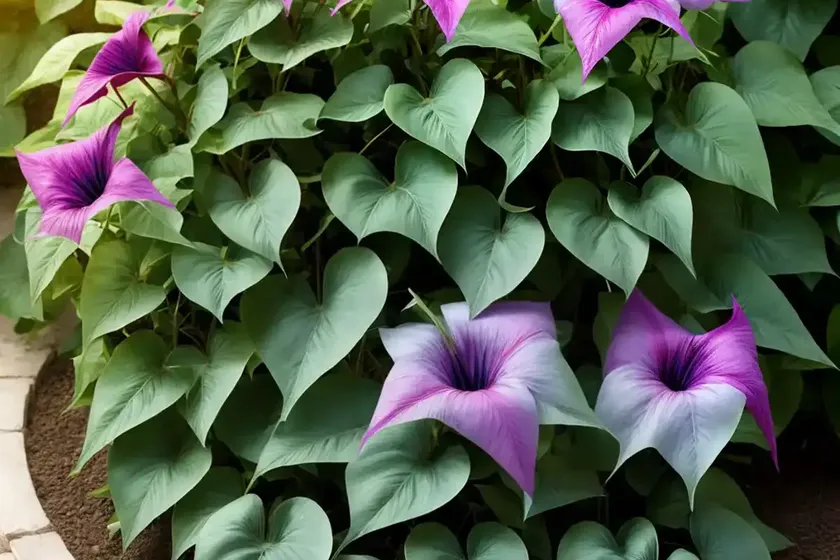
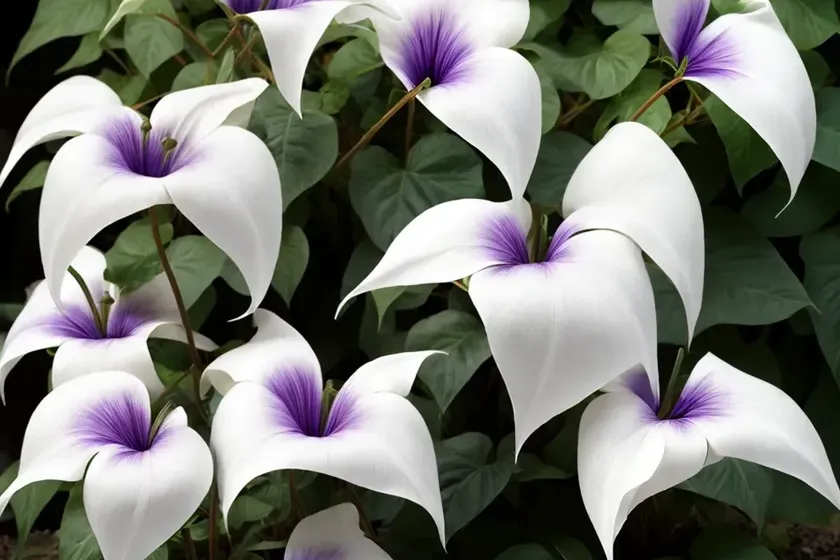
Morning Glory, scientifically known as Ipomoea tricolor, is a beautiful and versatile flowering plant that belongs to the family Convolvulaceae. It is cherished for its stunning trumpet-shaped blooms and lush foliage, making it a popular choice for gardens, landscapes, and containers. In this comprehensive guide, we will delve into the various aspects of Morning Glory care, cultivation, and maintenance to help you cultivate and enjoy the beauty of this remarkable plant.
What is Morning Glory (Ipomoea tricolor)?
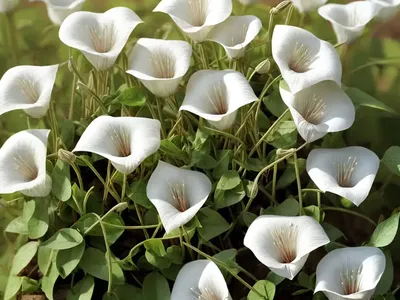
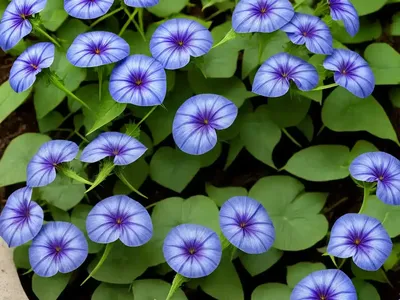
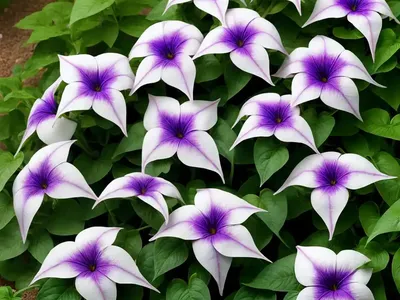
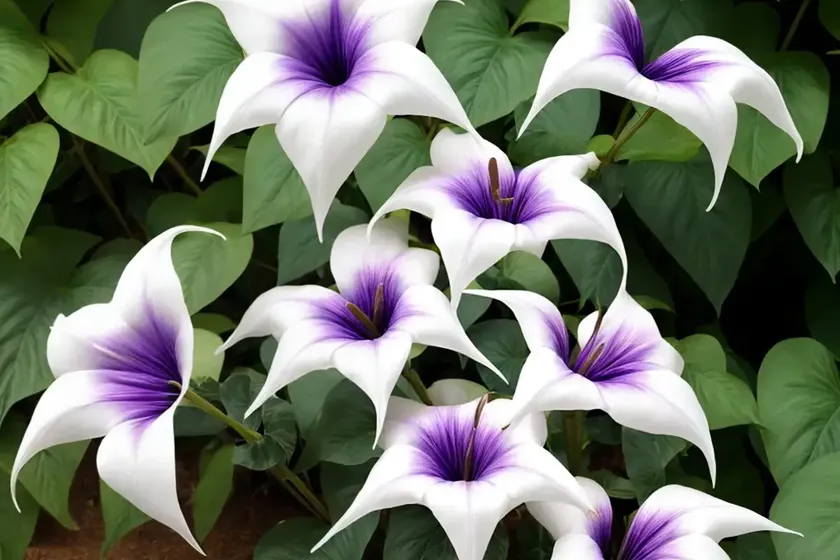
Morning Glory is a fast-growing annual or perennial vine that originates from Mexico and Central America. Known for its vibrant flowers and heart-shaped leaves, this plant has been cultivated for centuries and holds significant cultural and historical importance. The characteristic trumpet-shaped flowers of Morning Glory bloom in a variety of hues, including shades of blue, purple, pink, and white, adding a delightful aesthetic to any environment.
Key Takeaways – Morning Glory (Ipomoea tricolor)
- Scientific Name: Ipomoea tricolor
- Common Names: Morning Glory, Heavenly Blue, Mexican Morning Glory
- Family: Convolvulaceae
- Plant Type: Annual or Perennial Vine
- Native Habitat: Mexico and Central America
- Uses: Ornamental, Medicinal, Ethnobotanical
- Notable Feature: Vibrant trumpet-shaped flowers in a range of colors
Now, let’s explore the various aspects of Morning Glory care and cultivation to help you foster a thriving and beautiful plant.
Culture
Water
Morning Glory thrives in moderately moist soil, and regular watering is essential for its growth and blooming. However, it is crucial to avoid overwatering, as excessive moisture can lead to root rot and other issues. During the growing season, it is advisable to water the plant when the top inch of the soil becomes dry. Additionally, Morning Glory benefits from deep, thorough watering rather than frequent light watering.
Sunlight
As a sun-loving plant, Morning Glory flourishes in full sunlight. It should be planted in an area that receives at least 6-8 hours of direct sunlight each day. Insufficient sunlight may result in leggy growth and diminished flowering. Therefore, when selecting a location for planting Morning Glory, prioritize areas with ample sunlight exposure.
Fertilizer
To support robust growth and prolific flowering, Morning Glory can benefit from periodic fertilization. A balanced, water-soluble fertilizer with a formulation such as 10-10-10 or 20-20-20 can be applied every two to three weeks during the growing season. It is important to follow the manufacturer’s instructions and avoid over-fertilizing, as excessive nutrients can lead to excessive foliage growth at the expense of blooms.
Soil
Morning Glory thrives in well-draining, nutrient-rich soil. A loamy or sandy soil with good drainage is ideal for cultivating this plant. It is essential to ensure that the soil does not become waterlogged, as this can adversely affect the plant’s health. Additionally, maintaining a slightly acidic to neutral soil pH in the range of 6.0-7.0 is conducive to healthy Morning Glory growth.
Pruning
Pruning is a valuable practice in maintaining the health and appearance of Morning Glory plants. Regular pruning helps control the plant’s growth, removes diseased or damaged foliage, and encourages the development of new blooms. When pruning Morning Glory, it is advisable to remove spent flowers and trim back excessive growth to promote bushier, more compact growth.
Propagation
Morning Glory can be propagated through seeds or cuttings. Seeds are the most common method of propagation and can be sown directly in the garden or started indoors for subsequent transplanting. Prior to sowing the seeds, scarification—abrasion or nicking of the seed coat—can enhance germination rates. Additionally, Morning Glory seeds benefit from soaking in warm water for several hours before planting to expedite germination.
Container Popularity
Morning Glory is well-suited for container gardening, making it an attractive choice for individuals with limited outdoor space. When cultivating Morning Glory in containers, it is essential to select a sufficiently large pot to accommodate the plant’s vigorous growth. Additionally, ensuring adequate support for the vine, such as a trellis or stake, is important when growing Morning Glory in containers.
Common Diseases
Morning Glory may be susceptible to certain diseases, including fungal infections and bacterial issues. Understanding common diseases and their symptoms is essential for effective disease prevention and management. Some common diseases that may affect Morning Glory include:
Disease Diagnosis
- Powdery Mildew: Characterized by a powdery white coating on leaves and stems, powdery mildew can negatively impact plant health and vigor.
- Leaf Spot: Leaf spot diseases manifest as dark, discolored spots on the foliage, often with concentric rings. These can lead to premature leaf drop and reduced photosynthetic capacity.
- Fusarium Wilt: This fungal disease can cause wilting, yellowing, and eventual death of the plant due to impaired water and nutrient uptake.
- Botrytis Blight: Also known as gray mold, botrytis blight can cause necrosis and decay of flowers and foliage, particularly in humid conditions.
Common Pests
In addition to diseases, Morning Glory may be susceptible to various pests that can affect its overall health and vitality. Some common pests that may infest Morning Glory include:
Botanist’s Tips
Successfully growing and caring for Morning Glory requires knowledge of its specific requirements and growth habits. Here are some valuable tips for cultivating thriving Morning Glory plants:
- Choose the Right Location: Select a sunny, well-drained location for planting Morning Glory to ensure optimal growth and flowering.
- Provide Adequate Support: When growing Morning Glory vertically, provide sturdy support such as a trellis or arbor for the vine to climb and thrive.
- Monitor Moisture Levels: Keep an eye on soil moisture and water Morning Glory plants consistently to prevent drying out or waterlogging.
- Prune Regularly: Engage in regular pruning to maintain plant shape, remove spent flowers, and encourage continuous blooming.
- Support Healthy Soil: Ensure that the soil is rich in organic matter and nutrients to support vigorous growth and prolific flowering.
Fun Facts
Links to External Resources
For more information on Morning Glory care, cultivation, and ornamental uses, feel free to explore the following external resources:
- Royal Horticultural Society: Morning Glory
- The Spruce: Growing Morning Glory
- University of Florida IFAS Extension: Ipomoea tricolor
- Missouri Botanical Garden: Ipomoea tricolor
- Gardening Know How: Morning Glory Plant Care
Conclusion
Morning Glory (Ipomoea tricolor) is a captivating plant that adds enchanting beauty to gardens, landscapes, and containers. With its stunning flowers, lush foliage, and cultural significance, it remains a beloved choice for plant enthusiasts and gardeners alike. By understanding the essential aspects of Morning Glory care, including watering, sunlight, soil, and propagation, individuals can cultivate flourishing plants that brighten their surroundings with vibrant blooms. Additionally, being aware of common diseases, pests, and best practices for pruning and maintenance empowers individuals to foster healthy and thriving Morning Glory plants. As you embark on your journey to cultivate and appreciate the splendor of Morning Glory, remember to embrace the joy and wonder that this remarkable plant brings to your gardening experience.
Remember, the beauty of Morning Glory is not just in its blossoms, but in the gratification of nurturing and witnessing its splendid growth.
This comprehensive plant care guide provides valuable insights into the cultivation, care, and maintenance of Morning Glory (Ipomoea tricolor). By incorporating essential information on water, sunlight, fertilizer, soil requirements, pruning, propagation, common diseases, and pests, this guide equips plant enthusiasts and gardeners with the knowledge and tools needed to foster healthy and thriving Morning Glory plants.
For further inquiries or detailed discussions on Morning Glory care and cultivation, feel free to reach out to us or connect with fellow gardening enthusiasts who share a passion for the splendor of nature’s most captivating flora.