Morning Glories (Ipomoea)
The world of plants encompasses a vast array of species, each with its own unique characteristics, cultural significance, and cultivation requirements. In.
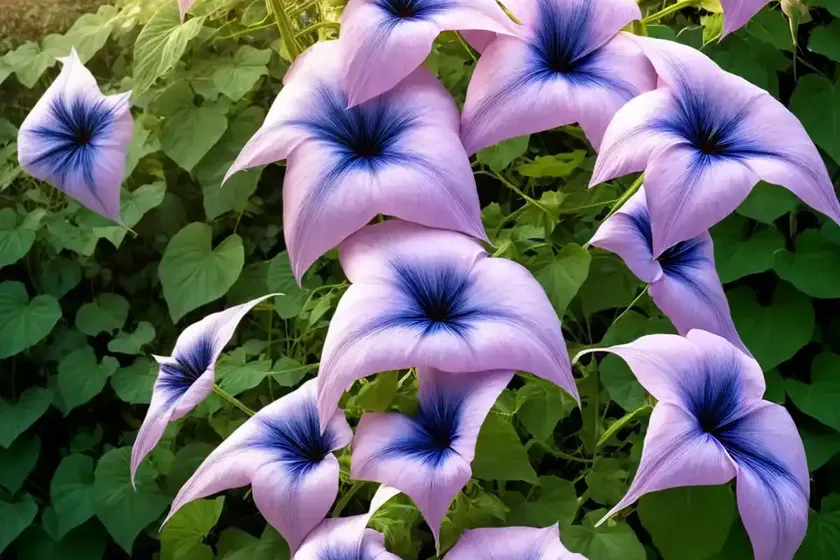
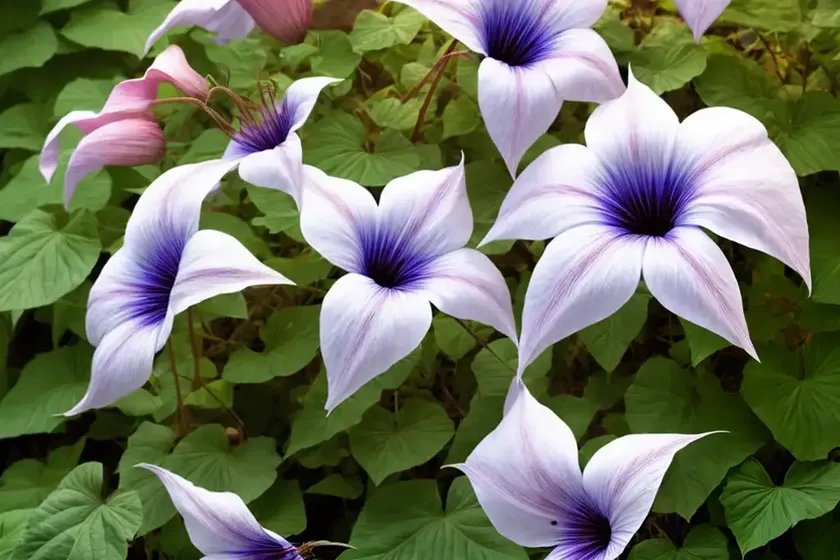
The world of plants encompasses a vast array of species, each with its own unique characteristics, cultural significance, and cultivation requirements. In this extensive guide, we will delve into the captivating realm of Morning Glories (Ipomoea), exploring their diverse types, growing conditions, uses, and maintenance. Whether you are an experienced gardener or a newcomer to the horticultural scene, this comprehensive overview will provide valuable insights into the cultivation and care of Morning Glories.
What is a Plant?
Plants are living organisms that belong to the kingdom Plantae, characterized by their ability to photosynthesize and produce their own food. They play a fundamental role in ecosystems, providing oxygen, food, habitats, and numerous resources essential for life on Earth. Plants exhibit a remarkable diversity, ranging from tiny mosses to towering trees, and they have evolved various adaptations to thrive in diverse environments.
Morning Glories (Ipomoea)
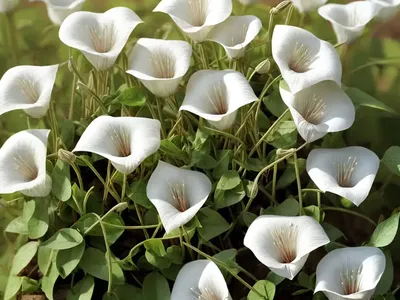
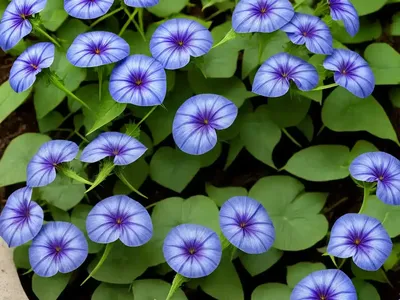
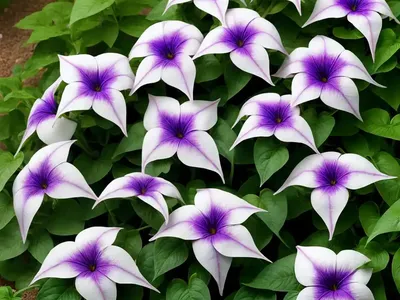
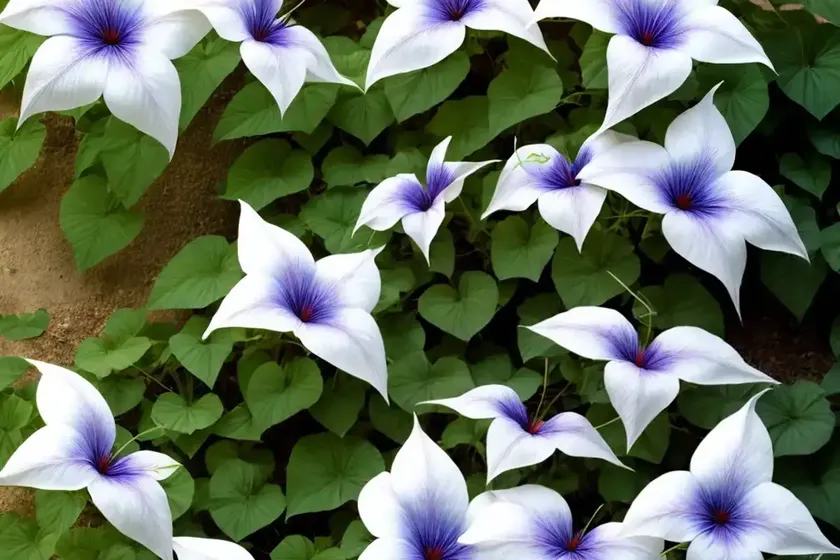
Morning Glories, scientifically classified under the genus Ipomoea, are a group of flowering plants encompassing several hundred species. Known for their spectacular trumpet-shaped blooms and vigorous growth habits, Morning Glories are cherished for their ornamental value and versatile uses in gardening and landscaping. These captivating vines are characterized by their vibrant flowers, heart-shaped leaves, and twining stems, creating a charming display of color and greenery.
The genus Ipomoea includes a wide range of annual and perennial species, each offering distinct features and growth patterns. From traditional garden favorites to lesser-known varieties, Morning Glories captivate the imagination of plant enthusiasts with their enchanting allure and cultural significance.
Key Takeaways – Morning Glories (Ipomoea)
Before delving into the specific aspects of Morning Glory cultivation, let’s take a moment to outline the key takeaways associated with these exquisite plants. Here’s a brief overview of the essential points we will explore in detail throughout this guide:
- Ipomoea plants: Understanding the genus Ipomoea and its diverse species.
- Morning glory vines: Exploring the climbing habits and growth characteristics of Morning Glories.
- Types of Morning Glories: Discovering the wide array of Morning Glory varieties, each with its unique flower forms and colors.
- Growing Morning Glories: Unveiling the cultivation requirements and best practices for fostering healthy and vibrant Morning Glory plants.
- Morning Glory flowers: Appreciating the dazzling beauty and symbolism of Morning Glory blooms.
- Tips for cultivating Ipomoea: Practical insights and guidelines for successful Morning Glory cultivation.
- How to care for Morning Glories: Providing the essential care and maintenance needed to support thriving Morning Glory plants.
- Benefits of Morning Glories: Recognizing the ecological, aesthetic, and cultural benefits associated with Morning Glory cultivation.
- Ipomoea in gardening: Exploring the versatile role of Morning Glories in garden design and horticultural endeavors.
- Morning Glory plant care: Delving into the specific care routines and requirements for optimal Morning Glory growth and development.
These fundamental aspects will serve as the foundation for our exploration of Morning Glories, offering valuable insights for enthusiasts and horticulturalists alike.
Culture
Morning Glories have captivated gardeners and plant enthusiasts for centuries, cherished for their delicate blooms and enchanting climbing habits. Understanding the cultural significance and uses of these alluring plants is essential for appreciating their role in horticulture and landscaping.
Uses
The uses of Morning Glories span a diverse spectrum, encompassing both ornamental and practical applications. Here are some common uses of Morning Glories in various contexts:
- Ornamental Display: Morning Glories are renowned for their captivating blooms, making them a popular choice for adding vibrant color and vertical interest to gardens, trellises, and arbors.
- Vertical Gardening: Their climbing tendencies make Morning Glories excellent candidates for vertical gardening, where they can be trained to adorn walls, fences, and other vertical structures.
- Container Planting: Compact varieties of Morning Glories are suitable for container gardening, enabling enthusiasts to enjoy their beauty on balconies, patios, and other confined spaces.
- Wildlife Attraction: The nectar-rich flowers of Morning Glories attract pollinators such as bees, butterflies, and hummingbirds, contributing to biodiversity and ecological balance.
- Cultural Significance: In various cultures, Morning Glory flowers hold symbolic meanings and are incorporated into traditions, ceremonies, and artistic expressions.
Understanding the diverse uses of Morning Glories elucidates their significance beyond mere aesthetic appeal, highlighting their contributions to ecological enrichment and cultural heritage.
Water
Proper watering is essential for the health and vitality of Morning Glory plants. Understanding the water requirements and irrigation practices for Morning Glories is paramount for fostering robust growth and abundant flowering.
Sunlight
Morning Glories thrive in bright, full sun conditions, requiring at least 6-8 hours of direct sunlight daily for optimal growth and bloom production. Adequate sunlight is crucial for stimulating vigorous vine growth and promoting prolific flowering.
Fertilizer
Applying a balanced fertilizer can enhance the growth and blooming potential of Morning Glory plants. However, excessive fertilizer can lead to excessive foliage growth at the expense of flowers. It’s essential to use a fertilizer with a balanced nutrient composition to support overall plant health and floral abundance.
Soil
Morning Glories thrive in well-draining, fertile soil with a slightly acidic to neutral pH range (6.0-7.0). Loamy soil with good moisture retention capabilities is ideal for promoting healthy root development and vigorous vine growth.
Pruning
Regular pruning can help manage the growth of Morning Glory vines and promote bushier, more compact growth. Pruning can also encourage the development of lateral branches and increase the overall flowering potential of the plant.
Propagation
Morning Glories can be propagated from seeds, cuttings, or division. Each propagation method offers its own advantages and considerations, allowing enthusiasts to expand their Morning Glory collection through various means.
Container Popularity
Compact varieties of Morning Glories are popular choices for container gardening, allowing individuals with limited garden space to enjoy their captivating beauty on balconies, patios, and other confined areas.
Container Common Diseases
While Morning Glories are relatively resilient plants, they can be susceptible to certain diseases when grown in containers. These may include:
- Powdery Mildew: A fungal disease that causes a powdery white coating on leaves and stems, leading to reduced plant vigor and aesthetic appeal.
- Root Rot: Excessive moisture and poor drainage in containers can contribute to root rot, jeopardizing the health and longevity of Morning Glory plants.
Understanding these potential diseases is crucial for implementing proactive measures to prevent and manage them effectively.
Disease Diagnosis
Diagnosing diseases in Morning Glory plants involves careful observation of symptoms such as leaf discoloration, wilting, and unusual growth patterns. Proper identification of diseases is the first step towards implementing targeted control measures and ensuring the continued health of the plants.
Common Pests
Morning Glories may fall victim to various pests that can compromise their health and aesthetic appeal. Common pests that may affect Morning Glory plants include:
- Aphids: Small, sap-sucking insects that can cause leaf distortion and weaken the plants.
- Spider Mites: Tiny pests that feed on plant sap and create fine webbing, leading to leaf discoloration and reduced vigor.
Effective pest management practices are essential for safeguarding Morning Glories from infestations and preventing potential damage.
Botanist’s Tips
As a plant scientist with expertise in Morning Glory cultivation, I offer the following practical tips for enthusiasts seeking to foster healthy and thriving Ipomoea plants:
- Selecting the Right Variety: Choose Morning Glory varieties that are well-suited to your growing conditions and preferences, considering factors such as vine length, flower color, and growth habit.
- Providing Structural Support: Due to their climbing nature, Morning Glories require sturdy support structures such as trellises or fences to facilitate vertical growth and prevent tangles.
- Monitoring Moisture Levels: Consistent moisture is crucial for Morning Glory plants, especially during the active growing season. Monitor soil moisture and adjust watering practices accordingly.
- Pruning for Encouraged Blooming: Regular pruning can promote abundant flowering and prevent excessive vine growth, resulting in a more balanced and visually appealing display.
- Mulching for Soil Protection: Applying a layer of organic mulch around the base of Morning Glory plants can help conserve moisture, suppress weed growth, and insulate the soil, promoting optimal root health.
By integrating these botanist’s tips into their cultivation practices, enthusiasts can enhance the vitality and beauty of their Morning Glory plants, fostering a flourishing garden display.
Fun Facts
Uncover the captivating world of Morning Glories with these intriguing fun facts:
- Symbolism in Different Cultures: Morning Glory flowers hold various symbolic meanings across different cultures, representing love, affection, and rebirth in some traditions.
- Phenomenon of Flowering Time: True to their name, Morning Glory flowers typically bloom in the early morning hours, unfolding their vibrant petals to greet the day before gradually closing as the day progresses.
- Historical Significance: Morning Glories have a rich historical background, featuring in folklore, literature, and artistic depictions, attesting to their enduring appeal over the centuries.
Exploring these fun facts adds an enriching layer of insight and appreciation for the cultural and natural significance of Morning Glory plants.
Links to External Resources
To further expand your knowledge and appreciation of Morning Glories (Ipomoea), explore the following external resources:
- The American Morning Glory Society: A comprehensive resource for Morning Glory enthusiasts, featuring information on cultivation, species diversity, and community engagement.
- Royal Horticultural Society – Morning Glories: An in-depth guide to growing and caring for Morning Glories, provided by the Royal Horticultural Society.
- University of Missouri Extension – Morning Glories: Educational materials on Morning Glory cultivation and management, offering practical insights for gardeners and horticulturalists.
These resources offer valuable insights into Morning Glory plants, providing in-depth information and practical tips for enthusiasts and professionals alike.
In conclusion, Morning Glories (Ipomoea) represent a captivating group of plants renowned for their exquisite flowers, climbing habits, and diverse uses. By understanding their cultural significance, cultivation requirements, and practical care guidelines, enthusiasts can cultivate thriving Morning Glory displays, enhancing the beauty and biodiversity of their garden spaces. Embrace the enchanting allure of Morning Glories and embark on a horticultural journey enriched by their timeless charm and botanical grace.