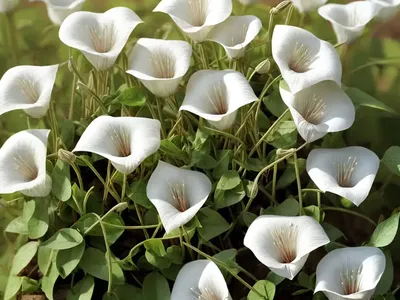
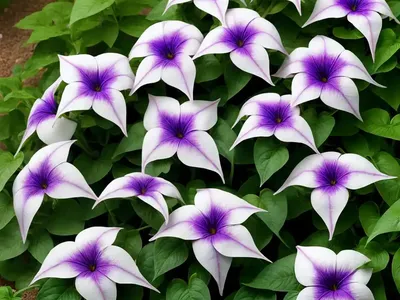
Moonflower (Ipomoea Alba)
The Moonflower (Ipomoea alba) is a captivating and ethereal plant that has fascinated gardeners and nature enthusiasts for centuries. Known for its.
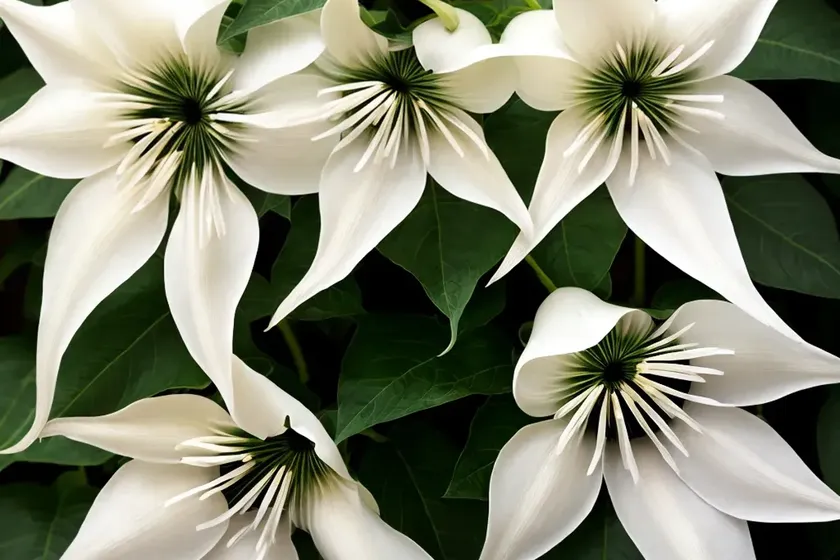
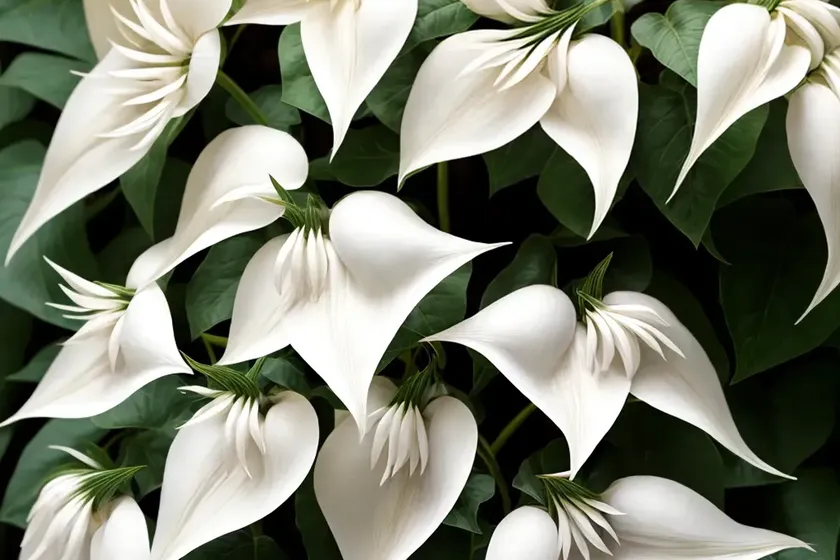
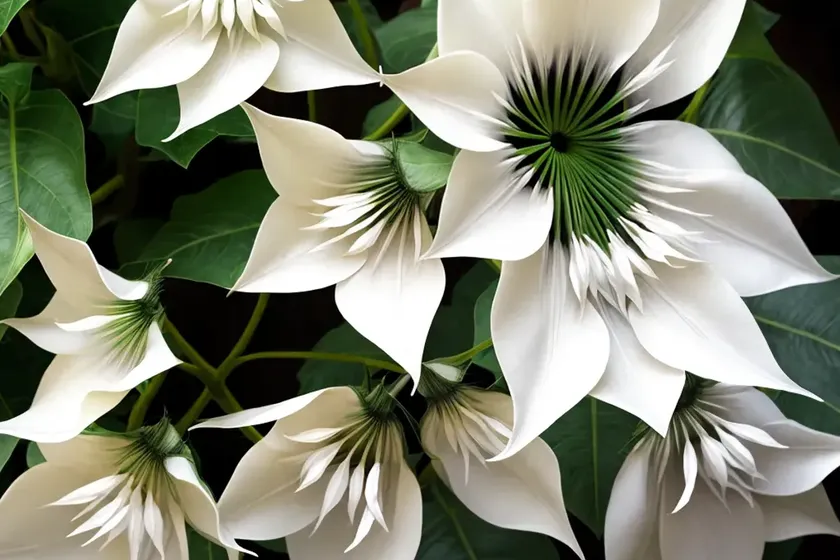
Introduction to Moonflower (Ipomoea alba)
The Moonflower (Ipomoea alba) is a captivating and ethereal plant that has fascinated gardeners and nature enthusiasts for centuries. Known for its delicate and fragrant blooms that unfurl under the moonlight, this vine is not only visually stunning but also holds cultural and symbolic significance in many traditions.
In this comprehensive guide, we will delve into the characteristics, cultivation, care, and uses of the Moonflower plant. Whether you are a seasoned gardener or a beginner looking to nurture this enchanting vine, this guide will equip you with the knowledge and insights needed to cultivate and appreciate the beauty of Ipomoea alba.
Key Takeaways – Moonflower (Ipomoea alba)
Before we embark on this botanical journey, let’s take a look at the key takeaways that we will explore in detail throughout this guide.
Moonflower (Ipomoea alba) Characteristics
- Ethereal and fragrant white blooms
- Nocturnal blooming habits
- Vigorous climbing vine
Moonflower Plant Care
- Water requirements
- Sunlight preferences
- Soil and fertilizer needs
- Pruning techniques
Growing Moonflower (Ipomoea alba)
- Ideal propagation methods
- Container gardening tips
- Climatic and seasonal care
Moonflower Vine
- Unique life cycle
- Nocturnal pollination
- Environmental significance
Ipomoea alba Cultivation
- Climatic and habitat requirements
- Companion planting suggestions
- Natural wildlife benefits
Moonflower Seeds
- Planting and germination tips
Moonflower Plant Guide
- Complete care instructions
- Historical and cultural significance
Ipomoea alba Varieties
- Diversity in Moonflower cultivars
Moonflower Plant Facts
- Fascinating botanical insights
- Therapeutic properties
Moonflower Plant Uses
- Decorative and medicinal applications
Now that we have outlined our roadmap, let’s immerse ourselves in the world of the Moonflower plant, from its cultivation to its spiritual and environmental associations.
Moonflower (Ipomoea alba) Cultivation and Care
Cultivating and caring for Moonflowers requires a nuanced understanding of their unique characteristics and environmental needs. From water and sunlight requirements to soil composition and pruning techniques, each aspect plays a crucial role in nurturing these enchanting vines. Let’s explore the essential factors that contribute to the successful growth of Ipomoea alba.
Water
Proper watering is essential for the healthy growth and blooming of Moonflowers. While they require consistent moisture, it is important to avoid waterlogging the soil, as this can lead to root rot. Here are some key points to consider when watering your Moonflower plants:
- Frequency: Water the plants regularly, especially during dry spells. However, ensure that the soil has proper drainage to prevent water stagnation.
- Morning Watering: It is advisable to water Moonflowers in the morning to allow excess moisture to evaporate during the day, reducing the risk of fungal diseases.
Sunlight
As nocturnal bloomers, Moonflowers have specific preferences when it comes to sunlight exposure. Understanding their light requirements is crucial for ensuring robust growth and prolific blooming. Here are some important considerations regarding sunlight for Moonflower plants:
- Partial Shade: Moonflowers thrive in partial shade, where they receive indirect sunlight during the day. Avoid exposing them to harsh midday sun, as this can lead to wilting and sunburn.
- Evening Sun: While they prefer partial shade during the day, Moonflowers benefit from receiving the gentle rays of the evening sun, which helps prepare them for their enchanting nocturnal blooms.
Fertilizer
Providing the right nutrients through fertilization is essential for enhancing the growth and blooming of Moonflowers. However, it is important to use fertilizers judiciously to prevent excessive foliage growth at the expense of flowers. Consider the following guidelines for fertilizing Moonflower plants:
- Balanced Fertilizer: Use a balanced, all-purpose fertilizer with a lower nitrogen content to promote healthy flowering without stimulating excessive vegetative growth.
- Moderate Application: Apply the fertilizer sparingly, following the manufacturer’s recommended dosage. Over-fertilization can lead to lush foliage at the expense of blooms.
Soil
The soil composition plays a pivotal role in providing the essential nutrients and drainage for Moonflower plants. It is important to create a conducive environment for their roots to thrive and support the plant’s overall well-being. Here are some soil considerations for cultivating Moonflowers:
- Loose and Well-Draining: Moonflowers prefer loose, well-draining soil that prevents waterlogging and allows the roots to access oxygen. Consider amending heavy clay soils with organic matter to improve drainage.
- Neutral pH: Aim for a slightly acidic to neutral pH range (6.0-7.0) for the soil. Conduct a soil test to ensure the pH level is within the optimal range for Moonflower cultivation.
Pruning
Pruning is an essential aspect of Moonflower care, contributing to the plant’s health, aesthetics, and blooming capacity. Proper pruning techniques help manage the plant’s growth and encourage prolific flowering. Here’s a guide to effective pruning of Moonflower plants:
- Deadheading: Regularly remove spent blooms to promote continuous flowering and prevent the plant from expending energy on seed production.
- Managing Growth: Trim back excessively long or unruly vines to maintain a tidy and manageable growth habit. Pruning also encourages branching and fuller foliage.
References:
– Royal Horticultural Society: Growing Moonflowers
– Old Farmer’s Almanac: Moonflowers
This is only a small section of the blog.