Mondo Grass (Ophiopogon Planiscapus ‘Nigrescens’)
Mondo grass, also known by its scientific name Ophiopogon planiscapus ‘Nigrescens’, is an evergreen perennial plant belonging to the Asparagaceae family..
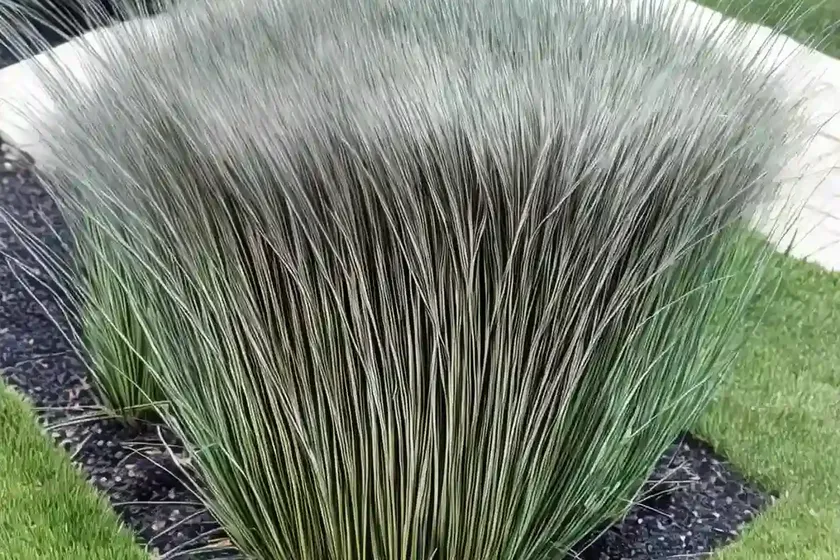
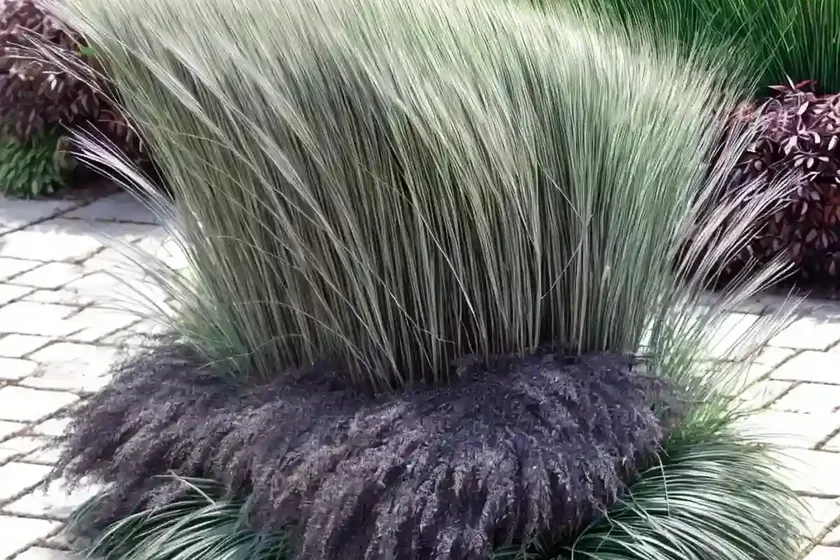
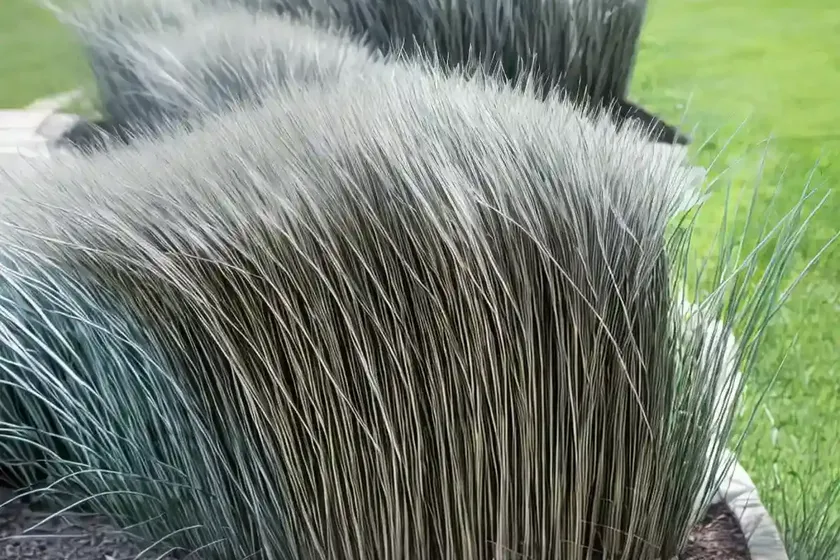
What is mondo grass (Ophiopogon planiscapus ‘Nigrescens’)?
Mondo grass, also known by its scientific name Ophiopogon planiscapus ‘Nigrescens’, is an evergreen perennial plant belonging to the Asparagaceae family. It is native to Japan and is incredibly popular in gardens and landscaping due to its striking deep black foliage and its versatility in various growing conditions.
This ornamental grass-like plant is often used as a ground cover or as an edging plant, adding an elegant and dramatic touch to gardens. The ‘Nigrescens’ variety is particularly noteworthy for its intense dark color, which sets it apart from the typical mondo grass species.
Key Takeaways – Mondo grass (Ophiopogon planiscapus ‘Nigrescens’)
Before delving into the specifics of caring for mondo grass, it is essential to understand some key takeaways about this distinctive plant. Here are the main points to keep in mind:
- Ophiopogon planiscapus ‘Nigrescens’ is a low-maintenance, evergreen ground cover.
- It thrives in shade and is drought-tolerant, making it an excellent choice for low-light or dry areas.
- This plant is highly versatile and can be used for borders, in containers, rock gardens, and as an edging plant.
- Mondo grass is known for its ornamental black foliage, adding visual interest to landscapes.
- It is resilient and relatively resistant to diseases and pests, making it an ideal choice for hassle-free landscaping.
With these key points in mind, let’s explore the specifics of caring for mondo grass to ensure its optimal growth and vibrancy.
Culture
Water
Mondo grass is relatively drought-tolerant, making it suitable for landscaping in regions where water availability may be limited. However, to establish the plant and promote healthy growth, regular watering, especially during the initial stages, is essential. Once established, it can thrive with minimal supplemental watering, particularly in shaded areas or during periods of low rainfall.
Sunlight
One of the distinct advantages of mondo grass is its ability to thrive in shade. While it can tolerate some sunlight, it generally prefers partial to full shade conditions. This makes it an excellent choice for areas in the garden that receive limited direct sunlight, such as under trees or along the north side of buildings.
Soil
Mondo grass is adaptable to various soil types, including clay, loam, or sandy soils. It prefers well-draining soil and can even tolerate slightly acidic to slightly alkaline conditions. Before planting, it is advisable to amend the soil with organic matter to enhance its fertility and drainage, thus creating an optimal environment for the plant’s root development.
Fertilizer
This plant generally does not require heavy feeding. However, applying a balanced, slow-release fertilizer in spring can help promote healthy growth and maintain the rich color of its foliage. It is essential to follow the recommended application rates to prevent over-fertilization, which can negatively impact the plant.
Pruning
Minimal pruning is necessary for mondo grass. Removing any dead or damaged foliage periodically can help maintain its neat appearance and overall health. Additionally, trimming back overgrown edges can be done to keep it within the desired boundaries.
Propagation
Mondo grass can be propagated through division, making it relatively easy to propagate and expand its presence in the garden. Divide the plant in early spring or early fall, ensuring that each division has a good root system attached. This method allows gardeners to propagate and share the plant with others while rejuvenating the existing clumps.
Container Popularity
Mondo grass is a popular choice for container gardening due to its low-maintenance nature and striking visuals. Its versatility and adaptability to shade make it an excellent option for adding lush greenery and contrast in various container arrangements, from traditional pots to hanging baskets and ornamental planters.
Container Common Diseases
Considering typical challenges associated with container plants, mondo grass is relatively resistant to diseases in such environments. However, overwatering can lead to root rot, particularly in containers without proper drainage. To avoid this, ensure that the containers have adequate drainage holes and avoid waterlogging the soil.
Disease Diagnosis
Mondo grass is generally resistant to diseases when grown in suitable conditions. However, in unfavorable environments, it may be susceptible to fungal infections such as leaf spot or root rot. Common signs of disease include discoloration, spotting, or wilting of the foliage. Prompt action, such as improving drainage and applying appropriate fungicides, can help manage and prevent the spread of diseases.
Common Pests
Mondo grass is relatively resistant to pests, with minimal risk of pest infestations. However, occasional encounters with snails, slugs, or aphids may occur. These can be managed through environmentally friendly pest control methods, such as manual removal or using natural deterrents.
Botanist’s Tips
To enhance the success of growing mondo grass, consider the following expert tips:
- Mulching: Applying a layer of organic mulch around the plants can help retain moisture, regulate soil temperature, and suppress weed growth.
- Companion Planting: Pairing mondo grass with other shade-loving plants, such as hostas or ferns, can create visually appealing and complementary garden bed arrangements.
- Seasonal Maintenance: During spring, consider lightly raking through the plant to remove any debris and facilitate new growth. Applying a thin layer of compost or balanced fertilizer can also provide essential nutrients for the upcoming growing season.
Fun Facts
- Mondo grass is not a true grass but rather a member of the asparagus family, despite its grass-like appearance.
- The ‘Nigrescens’ variety of mondo grass is valued for its intensely black foliage, creating unique visual interest in gardens and landscapes.
- In traditional Japanese gardens, mondo grass is often used to create serene and tranquil settings, showcasing its versatility and cultural significance.
With its distinct appearance, low-maintenance nature, and adaptability to various growing conditions, mondo grass remains a favorite choice for gardeners and landscapers.
For further information and guidance on mondo grass care, propagation, and landscaping applications, the following external resources provide valuable insights and practical tips:
- American Society for Horticultural Science – Explore research articles and horticultural insights related to ornamental grasses and landscape plantings.
- Royal Horticultural Society – Access gardening advice, plant care guides, and extensive plant databases for a wide range of ornamental plants.
- University Extension Programs – Utilize extension resources provided by universities to access region-specific gardening recommendations and expert insights on ornamental plantings.
By incorporating the above information and applying the recommended practices, gardeners can cultivate vibrant and thriving mondo grass, enhancing the beauty and allure of their outdoor spaces. Whether used as a ground cover, container plant, or border accent, the versatility and striking visuals of mondo grass make it a valuable addition to diverse landscape designs and gardening projects.
References
- Rodondi, G., Cocco, S., Scariot, V. (2014). Evaluation and Conservation of Ornamental Black Mondo Grass (Ophiopogon planiscapus). Acta Horticulturae, 37-42. https://ashs.org/
- Royal Horticultural Society. (n.d.). Gardening Advice. https://www.rhs.org.uk/
- University Extension Programs. (n.d.). Cooperative Extension. https://www.extension.org/