Monarda ‘Vintage Wine’ (Bee Balm)
As a plant scientist, I am excited to share an in-depth guide on one of the most beautiful and versatile plants – Monarda ‘Vintage Wine’, commonly known as.
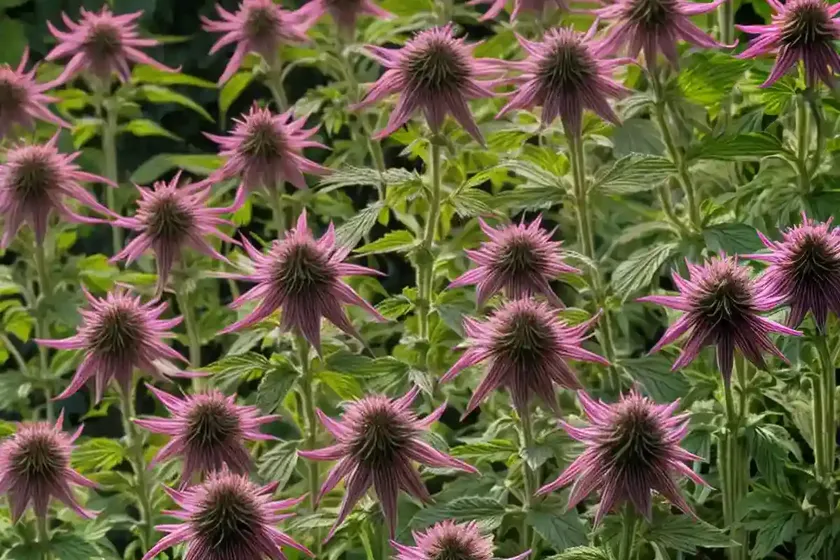
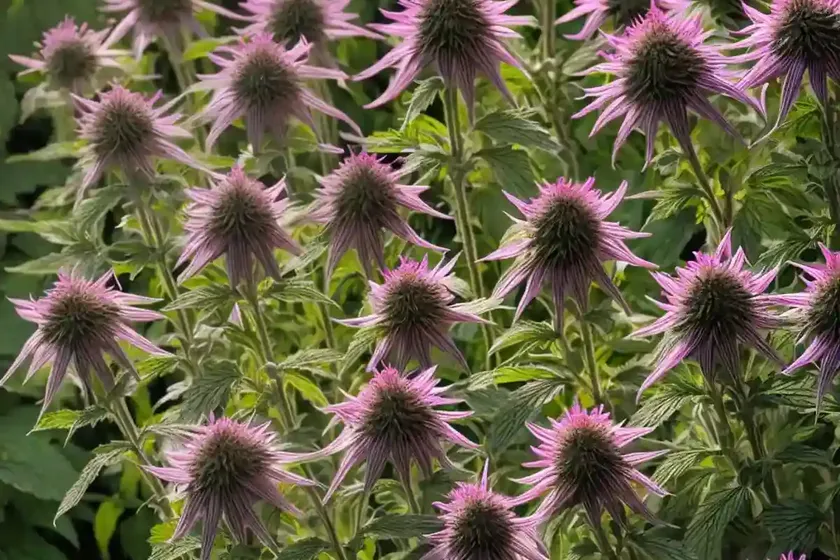
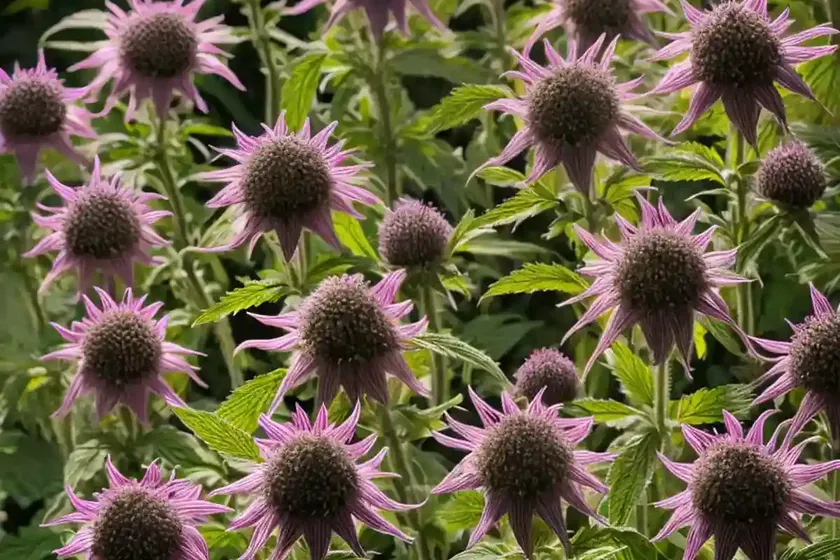
As a plant scientist, I am excited to share an in-depth guide on one of the most beautiful and versatile plants – Monarda ‘Vintage Wine’, commonly known as Bee Balm. This stunning perennial plant not only adds a vibrant touch to gardens but also offers a range of practical and ecological benefits. From its eye-catching blooms to its medicinal properties and wildlife-friendly nature, Monarda ‘Vintage Wine’ is truly a multi-faceted plant.
What is Monarda ‘Vintage Wine’ (Bee Balm)?
Monarda ‘Vintage Wine’ is a member of the Monarda genus within the Lamiaceae family. This cultivar is particularly cherished for its striking reddish-purple flowers, which resemble clusters of tiny tubular blooms. The plant typically grows to a height of 24-36 inches and spreads to about 18-24 inches, creating attractive mounds of foliage adorned with captivating blossoms.
Key Takeaways – Monarda ‘Vintage Wine’ (Bee Balm)
- Scientific Name: Monarda ‘Vintage Wine’
- Common Name: Bee Balm
- Plant Type: Herbaceous Perennial
- Mature Size: 24-36 inches in height, 18-24 inches in spread
- Sunlight: Full sun to partial shade
- Soil: Well-drained, fertile soil
- Water: Medium moisture, consistent watering
- Flower Color: Reddish-purple
- Bloom Time: Mid to late summer
This comprehensive guide will delve into various aspects of caring for Monarda ‘Vintage Wine’, including its cultural requirements, uses, propagation techniques, common pests and diseases, and much more. Whether you’re interested in cultivating a stunning garden or exploring the plant’s ecological significance, this guide will equip you with the knowledge needed to foster and appreciate the beauty of Monarda ‘Vintage Wine’.
Culture
Cultivating Monarda ‘Vintage Wine’ entails understanding its specific cultural requirements to ensure optimal growth and health. Let’s dive into the various elements that contribute to the successful cultivation of this remarkable plant.
Uses
Monarda ‘Vintage Wine’ serves as a multi-faceted addition to gardens and landscapes, offering a rich tapestry of uses and benefits:
- Ornamental Beauty: The vibrant reddish-purple flowers of Monarda ‘Vintage Wine’ make it a prized addition to ornamental gardens, attracting pollinators and providing aesthetic appeal.
- Medicinal Properties: Monarda species have a long history of medicinal use, with the potential to be used in teas and herbal remedies.
- Wildlife Attraction: The nectar-rich flowers of Bee Balm attract a variety of pollinators, including bees, butterflies, and hummingbirds, contributing to the ecological vibrancy of the garden.
- Culinary Uses: The fragrant leaves of Monarda ‘Vintage Wine’ can be utilized to impart a unique flavor to culinary creations, adding a delightful twist to dishes.
Water
Proper watering is essential for the well-being of Monarda ‘Vintage Wine’. This plant thrives in medium moisture and appreciates consistent watering, especially during periods of extended dryness. However, it’s crucial to ensure that the soil is well-drained to prevent waterlogging, which can lead to root rot.
Sunlight
Monarda ‘Vintage Wine’ flourishes in a sunny environment, preferring full sun to partial shade. Adequate sunlight promotes robust flower production and helps maintain the plant’s overall vigor. When selecting a location for the plant, prioritize spots that receive ample sunlight while also offering protection from intense midday sun in hotter regions.
Fertilizer
To support the growth and blooming potential of Monarda ‘Vintage Wine’, applying a balanced, slow-release fertilizer in early spring can provide the necessary nutrients. Opt for a fertilizer with a formulation such as 10-10-10, ensuring a balanced supply of nitrogen, phosphorus, and potassium. Always follow the manufacturer’s instructions regarding application rates and frequency.
Soil
The soil composition plays a pivotal role in the health and development of Monarda ‘Vintage Wine’. It thrives in well-drained, fertile soil with a slightly acidic to neutral pH. Amending the soil with organic matter such as compost or well-rotted manure can enhance its structure and fertility, creating an optimal growing environment for the plant.
Pruning
Pruning is an essential aspect of maintaining the health, appearance, and longevity of Monarda ‘Vintage Wine’. Proper pruning techniques can help manage the plant’s growth, encourage additional flowering, and prevent the onset of disease. Here are some key considerations for effectively pruning Bee Balm:
- Deadheading: Regularly removing spent blooms can encourage the production of new flowers and prolong the blooming period of Monarda ‘Vintage Wine’.
- Thinning: Periodically thinning the plant by cutting back overcrowded stems can improve air circulation and reduce the risk of powdery mildew.
- Division: Dividing mature clumps of Bee Balm every few years can rejuvenate the plant, promoting healthier growth and vigor.
Propagation
For avid gardeners seeking to expand their collection of Monarda ‘Vintage Wine’, propagating the plant through division or seed sowing offers a rewarding endeavor. Here’s a brief overview of the propagation methods for Bee Balm:
Division
Dividing established clumps of Monarda ‘Vintage Wine’ every 3-4 years in early spring or fall can help rejuvenate the plant and create new specimens. Follow these steps for successful division:
- Carefully dig up the plant, ensuring that the root system remains intact.
- Using a sharp, clean tool, divide the plant into sections, each containing several shoots and roots.
- Replant the divisions in prepared soil, ensuring adequate spacing between the newly established plants.
- Provide regular watering and care as the divisions establish themselves in their new locations.
Seed Sowing
Sowing Monarda ‘Vintage Wine’ seeds is another viable method of propagation that allows for the introduction of new plants. Here’s a basic outline of the seed sowing process:
- Start by collecting mature seeds from the spent blooms of Monarda ‘Vintage Wine’ in late summer or fall.
- Sow the seeds in well-draining seed starting mix, lightly pressing the seeds into the soil surface.
- Maintain consistent moisture and provide a warm, bright environment for germination to occur.
- Once the seedlings have developed several sets of true leaves, they can be transplanted into individual pots or directly into the garden.
Container Popularity
The adaptability of Monarda ‘Vintage Wine’ makes it well-suited for container cultivation, allowing individuals with limited garden space to enjoy its beauty. When selecting a container for Bee Balm, opt for one that provides ample room for the plant to grow and has adequate drainage holes to prevent waterlogging. Additionally, using a high-quality potting mix with good drainage properties is essential for container-grown Monarda ‘Vintage Wine’.
Common Diseases
While Monarda ‘Vintage Wine’ is generally resilient, it is susceptible to certain diseases that can impact its health and appearance. Understanding these common diseases and their effective management is crucial for safeguarding the well-being of the plant.
Disease Diagnosis
Some of the common diseases that can affect Monarda ‘Vintage Wine’ include:
- Powdery Mildew: This fungal disease presents as a powdery, white coating on the leaves, typically occurring during periods of high humidity. It can lead to leaf distortion and premature leaf drop.
- Leaf Spot: Characterized by dark, circular lesions on the leaves, leaf spot is caused by various fungal pathogens and can lead to defoliation if left unchecked.
- Root Rot: Excessive moisture, particularly in poorly drained soil, can lead to root rot, causing the plant to exhibit symptoms such as wilting and browning of the lower foliage.
Disease Prevention
Implementing proactive measures can help prevent the onset and spread of diseases in Monarda ‘Vintage Wine’:
- Spacing: Providing adequate spacing between plants promotes air circulation, minimizing the risk of fungal diseases such as powdery mildew and leaf spot.
- Watering: Watering the plant at the base, avoiding overhead irrigation, can help prevent foliage from remaining excessively wet, reducing the likelihood of disease development.
- Well-Drained Soil: Ensuring the plant is grown in well-drained soil mitigates the risk of root rot and other moisture-related issues.
Common Pests
In addition to diseases, Monarda ‘Vintage Wine’ may also encounter various pests that pose a threat to its well-being. Understanding the potential pests and their management is essential for preserving the plant’s health.
Botanist’s Tips
As a botanist, here are some invaluable tips to keep in mind when caring for Monarda ‘Vintage Wine’:
- Mulching: Applying a layer of organic mulch around the base of the plant helps retain soil moisture, suppresses weed growth, and moderates soil temperature.
- Companion Planting: Pairing Monarda ‘Vintage Wine’ with plants such as Echinacea, Rudbeckia, and Agastache can create visually appealing and ecologically beneficial garden arrangements.
- Regular Monitoring: Periodically inspecting the plant for signs of disease, pests, or nutrient deficiencies allows for early intervention and effective management.
Fun Facts
– Did you know?
- Monarda ‘Vintage Wine’ is named after the 16th-century Spanish botanist Nicolas Monardes, who extensively documented the medicinal properties of Monarda species.
- The aromatic leaves of Bee Balm have historically been used by Native American tribes for their medicinal and culinary virtues.
- Bee Balm is a favorite among gardeners looking to attract pollinators and provide a source of nectar for bees, butterflies, and hummingbirds.
Links to External Resources
For further exploration and in-depth information on Monarda ‘Vintage Wine’ (Bee Balm), consider the following external resources:
- The Herb Society of America: Bee Balm and its Many Uses
- North Carolina State University Extension: Monarda Diseases
- University of Maryland Extension: Attracting Pollinators to the Garden
- The Spruce: How to Grow Bee Balm
In conclusion, Monarda ‘Vintage Wine’ (Bee Balm) represents a captivating addition to any garden or landscape, offering a delightful display of vibrant blooms, ecological diversity, and potential medicinal and culinary applications. By understanding its cultural requirements, propagation methods, and pest and disease management, individuals can cultivate and appreciate the multifaceted beauty of this remarkable plant.
With its attractive appearance, ecological significance, and cultural versatility, Monarda ‘Vintage Wine’ stands as a beloved and valuable component of horticulture, bringing joy to gardeners and enriching the natural world with its presence.


