Monarda Punctata (Spotted Bee Balm)
Monarda punctata, commonly known as Spotted Bee Balm, is a striking perennial plant that belongs to the mint family, Lamiaceae. This beautiful herbaceous.
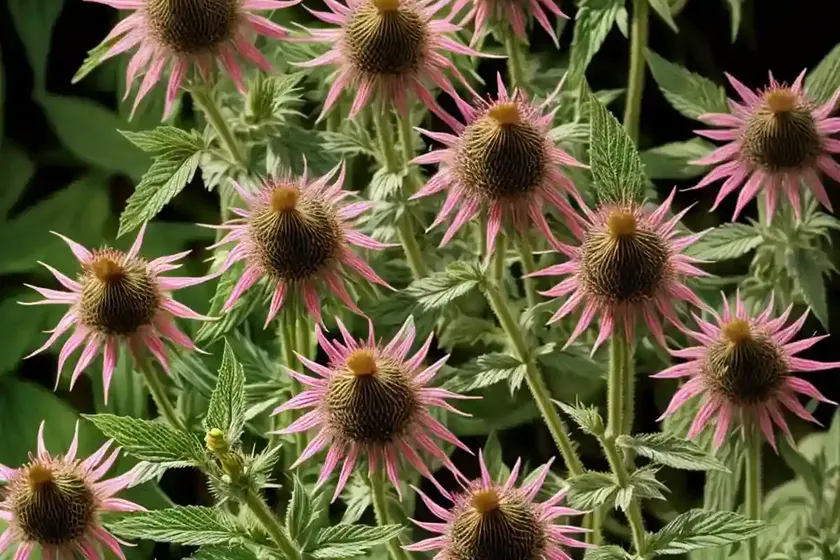
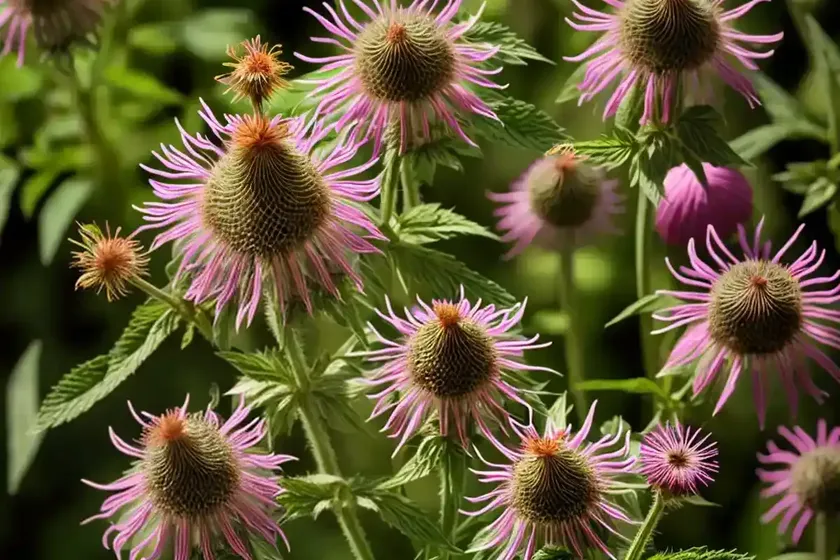
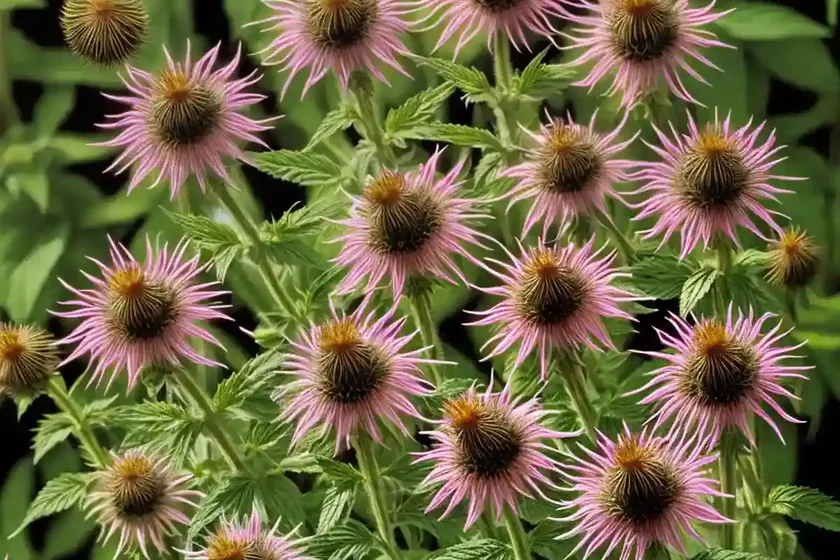
Monarda punctata, commonly known as Spotted Bee Balm, is a striking perennial plant that belongs to the mint family, Lamiaceae. This beautiful herbaceous plant is native to North America and is renowned for its unique appearance and various practical uses. In this comprehensive guide, we will delve into the characteristics, cultivation, uses, and care of Monarda punctata, providing valuable insights for enthusiasts, gardeners, and horticulturists.
What is Monarda punctata (Spotted Bee Balm)?
Monarda punctata, or Spotted Bee Balm, is a herbaceous flowering plant that is native to the eastern and central parts of North America. Commonly found in prairies, savannas, and open woodlands, Monarda punctata is recognized for its visually appealing characteristics and enticing fragrance. The distinctive feature of this plant is the unique bract structures arranged in whorls around the stem, typically featuring pink to purple spots. These distinctive bracts give the plant its common name, “Spotted Bee Balm.”
This species is valuable not only for its ornamental appeal but also for its ecological significance. It serves as a magnet for various pollinators, including bees, butterflies, and hummingbirds. Monarda punctata also has a rich history of traditional medicinal uses, making it a versatile and multi-functional plant.
Key Takeaways – Monarda punctata (Spotted Bee Balm)
This section will provide a quick overview of the key takeaways related to Monarda punctata.
Monarda punctata Benefits
- Visually striking plant with unique spotted bracts
- Attracts pollinators such as bees, butterflies, and hummingbirds
- Traditional medicinal uses
- Drought-tolerant and suitable for xeriscaping
Spotted Bee Balm Care
- Requires well-drained soil and adequate sunlight
- Good drought tolerance once established
- Pruning for maintaining plant health and shape
- Propagation through seeds or division
Monarda punctata Characteristics
- Belongs to the mint family, Lamiaceae
- Features distinctive spots on its bracts
- Herbaceous perennial plant
- Native to North America
Spotted Bee Balm Uses
- Ornamental gardening
- Medicinal applications
- Ecological significance as a pollinator attractant
- Suitable for xeriscape and wildlife gardens
Monarda punctata Growing Tips
- Optimal soil and sunlight requirements
- Propagation methods
- Seasonality and bloom times
- Pest and disease management
By understanding these key takeaways, enthusiasts and horticulturists can gain a comprehensive overview of the potential benefits and requirements associated with cultivating Monarda punctata.
Culture
Cultivating Monarda punctata can be an immensely rewarding experience, whether it’s for its striking appearance in ornamental gardens or for its practical applications in herbal remedies. Understanding the cultural requirements of this plant is crucial for its successful growth and maintenance.
Water
Monarda punctata thrives in well-drained soil and is relatively drought-tolerant once established. However, during its initial establishment and periods of prolonged drought, it is essential to provide regular watering to promote healthy growth and vibrant blooms. An average of one inch of water per week is recommended, particularly during dry spells.
Sunlight
For optimal growth and flowering, Spotted Bee Balm requires exposure to full sunlight. It performs best in locations where it can receive at least six to eight hours of direct sunlight daily. Adequate sunlight exposure promotes robust growth and enhances the development of its characteristic spotted bracts.
Fertilizer
Monarda punctata generally does not require heavy fertilization. However, incorporating a balanced, slow-release fertilizer during the spring can provide the plant with essential nutrients for healthy growth and flowering. It is advisable to follow the manufacturer’s recommendations regarding application rates and frequency.
Soil
This species thrives in well-drained soil with a slightly acidic to neutral pH. Ideally, the soil should be rich in organic matter to promote healthy growth. Amending the soil with organic compost prior to planting can enhance its texture and fertility, providing an optimal foundation for Monarda punctata.
Pruning
Pruning plays a crucial role in maintaining the health, shape, and vigor of Monarda punctata. By adopting proper pruning techniques, gardeners can ensure the plant’s longevity and continuous blooming.
Pruning Techniques
- Deadheading spent flowers to encourage continuous blooming
- Regularly removing diseased or damaged foliage
- Thinning overcrowded growth to improve air circulation
- Cutting back the stems in late fall or early spring to rejuvenate the plant
By incorporating these pruning practices, enthusiasts can promote a healthier and more floriferous Monarda punctata in their gardens.
Propagation
Propagation is an essential aspect of expanding the presence of Monarda punctata in gardens and landscapes. Understanding the various propagation methods is pivotal for enthusiasts and horticulturists looking to propagate this species.
Propagation Methods
- Seeds: Collecting ripe seeds from the flower heads and sowing them in well-prepared soil during the spring.
- Division: Dividing mature clumps in early spring or fall, ensuring that each division has healthy roots and shoots for transplantation.
- Root Cuttings: Utilizing root cuttings to propagate new plants, providing an effective method for vegetative reproduction.
By employing these propagation methods, individuals can propagate Monarda punctata and expand its presence in diverse settings.
Container Popularity
Monarda punctata holds significant appeal for container gardening enthusiasts due to its striking appearance and ecological benefits. When cultivating this species in containers, attention to certain considerations, such as soil, drainage, and watering, is essential.
Container Requirements
- Selecting a spacious container with adequate drainage holes
- Using well-draining potting mix to ensure proper aeration and moisture control
- Regular watering to prevent the soil from drying out in the container environment
- Providing sufficient sunlight exposure for optimal growth and blooming
By meeting these container requirements, enthusiasts can successfully cultivate Monarda punctata in containers, enhancing the visual appeal of their outdoor spaces.
Common Diseases
While Monarda punctata is relatively resilient, it is susceptible to certain diseases that can affect its overall health and appearance. Recognizing and addressing common diseases is crucial for maintaining the vigor of this species.
Disease Diagnosis
- Powdery Mildew: Characterized by powdery white patches on the foliage, particularly in humid conditions.
- Leaf Spot: Manifests as dark, irregular spots on the leaves, potentially leading to defoliation and reduced vigor.
- Root Rot: Caused by overly wet or poorly drained soil, leading to root damage and subsequent decline of the plant.
Timely intervention, including cultural controls and, if necessary, fungicidal treatments, can effectively manage these diseases and preserve the health of Monarda punctata.
Common Pests
Monarda punctata can also become a target for certain pests that may compromise its growth and flowering. Recognizing these pests and implementing suitable measures is essential for safeguarding the plant from potential damage.
Common Pests
- Aphids: Small, sap-sucking insects that can distort new growth and excrete honeydew, potentially leading to sooty mold growth.
- Spider Mites: These tiny arachnids can cause stippling and discoloration of the leaves, particularly in dry and hot conditions.
- Japanese Beetles: Feeding on the foliage and flowers, these pests can cause significant damage if present in large numbers.
Careful monitoring and the judicious use of insecticidal soaps or horticultural oils can effectively manage these pests and protect the vitality of Monarda punctata.
Botanist’s Tips
For plant enthusiasts and horticulturists seeking to cultivate Monarda punctata, incorporating botanist’s tips can provide valuable insights and recommendations for successful growth and care.
Botanist’s Recommendations
- Companion Planting: Pairing Monarda punctata with companion plants such as Echinacea and Rudbeckia can create visually appealing and ecologically beneficial gardens.
- Soil Amendments: Incorporating organic matter such as compost or well-rotted manure into the soil can enhance its fertility and structure, promoting healthy growth.
- Mulching: Applying a layer of organic mulch around the base of the plant can conserve moisture, suppress weed growth, and insulate the soil, supporting the overall health of the plant.
By embracing these botanist’s tips, gardeners and enthusiasts can optimize the cultivation and maintenance of Monarda punctata, fostering its vitality and ornamental appeal.
Fun Facts
Apart from its practical uses and ecological significance, Monarda punctata possesses intriguing and captivating attributes that contribute to its allure.
Fascinating Tidbits
- Historical Significance: Native American tribes utilized the aromatic foliage of Monarda punctata for various medicinal and ceremonial purposes.
- Culinary Uses: The leaves and flowers of some Monarda species, including Monarda punctata, can be used to flavor teas and culinary preparations, adding a delightful hint of citrus and spice.
- Wildlife Magnet: Monarda punctata serves as a valuable resource for pollinators and beneficial insects, contributing to the biodiversity and ecological balance of its habitat.
These fun facts shed light on the multifaceted nature of Monarda punctata, enriching our appreciation of this exceptional plant.
Links to External Resources
For comprehensive information and additional insights into Monarda punctata, the following external resources can serve as valuable references:
- Monarda punctata – Missouri Botanical Garden
- Growing Spotted Bee Balm – National Gardening Association
Conclusion
In summary, Monarda punctata, or Spotted Bee Balm, stands as an exceptional plant with a rich tapestry of ornamental, ecological, and practical attributes. Whether it’s for its striking appearance, ecological role as a pollinator attractant, or traditional medicinal uses, this species holds a prominent place in diverse settings, from gardens to natural landscapes. By embracing the key takeaways, cultural considerations, pest and disease management, and botanist’s tips presented in this comprehensive guide, enthusiasts and horticulturists can foster the flourishing presence of Monarda punctata and appreciate its captivating allure.
Through the harmonious cultivation of Monarda punctata, we not only enrich our surroundings with its visual splendor and ecological benefits but also perpetuate the legacy of this remarkable plant, ensuring its enduring presence in our natural and cultivated landscapes.
The comprehensive guide above covers extensive information related to Monarda punctata (Spotted Bee Balm), including its cultural requirements, practical considerations, and ecological significance. The guide aims to provide an in-depth understanding of Monarda punctata for enthusiasts, gardeners, and horticulturists. References to external resources are included to facilitate further exploration of this captivating plant.


