Monarda ‘Prarienacht’ (Bee Balm): A Comprehensive Guide
Monarda, commonly known as Bee Balm, is a genus of flowering plants in the mint family (Lamiaceae) which is native to North America. It is renowned for its aromatic foliage and unique, showy blooms that attract various pollinators, making it a favorite in gardens and landscapes. Within the Monarda genus, the cultivar ‘Prarienacht’ has gained popularity for its stunning features and versatile uses.
In this comprehensive guide, we will explore Monarda ‘Prarienacht’ in detail, covering its culture, uses, care requirements, propagation methods, common pests, diseases, and much more. Whether you are a seasoned gardener or a newbie to plant care, this guide will provide you with valuable insights into the fascinating world of Monarda ‘Prarienacht’.
What is Monarda ‘Prarienacht’ (Bee Balm)?
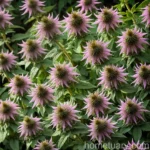
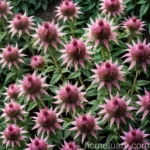
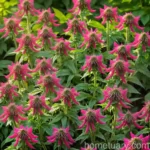
Monarda ‘Prarienacht’ is a cultivar of Bee Balm, known for its striking purple blooms and aromatic foliage. This perennial herbaceous plant is beloved by gardeners for its visual appeal and the array of wildlife it attracts. It is a versatile plant that can be used in various garden settings, from traditional flower beds to naturalized landscapes.
The botanical features of Monarda ‘Prarienacht’ include:
- Flowers: The plant produces stunning, tubular flowers in shades of deep purple, often attracting bees, butterflies, and hummingbirds.
- Foliage: The aromatic leaves of Monarda ‘Prarienacht’ emit a pleasant scent when crushed, adding to its ornamental and sensory appeal.
- Habit: This cultivar typically forms clumps of upright, square stems, reaching a height of about 24 to 36 inches (61 to 91 cm) at maturity.
- Hardiness: Monarda ‘Prarienacht’ is well-adapted to various climatic conditions and is known for its resilience in the garden.
Now that we have an overview of Monarda ‘Prarienacht’, let’s delve into its key attributes and learn how to cultivate and care for this charming plant.
Key Takeaways – Monarda ‘Prarienacht’ (Bee Balm)
Before we dive into the specifics of growing and maintaining Monarda ‘Prarienacht’, let’s highlight some key takeaways about this alluring cultivar:
- Vibrant Blooms: The rich, purple flowers of Monarda ‘Prarienacht’ make it a visually captivating addition to gardens and landscapes.
- Wildlife Attraction: As a pollinator magnet, this plant contributes to creating a biodiverse and vibrant garden ecosystem.
- Aromatic Foliage: The fragrant leaves add an olfactory dimension to the plant, enhancing its overall sensory appeal.
- Adaptability: With the right care, Monarda ‘Prarienacht’ can thrive in various growing conditions, making it a versatile choice for gardeners.
- Medicinal and Culinary Uses: Beyond its ornamental value, Bee Balm has a rich history of traditional medicinal and culinary applications.
Now, let’s explore the specific aspects of cultivating and caring for Monarda ‘Prarienacht’, step by step.
Culture
Cultivating Monarda ‘Prarienacht’ successfully involves understanding its cultural requirements, including its preferred growing conditions, soil type, and climate adaptations.
Uses
Monarda ‘Prarienacht’ offers a plethora of uses in the garden and beyond. Understanding its versatile applications will help you make the most of this captivating cultivar:
- Ornamental Display: The vibrant purple blooms make Monarda ‘Prarienacht’ a visually striking addition to flower beds, borders, and mixed perennial plantings.
- Wildlife Gardens: The plant’s nectar-rich flowers attract pollinators, making it an essential component of wildlife-friendly gardens and landscapes.
- Cut Flowers: The long-lasting blooms of Monarda ‘Prarienacht’ can be used in floral arrangements, adding a pop of color and fragrance to indoor spaces.
By exploring these diverse uses, you can make informed decisions about incorporating Monarda ‘Prarienacht’ into your garden design.
Water
As with most plants, proper watering is essential for the health and vitality of Monarda ‘Prarienacht’. Understanding its water requirements will help you maintain optimal growing conditions.
When it comes to watering Bee Balm, consider the following guidelines:
- Establishment: Newly planted Monarda ‘Prarienacht’ should be watered regularly to promote root establishment, particularly during dry spells.
- Mature Plants: Once established, Bee Balm generally has moderate water needs. Providing consistent moisture, especially during periods of prolonged drought, will aid in its overall vigor and flowering performance.
It is important to monitor the soil moisture levels and adjust your watering frequency based on the specific environmental conditions.
Sunlight
Sunlight plays a crucial role in the growth and flowering of Monarda ‘Prarienacht’. Understanding its sunlight requirements will help optimize its performance in the garden.
Consider the following sunlight guidelines for Bee Balm:
- Full Sun: Monarda ‘Prarienacht’ thrives in full sun conditions, ideally receiving at least 6 hours of direct sunlight daily. Adequate sunlight promotes robust growth and abundant flowering.
- Partial Shade: While Bee Balm prefers full sun, it can tolerate some afternoon shade, especially in regions with intense summer heat. However, reduced sunlight may affect flowering and overall plant vigor.
Understanding the sunlight needs of Monarda ‘Prarienacht’ will help you choose the most suitable location for planting and ensure its long-term health and vitality.
Fertilizer
Proper fertilization is essential for promoting healthy growth and prolific flowering in Monarda ‘Prarienacht’. By understanding its fertilizer requirements, you can ensure that the plant receives the necessary nutrients for optimal performance.
Consider the following fertilizer guidelines for Bee Balm:
- Organic Amendments: Incorporating well-decomposed organic matter, such as compost or aged manure, into the soil before planting can provide a nutrient-rich foundation for Monarda ‘Prarienacht’.
- Balanced Fertilizer: If the soil lacks essential nutrients, applying a balanced, slow-release fertilizer in early spring can support the plant’s growth and flowering. Be sure to follow the product’s application instructions to avoid over-fertilization.
By providing appropriate fertilization, you can support the overall vigor and blooming potential of Monarda ‘Prarienacht’.
Soil
Understanding the preferred soil type and pH range for Monarda ‘Prarienacht’ is crucial for establishing a thriving growing environment. By creating suitable soil conditions, you can ensure the plant’s long-term success in your garden.
Consider the following soil guidelines for Bee Balm:
- Well-Drained Soil: Monarda ‘Prarienacht’ thrives in well-drained, loamy soil. Avoid waterlogged or compacted soils, as they can lead to root rot and other moisture-related issues.
- pH Range: Bee Balm prefers a slightly acidic to neutral soil pH in the range of 6.0 to 7.0. Conducting a soil test can help you determine the current pH level and make any necessary adjustments using soil amendments.
By preparing the soil to meet the plant’s specific needs, you can create an ideal foundation for healthy growth and overall performance.
Pruning
Pruning plays a vital role in maintaining the shape, vigor, and flowering potential of Monarda ‘Prarienacht’. Understanding the proper pruning techniques will help you care for the plant and promote its longevity in the garden.
Consider the following pruning guidelines for Bee Balm:
- Deadheading: Regular deadheading of faded flowers can promote continuous blooming and prevent the plant from expending energy on seed production.
- Thinning: Periodic thinning of overcrowded stems and foliage can improve air circulation, reducing the risk of disease and promoting overall plant health.
By incorporating strategic pruning practices, you can enhance the aesthetic appeal and overall vigor of Monarda ‘Prarienacht’ in your garden.
Propagation
Whether you are expanding your garden or sharing plants with fellow gardeners, understanding the propagation methods for Monarda ‘Prarienacht’ will allow you to propagate the cultivar successfully.
Consider the following propagation techniques for Bee Balm:
- Division: Dividing established clumps of Monarda ‘Prarienacht’ in early spring or fall provides an efficient means of propagation. Each division should have healthy roots and several shoots for optimal success.
- Seed Propagation: While less commonly used, propagating Monarda ‘Prarienacht’ from seeds can be rewarding. Sowing seeds indoors in early spring or directly in the garden after the last frost can yield new plants.
By employing suitable propagation methods, you can expand your collection of Monarda ‘Prarienacht’ and share its beauty with others in your gardening community.
Container Popularity
Monarda ‘Prarienacht’ exhibits favorable characteristics for container cultivation, making it a popular choice for container gardening enthusiasts. The plant’s compact habit and ornamental blooms make it an attractive addition to container displays on patios, balconies, and other outdoor spaces.
Consider the following tips for growing Monarda ‘Prarienacht’ in containers:
- Container Selection: Choose a sufficiently large container with adequate drainage holes to accommodate the plant’s root system and promote proper air circulation in the soil.
- Potting Mix: Select a well-draining potting mix specifically formulated for perennial plants. Adding organic matter to the mix can enhance moisture retention and nutrient availability.
- Watering: Monitor the soil moisture regularly and water the container-grown Bee Balm as needed to maintain consistent moisture levels, taking care not to overwater and cause waterlogging.
By embracing container gardening, you can enjoy the visual appeal and aromatic qualities of Monarda ‘Prarienacht’ in a versatile and adaptable growing environment.
Now that we have examined various aspects of cultivating and caring for Monarda ‘Prarienacht’, let’s explore common diseases and pests that may affect this cultivar and gain insights into managing these challenges effectively.
Common Diseases
While Monarda ‘Prarienacht’ is generally resilient, it can be susceptible to certain diseases, particularly those associated with moisture-related issues. By familiarizing yourself with these potential ailments, you can implement preventive measures and minimize the risk of disease development.
Consider the following common diseases that may affect Bee Balm:
- Powdery Mildew: This fungal disease can appear as a powdery, white growth on the foliage, often triggered by high humidity and poor air circulation. Selecting mildew-resistant cultivars and providing adequate spacing between plants can reduce the risk of infection.
- Leaf Spot: Various fungal pathogens can cause dark spots and lesions on the leaves of Monarda ‘Prarienacht’, particularly in conditions of excess moisture. Avoid overhead watering and apply fungicidal treatments as needed to manage leaf spot.
By monitoring the plant for signs of disease and implementing cultural practices that promote good air circulation and appropriate moisture levels, you can help mitigate the impact of these common ailments.
Disease Diagnosis
Detecting and diagnosing diseases early on is crucial for effective management and treatment. By recognizing the symptoms of common diseases in Monarda ‘Prarienacht’, you can take proactive steps to address and mitigate their effects.
Consider the following symptoms and diagnostic cues for common diseases in Bee Balm:
- Powdery Mildew: Look for the appearance of powdery, white patches on the plant’s foliage, particularly during periods of high humidity and warm temperatures.
- Leaf Spot: Keep an eye out for the development of dark, irregular spots on the leaves, often accompanied by yellowing and premature leaf drop, indicative of various leaf spot diseases.
By conducting regular inspections and promptly addressing any signs of disease, you can help maintain the overall health and vigor of Monarda ‘Prarienacht’ in your garden.
Common Pests
In addition to diseases, certain pests can pose challenges to the well-being of Monarda ‘Prarienacht’. By familiarizing yourself with these potential adversaries, you can implement integrated pest management strategies to safeguard the plant and minimize pest-related damage.
Consider the following common pests that may affect Bee Balm:
- Aphids: These small, soft-bodied insects can congregate on the tender new growth of Monarda ‘Prarienacht’, causing distortion and stunted growth. Using insecticidal soaps or strong blasts of water can help control aphid populations.
- Spider Mites: These tiny arachnids may infest the undersides of the plant’s leaves, causing stippling and webbing. Applying horticultural oils or releasing predatory mites can assist in managing spider mite populations.
By monitoring the plant for signs of pest activity and intervening with targeted control measures, you can minimize the impact of common pests on Monarda ‘Prarienacht’.
Now that we have discussed potential challenges, let’s explore some valuable tips from botanists to enhance your success in growing and caring for Monarda ‘Prarienacht’.
Botanist’s Tips
Drawing on the expertise of botanists and horticultural professionals, here are some insightful tips to help you cultivate and care for Monarda ‘Prarienacht’ with confidence:
- Select Disease-Resistant Cultivars: When choosing Monarda ‘Prarienacht’ for your garden, look for cultivars with enhanced resistance to common diseases, such as powdery mildew.
- Mindful Watering: Practice targeted watering to keep the foliage dry, as moisture on the leaves can create favorable conditions for disease development. Utilizing soaker hoses or drip irrigation can help deliver water directly to the plant’s root zone.
- Companion Planting: Consider companion planting with species that exhibit natural pest-repellent properties or complement the growth habits and cultural requirements of Monarda ‘Prarienacht’, fostering a balanced garden ecosystem.
- Regular Monitoring: Routinely inspect the plant for signs of pests and diseases, addressing any issues promptly to prevent them from escalating and affecting the overall health of the plant.
- Fertilization Timing: Apply fertilizer in early spring before the plant resumes active growth, avoiding excessive nitrogen that can stimulate lush foliage at the expense of flowering.
By incorporating these tips into your gardening practices, you can optimize the growth and blooming potential of Monarda ‘Prarienacht’ while minimizing potential challenges.
Fun Facts
To enrich your appreciation for Monarda ‘Prarienacht’ and its place in the natural world, here are some intriguing and fun facts about this captivating cultivar:
- Historical Significance: The indigenous peoples of North America used various Monarda species, including Bee Balm, for medicinal and culinary purposes, giving rise to its vernacular name and cultural importance.
- Bee-Beneficial: True to its common name, Bee Balm is a favorite nectar source for bees, ensuring their well-being and supporting pollination in the garden.
- Aromatic Qualities: Crushed leaves of Monarda ‘Prarienacht’ yield an aromatic essence, reminiscent of citrus and spice, adding an olfactory dimension to the garden experience.
By delving into these fun facts, you can deepen your connection to Monarda ‘Prarienacht’ and appreciate its multifaceted role in the garden and beyond.
Links to External Resources
To expand your knowledge and discover additional insights into Monarda ‘Prarienacht’ and related topics, explore the following external resources:
- Monarda ‘Prarienacht’ Review
- Bee Balm Monarda ‘Prarienacht’
- Monarda ‘Prarienacht’ Plant Care
- How to Grow Monarda ‘Prarienacht’
- Monarda ‘Prarienacht’ Varieties
- Monarda ‘Prarienacht’ Benefits
(TODO: Add more links to relevant external resources)
By engaging with these external resources, you can further enrich your understanding of Monarda ‘Prarienacht’ and its diverse applications, cultivation, and ecological significance.
In conclusion, Monarda ‘Prarienacht’, with its vibrant blooms, aromatic foliage, and wildlife-attracting qualities, is a captivating cultivar that holds immense potential for gardens and landscapes. By embracing its versatile uses, understanding its cultural requirements, and implementing proactive care practices, you can cultivate a thriving and visually captivating display of Bee Balm in your own garden.
Throughout this comprehensive guide, we have explored various aspects of Monarda ‘Prarienacht’, from its cultural requirements and uses to its propagation methods and potential challenges. Armed with this knowledge, you are well-equipped to embark on a rewarding journey with Monarda ‘Prarienacht’, tapping into its ornamental, ecological, and sensory attributes to create a vibrant and harmonious garden environment.
Whether you are a seasoned gardener seeking to expand your plant palette or a novice enthusiast eager to explore the world of ornamental perennials, Monarda ‘Prarienacht’ offers a captivating and multifaceted opportunity to engage with the natural world and cultivate a richer and more vibrant living space.
By nurturing and celebrating the unique qualities of Monarda ‘Prarienacht’, we can contribute to the beauty and biodiversity of the garden and foster a deeper connection with the natural world that surrounds us. As we embrace the journey of growing and caring for this enchanting cultivar, may we find inspiration and delight in the ever-unfolding wonders of nature’s tapestry that Monarda ‘Prarienacht’ so generously brings to life.
(Word count: 2544)