Monarda Didyma X Fistulosa ‘Oneida’ (Bee Balm)
Monarda didyma x fistulosa ‘Oneida’ is a captivating perennial plant known for its vibrant, showy flowers and aromatic foliage. This hybrid, also referred.
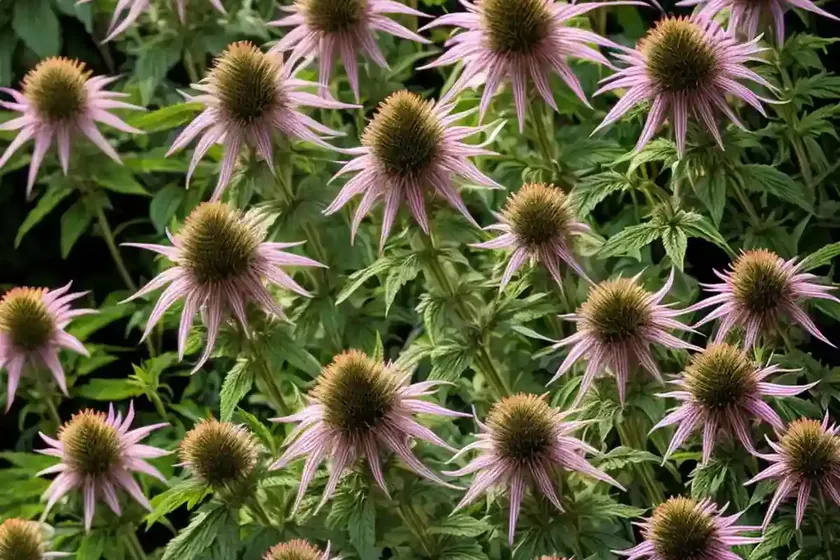
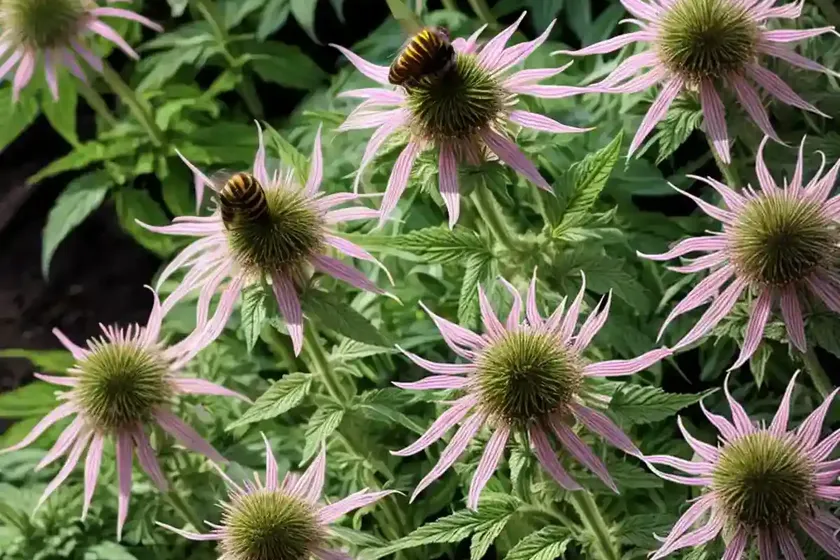
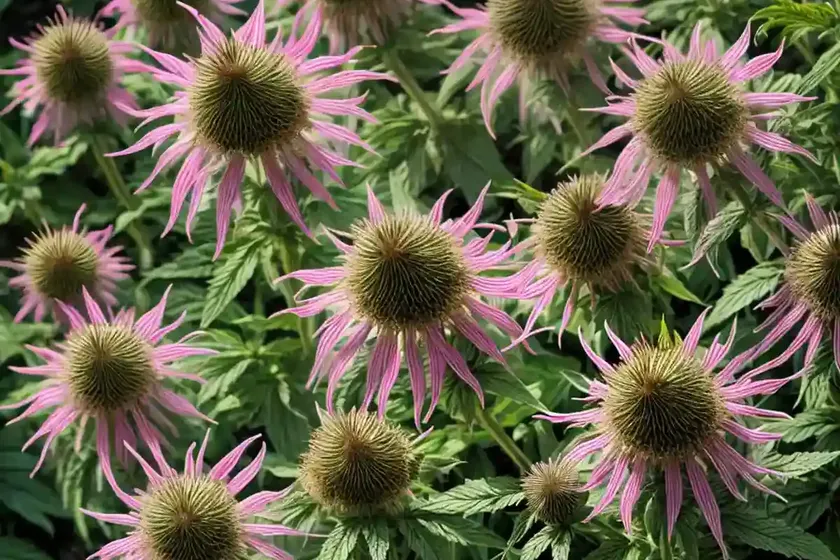
Monarda didyma x fistulosa ‘Oneida’ is a captivating perennial plant known for its vibrant, showy flowers and aromatic foliage. This hybrid, also referred to as Bee Balm ‘Oneida’, exhibits qualities that make it a delightful addition to any garden or landscape. In this comprehensive guide, we will explore the cultural aspects, uses, care requirements, and maintenance of Monarda didyma x fistulosa ‘Oneida’. Additionally, we will delve into its ecological significance, making it an alluring choice for both garden enthusiasts and environmental advocates.
What is Monarda didyma x fistulosa ‘Oneida’?
Monarda didyma x fistulosa ‘Oneida’ belongs to the Lamiaceae family and is a hybrid of Monarda didyma and Monarda fistulosa. This perennial herbaceous plant is renowned for its striking, brightly colored flowers and is native to North America.
Key Takeaways – Monarda didyma x fistulosa ‘Oneida’ (Bee Balm)
Before we delve into the specifics of Monarda didyma x fistulosa ‘Oneida’, let’s take a quick look at the key takeaways related to this captivating plant:
- Plant Name: Monarda didyma x fistulosa ‘Oneida’ (Bee Balm)
- Common Names: Bee Balm ‘Oneida’
- Family: Lamiaceae
- Cultivar: ‘Oneida’
Now, let’s explore the various aspects and characteristics of Monarda didyma x fistulosa ‘Oneida’ in detail.
Culture
Understanding the cultural requirements of Monarda didyma x fistulosa ‘Oneida’ is essential to successfully cultivate and maintain this delightful plant. The following factors contribute to its optimal growth and health:
Uses
Monarda didyma x fistulosa ‘Oneida’ is a versatile plant that finds several applications in horticulture, landscape design, and herbalism. Its primary uses include:
- Ornamental Purposes: The vibrant flowers and aromatic foliage make it an excellent choice for ornamental plantings in gardens, parks, and landscapes.
- Medicinal Uses: Certain varieties of Monarda possess medicinal properties, and ‘Oneida’ may have potential applications in herbal medicine.
- Pollinator Attraction: The nectar-rich flowers attract pollinators such as bees, butterflies, and hummingbirds, contributing to biodiversity in the garden or natural habitats.
Water
Proper water management is crucial for the health and vigor of Monarda didyma x fistulosa ‘Oneida’. Generally, it thrives in moist, well-drained soil and benefits from regular watering, especially during dry spells.
Sunlight
Bee Balm ‘Oneida’ exhibits a preference for full sun to partial shade. Adequate sunlight promotes robust growth and an abundant display of flowers.
Fertilizer
A balanced fertilizer application can support the growth and blooming of Monarda didyma x fistulosa ‘Oneida’. Using a slow-release, organic fertilizer in early spring can provide the necessary nutrients for healthy development.
Soil
Well-drained, moderately fertile soil is ideal for Monarda didyma x fistulosa ‘Oneida’. It adapts well to various soil types, including loamy, sandy, or clay soils. The pH level should ideally be neutral to slightly acidic.
Pruning
Regular pruning helps maintain the plant’s shape, remove spent blooms, and prevent overcrowding. Deadheading faded flowers can encourage prolonged blooming and prevent self-seeding in the garden.
Propagation
Propagating Monarda didyma x fistulosa ‘Oneida’ can be achieved through divisions, cuttings, or seed sowing. Each method offers its own set of advantages and challenges, allowing for flexibility in propagation practices.
Container Popularity
The compact growth habit and bright, colorful flowers of ‘Oneida’ make it well-suited for container gardening. It can bring a burst of color to patios, balconies, and small outdoor spaces.
Common Diseases
While generally resilient, Monarda didyma x fistulosa ‘Oneida’ may be susceptible to certain diseases when grown under unfavorable conditions. Common diseases include:
- Powdery Mildew: This fungal disease can affect the foliage, leading to a powdery, white coating and potential damage if not addressed promptly.
- Leaf Spot: Fungal or bacterial pathogens may cause dark spots or lesions on the leaves, affecting the plant’s aesthetics and possibly its overall health.
Disease Diagnosis
Prompt identification and diagnosis of diseases are crucial for implementing effective control measures. Regular monitoring and proactive management practices can mitigate the impact of diseases on the plant.
Common Pests
Several pests may target Monarda didyma x fistulosa ‘Oneida’, potentially causing damage to its foliage or flowers. Common pests include:
- Aphids: These small, sap-sucking insects can congregate on the new growth, affecting the plant’s vitality and possibly spreading diseases.
- Spider Mites: These microscopic arachnids can cause stippling and discoloration of the leaves, impacting the plant’s overall vigor.
Botanist’s Tips
As a plant enthusiast and botanist, I have garnered insights and tips for cultivating and caring for Monarda didyma x fistulosa ‘Oneida’ to help you achieve optimal results:
- Companion Planting: Pair ‘Oneida’ with other pollinator-attracting plants, creating a vibrant and biodiverse garden setting.
- Sun and Moisture: Ensure adequate sunlight and consistent moisture levels to promote healthy growth and profuse flowering.
- Mulching: Apply a layer of organic mulch around the base of the plant to retain moisture, inhibit weed growth, and insulate the soil.
Fun Facts
Monarda didyma x fistulosa ‘Oneida’ is not only a visually captivating plant but also harbors interesting attributes and historical significance. Here are a few intriguing facts about this delightful plant:
- Wildlife Habitat: The nectar-rich flowers attract a diverse array of pollinators, contributing to the ecological balance and biodiversity in the garden or natural habitats.
- Cultural Significance: Certain indigenous communities have traditional or medicinal uses for Monarda species, reflecting its cultural and historical importance.
Links to External Resources
For further exploration and in-depth information on Monarda didyma x fistulosa ‘Oneida’ and related topics, consider the following external resources:
- Monarda didyma x fistulosa Cultivar ‘Oneida’ – Missouri Botanical Garden
- Growing Bee Balms – University of Illinois Extension
- Attracting Pollinators to the Garden – National Wildlife Federation
Conclusion
In summary, Monarda didyma x fistulosa ‘Oneida’ (Bee Balm) exemplifies a harmonious blend of visual allure, ecological significance, and practical utility. Whether adorning garden borders, enhancing pollinator habitats, or supporting herbal remedies, this charismatic plant holds a revered place in the realm of horticulture and environmental stewardship. By embracing its cultural uses, mastering its care requirements, and appreciating its ecological contributions, gardeners and nature enthusiasts can celebrate the enduring charm and benefits of Monarda didyma x fistulosa ‘Oneida’.
With its captivating floral displays, aromatic foliage, and ecological value, Bee Balm ‘Oneida’ invites us to immerse ourselves in the delightful realm of botanical wonders, where beauty, functionality, and biodiversity converge in a harmonious tapestry of natural splendor.


