Monarda Didyma ‘Pardon My Pink’ (Bee Balm)
Monarda didyma ‘Pardon My Pink’, commonly known as Bee Balm, is a vibrant and versatile plant that has become a favorite among gardeners and landscapers..
Introduction
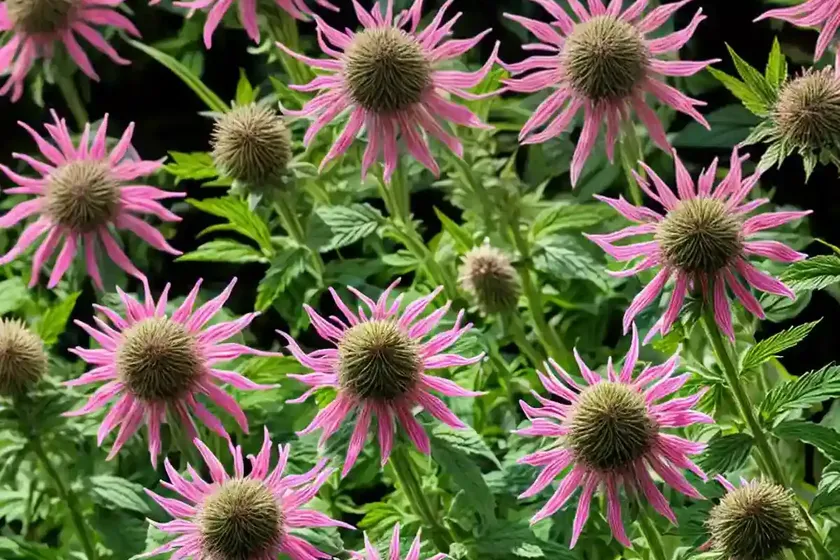
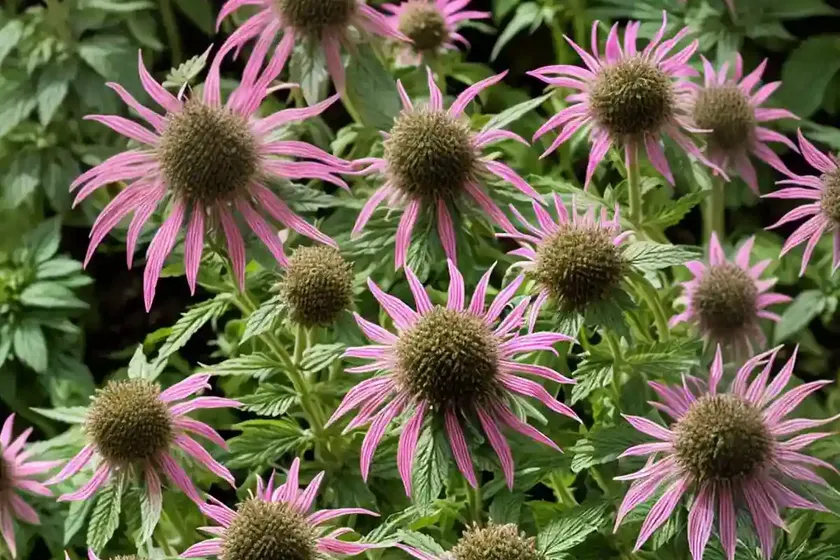
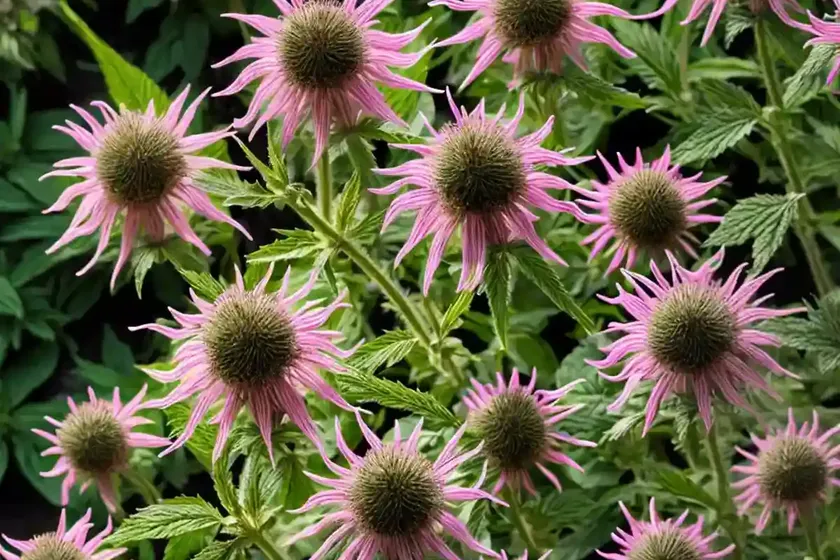
Monarda didyma ‘Pardon My Pink’, commonly known as Bee Balm, is a vibrant and versatile plant that has become a favorite among gardeners and landscapers. With its striking pink blooms and numerous cultural and ecological benefits, the ‘Pardon My Pink’ variety has gained popularity as a must-have addition to gardens, landscapes, and even containers.
In this comprehensive guide, we will explore the various aspects of Monarda didyma ‘Pardon My Pink’, including its culture, uses, maintenance, propagation, and more. Whether you are a seasoned gardener or a beginner looking to enhance your green space, this guide will provide you with valuable insights and practical tips for growing and caring for this beautiful plant.
What is Monarda didyma ‘Pardon My Pink’ (Bee Balm)?
Monarda didyma ‘Pardon My Pink’ is a member of the mint family, Lamiaceae, and is native to eastern North America. It is valued for its fragrant foliage and showy, nectar-rich flowers that attract a wide range of pollinators, including bees, butterflies, and hummingbirds.
The ‘Pardon My Pink’ variety is a compact cultivar, reaching a height of 10-12 inches, making it an excellent choice for borders, containers, and pollinator gardens. Its vibrant pink blossoms and aromatic leaves contribute to its ornamental and functional appeal, making it a popular choice for both gardeners and wildlife enthusiasts.
Key Takeaways – Monarda didyma ‘Pardon My Pink’ (Bee Balm)
Before delving deeper into the characteristics and care of Monarda didyma ‘Pardon My Pink’, let’s outline some key takeaways about this remarkable plant:
- Scientific Name: Monarda didyma ‘Pardon My Pink’
- Common Name: Bee Balm, ‘Pardon My Pink’
- Plant Type: Herbaceous perennial
- Mature Height: 10-12 inches
- Bloom Time: Summer to early fall
- USDA Hardiness Zones: 4-9
Now that we have an overview of the plant, let’s explore its cultural requirements and growing conditions to ensure its successful establishment and maintenance.
Culture
Water
Monarda didyma ‘Pardon My Pink’ thrives in moist, well-drained soil. Adequate water is crucial, especially during the plant’s active growth and blooming periods. While it prefers consistently moist soil, it is essential to avoid waterlogged conditions, as excessive moisture can lead to root rot and other fungal diseases.
Watering Tips:
– Water deeply and infrequently to encourage deep root growth.
– Provide approximately 1 inch of water per week, adjusting based on rainfall and temperature.
– Water in the morning to allow foliage to dry before evening, reducing the risk of fungal infections.
Sunlight
Bee Balm ‘Pardon My Pink’ performs best in full to partial sunlight. It requires at least 6-8 hours of direct sunlight to promote healthy growth and prolific flowering. In warmer regions, some afternoon shade can help protect the plant from excessive heat and sunburn.
Sunlight Requirements:
– Plant in a location with ample sunlight exposure, preferably in the morning and early afternoon.
– If grown in particularly hot climates, provide partial shade during the hottest part of the day.
Soil
Well-drained, fertile soil with a slightly acidic to neutral pH is ideal for Monarda didyma ‘Pardon My Pink’. While it is adaptable to various soil types, including loamy and sandy soils, it thrives in organically rich and moisture-retentive soil.
Soil Preparation:
– Amend the soil with organic matter, such as compost or well-rotted manure, to improve its texture and fertility.
– Ensure proper drainage to prevent waterlogging, especially in heavy clay soils.
Uses
Monarda didyma ‘Pardon My Pink’ offers a myriad of practical and aesthetic uses, making it a valuable addition to gardens, landscapes, and even culinary pursuits. Let’s explore some of its primary applications:
Ornamental
The showy, pink blossoms of ‘Pardon My Pink’ Bee Balm make it an attractive choice for ornamental plantings. Whether used in borders, mass plantings, or mixed perennial beds, its vibrant flowers add a pop of color and allure to any setting. Additionally, its aromatic foliage provides an added sensory dimension to garden spaces.
Ornamental Uses:
– Borders and edging
– Cottage gardens
– Butterfly and pollinator gardens
– Cutting gardens
Pollinator Support
As a nectar-rich flower, Monarda didyma ‘Pardon My Pink’ plays a vital role in supporting pollinators, including bees, butterflies, and hummingbirds. By incorporating ‘Pardon My Pink’ into garden designs, you can contribute to the conservation of these beneficial insects and enhance the ecological diversity of your landscape.
Pollinator Benefits:
– Attracts bees, including honeybees and native pollinators
– Nectar source for butterflies and hummingbirds
– Supports overall biodiversity and ecosystem health
Culinary and Medicinal
In addition to its ornamental and ecological values, Bee Balm ‘Pardon My Pink’ has a rich history of culinary and medicinal uses. The aromatic leaves and flowers can be used to infuse teas, flavor culinary dishes, or even create herbal remedies for various ailments.
Culinary and Medicinal Applications:
– Herbal teas and infusions
– Flavoring for salads, desserts, and beverages
– Herbal remedies for digestive and respiratory health
Fertilizer
Proper and timely fertilization can enhance the growth, vigor, and flowering performance of Monarda didyma ‘Pardon My Pink’. When considering fertilization, it is essential to understand the nutritional needs and preferences of the plant to provide appropriate nourishment.
Fertilization Tips:
- Timing: Apply fertilizer in early spring as new growth emerges, and again in midsummer to support continuous blooming.
- Type: Use a balanced, slow-release fertilizer, or organic formulations to provide a steady supply of nutrients without the risk of leaching or runoff.
- Application: Spread the fertilizer evenly around the base of the plant, avoiding direct contact with the foliage, and water thoroughly after application.
Pruning
Pruning is an essential aspect of Bee Balm ‘Pardon My Pink’ care, contributing to the plant’s overall health, aesthetic appeal, and longevity. Proper pruning techniques can help manage the plant’s growth, improve air circulation, and encourage abundant flowering.
Pruning Guidelines:
- Deadheading: Remove spent blossoms regularly to promote prolonged flowering and prevent self-seeding.
- Thinning: Thin out overcrowded stems and foliage to reduce the risk of disease and enhance the plant’s vigor.
- Cutting Back: In late fall or early spring, cut back the stems to ground level to rejuvenate the plant and stimulate new growth.
Propagation
Propagating Monarda didyma ‘Pardon My Pink’ allows you to expand your plant collection, share specimens with fellow enthusiasts, or cultivate new plants for specific garden areas. The following methods can be used to propagate Bee Balm ‘Pardon My Pink’:
Division
Dividing established clumps of Monarda didyma ‘Pardon My Pink’ is an effective method of propagation, especially when rejuvenating overgrown plants or expanding the garden.
Division Steps:
1. Dig up the clump, preserving as much of the root system as possible.
2. Gently separate the rhizomes or root sections, ensuring that each division has several healthy shoots and root structures.
3. Replant the divisions at the desired locations, and water thoroughly to facilitate root establishment.
Stem Cuttings
Taking stem cuttings from healthy, actively growing plants can yield new Monarda didyma ‘Pardon My Pink’ specimens with identical characteristics to the parent plant.
Cutting Propagation Process:
1. Select a healthy, non-flowering stem and take a 4-6 inch cutting just below a leaf node.
2. Remove the lower leaves to expose the nodes, and dip the base of the cutting in a rooting hormone (optional).
3. Plant the cuttings in a well-draining rooting medium, keep the soil consistently moist, and provide indirect light to encourage root development.
Seed Propagation
Growing Bee Balm ‘Pardon My Pink’ from seeds allows for a wider distribution of the plant and offers a fulfilling experience of nurturing new plants from the initial stages.
Seed Starting Guidelines:
1. Collect seeds from mature flower heads, and store them in a cool, dry place until ready to sow.
2. Sow the seeds in a seed-starting mix, lightly covering them with the growing medium.
3. Keep the soil consistently moist and provide warmth and indirect light to facilitate germination.
Container Popularity
Monarda didyma ‘Pardon My Pink’ is well-suited for container cultivation, offering a compact growth habit and vibrant blooms that add a splash of color to porches, patios, and balconies. Whether grown individually or combined with other complementary plants, Bee Balm ‘Pardon My Pink’ can thrive and add visual appeal in containers of various sizes.
Container Considerations:
- Pot Size: Select a container that provides ample space for the plant’s root development, ensuring proper drainage to prevent waterlogged conditions.
- Soil Medium: Use a well-draining potting mix with added organic matter to support the plant’s growth and water retention.
- Placement: Position the container in a location that receives sufficient sunlight, while also considering protection from harsh winds and extreme temperatures.
Common Diseases
While Monarda didyma ‘Pardon My Pink’ is generally resilient, it is susceptible to certain diseases and ailments, particularly when grown in unfavorable conditions. Understanding the common diseases and their associated symptoms can help in timely intervention and effective management.
Disease Diagnosis:
- Powdery Mildew: Identified by the presence of powdery, white patches on the foliage, powdery mildew is a common fungal disease that can affect Bee Balm. It thrives in humid conditions and can lead to foliage distortion and reduced plant vigor. To manage powdery mildew, ensure proper air circulation, and consider fungicidal treatments if necessary.
- Leaf Spot: Leaf spot diseases manifest as dark, circular lesions on the foliage, eventually leading to leaf yellowing and premature defoliation. To prevent leaf spot, avoid overhead watering, remove and destroy affected leaves, and apply preventive fungicidal sprays.
Common Pests
In addition to diseases, Monarda didyma ‘Pardon My Pink’ may encounter certain pests that can compromise its growth and vitality. Vigilant monitoring and appropriate pest management strategies are essential for preserving the plant’s health and beauty.
Pest Control:
- Aphids: These small, soft-bodied insects feed on the plant’s sap, causing distorted growth and the development of honeydew on the foliage. Encourage natural predators, such as ladybugs and lacewings, and use insecticidal soaps as a targeted control measure.
- Spider Mites: Spider mites are tiny pests that can cause stippling and webbing on the foliage, leading to reduced photosynthetic capabilities. Regularly hose down the plant to minimize mite populations and apply horticultural oils to suppress their activity.
Botanist’s Tips
Here are some additional tips and insights from botanists and gardening experts to ensure the successful cultivation and care of Monarda didyma ‘Pardon My Pink’:
- Companion Planting: Consider interplanting ‘Pardon My Pink’ Bee Balm with other pollinator-friendly and deer-resistant plants, such as Echinacea, Salvia, and Agastache, to create a diverse and habitat-supporting garden.
- Mulching: Apply a layer of organic mulch, such as shredded bark or leaf mold, around the base of the plant to conserve moisture, suppress weed growth, and insulate the roots from temperature fluctuations.
Fun Facts
To further appreciate the unique characteristics and ecological significance of Monarda didyma ‘Pardon My Pink’, let’s explore some intriguing and fun facts about this captivating plant:
- Bee Balm’s genus name, Monarda, honors the 18th-century Spanish botanist, Nicolás Monardes, known for his influential writings on medicinal plants.
- Native American tribes, including the Oswego, utilized Bee Balm leaves and flowers to brew a soothing and aromatic herbal tea, earning it the moniker “Oswego tea.”
Links to External Resources
For those seeking additional information and resources on Monarda didyma ‘Pardon My Pink’ (Bee Balm) and related topics, the following links can serve as valuable references:
- The American Horticultural Society – Plant Propagation
- University of Florida IFAS Extension – Powdery Mildew Management
- National Pesticide Information Center – Integrated Pest Management
- Royal Horticultural Society – Companion Planting Guide
- The Herb Society of America – Monarda spp.
In conclusion, Monarda didyma ‘Pardon My Pink’ (Bee Balm) stands out as a versatile, visually appealing, and ecologically valuable plant that can enrich any garden or landscape. By understanding its cultural requirements, applications, and maintenance principles, gardeners can experience the full spectrum of benefits that this exceptional plant has to offer. Whether you are drawn to its vibrant blooms, wildlife-attracting properties, or culinary and medicinal uses, ‘Pardon My Pink’ Bee Balm is sure to leave a lasting impression in any green space.
Keywords: Monarda didyma ‘Pardon My Pink’, Monarda didyma ‘Pardon My Pink’ Bee Balm, Bee Balm ‘Pardon My Pink’, Pardon My Pink Monarda didyma, Pardon My Pink Bee Balm plant, Monarda didyma ‘Pardon My Pink’ characteristics, Growing Monarda didyma ‘Pardon My Pink’, Pardon My Pink Bee Balm care, Monarda didyma ‘Pardon My Pink’ planting guide, Bee Balm ‘Pardon My Pink’ varieties, Monarda didyma ‘Pardon My Pink’ flowers, Pardon My Pink Bee Balm blooms, Monarda didyma ‘Pardon My Pink’ pruning tips, Bee Balm ‘Pardon My Pink’ maintenance, Pardon My Pink Monarda didyma disease resistance, Monarda didyma ‘Pardon My Pink’ growing conditions, Pardon My Pink Bee Balm watering needs, Monarda didyma ‘Pardon My Pink’ sunlight requirements, Bee Balm ‘Pardon My Pink’ soil preferences, Pardon My Pink Monarda didyma companion plants, Monarda didyma ‘Pardon My Pink’ landscape ideas, Pardon My Pink Bee Balm wildlife attraction, Monarda didyma ‘Pardon My Pink’ garden design, Bee Balm ‘Pardon My Pink’ container gardening, Pardon My Pink Monarda didyma blooming season, Monarda didyma ‘Pardon My Pink’ pollinator-friendly plant, Pardon My Pink Bee Balm medicinal uses, Monarda didyma ‘Pardon My Pink’ herbal remedy, Bee Balm ‘Pardon My Pink’ culinary applications, Pardon My Pink Monarda didyma propagation methods, Monarda didyma ‘Pardon My Pink’ pest control, Pardon My Pink Bee Balm gardening tips, Monarda didyma ‘Pardon My Pink’ seasonal maintenance, Bee Balm ‘Pardon My Pink’ container planting ideas, Pardon My Pink Monarda didyma landscape uses, Monarda didyma ‘Pardon My Pink’ water-wise plant, Pardon My Pink Bee Balm drought-tolerant variety, Monarda didyma ‘Pardon My Pink’ foliage characteristics, Bee Balm ‘Pardon My Pink’ deer-resistant plant, Pardon My Pink Monarda didyma fragrance description, Monarda didyma ‘Pardon My Pink’ flower bed ideas, Pardon My Pink Bee Balm cutting and arranging tips, Monarda didyma ‘Pardon My Pink’ seed-saving techniques, Bee Balm ‘Pardon My Pink’ flowering period, Pardon My Pink Monarda didyma garden border options, Monarda didyma ‘Pardon My Pink’ color variations, Pardon My Pink Bee Balm plant profile, Monarda didyma ‘Pardon My Pink’ deep root system, Bee Balm ‘Pardon My Pink’ winter care, Pardon My Pink Monarda didyma garden sculptures


