Monarda Didyma ‘Pardon My Lavender’ (Bee Balm)
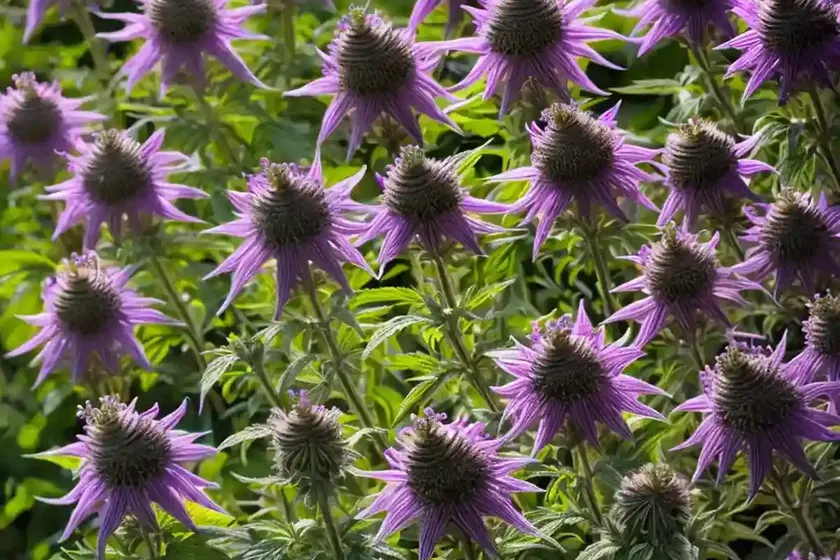
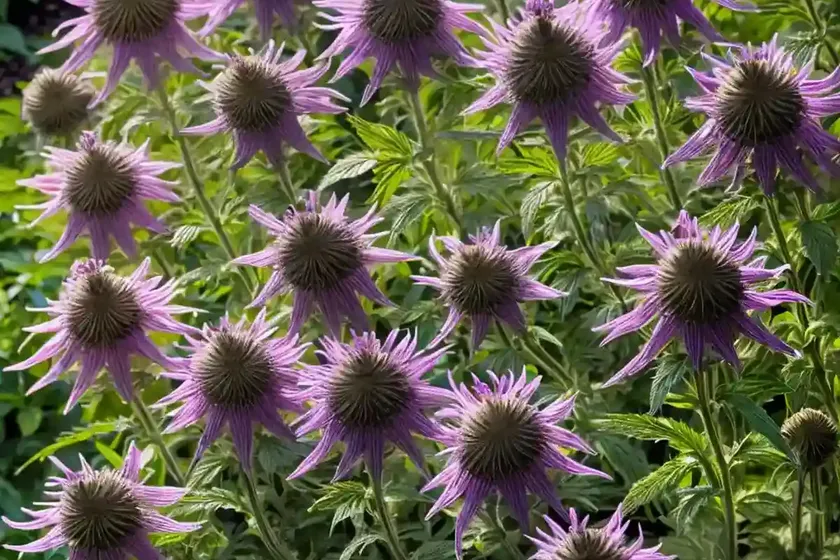
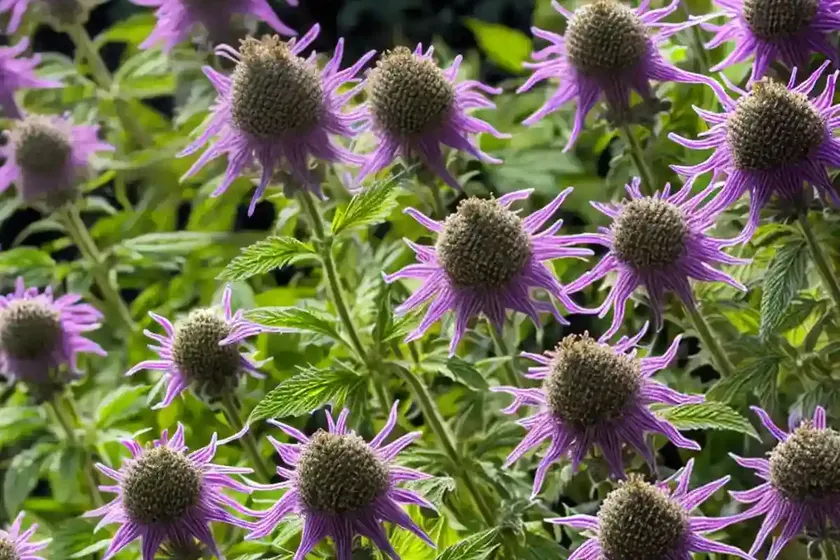
Monarda didyma ‘Pardon My Lavender’, commonly known as Bee Balm, is a herbaceous perennial with a captivating display of lavender-colored blooms. This.
Introduction to Monarda didyma ‘Pardon My Lavender’ (Bee Balm)
Monarda didyma ‘Pardon My Lavender’, commonly known as Bee Balm, is a herbaceous perennial with a captivating display of lavender-colored blooms. This plant belongs to the Lamiaceae family and is renowned for its attractive foliage and vibrant flowers. The unique and alluring characteristics of Monarda didyma ‘Pardon My Lavender’ make it a coveted addition to gardens and landscapes.
What is Monarda didyma ‘Pardon My Lavender’?
Monarda didyma ‘Pardon My Lavender’ is revered for its delightful fragrance and is a magnet for pollinators, especially bees and butterflies. This variety of Bee Balm is widely celebrated for its ornamental and ecological significance. Its vibrant blooms not only add a pop of color to outdoor spaces but also contribute to the conservation of native pollinators.
In this comprehensive guide, we will explore the various aspects of Monarda didyma ‘Pardon My Lavender’, including its cultural requirements, uses, maintenance, and more. Whether you are a seasoned gardener or a novice plant enthusiast, this guide will equip you with valuable insights into the world of Monarda didyma ‘Pardon My Lavender’ cultivation.
Key Takeaways – Monarda didyma ‘Pardon My Lavender’ (Bee Balm)
Before delving into the specifics of cultivating Monarda didyma ‘Pardon My Lavender’, let’s highlight some key takeaways that encapsulate the essence of this remarkable plant.
- Common Name: Bee Balm Pardon My Lavender
- Scientific Name: Monarda didyma ‘Pardon My Lavender’
- Growth Habit: Herbaceous perennial
- Flower Color: Lavender
- Fragrance: Delightful, aromatic scent
- Ecological Importance: Attracts bees, butterflies, and other pollinators
- Cultural Significance: Popular ornamental plant for gardens and landscapes
Now, let’s delve into the specific requirements and characteristics of Monarda didyma ‘Pardon My Lavender’ to understand how to nurture and appreciate this captivating plant.
Culture
Water
Monarda didyma ‘Pardon My Lavender’ thrives in moist, well-drained soil. Adequate water is essential, especially during the plant’s active growth phase and flowering period. While Bee Balm appreciates moist conditions, it is important to avoid waterlogging, as excessively wet soil can lead to root rot and other issues.
| Watering Guidelines |
|---|
| – Regular, consistent watering |
| – Avoid waterlogging |
| – Water deeply when the soil is dry |
| – Mulching to retain soil moisture |
Sunlight
When it comes to sunlight requirements, Monarda didyma ‘Pardon My Lavender’ flourishes in full sun to partial shade. While it can tolerate some shade, ample sunlight is conducive to robust growth and prolific flowering.
| Sunlight Requirements |
|---|
| – Full sun to partial shade |
| – At least 6 hours of direct sunlight daily |
| – Morning sun with some afternoon shade |
| – Shelter from intense midday sun in hotter regions |
Fertilizer
Appropriate fertilization can enhance the vigor and blooming capacity of Monarda didyma ‘Pardon My Lavender’. A balanced, slow-release fertilizer applied in spring can provide the necessary nutrients for healthy growth and abundant flowering.
| Fertilization Tips |
|---|
| – Balanced, slow-release fertilizer |
| – Apply in early spring |
| – Avoid excessive nitrogen-rich fertilizers |
| – Organic compost for soil enrichment |
Soil
The soil composition greatly influences the overall health and performance of Monarda didyma ‘Pardon My Lavender’. Well-drained, fertile soil with a slightly acidic to neutral pH is ideal for cultivating Bee Balm.
| Soil Requirements |
|---|
| – Well-drained, loamy soil |
| – pH: Slightly acidic to neutral (6.5–7.0) |
| – Organic matter for soil structure and fertility |
| – Good drainage to prevent waterlogged conditions |
Pruning
Proper pruning is instrumental in maintaining the vitality and aesthetic appeal of Monarda didyma ‘Pardon My Lavender’. Regular deadheading and the removal of spent blooms can prolong the flowering period and prevent self-seeding.
| Pruning Guidelines |
|---|
| – Deadheading spent flowers |
| – Removing faded blooms to encourage new growth |
| – Prune for shaping and vigor management |
| – Cut back spent stems and foliage in fall |
Propagation
Propagating Monarda didyma ‘Pardon My Lavender’ allows enthusiasts to expand their plant collection and share the beauty of Bee Balm with others. Several methods, including division and seed propagation, can be employed to propagate this captivating perennial.
| Propagation Techniques |
|---|
| – Division of mature clumps |
| – Seed sowing in spring or fall |
| – Root division for establishing new plants |
| – Propagation from stem cuttings |
Container Popularity
Monarda didyma ‘Pardon My Lavender’ can also thrive in container gardens, adding a burst of color and fragrance to patios, balconies, and other outdoor spaces. Its compact growth habit and captivating blooms make it a popular choice for container gardening enthusiasts.
Container Common Diseases
While growing Monarda didyma ‘Pardon My Lavender’ in containers offers numerous benefits, it is essential to be mindful of potential diseases that may affect the plant in a confined environment. Common diseases, such as powdery mildew and leaf spot, can impact the health of Bee Balm in containers.
Disease Diagnosis
Early detection and prompt intervention are vital in managing and preventing diseases in Monarda didyma ‘Pardon My Lavender’. Being able to identify the signs and symptoms of common plant diseases is crucial in implementing effective control measures.
Common Pests
In addition to diseases, Bee Balm may also be susceptible to pests that can jeopardize its health and ornamental value. Understanding the common pests that afflict Monarda didyma ‘Pardon My Lavender’ enables proactive pest management and ensures the plant’s well-being.
Botanist’s Tips
Seasoned botanists and plant enthusiasts often have valuable insights into the cultivation and care of specific plant species. Their tips and recommendations can provide a wealth of practical knowledge for nurturing Monarda didyma ‘Pardon My Lavender’ to its full potential.
Fun Facts
Uncovering interesting and lesser-known facts about Monarda didyma ‘Pardon My Lavender’ adds a layer of fascination to the cultivation experience. From historical significance to traditional uses, the fun facts about Bee Balm shed light on the plant’s rich heritage and diverse applications.
Links to External Resources
For additional information, it can be beneficial to explore external resources that provide in-depth insights into Monarda didyma ‘Pardon My Lavender’. Reliable botanical gardens, university extensions, and horticultural societies often offer valuable resources for plant enthusiasts.
By delving into the intricacies of Monarda didyma ‘Pardon My Lavender’ (Bee Balm), plant enthusiasts can gain a profound appreciation for the enchanting qualities of this herbaceous perennial. From its cultural requirements to its ecological significance, Bee Balm captivates individuals with its beauty and versatility, making it a cherished addition to gardens and landscapes worldwide. Whether nestled in a flower bed or gracing a container garden, the vibrant blooms and aromatic foliage of Monarda didyma ‘Pardon My Lavender’ are sure to leave a lasting impression on all who encounter this remarkable plant.


