Monarda Didyma ‘Pardon My Cerise’ (Bee Balm)
Monarda didyma ‘Pardon My Cerise’, commonly known as Bee Balm, is a stunning perennial plant that belongs to the family Lamiaceae. This North American.
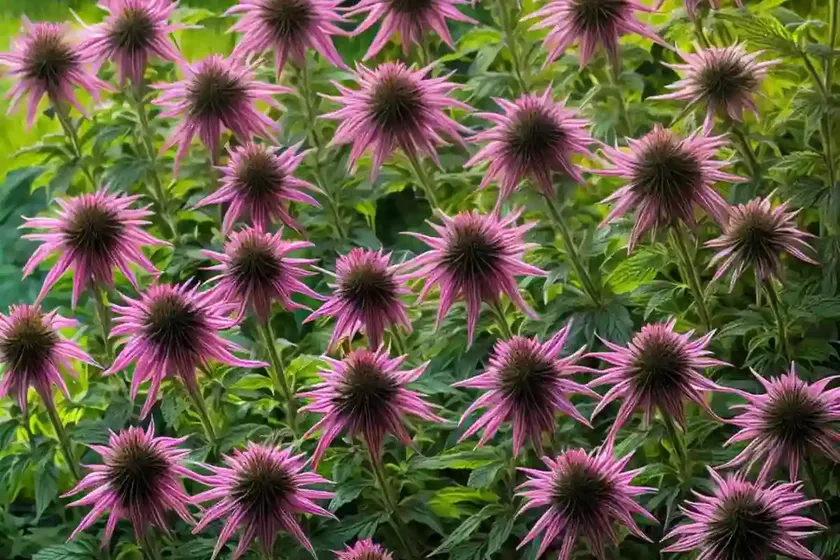
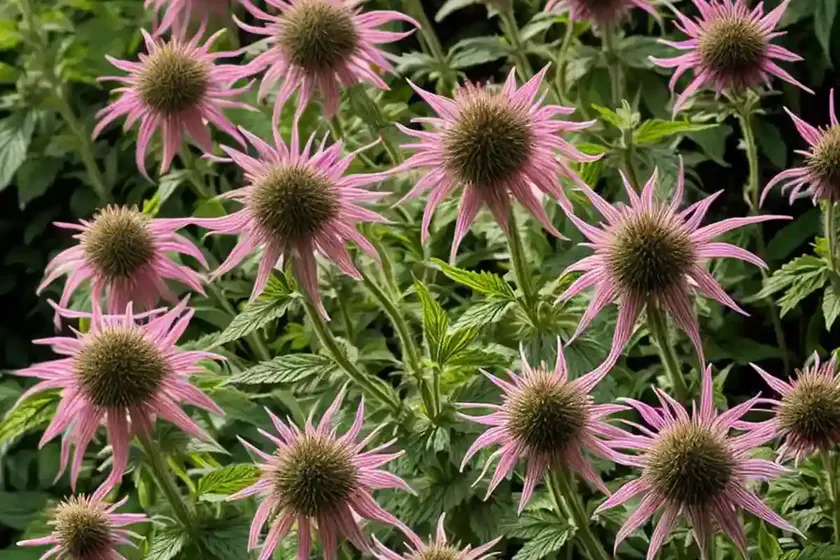
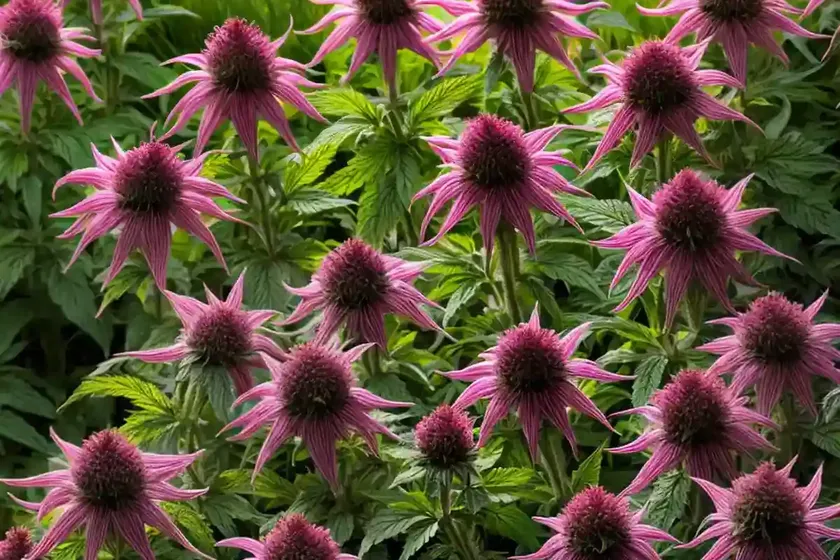
Monarda didyma ‘Pardon My Cerise’, commonly known as Bee Balm, is a stunning perennial plant that belongs to the family Lamiaceae. This North American native plant is revered for its brilliant cerise-colored blossoms and delightful fragrance. In this comprehensive guide, we will delve into the culture, uses, care, and maintenance of Monarda didyma ‘Pardon My Cerise’ (Bee Balm).
What is Monarda didyma ‘Pardon My Cerise’ (Bee Balm)?
Monarda didyma ‘Pardon My Cerise’ is a compact, clump-forming perennial that typically reaches a height of 12-18 inches (30-45 cm) with a spread of 12-24 inches (30-60 cm). Its delightful cerise blossoms with a touch of pink adorn the plant from mid to late summer, attracting pollinators such as bees, butterflies, and hummingbirds. The aromatic foliage of ‘Pardon My Cerise’ releases a pleasant scent when brushed against or crushed, making it a beloved addition to gardens and landscapes.
Key Takeaways – Monarda didyma ‘Pardon My Cerise’ (Bee Balm)
- Scientific Name: Monarda didyma ‘Pardon My Cerise’
- Common Name: Bee Balm ‘Pardon My Cerise’
- Plant Type: Perennial
- Family: Lamiaceae
- Blossom Color: Cerise with a touch of pink
- Height: 12-18 inches (30-45 cm)
- Spread: 12-24 inches (30-60 cm)
- Bloom Period: Mid to late summer
- Fragrance: Aromatic foliage
- Wildlife Attraction: Bees, butterflies, hummingbirds
Now, let’s explore the various aspects of cultivating and caring for Monarda didyma ‘Pardon My Cerise’ to ensure its optimal growth and beauty.
Culture
Uses
Monarda didyma ‘Pardon My Cerise’ is highly versatile and has a multitude of uses, including:
- Gardens: Its vibrant flowers make it an excellent choice for garden borders, cottage gardens, and mixed perennial beds.
- Cut Flowers: The long-lasting blossoms of ‘Pardon My Cerise’ are perfect for cut flower arrangements, adding a pop of color and fragrance to indoor spaces.
- Naturalizing: When mass planted, Bee Balm ‘Pardon My Cerise’ can naturalize in an area, creating a visually stunning landscape.
Water
Bee Balm ‘Pardon My Cerise’ prefers consistently moist soil. Adequate watering is crucial during dry periods, especially in the summer months, to ensure the plant’s vigor and prolific flowering. However, it is essential to avoid waterlogged conditions, as the plant may be susceptible to root rot in excessively wet soil.
Sunlight
For optimal growth and flowering, Monarda didyma ‘Pardon My Cerise’ thrives in full sun to partial shade. Providing at least 6 hours of direct sunlight per day will promote robust growth and a profusion of blossoms.
Fertilizer
When it comes to fertilization, a balanced, all-purpose fertilizer can be applied in early spring as new growth emerges. Alternatively, incorporating compost into the soil during planting can provide the necessary nutrients for healthy development.
Soil
Well-draining, fertile soil is ideal for Bee Balm ‘Pardon My Cerise’. A slightly acidic to neutral pH soil (pH 6.5-7.0) suits this plant, ensuring it can uptake essential nutrients from the soil.
Pruning
Pruning Monarda didyma ‘Pardon My Cerise’ is essential for promoting continuous blooms and maintaining the plant’s shape. Deadheading spent flowers can encourage the development of new blossoms and prevent the plant from self-seeding excessively.
Propagation
Division
Propagating Monarda didyma ‘Pardon My Cerise’ through division is a reliable method to create new plants. In early spring, gently dig up the plant and divide the clumps, ensuring that each division has healthy roots and shoots. Replant the divisions in prepared soil, and water them thoroughly to support their establishment.
Seed Propagation
Collecting and sowing Bee Balm ‘Pardon My Cerise’ seeds can also yield new plants. By sowing the seeds indoors or directly in the garden in early spring, you can foster the growth of young Monarda didyma ‘Pardon My Cerise’ plants.
Container Popularity
Due to its compact growth habit and stunning blossoms, Monarda didyma ‘Pardon My Cerise’ is a popular choice for container gardening. It adds vibrant color and fragrance to patio spaces, balconies, and terraces, attracting beneficial pollinators even in urban settings.
Common Diseases
Disease Diagnosis
While Monarda didyma ‘Pardon My Cerise’ is relatively resistant to most diseases, it can occasionally fall prey to certain issues. Common diseases that may affect Bee Balm ‘Pardon My Cerise’ include:
- Powdery Mildew: This fungal disease often manifests as a powdery, white substance on the foliage, leading to distorted growth and reduced vigor.
- Leaf Spot: Dark lesions or spots on the leaves can indicate the presence of a leaf spot disease, potentially caused by fungi or bacteria.
Disease Management
To mitigate the risk of diseases, it is crucial to practice good garden hygiene and provide optimal growing conditions for Monarda didyma ‘Pardon My Cerise’. Adequate spacing between plants, proper air circulation, and avoiding overhead watering can help prevent the onset of common diseases. In case of disease development, using fungicidal treatments as directed can aid in managing the issue.
Common Pests
Botanist’s Tips
While ‘Pardon My Cerise’ is generally pest-resistant, it may encounter pests such as aphids, spider mites, and caterpillars. Regular monitoring of the plant’s foliage and swift intervention if pests are detected can help keep these nuisances at bay.
Fun Facts
- Monarda didyma, including the ‘Pardon My Cerise’ variety, has a rich history of medicinal uses among Native American tribes. The leaves were traditionally brewed into a tea for various ailments, including colds and digestive issues.
- The genus name Monarda honors the 16th-century Spanish physician and botanist Nicolás Monardes, renowned for his work on the medicinal properties of plants.
Now that you’re familiar with the culture, care, and fascinating aspects of Monarda didyma ‘Pardon My Cerise’ (Bee Balm), you can confidently incorporate this charming perennial into your garden or landscape.
Links to External Resources
For further exploration and in-depth information about ‘Pardon My Cerise’ and other Monarda didyma varieties, you can refer to the following resources:
- The American Horticultural Society: Monarda didyma ‘Pardon My Cerise’
- The Royal Horticultural Society: Growing Bee Balms
- University of Florida IFAS Extension: Monarda didyma – Scarlet Bee Balm
- Missouri Botanical Garden: Monarda didyma ‘Pardon My Cerise’
- North Carolina State University Extension: Bee Balm – Monarda didyma
With the wealth of knowledge provided by these resources and the insights shared in this guide, you are well-equipped to appreciate and cultivate the beauty of Monarda didyma ‘Pardon My Cerise’ in your own green spaces. Whether you’re a seasoned gardener or a novice enthusiast, the vibrancy and charm of this exceptional perennial are sure to captivate all who encounter it.


