Monarda Didyma ‘Coral Reef’ (Bee Balm)
Monarda didyma ‘Coral Reef’, also known as Bee Balm, is a beautiful flowering plant that is cherished by gardeners for its vibrant blooms and unique.
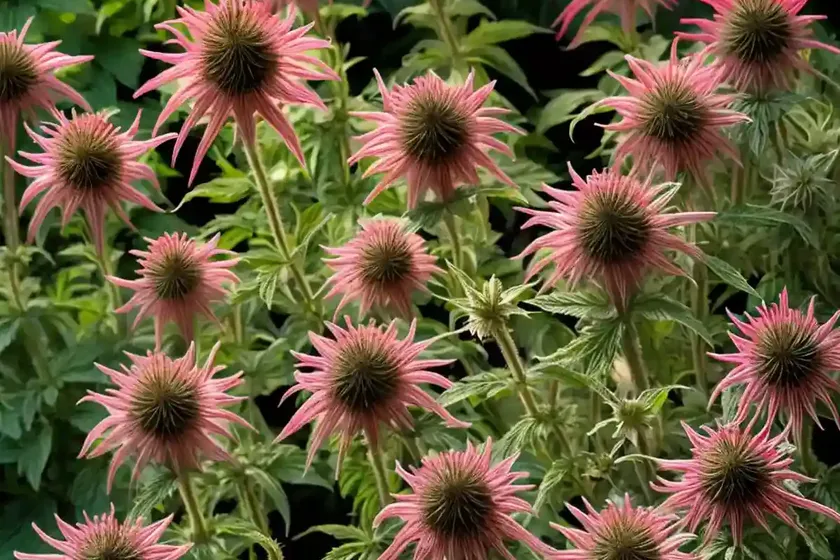
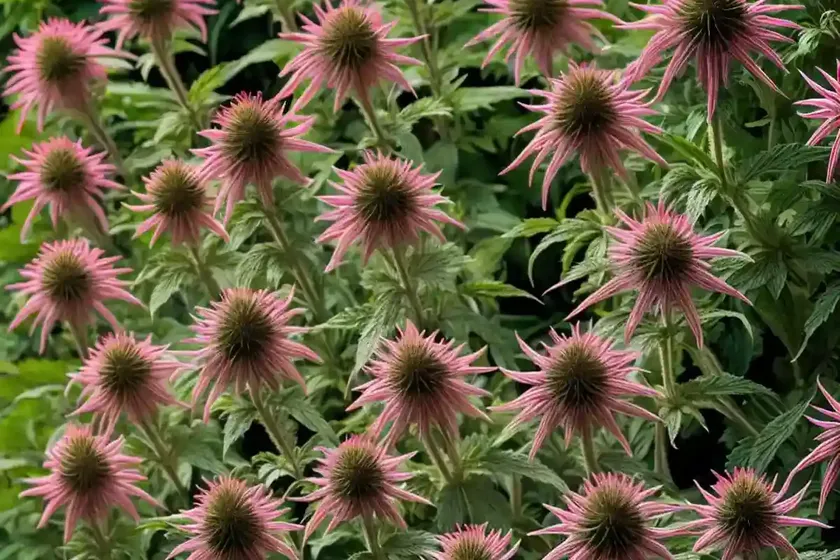
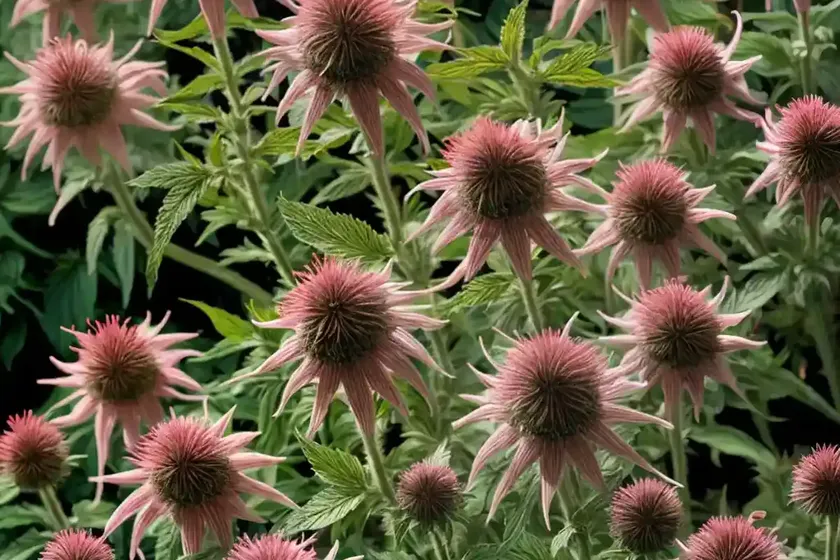
Monarda didyma ‘Coral Reef’, also known as Bee Balm, is a beautiful flowering plant that is cherished by gardeners for its vibrant blooms and unique cultural significance. This visually stunning perennial herb is a member of the mint family, Lamiaceae, and is native to eastern North America. It is recognized for its distinct fragrance and attractive appearance, making it a popular choice for landscaping and horticulture.
Plant enthusiasts and nature lovers oftentimes seek to understand the characteristics, growing requirements, and potential uses of specific plant species. In this comprehensive guide, we will delve into the world of Monarda didyma ‘Coral Reef’, exploring its cultural significance, uses, maintenance requirements, and much more. Whether you are a seasoned gardener or just starting out, the insights shared here will help you appreciate and nurture the unique beauty of this fascinating plant.
Key Takeaways – Monarda didyma ‘Coral Reef’ (Bee Balm)
Before we delve into the details, here are the key takeaways about Monarda didyma ‘Coral Reef’:
– Botanical Name: Monarda didyma ‘Coral Reef’
– Common Name: Bee Balm
– Plant Type: Perennial Herb
– Native Range: Eastern North America
– Popular Uses: Landscaping, Pollinator Attraction
– Distinctive Feature: Vibrant and fragrant blooms
– Cultural Significance: Medicinal and Culinary Uses
– Growing Conditions: Sunlight, Water, Soil, and Fertilizer Requirements
– Maintenance: Pruning, Propagation, and Disease Control
– Special Characteristics: Deer Resistance, Butterfly Attraction, Fragrance
– Container Gardening: Suitable for container cultivation
Now, let’s embark on an in-depth exploration of Monarda didyma ‘Coral Reef’, understanding its culture, uses, and essential care guidelines.
Culture
Water
Monarda didyma ‘Coral Reef’ thrives in moist, well-drained soil. Adequate watering is essential, particularly during the plant’s active growth phase and flowering period. While it appreciates consistent moisture, it is crucial to prevent waterlogging, which can lead to root rot and other moisture-related issues. As a general guideline, aim to keep the soil consistently moist but not overly saturated.
Sunlight
This variety of Bee Balm flourishes in full sunlight. Adequate exposure to sunlight is crucial for the plant’s overall health and flowering capacity. It is recommended to provide at least 6-8 hours of direct sunlight each day for optimal growth and blooming.
Fertilizer
When it comes to fertilization, Monarda didyma ‘Coral Reef’ benefits from a balanced, slow-release fertilizer applied in spring. The use of a fertilizer specifically formulated for flowering perennials can promote healthy growth and abundant blooms. It is important to follow the manufacturer’s guidelines and avoid excessive fertilization, which can potentially harm the plant.
Soil
The soil preferences of Monarda didyma ‘Coral Reef’ revolve around well-draining, slightly acidic to neutral soil. A loamy, fertile soil with good drainage properties is ideal for cultivating this perennial. Additionally, organic matter such as compost can be incorporated into the soil to enhance its structure and fertility.
Uses
Landscaping
Monarda didyma ‘Coral Reef’ is a favored choice for landscaping due to its showy, tubular flowers and attractive foliage. It adds a vibrant touch to flower beds, borders, and garden landscapes, enhancing the visual appeal with its brilliant blooms and greenery. The plant’s ability to attract pollinators further contributes to its value in garden settings.
Cultivation for Pollinator Attraction
Bee Balm varieties, including Monarda didyma ‘Coral Reef’, are renowned for their capacity to attract pollinators such as bees, butterflies, and hummingbirds. As a result, they are frequently incorporated into pollinator gardens and wildlife-friendly landscapes to support biodiversity and ecological balance.
Medicinal and Culinary Uses
Apart from its ornamental value, Bee Balm has a rich history of traditional medicinal and culinary uses. The leaves and flowers of Monarda didyma have been utilized in herbal remedies and teas, imparting their distinct flavor and potential health benefits. Additionally, the fragrant blooms can be used as edible decorations in salads and garnishes, adding a touch of color and flavor to culinary creations.
Pruning
Pruning is an essential aspect of maintaining the health and appearance of Monarda didyma ‘Coral Reef’. Regular deadheading, which involves the removal of spent flowers, promotes continuous blooming and prevents the plant from expending energy on seed production. Furthermore, pruning can help manage the plant’s growth and prevent overcrowding, contributing to its long-term vitality.
Propagation
Monarda didyma ‘Coral Reef’ can be propagated through various methods, including division, seed propagation, and cutting propagation. Division is commonly practiced in early spring or late summer, involving the division of the plant’s root clumps to create new individuals. Seed propagation, on the other hand, requires careful sowing and nurturing of seeds to establish new Bee Balm plants. Moreover, cutting propagation involves taking stem cuttings and fostering their root development to produce new plants.
Container Popularity
The compact nature and ornamental appeal of Monarda didyma ‘Coral Reef’ make it well-suited for container gardening. Its vibrant blooms and attractive foliage lend themselves well to container displays, allowing individuals with limited garden space to enjoy the beauty of Bee Balm on patios, balconies, and other confined areas. Container cultivation also facilitates the management of soil conditions and watering, providing an ideal environment for the plant to thrive.
Common Diseases
Although Monarda didyma ‘Coral Reef’ is generally robust, it can be susceptible to certain diseases, notably powdery mildew. Powdery mildew is characterized by the powdery white patches that develop on the plant’s foliage, compromising its health and appearance. Proper air circulation, adequate spacing, and diligent monitoring are vital for preventing and managing this common fungal disease. Additionally, selecting disease-resistant varieties and maintaining overall plant vigor can contribute to disease prevention.
Disease Diagnosis
Diagnosing plant diseases involves careful observation of symptoms and potential causal factors. When assessing Monarda didyma ‘Coral Reef’ for signs of disease, it is important to look for characteristic symptoms such as powdery mildew on the foliage, yellowing or wilting leaves, and abnormal growth patterns. Furthermore, examining environmental conditions, including humidity levels and air circulation, is crucial for identifying potential disease triggers.
Common Pests
Bee Balm, including the ‘Coral Reef’ variety, can be targeted by various pests such as spider mites, aphids, and caterpillars. These pests can affect the plant’s health and aesthetics, requiring vigilant pest management practices. Regular inspection, gentle washing with water to remove pests, and the use of organic pest control methods can help mitigate pest infestations without harming beneficial insects and the overall ecological balance.
Botanist’s Tips
As a plant enthusiast and botanist, there are several tips to consider when cultivating Monarda didyma ‘Coral Reef’ and similar varieties:
– Companion Planting: Bee Balm complements many garden perennials and flowering plants, including coneflowers, black-eyed Susans, and salvias, creating visually appealing and ecologically beneficial plant combinations.
– Seasonal Maintenance: Regular inspection for pest and disease issues, along with timely pruning and deadheading, contributes to the plant’s overall health and seasonal performance.
– Supporting Pollinators: Beyond its ornamental value, Bee Balm serves as a valuable resource for pollinators, making it an asset in supporting local wildlife and ecosystem health.
Fun Facts
- Bee Balm species, including Monarda didyma, have a long history of traditional use by Native American tribes for various purposes, ranging from medicinal remedies to ceremonial practices.
- The aromatic leaves of Monarda didyma have been utilized as a flavoring agent in culinary preparations, adding a unique and refreshing essence to teas, salads, and beverages.
- The vibrant blooms of Bee Balm attract a diverse array of pollinators, contributing to the overall biodiversity and ecological balance of garden landscapes.
Links to External Resources
For more information about Monarda didyma ‘Coral Reef’ and related topics, the following external resources provide valuable insights:
– The Royal Horticultural Society (RHS): The RHS offers comprehensive information on plant cultivation, gardening practices, and horticultural research, including insights into Bee Balm varieties and their cultivation.
– University Extension Services: Many university extension services provide detailed guides on plant cultivation, pest management, and landscape design, offering valuable resources for plant enthusiasts and professionals alike.
In conclusion, Monarda didyma ‘Coral Reef’ (Bee Balm) stands as a captivating and meaningful addition to garden landscapes, embodying both aesthetic allure and cultural significance. By understanding its cultural requirements, uses, and maintenance practices, individuals can appreciate the multifaceted value of this beautiful perennial herb. Whether as a pollinator-friendly flowering plant, a culinary and medicinal resource, or an ornamental centerpiece, the Coral Reef Bee Balm enriches our connection to nature and the delightful world of horticulture.


