Monarda Bradburiana (Eastern Bee Balm)
The Monarda bradburiana, commonly known as Eastern Bee Balm, is a beautiful and versatile plant with a wide range of uses in landscaping, medicine, and.
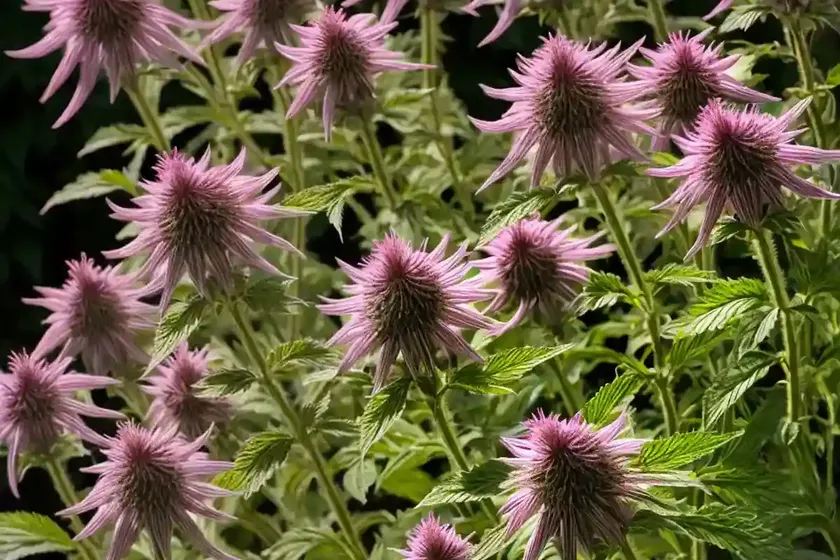
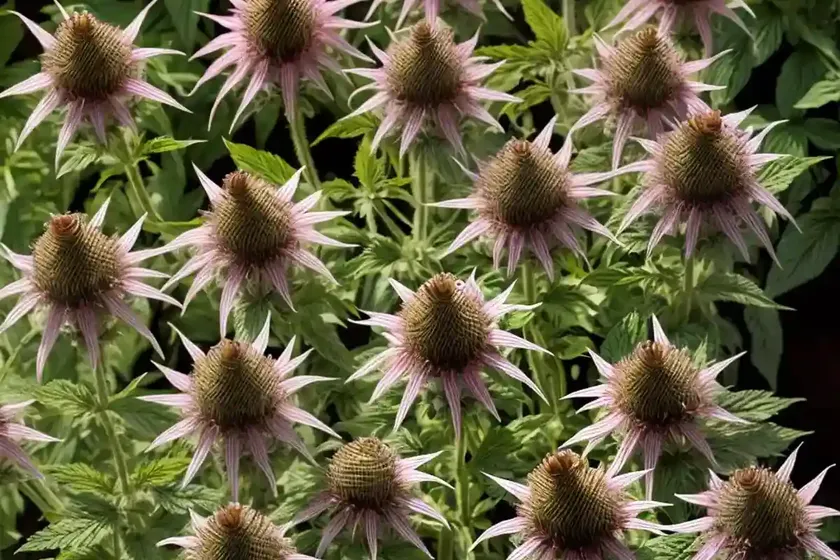
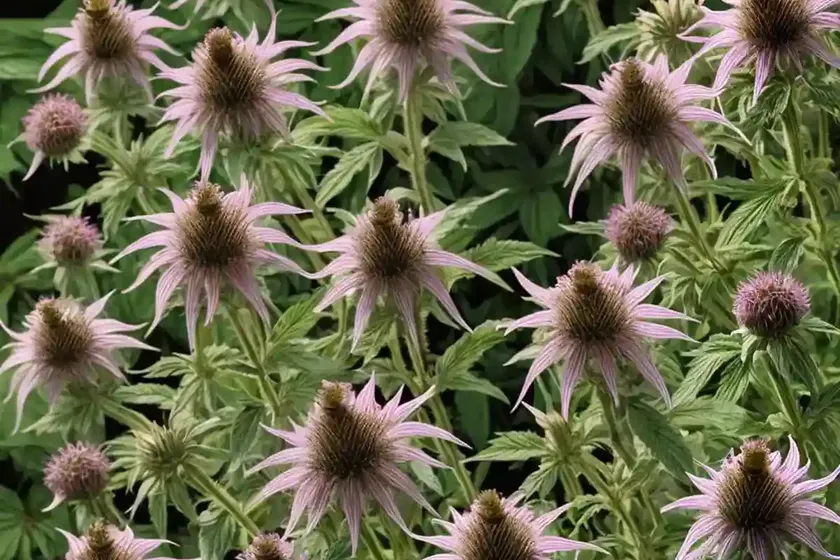
The Monarda bradburiana, commonly known as Eastern Bee Balm, is a beautiful and versatile plant with a wide range of uses in landscaping, medicine, and culinary arts. Its vibrant flowers and aromatic foliage make it a popular choice for gardens, while its medicinal properties and ability to attract beneficial insects add to its appeal. In this comprehensive guide, we will delve into the key characteristics, growing requirements, uses, and maintenance of Monarda bradburiana, providing valuable insights for both gardening enthusiasts and professionals.
What is Monarda bradburiana?
Monarda bradburiana, a member of the mint family (Lamiaceae), is a native North American perennial plant that is commonly found in the eastern United States. Also known as Eastern Bee Balm, this species is highly valued for its attractive flowers, which are a magnet for pollinators such as bees, butterflies, and hummingbirds. The genus Monarda, named after the 16th-century Spanish botanist Nicolas Monardes, comprises several species commonly referred to as bee balms or bergamots, all of which are prized for their ornamental and practical benefits.
Key Takeaways – Monarda bradburiana (Eastern Bee Balm)
Before we delve into the specifics of Monarda bradburiana, let’s take a look at the key takeaways that will guide our exploration of this fascinating plant. These takeaways cover the essential aspects of Eastern Bee Balm, from its cultural requirements to its interaction with the surrounding ecosystem.
- Culture
- Monarda bradburiana is a perennial plant that thrives in moist, well-drained soils and partial to full sunlight.
-
It is known for its vibrant, tubular flowers that attract a variety of pollinators, making it a valuable addition to wildlife gardens.
-
Uses
-
Monarda bradburiana has a range of uses, including ornamental landscaping, medicinal applications, and attracting beneficial insects to the garden.
-
Water
-
It prefers consistently moist soil and moderate watering, making it suitable for areas with regular rainfall or access to irrigation.
-
Sunlight
-
Monarda bradburiana requires full to partial sunlight for optimal growth and flowering.
-
Fertilizer
-
While generally low-maintenance, it can benefit from a balanced, slow-release fertilizer applied in spring.
-
Soil
-
Well-drained, fertile soil with a slightly acidic to neutral pH is ideal for Monarda bradburiana.
-
Pruning
-
Deadheading spent flowers and thinning overcrowded growth can promote better blooming and overall plant health.
-
Propagation
-
It can be propagated through division or stem cuttings, offering opportunities for expanding its presence in the garden.
-
Container Popularity
-
Eastern Bee Balm is well-suited to container gardening, providing a versatile option for various outdoor and indoor settings.
-
Common Diseases
-
Monarda bradburiana is susceptible to specific diseases, such as powdery mildew, which should be monitored and managed effectively.
-
Disease Diagnosis
-
Understanding the symptoms and signs of common diseases can aid in timely intervention and treatment.
-
Common Pests
-
Pests like spider mites and aphids can occasionally affect Monarda bradburiana, necessitating proactive pest control measures.
-
Botanist’s Tips
-
Insights and recommendations from botanists can provide valuable guidance for cultivating and caring for this species.
-
Fun Facts
-
Exploring interesting and lesser-known facts about Monarda bradburiana can deepen our appreciation for this plant and its ecological importance.
-
Links to External Resources
- Accessing reliable external resources can offer additional information and support for cultivating Monarda bradburiana.
By understanding and embracing these key takeaways, we can gain a holistic perspective on Monarda bradburiana and its role in horticulture, ecology, and human well-being.
Culture of Monarda bradburiana
Understanding the cultural requirements of Monarda bradburiana is essential for successful cultivation and long-term health of the plant. From its preferred growing conditions to its ecological significance, this section will provide valuable insights into the cultural aspects of Eastern Bee Balm.
Water
As a species native to regions with ample moisture, Monarda bradburiana thrives in soils that remain consistently moist. While it can withstand short periods of drought, ensuring adequate hydration is essential for vibrant growth and prolific flowering. Regular watering, particularly during dry spells, is beneficial, but care should be taken not to overwater, as waterlogged soils can lead to root rot and other complications.
Sunlight
Monarda bradburiana exhibits a preference for partial to full sunlight, with at least 4-6 hours of direct sunlight being ideal for optimal growth and flowering. In regions with intense summer heat, partial shade during the hottest part of the day can provide relief and prevent stress on the plant. Understanding the local climate and sunlight patterns in the garden can help in selecting suitable locations for planting Eastern Bee Balm.
Fertilizer
While Monarda bradburiana is relatively low-maintenance, it can benefit from an annual application of balanced, slow-release fertilizer in early spring. This provides essential nutrients to support vigorous growth and abundant flowering throughout the growing season. Care should be taken to follow the manufacturer’s recommendations regarding application rates and methods to avoid over-fertilization.
Soil
Well-drained, fertile soils with a slightly acidic to neutral pH (6.0-7.0) are ideal for cultivating Monarda bradburiana. It is important to avoid waterlogged or compacted soils, as these conditions can hinder root development and lead to health issues for the plant. Amending the soil with organic matter such as compost can improve its structure and fertility, creating an ideal environment for this species.
Uses of Monarda bradburiana
The uses of Monarda bradburiana extend beyond its visual appeal, encompassing a range of practical and ecological applications that make it a valuable addition to diverse outdoor settings. From ornamental landscaping to attracting beneficial wildlife, this section will explore the various uses of Eastern Bee Balm and the benefits it offers to both humans and the environment.
Ornamental Landscaping
Monarda bradburiana’s vibrant flowers and aromatic foliage make it a captivating choice for ornamental landscaping. Its striking blooms, which range from pink to lavender, add color and vibrancy to flower beds, borders, and naturalistic garden settings. The plant’s upright growth habit and prolific flowering make it well-suited for creating attractive visual displays that complement a variety of garden styles and designs.
Medicinal Applications
In addition to its ornamental value, Monarda bradburiana has a rich history of medicinal use by indigenous peoples and early settlers. The leaves and flowers of this plant contain essential oils with antiseptic and soothing properties, making them valuable for herbal remedies and topical treatments. Infusions and extracts derived from Eastern Bee Balm have been used to address ailments such as colds, headaches, and digestive issues.
Beneficial Insects
One of the most significant ecological benefits of Monarda bradburiana is its ability to attract and support a diverse array of beneficial insects. The nectar-rich flowers serve as an important food source for bees, butterflies, and other pollinators, contributing to the health and resilience of local ecosystems. By planting Eastern Bee Balm, gardeners can actively contribute to the conservation of pollinators and the essential ecosystem services they provide.
Culinary Uses
The aromatic foliage of Monarda bradburiana lends itself to culinary applications, with its minty, citrusy flavor adding an interesting twist to a variety of dishes. The leaves can be used fresh or dried to infuse teas, flavor salads, and enhance the taste of meats and seafood. The plant’s edible flowers can also be used as an attractive and flavorful garnish for both sweet and savory dishes, adding visual appeal and a subtle floral note.
Pruning and Maintenance of Monarda bradburiana
Optimal pruning and maintenance practices are essential for promoting the health, longevity, and aesthetic appeal of Monarda bradburiana. From deadheading spent blooms to managing vegetative growth, this section will provide practical guidance on maintaining Eastern Bee Balm in the garden and landscape.
Pruning Techniques
Deadheading, or the removal of spent flowers, is a simple yet effective practice that encourages Monarda bradburiana to produce new blooms and prevents the formation of seed heads. Regular deadheading throughout the flowering season can prolong the display of vibrant flowers and promote the plant’s overall vigor. Additionally, thinning out overcrowded or weak growth can enhance air circulation and reduce the risk of disease and pest infestations.
Winter Maintenance
In regions with cold winters, providing a layer of mulch around the base of Monarda bradburiana can offer protection from freezing temperatures and fluctuations in soil moisture. This practice helps to insulate the roots and preserve their vitality during periods of dormancy, ensuring a healthy and vigorous regrowth in the following spring.
Pest and Disease Management
Vigilant monitoring for common pests such as spider mites and aphids is essential, as these insects can occasionally infest Monarda bradburiana and cause damage to foliage and flowers. Prompt intervention with targeted pest control methods, such as insecticidal soap or neem oil, can effectively manage pest populations while minimizing impacts on beneficial insects and the surrounding environment.
Disease Prevention
One of the primary diseases that can affect Monarda bradburiana is powdery mildew, a fungal infection that manifests as a powdery white coating on the leaves and stems. Implementing cultural practices that promote good air circulation, such as proper spacing between plants and avoiding overhead watering, can help prevent powdery mildew and reduce the likelihood of disease development.
Time-tested Gardening Tips
Drawing on the experience and expertise of seasoned gardeners and botanists can provide valuable insights and time-tested tips for cultivating Monarda bradburiana. From selecting companion plants to implementing sustainable gardening practices, integrating these tips into the maintenance routine can enhance the health and beauty of Eastern Bee Balm in the garden.
Propagation and Container Gardening with Monarda bradburiana
The propagation and container gardening of Monarda bradburiana offer exciting opportunities for expanding its presence in the garden and incorporating it into diverse outdoor and indoor environments. In this section, we will explore the methods for propagating Eastern Bee Balm and the considerations for successful container gardening.
Propagation Methods
Monarda bradburiana can be propagated through division, in which established clumps of the plant are carefully separated to create new, individual plants. This method is effective for rejuvenating crowded or overgrown plantings and establishing new clusters in different garden locations. Additionally, stem cuttings can be taken from healthy, actively growing shoots and rooted to produce new plants, offering a simple and efficient means of propagation.
Container Gardening
The adaptable nature of Monarda bradburiana makes it well-suited to container gardening, providing an attractive and versatile option for various outdoor and indoor settings. When selecting containers for Eastern Bee Balm, it is important to choose ones that provide adequate room for root development and sufficient drainage to prevent waterlogging. Strategic placement of containers can accentuate outdoor living spaces, patios, and balconies while introducing the fragrance and beauty of Monarda bradburiana to diverse environments.
Overwintering Container Plants
For gardeners in regions with harsh winters, overwintering container-grown Monarda bradburiana requires appropriate protection from freezing temperatures. This can be achieved through insulating the containers with layers of mulch or moving them to sheltered locations such as unheated garages or protected porches. Monitoring soil moisture levels and providing occasional watering during dry spells can help maintain the health and vitality of the plants during winter dormancy.
Sustainable Container Practices
Incorporating sustainable practices into container gardening with Monarda bradburiana can enhance its ecological benefits and minimize environmental impacts. Using recyclable or biodegradable containers, choosing organic potting mixes, and integrating water-efficient irrigation methods are examples of sustainable approaches that support the long-term health and resilience of container-grown plants.
Common Diseases and Pests Affecting Monarda bradburiana
Understanding the common diseases and pests that can affect Monarda bradburiana is crucial for early detection and effective management. By recognizing the signs and symptoms of these challenges, gardeners can implement targeted strategies to prevent and address these issues, preserving the health and beauty of Eastern Bee Balm.
Common Diseases
Powdery mildew, caused by fungal pathogens, is one of the primary diseases that can affect Monarda bradburiana. This condition presents as a powdery white coating on the leaves, stems, and flowers, leading to reduced vigor and aesthetic appeal. Additionally, leaf spot diseases and root rot can occur under conditions of excess moisture or poor air circulation, posing further challenges to the plant’s health.
Disease Diagnosis
Early diagnosis of diseases affecting Monarda bradburiana involves vigilant observation of the plant’s foliage, stems, and overall growth. Documenting any signs of discoloration, wilting, or abnormal growth patterns can aid in pinpointing the specific diseases present and determining appropriate courses of action. Consulting with local agricultural extension services or plant pathology experts can provide valuable support in accurately diagnosing and addressing plant health issues.
Common Pests
Pests such as spider mites and aphids can occasionally infest Monarda bradburiana, feeding on the plant’s sap and causing damage to its foliage and flowers. Identifying these pests through close inspection of the plant and their characteristic feeding patterns can guide the implementation of targeted pest control measures to manage their populations and minimize their impact on the plant.
Pest Control Methods
Integrated pest management (IPM) strategies offer effective and environmentally conscious approaches to controlling pests on Monarda bradburiana. This may include the use of natural predators, such as ladybugs and lacewings, to address aphid infestations, as well as targeted applications of insecticidal soap or horticultural oils to manage spider mite populations. Regular monitoring and early intervention are key components of successful pest control in the garden.
Botanist’s Tips for Cultivating Monarda bradburiana
Seeking insights and recommendations from botanists and horticultural experts can provide valuable guidance for cultivating and caring for Monarda bradburiana. By integrating their expertise into gardening practices, enthusiasts can gain a deeper understanding of this species and enhance their success in growing and maintaining Eastern Bee Balm.
Selecting Companion Plants
Botanists often recommend selecting companion plants that complement and support the growth of Monarda bradburiana. Plants with similar cultural requirements, such as other native perennials and pollinator-friendly species, can create harmonious and mutually beneficial plantings that contribute to the ecological balance of the garden. Additionally, incorporating diverse textures, colors, and bloom times into companion plantings can enhance the visual appeal and overall interest of the garden landscape.
Sustainable Gardening Practices
Promoting sustainable gardening practices, such as organic soil amendments, water-efficient irrigation, and natural pest control methods, aligns with the recommendations put forth by botanists and environmental experts. By prioritizing the long-term health and resilience of the garden ecosystem, gardeners can support the well-being of Monarda bradburiana and other plant species while minimizing adverse impacts on the environment.
Ecological Considerations
Botanists advocate for considering the ecological impact of garden plantings, emphasizing the role of native species in supporting local wildlife and conserving biodiversity. The inclusion of Monarda bradburiana in garden designs aligns with these ecological considerations, providing valuable resources for beneficial insects and contributing to the overall health and balance of the surrounding ecosystem.
Fun Facts About Monarda bradburiana
Exploring interesting and lesser-known facts about Monarda bradburiana can deepen our appreciation for this plant and its ecological significance. From its historical uses to its ecological interactions, Eastern Bee Balm offers a wealth of fascinating and valuable attributes that enrich our understanding of this species.
Historical Significance
The genus Monarda, to which Monarda bradburiana belongs, holds historical significance as a group of plants with diverse cultural and medicinal uses. Native American tribes utilized various species of Monarda for medicinal purposes, culinary applications, and ceremonial rituals, recognizing the value of these plants in their daily lives and traditional practices.
Ethnobotanical Uses
Monarda bradburiana has been valued for its ethnobotanical uses, with indigenous peoples incorporating its leaves and flowers into medicinal preparations and teas. The aromatic and antibacterial properties of Eastern Bee Balm made it an essential component of indigenous pharmacopeias, addressing ailments ranging from colds and sore throats to digestive discomfort and minor wounds.
Pollinator Magnet
The vibrant flowers of Monarda bradburiana act as a magnet for a wide range of pollinators, including bees, butterflies, and hummingbirds. The nectar-rich blooms provide a vital food source for these pollinators, contributing to the health and resilience of local ecosystems while enhancing the visual appeal of the garden.
Ecological Importance
As a native North American species, Monarda bradburiana plays a significant ecological role in supporting local wildlife and contributing to the biodiversity of natural habitats. Its ability to attract and sustain beneficial insects makes it a valuable asset in efforts to conserve and restore pollinator populations, an essential function in the face of declining insect diversity.
Aromatic Qualities
The aromatic foliage of Monarda bradburiana releases a minty, citrusy scent when bruised or gently brushed, adding an olfactory dimension to its ornamental and practical appeal. The fragrance of the plant’s leaves enhances the sensory experience of the garden, creating a multi-sensory environment that can be enjoyed by both humans and visiting wildlife.
Links to External Resources
Accessing reliable external resources is essential for acquiring additional information and support for cultivating Monarda bradburiana. By exploring authoritative sources and educational materials, enthusiasts and professionals can expand their knowledge base and strengthen their practices related to Eastern Bee Balm.
Online Horticultural Resources
Websites and digital platforms dedicated to horticulture and gardening provide a wealth of information on Monarda bradburiana, including cultivation tips, pest and disease management strategies, and inspirational uses in garden design. Online resources from reputable botanical gardens, academic institutions, and extension services offer valuable insights and practical guidance for successfully growing and enjoying this species.
Botanical and Natural History Institutions
Botanical gardens, arboreta, and natural history museums frequently feature educational exhibits and resources related to native plants such as Monarda bradburiana. Visitors can access interpretive displays, living plant collections, and educational programs that showcase the ecological and cultural significance of Eastern Bee Balm, offering immersive learning experiences for audiences of all ages.
Horticultural Publications
Printed publications such as gardening magazines, botanical journals, and horticultural books often include articles and features on native plants like Monarda bradburiana. These reputable sources offer in-depth explorations of plant species, cultivation techniques, and ecological roles, providing enthusiasts and professionals with comprehensive and reliable information.
Community Gardening Groups and Forums
Engaging with community gardening groups, forums, and social media platforms allows for the exchange of experiences and knowledge related to Monarda bradburiana. Enthusiasts can connect with fellow gardeners, share practical insights, and seek advice on specific aspects of cultivating and enjoying Eastern Bee Balm in diverse garden settings.
By leveraging these external resources, individuals passionate about Monarda bradburiana can deepen their understanding of this species and foster its


