Monarda ‘Blue Stocking’ (Bee Balm): A Comprehensive Guide
Monarda ‘Blue Stocking’, commonly known as Bee Balm, is a stunning and versatile plant that belongs to the mint family, Lamiaceae. This beautiful perennial herbaceous plant is native to North America, and it is cherished for its captivating blue-purple flowers and its attractiveness to pollinators. In this comprehensive guide, we’ll explore everything you need to know about Monarda ‘Blue Stocking’, including its characteristics, care tips, uses, and much more.
What is Monarda ‘Blue Stocking’ (Bee Balm)?
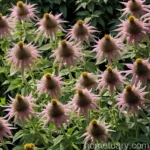
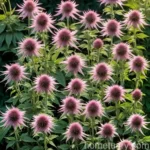
Monarda ‘Blue Stocking’ is a variety of Bee Balm that is highly valued for its striking, showy flowers and aromatic foliage. This plant typically reaches a height of 3 to 4 feet and spreads to about 2 to 3 feet. The scientific name Monarda is derived from the Spanish botanist, Nicolás Monardes, who extensively studied medicinal and aromatic plants. Monarda ‘Blue Stocking’ is also commonly referred to as Bergamot due to the citrus fragrance of its leaves.
Key Takeaways
Let’s delve into the key takeaways about Monarda ‘Blue Stocking’ (Bee Balm), covering various aspects such as culture, uses, water requirements, sunlight exposure, fertilizer needs, soil preferences, pruning, propagation, its popularity, common diseases, pest control, and fun facts.
Monarda ‘Blue Stocking’ Characteristics
Before delving into the essential care tips and cultivation practices for Monarda ‘Blue Stocking’, let’s take a closer look at the distinctive characteristics that make this plant so unique.
- Botanical Name: Monarda ‘Blue Stocking’
- Common Name: Bee Balm
- Family: Lamiaceae
- Plant Type: Perennial
- Height: 3 to 4 feet
- Spread: 2 to 3 feet
- Flower Color: Blue-purple
- Foliage: Aromatic, green
- Sunlight Needs: Full sun to partial shade
- Soil Type: Moist, well-draining
- Hardiness Zones: 4 to 9
Culture
Uses
Monarda ‘Blue Stocking’ is a multi-functional plant that serves various purposes in both natural and cultivated settings.
-
Garden Ornamental: The stunning flowers make Monarda ‘Blue Stocking’ an excellent ornamental plant in garden borders, as well as in pollinator and wildlife gardens.
-
Medicinal Purposes: Historically, Bee Balm has been used for medicinal purposes, including treating colds, flu, and digestive issues. The leaves can be brewed into a tea with potential antibacterial and antifungal properties.
-
Culinary Uses: The fragrant foliage of Bee Balm can be used as a flavorful addition to salads, beverages, and garnishes. It is also a delightful addition to herbal vinegars and jellies.
-
Wildlife Attractor: The nectar-rich flowers attract a plethora of pollinators, including bees, butterflies, and hummingbirds, making it an essential addition to wildlife-friendly gardens.
Water
In terms of water requirements, Monarda ‘Blue Stocking’ thrives in moist soil conditions. While it prefers consistent moisture, it is essential to avoid waterlogged conditions, as excessive moisture can lead to root rot.
Sunlight
To ensure optimal growth and abundant flowering, Monarda ‘Blue Stocking’ prefers full sun to partial shade. However, in regions with intense heat, providing some afternoon shade can be beneficial for the plant.
Fertilizer
When it comes to fertilization, Monarda ‘Blue Stocking’ typically does not require excessive fertilization. However, applying a balanced, slow-release fertilizer in the spring can promote healthy growth and abundant blooms. It’s crucial to follow the manufacturer’s recommendations and avoid over-fertilizing, as this can lead to excessive foliage at the expense of blooming.
Soil
Monarda ‘Blue Stocking’ thrives in moist, well-draining soil that is rich in organic matter. A slightly acidic to neutral pH range of 6.5 to 7.0 is considered ideal for the plant. Additionally, incorporating organic mulch around the base of the plant can help maintain soil moisture and suppress weed growth.
Pruning
Pruning Bee Balm is essential to promote bushy growth, maintain plant health, and prolong the flowering period. Deadheading spent flowers can encourage continuous blooms, while regular removal of faded or diseased foliage helps prevent the spread of diseases. Additionally, cutting back the stems in late spring to one-third of their height can help prevent legginess and promote a compact, bushy form.
Propagation
Monarda ‘Blue Stocking’ can be propagated through various methods, including division, stem cuttings, and seed sowing. Dividing mature clumps in the early spring or fall is an effective way to propagate the plant and rejuvenate older specimens. Stem cuttings taken from healthy, non-flowering shoots can be rooted in a well-draining medium to produce new plants. Lastly, collecting and sowing seeds in the late fall or early spring can also yield new Bee Balm plants.
Container Popularity
Due to its striking appearance and versatility, Monarda ‘Blue Stocking’ is a popular choice for container gardening. When selecting a container, ensure it provides adequate drainage and sufficient space for the plant’s growth. Container-grown Bee Balm can be an excellent addition to patios, balconies, and small gardens, providing a burst of color and fragrance.
Common Diseases
While Monarda ‘Blue Stocking’ is a resilient plant, it is susceptible to certain diseases that can impact its growth and overall vitality. Some common diseases to watch out for include:
-
Powdery Mildew: This fungal disease presents as a powdery white substance on the foliage, leading to decreased plant vigor and unsightly appearance. To address powdery mildew, ensure proper air circulation, avoid overhead watering, and consider applying fungicidal treatments as needed.
-
Leaf Spot: Leaf spot diseases can cause dark or discolored spots on the foliage, leading to leaf drop and diminished plant health. Maintaining good sanitation practices by removing and disposing of infected leaves can help reduce the spread of leaf spot.
-
Root Rot: Excessive soil moisture, especially in poorly draining soils, can lead to root rot in Monarda ‘Blue Stocking’. To prevent this, ensure proper soil drainage and avoid overwatering.
Disease Diagnosis
When diagnosing diseases in Monarda ‘Blue Stocking’, it is essential to carefully inspect the plant for symptoms such as abnormal leaf discoloration, distorted growth, and the presence of fungal or bacterial residues. Proper diagnosis is key to implementing effective disease management strategies and preventing further spread within the garden.
Common Pests
In addition to diseases, Bee Balm can attract certain pests that may impact its overall health and appearance. Some common pests to be mindful of include:
-
Aphids: These small, soft-bodied insects can cluster on the new growth of Monarda ‘Blue Stocking’, causing distortion and stunted growth. Implementing natural predators, such as ladybugs, or using insecticidal soaps can help control aphid infestations.
-
Spider Mites: Spider mites are tiny arachnids that can cause stippling and yellowing of the foliage. Regularly spraying the plant with a strong stream of water can help deter and control spider mite populations.
-
Thrips: Thrips are small, slender insects that can feed on the flower buds of Monarda ‘Blue Stocking’, leading to distorted or discolored blossoms. Introducing predatory insects, such as lacewings, can assist in controlling thrips infestations.
Botanist’s Tips
To ensure the healthy growth and longevity of Monarda ‘Blue Stocking’, here are some valuable tips from botanists and horticultural experts:
-
Adequate Air Circulation: Proper air circulation is essential for preventing fungal diseases such as powdery mildew. When planting Monarda ‘Blue Stocking’, ensure that there is ample space between individual plants to promote airflow and reduce humidity around the foliage.
-
Mulching Practices: Applying a layer of organic mulch around the base of Bee Balm not only helps conserve soil moisture but also aids in weed suppression and provides insulation to the root system during temperature fluctuations.
-
Companion Planting: Pairing Monarda ‘Blue Stocking’ with companion plants such as Echinacea, Rudbeckia, and Agastache can create visually stunning and ecologically beneficial garden displays, attracting pollinators and other beneficial insects.
Fun Facts
As a species with a rich history and fascinating characteristics, Monarda ‘Blue Stocking’ boasts several captivating fun facts that highlight its uniqueness:
-
Aromatic Foliage: The aromatic foliage of Bee Balm not only adds to its charm but also makes it a sought-after addition to sensory gardens and herbal displays.
-
Historical Lore: Native American tribes used the leaves and flowers of Bee Balm for various medicinal and culinary purposes, leading it to be known as “Oswego tea” due to its use by the Oswego tribe.
-
Ecological Significance: Due to its high nectar content, Monarda ‘Blue Stocking’ is an indispensable plant for supporting declining pollinator populations, making it a vital component of pollinator-friendly landscapes.
Links to External Resources
For further exploration of Monarda ‘Blue Stocking’ (Bee Balm) and its cultivation, uses, and ecological importance, here are some recommended external resources:
- Monarda ‘Blue Stocking’ Plant Profile – The National Gardening Association
- Monarda ‘Blue Stocking’ – Missouri Botanical Garden
- Bee Balm (Monarda) – University of Maryland Extension
- Monarda ‘Blue Stocking’ Factsheet – Royal Horticultural Society
- Growing and Caring for Monarda – The Old Farmer’s Almanac
In this comprehensive guide, we’ve delved into the captivating world of Monarda ‘Blue Stocking’ (Bee Balm), exploring its characteristics, culture, uses, diseases, pests, and valuable tips for successful cultivation. Whether you’re considering adding this charming plant to your garden or seeking to enhance your knowledge of its ecological significance, Monarda ‘Blue Stocking’ remains a beloved and essential component of diverse landscapes.