Plant Name: Monarda ‘Balmy Lilac’ (Bee Balm)
What is Monarda ‘Balmy Lilac’?
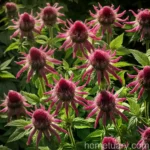
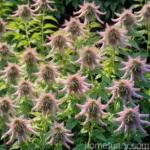
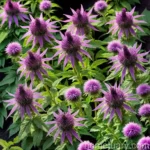
Monarda, commonly known as bee balm, is a genus in the mint family (Lamiaceae) that includes several species of flowering plants. Monarda ‘Balmy Lilac’ is a specific variety of bee balm known for its stunning lilac-colored flowers. It is a perennial plant that is native to North America and has gained popularity in gardens and landscapes for its ornamental and ecological value.
Monarda ‘Balmy Lilac’ Characteristics
Monarda ‘Balmy Lilac’ is characterized by the following features:
- Flower Color: Lilac
- Flower Shape: Unique
- Growth Habit: Perennial
- Fragrance Profile: Aromatic leaves and flowers
- Sun Exposure: Requires full sun to partial shade
- Soil Preferences: Well-drained, fertile soil
- Water Needs: Moderate
Key Takeaways – Monarda ‘Balmy Lilac’ (Bee Balm)
Before delving into the specific aspects of Monarda ‘Balmy Lilac’ care and cultivation, let’s highlight some key takeaways about this beautiful plant:
- Attracts Pollinators: Monarda ‘Balmy Lilac’ is known for attracting bees, butterflies, and hummingbirds to the garden, making it a valuable addition to pollinator-friendly landscapes.
- Medicinal Uses: Historically, various species of Monarda were used by Native American tribes for medicinal purposes, and ‘Balmy Lilac’ may have similar applications.
- Aromatic Qualities: The leaves and flowers of Monarda ‘Balmy Lilac’ exude a delightful fragrance, adding to its appeal in gardens and cut flower arrangements.
Now, let’s explore in detail the various aspects of caring for and growing Monarda ‘Balmy Lilac’.
Culture
Uses
Monarda ‘Balmy Lilac’ has several modern and traditional uses, making it a versatile addition to gardens and landscapes. Its primary uses include:
- Ornamental Plant: The striking lilac-colored flowers and aromatic foliage make Monarda ‘Balmy Lilac’ a popular choice for ornamental gardens and landscapes.
- Pollinator Garden: Its ability to attract bees, butterflies, and hummingbirds makes ‘Balmy Lilac’ an essential component of pollinator-friendly gardens.
- Cut Flowers: The unique flower shape and aromatic qualities make Monarda ‘Balmy Lilac’ a desirable choice for cut flower arrangements.
Water
As for water needs, Monarda ‘Balmy Lilac’ prefers moderate moisture levels. While it does not thrive in waterlogged conditions, it also does not tolerate drought stress well. Therefore, it is essential to provide consistent watering, especially during periods of prolonged dryness, to ensure the plant’s health and vigor.
Sunlight
Monarda ‘Balmy Lilac’ thrives in full sun to partial shade. In regions with hot summers, providing some afternoon shade can help protect the plant from the intense heat. However, it is essential to ensure that the plant still receives an adequate amount of sunlight for healthy growth and abundant flowering.
Fertilizer
When it comes to fertilizing Monarda ‘Balmy Lilac’, a balanced, all-purpose fertilizer applied in early spring can help promote vigorous growth and abundant flowering. It is crucial to follow the product’s specific instructions regarding application rates to avoid over-fertilization, which can lead to excessive foliage at the expense of flowers.
Soil
Monarda ‘Balmy Lilac’ thrives in well-drained, fertile soil. Amending the planting area with organic matter such as compost can help improve soil structure and provide essential nutrients for the plant’s growth. Additionally, maintaining a slightly acidic to neutral pH level in the soil is beneficial for optimal growth and flowering.
Pruning
Pruning Monarda ‘Balmy Lilac’ is an essential aspect of its maintenance, promoting not only a tidy appearance but also encouraging repeat blooming and overall plant health. Here are some key tips for pruning this beautiful bee balm variety:
- Deadheading: Removing spent flowers promptly can stimulate the production of additional blooms, prolonging the flowering period and enhancing the plant’s visual appeal.
- Cutting back: In late fall or early spring, cutting back the stems to ground level can help rejuvenate the plant and prevent excessive self-seeding, particularly in garden settings where control of its spread is necessary.
Propagation
Monarda ‘Balmy Lilac’ can be propagated through various methods, including division, stem cuttings, and seed propagation. Each method presents its own set of advantages and considerations:
- Division: Dividing established clumps in early spring can yield new, healthy plants and help rejuvenate older specimens.
- Stem Cuttings: Taking cuttings from healthy new growth in late spring or early summer can lead to successful propagation, generating genetically identical plants.
- Seed Propagation: Collecting and sowing seeds in a well-prepared seed-starting medium can be an effective way to propagate ‘Balmy Lilac’, although it may take longer to produce mature, flowering plants compared to other methods.
Container Popularity
Monarda ‘Balmy Lilac’ is well-suited for container gardening, making it a popular choice for those with limited garden space or as a versatile addition to outdoor living areas. Its compact growth habit, ornamental flowers, and fragrant foliage make it an appealing option for container plantings on patios, balconies, and other outdoor settings.
Container Care
When grown in containers, the following care practices can help ensure the success of Monarda ‘Balmy Lilac’:
- Container Size: Select a container that provides ample room for root development, preventing the plant from becoming root-bound and ensuring optimal growth.
- Well-drained Soil: Use a high-quality, well-draining potting mix to promote healthy root development and avoid waterlogged conditions that can lead to root rot.
- Watering: Maintain consistent moisture levels, avoiding overly dry or waterlogged conditions that can negatively impact the plant’s health and vigor.
- Fertilization: Apply a diluted, balanced fertilizer at the beginning of the growing season and periodically throughout the growing period to provide essential nutrients for the plant’s growth and flowering.
Common Diseases
Despite its overall hardiness, Monarda ‘Balmy Lilac’ can be susceptible to certain diseases, so it is crucial to monitor the plant for signs of distress and promptly address any issues that arise. Common diseases that can affect ‘Balmy Lilac’ include:
- Powdery Mildew: This fungal disease can cause a powdery, white coating on the plant’s foliage, leading to decreased vigor and unsightly appearance.
- Leaf Spot: Characterized by dark lesions on the leaves, leaf spot can impact the plant’s overall health and aesthetics if left untreated.
- Root Rot: Excessive moisture or poorly draining soil can lead to root rot, potentially causing wilting and decline in affected plants.
Disease Diagnosis
Diagnosing and addressing diseases promptly is essential for maintaining the health and vitality of Monarda ‘Balmy Lilac’. Here are some key steps for disease diagnosis and management:
- Visual Inspection: Regularly examine the plant for any signs of discoloration, distortion, or abnormal growth.
- Symptom Identification: Identify specific symptoms such as powdery residue, leaf spots, or wilting, which can help narrow down potential diseases.
- Treatment: Implement appropriate measures such as improving air circulation, adjusting watering practices, and applying fungicidal treatments to control and prevent disease spread.
Common Pests
Like many garden plants, Monarda ‘Balmy Lilac’ can be susceptible to attack by certain pests. Understanding the common pests that may affect this plant and implementing effective pest control measures are essential for its long-term health and vitality. Common pests that can impact ‘Balmy Lilac’ include:
- Aphids: These small, soft-bodied insects can congregate on new growth and flower buds, causing leaves to curl and impacting the plant’s overall vigor.
- Spider Mites: These tiny arachnids can cause stippling and discoloration on the foliage, leading to decreased photosynthetic capacity and overall plant health.
- Caterpillars: Certain caterpillar species may feed on Monarda ‘Balmy Lilac’ foliage, potentially causing significant damage if left unchecked.
Botanist’s Tips
To ensure the successful cultivation and care of Monarda ‘Balmy Lilac’, consider the following tips from botanists and experienced gardeners:
- Regular Monitoring: Conduct regular inspections of the plant for signs of pests, diseases, or nutrient deficiencies, addressing any issues promptly.
- Healthy Environment: Promote a healthy growing environment with proper air circulation, moisture management, and soil fertility to support the plant’s overall vigor and resilience.
- Prudent Propagation: When propagating ‘Balmy Lilac’, exercise care and attention to detail to ensure the successful establishment of new plants and maintain overall genetic diversity within the garden.
Fun Facts
- Monarda ‘Balmy Lilac’ is often called bee balm due to its historical use as a soothing and aromatic plant material for treating bee stings.
- The genus name “Monarda” honors the Spanish botanist Nicolás Monardes, who promoted the medicinal uses of native American plants in the 16th century.
Links to External Resources
For further information on Monarda ‘Balmy Lilac’ and related topics, consider exploring the following external resources:
- Monarda ‘Balmy Lilac’ Plant Profile – The Spruce
- Growing Bee Balm – Gardening Know How
- Planting and Care of Monarda – University of Florida IFAS Extension
In conclusion, Monarda ‘Balmy Lilac’ is a beautiful and versatile plant that can enrich gardens and landscapes with its ornamental flowers, aromatic foliage, and ecological benefits. By understanding its specific cultivation and care requirements, as well as its potential uses and benefits, gardeners and plant enthusiasts can enjoy the full potential of this captivating bee balm variety.
Note: The information provided in this blog post is for educational and informational purposes only. It is essential to consider specific environmental conditions and individual plant characteristics when implementing care and cultivation practices. Always consult reliable sources and professionals for tailored advice regarding garden and plant care.