Lavandula X Intermedia ‘Hidcote Giant’ (Lavender)
Lavender is one of the most beloved and versatile plants in the horticultural world. Its beauty, fragrance, and numerous cultural uses have made it a.
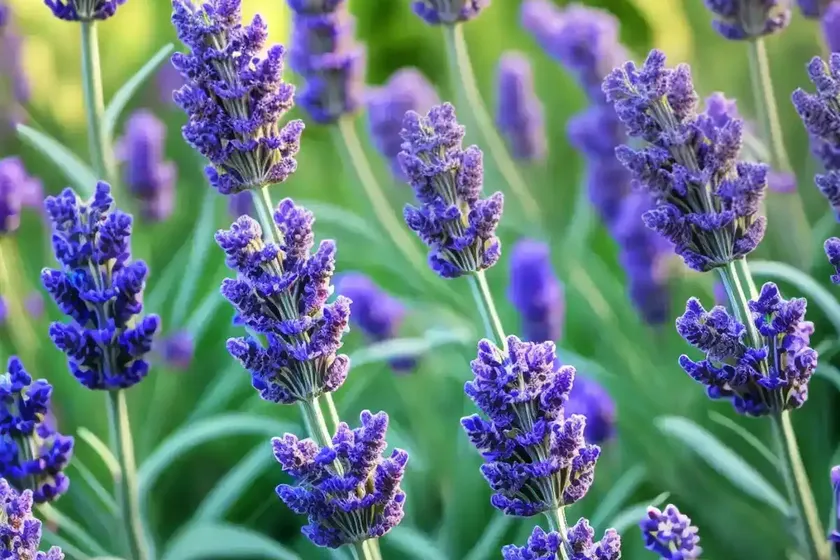
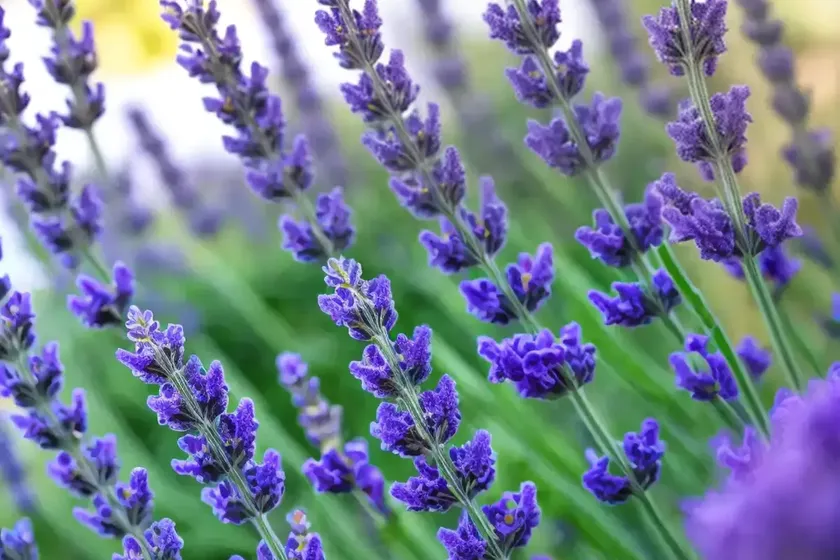
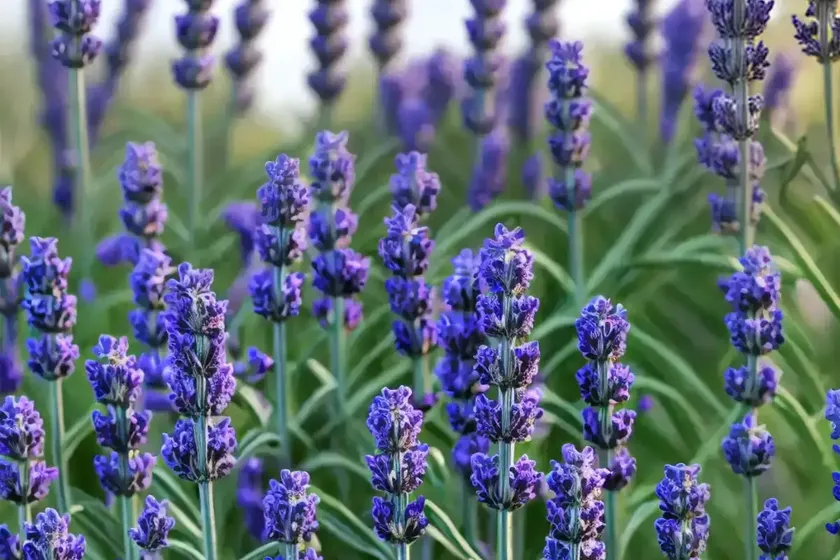
Lavender is one of the most beloved and versatile plants in the horticultural world. Its beauty, fragrance, and numerous cultural uses have made it a popular choice for gardens, landscapes, and even traditional medicine. Among the various lavender cultivars, the Lavandula x intermedia ‘Hidcote Giant,’ commonly known as Hidcote Giant Lavender, stands out for its unique characteristics and diverse applications.
In this comprehensive guide, we will delve into the world of Lavandula x intermedia ‘Hidcote Giant,’ exploring its cultural requirements, uses, propagation methods, and much more. Whether you’re a seasoned gardener, a landscaping enthusiast, or simply someone who appreciates the beauty of lavender, this guide aims to provide valuable insights into maximizing the potential of this exceptional plant.
What is Lavandula x intermedia ‘Hidcote Giant’ (Lavender)?
Before we delve into the specifics of this lavender variety, it’s important to understand the broader classification and characteristics of Lavandula x intermedia in general.
Lavandula x intermedia: An Overview
Lavandula x intermedia, commonly known as Lavandin, is a hybrid lavender species resulting from the cross between Lavandula angustifolia (English lavender) and Lavandula latifolia (Spike lavender). This hybridization has led to the development of cultivars with unique traits, including enhanced fragrance, larger size, and distinct bloom colors.
Hidcote Giant Lavender, a cultivar of Lavandula x intermedia, is especially renowned for its robust growth habits, intense fragrance, and versatile uses, making it a preferred choice for both ornamental and practical purposes.
Key Takeaways – Lavandula x intermedia ‘Hidcote Giant’ (Lavender)
Before delving into the specifics of this exquisite lavender variety, let’s first outline the key takeaways that will be explored in detail:
- Plant Name: Lavandula x intermedia ‘Hidcote Giant’ (Lavender)
- Cultural Requirements: Water, Sunlight, Fertilizer, Soil, Pruning
- Propagation Methods: Propagation, Container, Popularity
- Common Diseases: Disease diagnosis, Common Pests
- Botanist’s Tips: Expert advice and insights
- Fun Facts: Intriguing and lesser-known information about the plant
- Links to External Resources: Additional reading for in-depth knowledge
Now, let’s embark on a detailed exploration of the cultural requirements, uses, and unique features of Lavandula x intermedia ‘Hidcote Giant’.
Cultural Requirements
Understanding the fundamental cultural needs of Lavandula x intermedia ‘Hidcote Giant’ is vital for fostering healthy growth and optimal blooming. From water and sunlight requirements to soil preferences, let’s delve into each aspect in detail.
Water
Proper watering is essential for the overall health and vigor of Hidcote Giant Lavender. While it’s important to keep the soil consistently moist, it’s equally vital to ensure good drainage to prevent waterlogging. Overwatering can lead to root rot, adversely affecting the plant’s growth.
Watering Tips for Hidcote Giant Lavender:
- Establishment Phase: During the initial establishment phase, provide regular watering to help the plant develop healthy root systems.
- Mature Plants: Once established, Hidcote Giant Lavender exhibits good drought tolerance. Water deeply but infrequently to encourage deep root growth and avoid constantly saturated soil.
Sunlight
Lavenders, in general, thrive in full sunlight, and Hidcote Giant is no exception. Adequate sunlight exposure contributes to robust growth, abundant blooms, and enhanced fragrance.
Sunlight Requirements for Hidcote Giant Lavender:
- Full Sun: Plant Hidcote Giant Lavender in an area that receives at least 6 to 8 hours of direct sunlight per day.
- Sun-loving Plant: Being a sun-loving plant, Hidcote Giant Lavender may exhibit reduced vigor and decreased blooming if grown in shaded or partially shaded locations.
Fertilizer
Proper fertilization plays a crucial role in ensuring the healthy growth and prolific blooming of Hidcote Giant Lavender. However, it’s important to use fertilizers judiciously to prevent excessive vegetative growth at the expense of floral production.
Fertilization Guidelines for Hidcote Giant Lavender:
- Minimal Fertilization: Lavenders, including Hidcote Giant, generally thrive in nutrient-poor soils. Apply a balanced, slow-release fertilizer sparingly in spring to support early growth.
- Avoid Excessive Nitrogen: Excessive nitrogen can lead to lush foliage at the expense of flowers. Use a fertilizer with a lower nitrogen content to promote more compact growth and profuse blooming.
Soil
Well-drained soil is essential for the overall health and longevity of Hidcote Giant Lavender. The plant is susceptible to root rot in waterlogged soils, emphasizing the need for proper soil preparation and selection.
Ideal Soil Conditions for Hidcote Giant Lavender:
- Sandy or Gravelly Soil: Hidcote Giant Lavender thrives in light, sandy, or gravelly soils that provide excellent drainage.
- Alkaline pH: Lavender, including the Hidcote Giant variety, prefers slightly alkaline soil with a pH range between 6.7 and 7.3.
Pruning
Pruning plays a crucial role in maintaining the shape, vigor, and blooming capacity of Hidcote Giant Lavender. Proper pruning not only enhances the plant’s aesthetic appeal but also mitigates the risk of disease and pest infestations.
Pruning Guidelines for Hidcote Giant Lavender:
- Spring Pruning: In early spring, prune the previous year’s growth, removing spent flower spikes and shaping the plant to promote new growth.
- Deadheading: Regular deadheading, the removal of spent blooms, encourages continuous flowering throughout the growing season and prevents seed formation.
Propagation Methods
Propagation
Propagating Hidcote Giant Lavender allows you to expand your lavender collection, share plants with friends, or rejuvenate aging specimens. Understanding the various propagation methods enables you to propagate this lavender variety with confidence.
Propagation Techniques for Hidcote Giant Lavender:
- Softwood Cuttings: Propagate Hidcote Giant Lavender from softwood cuttings in early summer. Select healthy, non-flowering shoots and root them in a well-draining medium with bottom heat.
- Division: Rejuvenate overgrown clumps and obtain new plants by dividing mature Hidcote Giant Lavender every few years, preferably in early spring before new growth emerges.
Container
Growing Hidcote Giant Lavender in containers offers versatility and convenience, allowing you to cultivate this exquisite plant in various settings, including balconies, patios, and small gardens.
Container Cultivation Tips for Hidcote Giant Lavender:
- Well-draining Potting Mix: Use a well-draining potting mix to prevent waterlogged conditions, ensuring the health of the plant’s root system.
- Adequate Drainage Holes: Select containers with adequate drainage holes to facilitate water drainage and prevent soil saturation.
Popularity
The Hidcote Giant Lavender variety has garnered significant popularity among gardeners, landscapers, and lavender enthusiasts due to its impressive attributes and varied uses.
Reasons for the Popularity of Hidcote Giant Lavender:
- Diverse Applications: The versatile uses of Hidcote Giant Lavender, including culinary, aromatic, and decorative purposes, contribute to its widespread popularity.
- Vigorous Growth Habits: The robust growth, enchanting fragrance, and striking appearance of Hidcote Giant Lavender appeal to gardening enthusiasts and landscaping professionals alike.
Uses
Hidcote Giant Lavender is prized not only for its ornamental value but also for its extensive uses in various domains, ranging from culinary and fragrant to medicinal and decorative applications.
Culinary Uses
The aromatic foliage and flowers of Hidcote Giant Lavender impart delicate, floral flavors to a wide array of culinary creations, making it a versatile herb in the kitchen.
Culinary Applications of Hidcote Giant Lavender:
- Culinary Herbs: Utilize the flowers and leaves of Hidcote Giant Lavender to infuse syrups, teas, and baked goods with its distinctive flavor.
- Herb Vinegars and Seasonings: Create herb-infused vinegars, seasonings, and sugars using the aromatic blossoms and foliage of Hidcote Giant Lavender.
Aromatic and Fragrant Uses
With its enchanting fragrance, Hidcote Giant Lavender is a prized addition to potpourri blends, sachets, and aromatic products, offering a serene and soothing olfactory experience.
Aromatic Applications of Hidcote Giant Lavender:
- Potpourri and Sachets: Dry and preserve the colorful blooms of Hidcote Giant Lavender for use in aromatic sachets and potpourri blends.
- Aromatherapy: Extract essential oil from Hidcote Giant Lavender to harness its calming and aromatic properties in aromatherapeutic applications.
Medicinal and Therapeutic Uses
Lavenders, including Hidcote Giant, have a long history of use in traditional medicine and herbal remedies, owing to their potential therapeutic properties.
Medicinal Applications of Hidcote Giant Lavender:
- Calming Infusions: Prepare soothing lavender teas and tinctures using the dried flowers of Hidcote Giant Lavender to promote relaxation and stress relief.
- Topical Preparations: Infuse oils and create salves from Hidcote Giant Lavender for topical application, potentially aiding in soothing minor skin irritations.
Decorative and Ornamental Purposes
The striking appearance and vibrant hues of Hidcote Giant Lavender make it a sought-after choice for ornamental plantings and decorative arrangements.
Decorative Uses of Hidcote Giant Lavender:
- Landscape Plantings: Utilize Hidcote Giant Lavender in landscape designs to introduce splashes of color, texture, and fragrance to garden beds and borders.
- Cut Flowers: Harvest Hidcote Giant Lavender blooms for eye-catching floral arrangements and bouquets, adding a touch of elegance to indoor settings.
Common Diseases
Despite its resilience, Hidcote Giant Lavender is susceptible to certain diseases and pest infestations. Familiarizing yourself with common ailments and their timely diagnosis is crucial for maintaining the plant’s health.
Disease Diagnosis
Diagnosing and addressing potential diseases early on is critical to prevent the spread and escalation of plant ailments. Here are some common diseases that Hidcote Giant Lavender may encounter:
Common Diseases Affecting Hidcote Giant Lavender:
- Root Rot: Excessive moisture and poor drainage can lead to root rot in Hidcote Giant Lavender, resulting in wilting, yellowing foliage, and overall decline.
- Powdery Mildew: In humid conditions, Hidcote Giant Lavender may suffer from powdery mildew, characterized by a white powdery coating on the foliage.
- Gray Mold: Also known as Botrytis blight, gray mold appears as a fuzzy gray growth on the plant, typically caused by prolonged wet conditions.
Common Pests
An array of pests can pose threats to the well-being of Hidcote Giant Lavender. Recognizing the signs of pest infestations allows for proactive pest management measures.
Potential Pests Affecting Hidcote Giant Lavender:
- Aphids: These small, sap-sucking insects can cause leaf curling, yellowing, and distorted growth in Hidcote Giant Lavender.
- Spider Mites: Infestations of spider mites may result in stippled, discolored foliage and fine webbing on the plant.
- Lavender Leafhoppers: Leafhoppers may feed on the foliage of Hidcote Giant Lavender, causing stippling and yellowing of leaves.
Botanist’s Tips
Glean valuable insights and expert advice from seasoned botanists and lavenders aficionados to ensure the success of your Hidcote Giant Lavender cultivation.
Expert Advice for Hidcote Giant Lavender Care
- Pruning Patience: When pruning Hidcote Giant Lavender, exercise patience and precision, aiming to retain the plant’s natural shape and structure while encouraging new growth.
- Balanced Fertilization: Opt for a balanced, low-nitrogen fertilizer to promote healthy growth and prolific blooming without stimulating excessive vegetative development.
- Early Disease Intervention: Regularly inspect and monitor your Hidcote Giant Lavender for early signs of disease or pest issues, allowing for prompt intervention and mitigation.
Fun Facts
Digging into the intriguing and lesser-known aspects of Hidcote Giant Lavender adds an extra layer of fascination to this beloved plant.
Fascinating Tidbits About Hidcote Giant Lavender
- Heritage and Lineage: Hidcote Giant Lavender is named after the renowned Hidcote Manor Garden in England, known for its impeccable lavender displays and rich botanical heritage.
- Hybrid Vigor: The hybrid nature of Lavandula x intermedia imbues Hidcote Giant Lavender with exceptional vigor, intense fragrance, and a captivating blend of traits inherited from its parent species.
- Culinary Legacy: Hidcote Giant Lavender’s delectable blooms and foliage have found their way into numerous culinary concoctions, from lavender-infused desserts to delicate herbal teas.
Links to External Resources
For those seeking further in-depth information, tips, and inspiration related to Hidcote Giant Lavender, the following list of external resources provides valuable reading material:
-
Royal Horticultural Society – Lavandula x intermedia ‘Hidcote Giant’
-
Gardening Know How – Lavandula Hidcote Giant Care: Learn About Hidcote Lavender Plant
-
Missouri Botanical Garden – Lavandula x intermedia ‘Hidcote Giant’
-
Garden Design – Lavender Plants: How to Grow and Care for Lavender
-
Oregon State University Extension Service – Lavenders for Oregon Gardens
Conclusion
Lavandula x intermedia ‘Hidcote Giant’ (Lavender) transcends mere ornamental appeal, offering a wealth of applications in culinary, aromatic, and medicinal domains. From its cultural requirements to its diverse uses and propagation methods, this comprehensive guide aims to equip lavender enthusiasts with the knowledge and insights necessary to cultivate and appreciate the splendor of Hidcote Giant Lavender.
As you embark on your journey with Hidcote Giant Lavender, may the fragrance and beauty of this exceptional plant enrich your gardening endeavors and inspire creative pursuits in the culinary and aromatic arts.
Remember, the charm of Lavandula x intermedia ‘Hidcote Giant’ lies not only in its vibrant blooms and exquisite fragrance but also in its storied heritage and the myriad ways it enriches our lives.
Happy gardening and may your Hidcote Giant Lavender thrive and flourish in all its resplendent glory!
Plant Name: Lavandula x intermedia ‘Hidcote Giant’ (Lavender)
Author: The Plant Scientist
This comprehensive guide was written with the expertise and dedication of a plant scientist, aiming to provide a detailed and insightful resource for gardening enthusiasts and lavender aficionados worldwide.


