Monarch Fern (Phymatosorus Scolopendria)
Plants have always been an integral part of our lives. Whether it be in our gardens, homes, or the wild, plants play a crucial role in our ecosystems and.
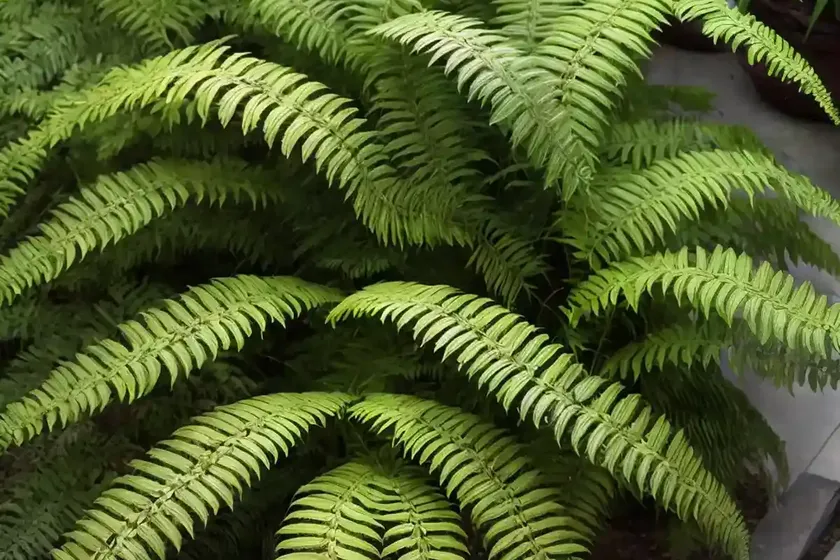
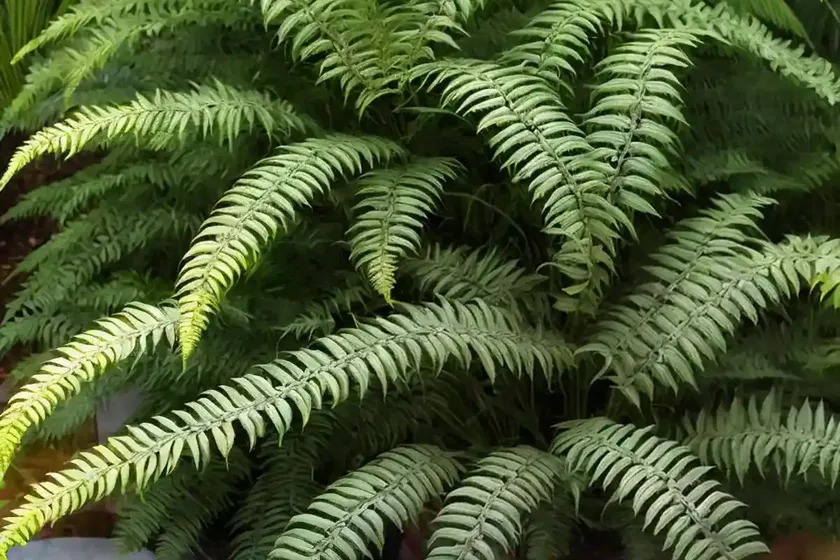
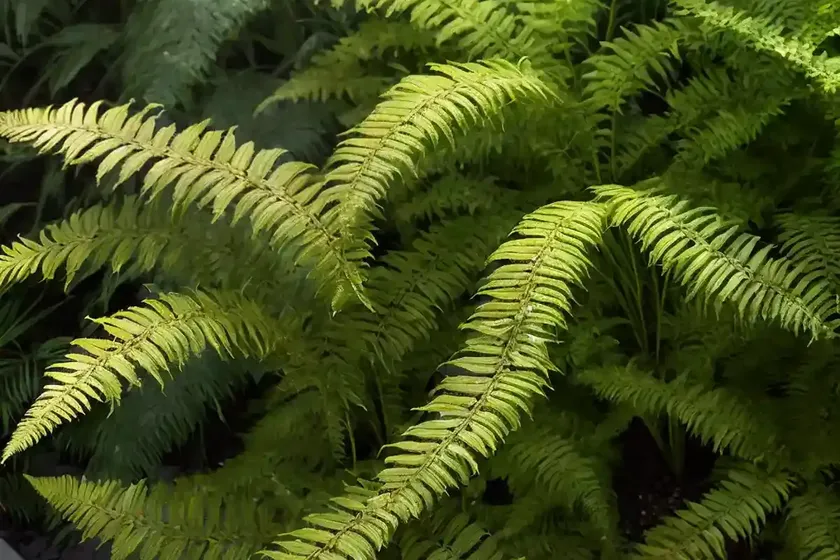
Plants have always been an integral part of our lives. Whether it be in our gardens, homes, or the wild, plants play a crucial role in our ecosystems and provide numerous benefits to the environment and to us as human beings. One such fascinating plant is the Monarch Fern, scientifically known as Phymatosorus scolopendria. In this comprehensive guide, we will delve into the world of Monarch Ferns, exploring their characteristics, care requirements, uses, and much more. So, let’s embark on this exciting journey into the realm of Monarch Ferns.
What is a Monarch Fern (Phymatosorus Scolopendria)?
Monarch Fern, or Phymatosorus Scolopendria, is a striking and versatile fern species that belongs to the family Polypodiaceae. This plant is native to the tropical and subtropical regions of the Americas, Africa, Asia, and the Pacific. It is known for its distinctive fronds and its adaptability to various environments, making it a popular choice for both indoor and outdoor cultivation.
The Monarch Fern’s unique attributes and elegant appearance have made it a sought-after plant among gardening enthusiasts and landscape designers. Its lush, green foliage and low-maintenance nature add a touch of natural beauty to any setting, making it a delightful addition to gardens, landscapes, and indoor spaces.
Key Takeaways – Monarch Fern (Phymatosorus Scolopendria)
Before we dive deeper into the details of caring for the Monarch Fern, let’s take a look at the key takeaways that will be discussed in this guide:
- Cultural Preferences
- Uses
- Watering
- Sunlight Requirements
- Fertilization
- Soil Preferences
- Pruning Techniques
- Propagation Methods
- Container Gardening
- Popularity
- Common Diseases
- Pests
- Botanist’s Tips
- Fun Facts
- Links to External Resources
Now, let’s dig into each of these aspects and explore the world of Monarch Ferns in more detail.
Cultural Preferences of Monarch Ferns
Understanding the cultural preferences of the Monarch Fern is crucial for providing the best possible care and ensuring its optimal growth and development. From water and sunlight requirements to soil preferences and pruning techniques, each aspect plays a significant role in nurturing these magnificent plants.
Water
Maintaining an appropriate watering regimen is essential for the health and vitality of Monarch Ferns. These ferns thrive in consistently moist, well-draining soil and require regular watering, especially during dry periods. However, it’s important to avoid overwatering, as excessive moisture can lead to root rot and other complications.
-
Watering Needs: Monarch Ferns prefer consistently moist soil. It’s important to keep the soil evenly moist, but not waterlogged. During the growing season, it’s recommended to water when the top inch of soil feels slightly dry. In winter, reduce watering but ensure that the soil does not dry out completely.
-
Watering Schedule: Depending on the environmental conditions and the moisture retention of the soil, Monarch Ferns may need to be watered 1-2 times per week during the growing season. In winter, reduce the frequency to prevent waterlogging.
-
Water Source: It’s preferable to use room-temperature water to avoid shocking the roots. Rainwater or distilled water is ideal, as it helps prevent the accumulation of minerals in the soil.
Sunlight
In their natural habitat, Monarch Ferns typically thrive in shaded or partially shaded areas with indirect sunlight. When grown indoors, these ferns prefer bright, indirect light and can also tolerate low light conditions. Providing the right amount of sunlight is crucial for their overall health and foliage development.
-
Sunlight Requirements: Monarch Ferns prefer bright, indirect light. They should be shielded from direct sunlight, especially during the hottest hours of the day.
-
Indoor Placement: When grown indoors, place the Monarch Fern near east or north-facing windows to ensure they receive the appropriate amount of light without being exposed to direct sunbeams.
-
Outdoor Placement: When grown outdoors, choose a location with dappled shade or filtered sunlight, such as under the canopy of taller plants or trees.
Fertilizer
Fertilizing Monarch Ferns is essential for promoting healthy growth and vibrant foliage. A balanced, water-soluble fertilizer can provide the necessary nutrients for these ferns to thrive. It’s important to follow a consistent fertilization schedule and avoid over-fertilizing, as this can lead to fertilizer burn and other imbalances in the soil.
-
Fertilization Frequency: During the growing season, fertilize Monarch Ferns every 4-6 weeks to support their growth and development. In winter, reduce or discontinue fertilization to align with their natural growth patterns.
-
Fertilizer Type: Use a balanced, water-soluble fertilizer with an NPK ratio of 10-10-10 or similar. Dilute the fertilizer to half or quarter strength to avoid over-fertilizing, as ferns are sensitive to chemical concentrations.
-
Application Method: Apply the diluted fertilizer to the soil, taking care to avoid direct contact with the foliage. Water the plant after fertilization to ensure the nutrients are absorbed into the soil.
Soil Preferences
The right type of soil is crucial for the well-being of Monarch Ferns. These plants thrive in well-draining, organically rich soil that retains moisture without becoming waterlogged. Understanding their soil preferences and making suitable amendments can significantly impact their overall health and growth.
-
Soil Type: Monarch Ferns prefer a well-draining, peat-based potting mix that is rich in organic matter. A mix that includes peat moss, perlite, and coconut coir can provide the ideal balance between moisture retention and drainage.
-
Acidity Level: These ferns thrive in slightly acidic to neutral soil with a pH range of 5.5 to 7.0. It’s important to monitor the pH of the soil and make adjustments as needed to maintain the optimal growing conditions.
-
Amendments: Adding organic matter such as compost, leaf mold, or well-rotted manure can enhance the soil structure and nutrient content, providing an ideal environment for Monarch Ferns to flourish.
Pruning Techniques
Pruning is an essential part of caring for Monarch Ferns, as it helps maintain their shape, remove damaged fronds, and promote healthy growth. Proper pruning techniques can prevent overcrowding and rejuvenate the plant, ensuring its longevity and visual appeal.
-
Dead Frond Removal: Regularly remove any yellowing or dead fronds to prevent the accumulation of decaying matter and maintain the plant’s aesthetics.
-
Rejuvenation Pruning: If the fern becomes leggy or unruly, consider trimming back the fronds to encourage new growth and maintain a compact, bushy appearance.
-
Pruning Tools: Use clean, sharp pruning shears or scissors to avoid causing damage to the fronds. Wipe the blades with rubbing alcohol before and after pruning to prevent the spread of diseases.
Propagation Methods
Propagating Monarch Ferns allows you to expand your fern collection or share these beautiful plants with friends and fellow gardening enthusiasts. Understanding the propagation methods, including spore propagation and division, can open up new opportunities to nurture and appreciate these captivating ferns.
-
Spore Propagation: Collecting and germinating spores is a fascinating way to propagate Monarch Ferns. This method requires patience and attention to detail, as spores are tiny and delicate.
-
Division: Dividing mature Monarch Ferns is a straightforward propagation method that involves separating the rhizomes to create new plants. It’s best done during the plant’s active growing season.
-
Propagation Medium: Use a well-moistened propagation medium, such as a mix of peat moss and perlite, to sow spores or plant divided segments. Maintain high humidity to support successful propagation.
Container Gardening
Monarch Ferns are well-suited for container gardening, making them an excellent choice for adding lush greenery to patios, balconies, and indoor spaces. Choosing the right container, using the appropriate soil mix, and providing adequate care are essential for successful container cultivation.
-
Container Selection: Choose a container with drainage holes to prevent waterlogging. Plastic, ceramic, or terracotta pots of appropriate size can provide an ideal environment for Monarch Ferns.
-
Soil Mix: Use a well-draining potting mix with a blend of peat moss, perlite, and organic matter to ensure good drainage and moisture retention.
-
Watering Considerations: Container-grown ferns may require more frequent watering, especially during hot or dry periods. Monitor the moisture levels closely to prevent water stress or root dehydration.
Uses of Monarch Ferns
The Monarch Fern, with its graceful fronds and adaptability, serves various purposes, ranging from ornamental and landscaping uses to potential medicinal and environmental benefits.
Ornamental and Landscaping Uses
One of the primary uses of Monarch Ferns is for ornamental and landscaping purposes. Their lush foliage and elegant appearance make them a popular choice for adding greenery to gardens, shaded areas, and indoor spaces.
-
Garden Borders and Beds: Monarch Ferns can be used to create lush borders and beds, adding a tropical touch to the landscape.
-
Shaded Gardens: Their preference for shade and moist conditions makes them an excellent choice for shaded gardens and underplanting in tree canopies.
-
Indoor Décor: Monarch Ferns are often grown as houseplants, bringing a touch of nature and greenery to interior spaces.
Potential Medicinal Benefits
While scientific evidence may be limited, some traditional and folk medicine practices have used ferns, including species related to the Monarch Fern, for their potential medicinal properties. It’s essential to consult reliable sources and professionals before using any plant for medicinal purposes.
Environmental Benefits
Ferns, including Monarch Ferns, have been recognized for their potential air-purifying properties, contributing to improved indoor air quality. While their specific air-purifying capabilities may vary, incorporating ferns into indoor environments can enhance the overall environmental quality.
Popularity of Monarch Ferns
The popularity of Monarch Ferns has grown steadily due to their remarkable characteristics, adaptability, and suitability for various growing environments. From amateur gardeners to experienced horticulturists, many plant enthusiasts value the unique attributes and visual appeal of these ferns.
Indoor Cultivation
As houseplants, Monarch Ferns have gained popularity for their ability to thrive in indoor settings with minimal care requirements. Their elegant fronds and adaptability to low light conditions make them an excellent choice for interior decoration.
Landscaping Appeal
In outdoor landscapes, Monarch Ferns are valued for their ability to add a lush, tropical ambiance to shaded areas. They are often incorporated into woodland or rain garden designs, where their preference for moist, shaded conditions aligns with the overall landscape theme.
Collectors and Enthusiasts
Plant collectors and avid gardeners are drawn to Monarch Ferns for their unique characteristics and the challenge of cultivating these tropical ferns in diverse environments. Their distinct appearance and adaptability make them a desirable addition to plant collections.
Common Diseases of Monarch Ferns
While Monarch Ferns are relatively resilient, they are susceptible to certain diseases and issues that can impact their health and vitality. Recognizing and addressing common diseases promptly can help maintain the overall well-being of these ferns.
Disease Diagnosis
-
Rhizoctonia Root Rot: This fungal disease can affect the roots and rhizomes of Monarch Ferns, leading to wilting, yellowing fronds, and stunted growth. It thrives in excessively moist or waterlogged soil.
-
Leaf Spot: Leaf spot diseases, caused by various fungi, can manifest as circular or irregular spots on the fronds. Infected areas may turn yellow, brown, or black, impacting the overall aesthetics of the plant.
Common Pests
In addition to diseases, Monarch Ferns may also face challenges from pests that can affect their foliage and overall health. Understanding the common pests and implementing appropriate pest management strategies is crucial for protecting these ferns.
-
Scale Insects: These pests can affect Monarch Ferns by feeding on the plant sap, leading to yellowing fronds and overall decline in health. Manual removal and horticultural oils are among the methods used to control scale infestations.
-
Aphids: Aphids can infest the fronds of Monarch Ferns, causing distortion, curling, and yellowing of the foliage. Insecticidal soaps or horticultural oils can be used to manage aphid populations.
Botanist’s Tips for Successful Monarch Fern Care
As a botanist, I have had the opportunity to study and appreciate the fascinating world of Monarch Ferns. Based on my experiences and insights, here are some essential tips for successful care and cultivation of these captivating ferns:
-
Provide Consistent Moisture: Maintaining a consistent moisture level is crucial for Monarch Ferns. Avoid letting the soil dry out completely, as it can lead to stress and wilting. However, be cautious not to overwater, as it can contribute to root rot.
-
Monitor Humidity: Monarch Ferns appreciate high humidity levels, especially when grown indoors. Using humidity trays or room humidifiers can help create an environment that mimics their natural habitat.
-
Avoid Direct Sunlight: Shield Monarch Ferns from direct sunlight, especially during the hottest hours of the day. Exposure to direct sunbeams can lead to sunburn and damage to the delicate fronds.
-
Regular Maintenance: Engage in regular maintenance practices such as pruning, inspecting for pests and diseases, and occasionally cleaning the fronds to keep them free from dust and debris.
Fun Facts about Monarch Ferns
Uncovering interesting and lesser-known facts about Monarch Ferns adds to the intrigue and appreciation for these remarkable plants. Here are a few fun facts about Monarch Ferns:
-
Ancient Plant: Ferns, including species related to the Monarch Fern, have a long evolutionary history, dating back to hundreds of millions of years. They predate many other plant groups, including flowering plants.
-
Spore Reproduction: Ferns reproduce through spores, which are produced on the underside of the fronds. This unique method of reproduction sets them apart from many other plant species.
-
Tropical Origins: Monarch Ferns are native to tropical and subtropical regions, where they thrive in shaded, moist environments. Their preference for warmth and humidity reflects their tropical origins.
-
Habitat Variation: Monarch Ferns can be found in a variety of habitats, ranging from tropical rainforests and coastal areas to mountainous regions. Their adaptability allows them to inhabit diverse environments.
With this captivating plant, there is always more to discover and appreciate, making the world of Monarch Ferns a fascinating subject for plant enthusiasts, researchers, and nature lovers.
Links to External Resources
To further explore the world of Monarch Ferns, as well as gain additional insights into their care, propagation, and uses, I recommend exploring the following external resources:
- American Fern Society
- Missouri Botanical Garden – Monarch Fern Profile
- University of Florida IFAS Extension – Ferns: An Overview of the Fern Family
- Royal Horticultural Society – Fern care
- The American Phytopathological Society – Common Diseases of Ferns
Conclusion
In conclusion, the Monarch Fern (Phymatosorus Scolopendria) stands as a captivating and adaptable plant species with remarkable traits that make it a delight to cultivate and appreciate. From its lush foliage and distinctive fronds to its suitability for various growing environments, Monarch Ferns have earned their place as a cherished addition to gardens, landscapes, and indoor spaces.
By understanding their cultural preferences, recognizing their uses, and navigating the potential challenges they may face, we are equipped to provide the best care for these extraordinary ferns. Whether you are a seasoned plant enthusiast or a novice gardener, the allure of Monarch Ferns invites us to immerse ourselves in the wonder of the natural world and the captivating realm of botany.
So, the next time you encounter a Monarch Fern, take a moment to appreciate its elegance and resilience, knowing that within its graceful fronds lies a rich tapestry of botanical ingenuity waiting to be explored.
As we continue to deepen our understanding and appreciation for the natural world, the Monarch Fern exemplifies the enduring allure and wonder of the plant kingdom.
Plant Name: “Monarch Fern (Phymatosorus Scolopendria)”


