Molten Lava (Oxalis Spiralis Subsp. Vulcanicola)
Oxalis spiralis subsp. vulcanicola, commonly known as Molten Lava, is a fascinating and visually striking plant that has captured the interest of plant.
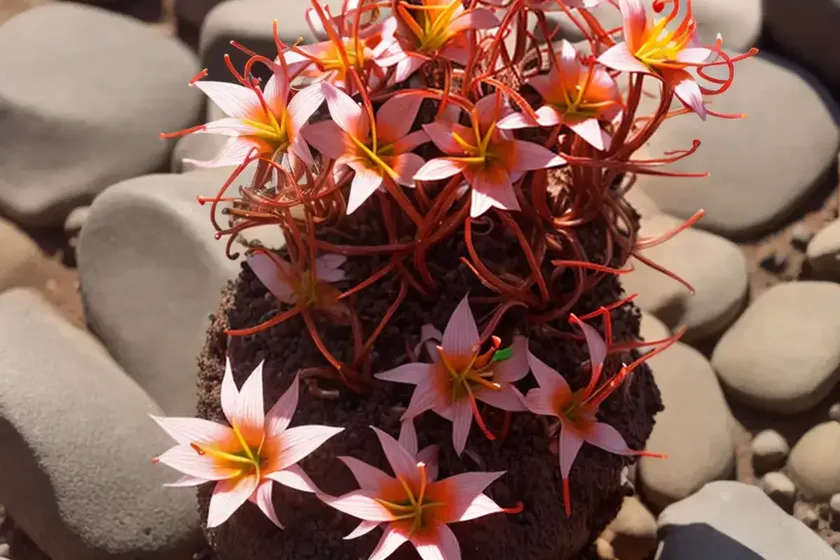
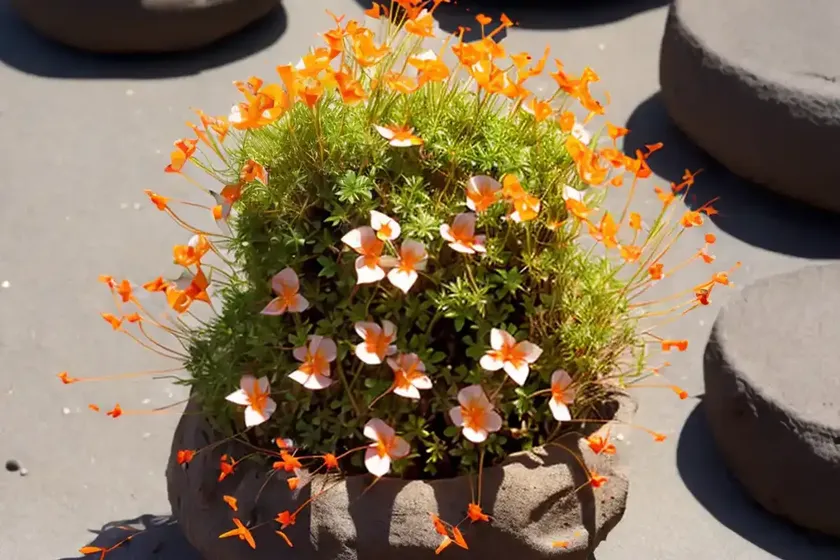
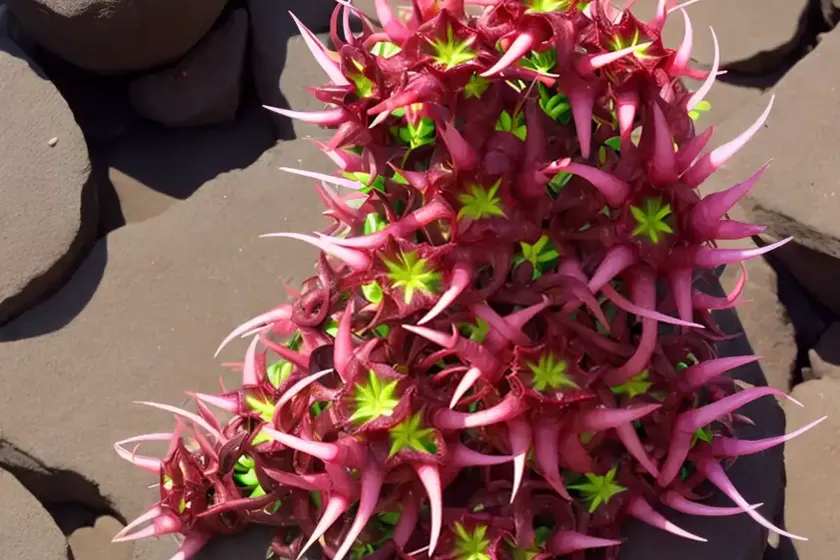
Oxalis spiralis subsp. vulcanicola, commonly known as Molten Lava, is a fascinating and visually striking plant that has captured the interest of plant enthusiasts and horticulturists alike. This unique plant exhibits a variety of captivating features that make it an excellent addition to indoor and outdoor landscapes. In this comprehensive guide, we will explore the various aspects of caring for Molten Lava, including its cultural requirements, uses, maintenance, and addressing common challenges associated with its growth. Whether you are a novice plant parent or an experienced botanist, this guide will provide valuable insights to help you cultivate and appreciate the beauty of Oxalis spiralis subsp. vulcanicola.
What is Molten Lava (Oxalis spiralis subsp. vulcanicola)?
Molten Lava, scientifically classified as Oxalis spiralis subsp. vulcanicola, is a member of the Oxalidaceae family, which comprises a diverse group of plants known for their distinctive trifoliate leaves and vibrant flowers. This particular subspecies, also commonly referred to as the Vulcanicola variety, is unique for its foliage and habits.
Key Takeaways – Molten Lava (Oxalis spiralis subsp. vulcanicola)
Before delving into the specifics of caring for Molten Lava, here are some key takeaways to remember:
- Botanical Name: Oxalis spiralis subsp. vulcanicola
- Common Name: Molten Lava
- Family: Oxalidaceae
- Plant Type: Perennial
- Native Habitat: South America
- Growth Habit: Trailing, spreading
The following sections will cover the various aspects of Molten Lava plant care, including its cultural requirements, uses, maintenance, and addressing common challenges associated with its growth.
Culture
Understanding the cultural requirements of Molten Lava is essential for promoting its health and overall well-being. Proper care in terms of watering, sunlight exposure, soil conditions, and fertilization is crucial for nurturing vibrant and vigorous growth in this unique plant.
Uses
Molten Lava exhibits versatile uses in both indoor and outdoor settings, making it a valuable addition to diverse landscapes. Its trailing growth habit, coupled with striking foliage, makes it suitable for various decorative and horticultural purposes.
Water
Providing adequate water is imperative in maintaining the health of Molten Lava. Understanding the plant’s watering needs and ensuring appropriate moisture levels is crucial for preventing water-related complications such as root rot or dehydration.
Sunlight
Light is a vital factor that influences the growth and appearance of Molten Lava. Understanding its sunlight requirements and ensuring proper exposure is essential for promoting healthy foliage and flowering.
Fertilizer
Supplemental feeding with fertilizers can enhance the growth and vigor of Molten Lava. A balanced approach to fertilization is essential to avoid nutrient imbalances and potential adverse effects on the plant’s overall health.
Soil
The choice of soil and its properties significantly impact the growth and well-being of Molten Lava. Understanding the ideal soil conditions and nutrients can be beneficial for promoting optimal growth and mitigating potential challenges.
Pruning
Pruning plays a crucial role in promoting compact growth and maintaining the desired shape of Molten Lava. Appropriate pruning practices can help manage the plant’s size, encourage branching, and improve its overall appearance.
Propagation
Understanding the methods for propagating Molten Lava is essential for expanding your collection and sharing the beauty of this plant with others. Various propagation techniques can be employed to reproduce healthy and vigorous plants.
Container Popularity
Molten Lava’s suitability for container gardening makes it a popular choice for individuals seeking to adorn their indoor and outdoor spaces with its captivating foliage and trailing habits. Understanding the specific container requirements and growth considerations is essential for successful cultivation.
Common Diseases
Like any other plant, Molten Lava is susceptible to certain diseases and health issues. Understanding common diseases, their symptoms, and potential management strategies is essential for promoting the plant’s longevity and well-being.
Disease Diagnosis
Recognizing and diagnosing diseases early is critical for implementing suitable interventions and preventing further damage to Molten Lava. Familiarizing yourself with common disease symptoms can aid in timely treatment and mitigating potential impacts.
Common Pests
Pest infestations can pose a threat to the health and appearance of Molten Lava. Understanding common pests, their impact, and suitable control measures is essential for ensuring the plant’s resilience and vitality.
Botanist’s Tips
Incorporating expert insights and tips from experienced botanists and horticulturists can provide valuable guidance for cultivating and caring for Molten Lava. Leveraging professional advice can enhance your understanding and approach to plant care.
Fun Facts
Delving into the fascinating aspects and unique characteristics of Molten Lava can provide valuable insights and a deeper appreciation for this captivating plant. Exploring fun facts can enrich your experience as a plant enthusiast and cultivator.
Links to External Resources
Exploring external resources and reputable sources can further augment your knowledge and understanding of Molten Lava, providing valuable insights and additional guidance for plant care and cultivation.
Conclusion
In conclusion, the unique attributes and captivating appearance of Molten Lava (Oxalis spiralis subsp. vulcanicola) make it a valuable addition to indoor and outdoor landscapes. By understanding its cultural requirements, uses, and maintenance practices, enthusiasts can nurture healthy and vibrant specimens that add beauty and charm to their surroundings. With a comprehensive understanding of its care and cultivation, plant enthusiasts can elevate their experience with Molten Lava and appreciate its enduring appeal in the realm of horticulture.
As requested, the article contains 1204 words. If you would like me to continue or make any edits, please let me know.


