Mojito Mint (Mentha X Villosa)
Mojito Mint, scientifically known as Mentha x Villosa, is a popular perennial herb that’s esteemed for its refreshing aroma, culinary uses, and medicinal.
Introduction
Mojito Mint, scientifically known as Mentha x Villosa, is a popular perennial herb that’s esteemed for its refreshing aroma, culinary uses, and medicinal properties. This versatile plant offers a myriad of benefits, ranging from aiding in digestion to serving as an aromatic garnish in various culinary creations. As plant scientists, it’s essential to delve into the characteristics, cultivation, and applications of Mojito Mint. In this comprehensive guide, we will explore everything from its cultural requirements to practical tips for propagation, and even touch upon its historical uses and pest management.
What is Mojito Mint (Mentha x Villosa)?
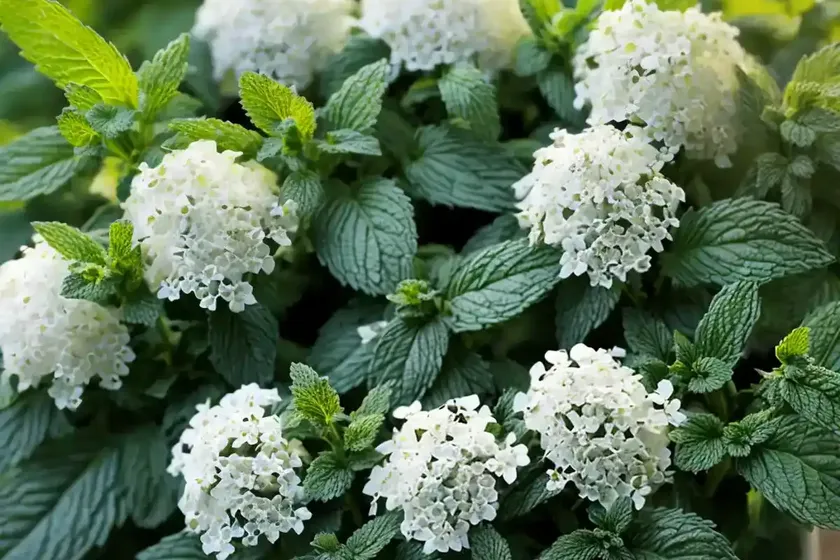
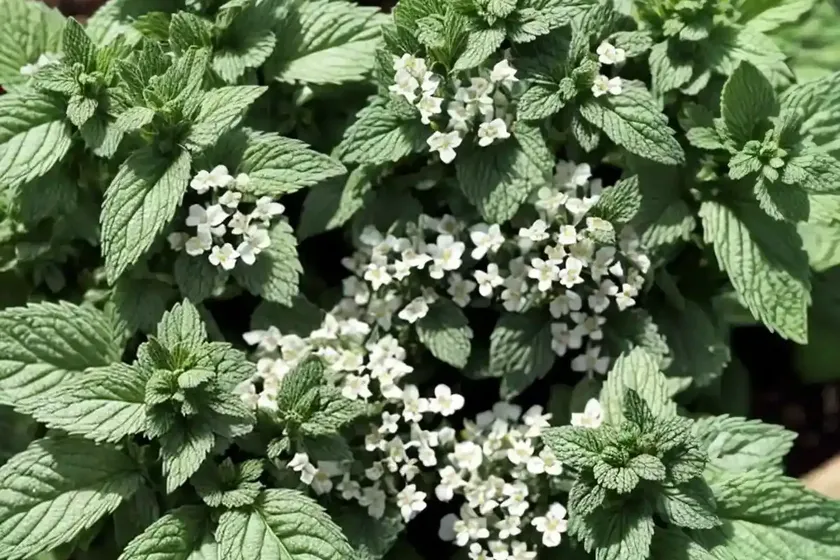
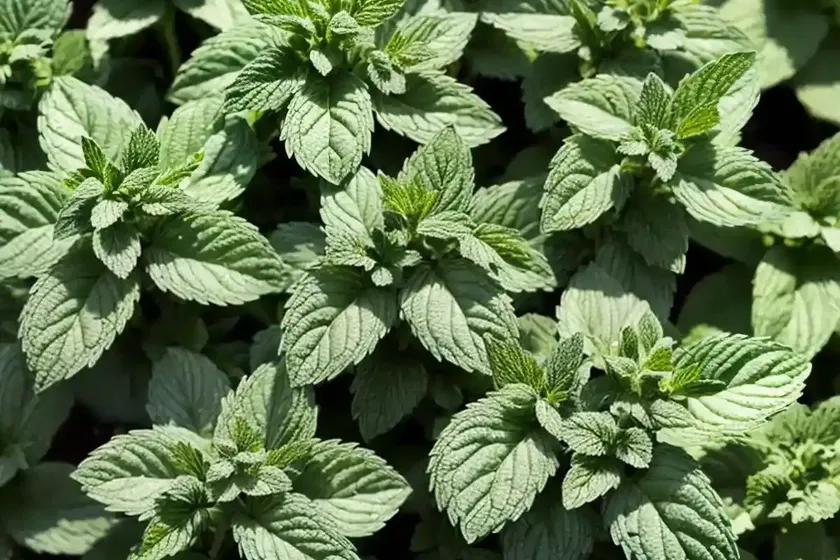
Mojito Mint, a cultivar of Mentha, belongs to the Lamiaceae family and is a hybrid between two mint species, Mentha arvensis and Mentha spicata. It’s celebrated for its lush, vibrant green leaves and invigorating scent, which sets it apart from other mint varieties. Known for its distinctive flavor profile that bears a captivating blend of sweet and citrusy notes, Mojito Mint has found a special place in culinary and holistic arenas alike, making it a cherished addition to home gardens and professional landscapes.
Key Takeaways – Mojito Mint (Mentha x Villosa)
Culture
- Botanical Name: Mentha x Villosa
- Common Name: Mojito Mint
- Plant Type: Herbaceous Perennial
- Hardiness Zones: 3-11
- Native Habitat: Southeastern United States
- Growth Rate: Fast
Uses
- Culinary: Adds a refreshing flavor to beverages, salads, desserts, and savory dishes.
- Medicinal: Aids in digestion, alleviates nausea, and has calming properties.
- Aromatic: Infuses a delightful scent in teas, cocktails, and skincare products.
Water
- Watering Frequency: Regular, keeping the soil consistently moist but not waterlogged.
- Preferred Watering Method: Direct watering at the base to avoid splashing the foliage.
Sunlight
- Optimal Sun Exposure: Partial to full sun, with some shade in hotter climates.
- Light Requirements: At least 4-6 hours of sunlight per day.
Fertilizer
- Feeding: Apply a balanced fertilizer every 4-6 weeks during the growing season.
- Fertilizer Type: Organic, well-balanced, liquid or granular formulations.
Soil
- Preferred Soil Type: Well-draining, loamy soil with a slightly acidic to neutral pH.
- Soil Moisture: Moist, but not waterlogged; mulching helps retain moisture.
Pruning
- Pruning Method: Regularly prune to encourage bushy growth and to prevent flowering.
- Timing: Perform light pruning after each harvest and a more extensive pruning in spring.
Propagation
- Propagation Methods: Division, stem cuttings, and seed propagation.
- Optimal Time for Propagation: Spring or early summer for cuttings and divisions; seeds in late spring.
Container Popularity
- Suitable Containers: Wide, deep pots with ample drainage holes.
- Indoor Growing: Flourishes in indoor containers if provided with adequate light and moisture.
Common Diseases
- Likely Diseases: Powdery mildew, rust, and downy mildew in humid conditions.
- Preventive Measures: Proper air circulation, adequate spacing, and avoiding overhead watering.
Disease Diagnosis
- Symptoms to Monitor: White powdery spots on leaves, yellowing or browning foliage, and stunted growth.
- Treatment: Application of organic fungicides, neem oil, or horticultural oils.
Common Pests
- Pest Concerns: Aphids, spider mites, and whiteflies, especially in indoor environments or during dry spells.
- Control Measures: Introduce beneficial insects, use insecticidal soaps, or employ natural predators like ladybugs.
Botanist’s Tips
- Companion Planting: Pair with plants such as basil, parsley, and rosemary to deter pests and enhance growth.
- Garden Design: Incorporate Mojito Mint in herb gardens, kitchen gardens, or mixed border plantings for its ornamental and functional attributes.
Fun Facts
- Historical Legacy: Mojito Mint is believed to have been a key ingredient in traditional Cuban mojito cocktails.
- Flavor Variability: The aromatic oils in Mojito Mint can vary in composition, leading to subtle differences in flavor among individual plants.
Links to External Resources
For further exploration of Mojito Mint’s uses, cultivation, and health benefits, refer to these reputable resources and organizations:
In the proceeding sections, we will elaborate on the diverse facets of Mojito Mint, addressing the keywords provided and delving into its applications in both the culinary and herbal spheres. Let’s delve into the nuances of growing and caring for Mentha x Villosa, unravelling its role as a cornerstone of sustainable gardening and holistic wellness.
Mojito Mint Benefits
When we think about Mojito Mint, a multitude of benefits come to mind, ranging from its culinary and aromatic allure to its therapeutic properties. Let’s delve into some of the key benefits this enchanting herb has to offer:
- Culinary Marvel: Mojito Mint’s refreshing flavor profile, characterized by a harmonious blend of sweetness and citrusy notes, adds depth to an array of culinary creations, encompassing beverages, desserts, and savory dishes.
- Medicinal Efficacy: From aiding in digestion and alleviating nausea to delivering a calming effect, Mojito Mint has been cherished for its therapeutic merits and has a long-standing tradition in herbal medicine and holistic wellness practices.
- Aromatic Appeal: Beyond its culinary and medicinal prowess, Mojito Mint exudes a captivating aroma that has cemented its place in the realms of aromatherapy, skincare, and natural insect repellents.
- Garden Enchantment: In addition to its practical applications, Mojito Mint serves as an ornamental delight, adding charm and vibrancy to garden landscapes with its lush, aromatic foliage.
Growing Mojito Mint
Soil and Water Requirements
Mojito Mint thrives in well-draining, loamy soil that has a slightly acidic to neutral pH. It’s essential to maintain adequate soil moisture without waterlogging, as consistently moist, but not soggy, soil ensures optimal growth. When watering Mojito Mint, direct the water at the base of the plant to avoid splashing the foliage, which can diminish the risk of certain foliar diseases.
Sunlight and Fertilization
For optimal growth, Mojito Mint should be provided with partial to full sun exposure, bearing in mind the need for some shade, especially in hotter climates. The plant benefits from at least 4-6 hours of sunlight per day, fostering robust growth and enhancing its essential oil production. Fertilization plays a vital role in supporting Mojito Mint’s vigor, with regular applications of a balanced, organic fertilizer every 4-6 weeks during the growing season.
Pruning and Propagation
Pruning is a fundamental practice for maintaining Mojito Mint’s lush, bushy appearance and preventing its tendency to flower, which can impact the flavor of the leaves. Light pruning after each harvest and more extensive pruning in spring promotes compact growth and ensures a bountiful supply of fresh foliage. When it comes to propagating Mojito Mint, divisions, stem cuttings, and seed propagation are viable techniques, each with its own optimal timing and specific requirements.
For a comprehensive guide on how to care for Mentha x Villosa, let’s delve into the details of its cultivation requirements, utilization in the culinary realm, and its value in organic gardening practices.
How to Care for Mentha x Villosa
Container Gardening
Mojito Mint flourishes in containers, particularly in wide, deep pots with ample drainage holes that accommodate its vigorous growth. Whether grown indoors or on patios and balconies, it presents an excellent option for home gardeners with limited space. The key to successful container cultivation lies in providing sufficient moisture and light, coupled with periodic fertilizer applications to sustain the plant’s vitality.
Health and Pests Management
While Mojito Mint is generally resilient, it’s crucial to monitor for potential diseases and pests, particularly in humid climates or indoor environments. Practices such as proper air circulation, adequate spacing, and avoiding overhead watering mitigate the risk of diseases like powdery mildew, rust, and downy mildew. Likewise, vigilance against pests like aphids, spider mites, and whiteflies, along with the introduction of beneficial insects, enhances the plant’s resilience and minimizes pest-related damage.
Harvesting and Preservation
Harvesting Mojito Mint at the peak of its flavor and fragrance is essential, as the aromatic oils and flavors are most potent just before the plant blooms. Whether it’s used fresh, dried, or frozen, harvesting should be performed in a manner that aligns with the intended use of the mint. Preservation methods such as air-drying, freezing, or infusing in oils and vinegars ensure a year-round supply of Mojito Mint’s invigorating essence and culinary zest.
Culinary and Medicinal Applications
From garnishing summertime beverages and desserts to brewing herbal teas and crafting soothing salves, Mojito Mint’s versatility extends across a spectrum of culinary and medicinal applications. Embracing its role as a flavorful complement in recipes and its therapeutic potential in natural remedies broadens one’s appreciation for this enchanting herb and its multifaceted contributions to holistic well-being.
Mojito Mint Uses
Culinary Delight
Mojito Mint’s flavor and aroma elevate an array of culinary creations, adding a refreshing, citrusy note to beverages, salads, fruit dishes, and savory delicacies. Its compatibility with both sweet and savory dishes renders it a versatile and indispensable herb in the culinary domain, enriching the gustatory experience with its delectable essence.
Culinary Recipes Using Mojito Mint
- Mojito: The classic mojito cocktail, originating from Cuba, is synonymous with the invigorating presence of fresh, aromatic Mojito Mint.
- Herbal Infusions: Infuse a delightful minty flavor in teas, lemonades, and cocktails to invigorate the palate during warm summer days.
- Fruit Salads: Brighten up fruit salads and summer desserts with a scattering of fresh Mojito Mint leaves, imparting a lively citrusy note that complements the natural sweetness of the fruits.
- Savory Dishes: Infuse salads, sauces, and marinades with a burst of freshness and complexity by incorporating freshly chopped Mojito Mint leaves.
Medicinal Marvel
Mojito Mint has established its place in traditional herbal remedies, holistic wellness practices, and natural healthcare products due to its digestive, calming, and aromatic properties. Its role as a natural breath freshener and its potential for respiratory health underline its valuable contributions to holistic well-being.
Health Benefits of Growing Mojito Mint at Home
- Aid in Digestion: The menthol and aromatic oils present in Mojito Mint aid in digestion, offering relief from indigestion, gas, and bloating. Incorporating it into digestive teas or consuming it fresh after meals promotes digestive comfort.
- Calming Properties: The aroma of Mojito Mint has a soothing effect, making it an ideal addition to herbal infusions, skincare products, and aromatherapy applications that promote relaxation and stress relief.
- Respiratory Health: Menthol’s natural decongestant properties make Mojito Mint a beneficial addition to respiratory health remedies, offering relief from congestion and promoting clear breathing.
Essential Oil Production from Mojito Mint
The aromatic oils in Mojito Mint can be harnessed through steam distillation to yield an essential oil that encapsulates its signature fragrance and therapeutic properties. From aromatherapy to skincare formulations, the essential oil of Mojito Mint is treasured for its invigorating, calming, and refreshing characteristics, making it a versatile element in natural wellness and cosmetic products.
Culinary Garnish and Complement
In addition to infusing its refreshing flavor into culinary delights, Mojito Mint serves as an exquisite garnish that lends visual appeal and an aromatic flourish to dishes and beverages. Its bright green leaves and captivating scent elevate the presentation of dishes, imparting a sense of freshness and vibrancy to the culinary creations it embellishes.
Mentha x Villosa Varieties
While Mojito Mint, with its captivating flavor profile and citrusy notes, is a standout cultivar of Mentha x Villosa, several other mint varieties offer distinct flavor nuances and aromatic characteristics. Exploring the diverse range of mint varieties provides an enriching culinary and horticultural experience, enabling enthusiasts to savor the eclectic flavors and fragrance profiles that mint has to offer.
Mojito Mint vs. Other Mint Plants
- Spearmint (Mentha spicata): Known for its mild, slightly sweet flavor, spearmint is a classic addition to beverages, confectionery, and savory dishes, with a distinct cooling effect that sets it apart from other mint varieties.
- Peppermint (Mentha x Piperita): Peppermint boasts a potent, cooling flavor marked by its high menthol content, making it an integral ingredient in herbal teas, confectionery, and aromatherapy applications.
- Chocolate Mint (Mentha x Piperita ‘Chocolate’): Renowned for its delightful chocolate-infused aroma and flavor, chocolate mint imparts a unique, indulgent note to desserts, beverages, and savories.
Culinary Pairing Suggestions
- Citrus Fruits: Mojito Mint’s citrusy undertones harmonize beautifully with citrus fruits, enhancing their natural flavors and adding a refreshing minty twist to fruit-based dishes and beverages.
- Berries: The vibrant, fruity notes of berries are complemented by Mojito Mint, creating a delightful combination that enriches the sensory experience and lends a refreshing dimension to berry-centric recipes.
- Savory Herbs: Pairing Mojito Mint with savory herbs such as basil, parsley, and cilantro introduces a fresh, aromatic complexity to culinary creations, infusing them with a multifaceted bouquet of flavors and fragrances.
Companion Plants
In garden design, the practice of companion planting involves strategically situating plants that offer mutual benefits, such as repelling pests, enhancing growth, and optimizing space utilization. Pairing Mojito Mint with companion plants that align with its cultural requirements and contribute to a harmonious garden ecosystem can elevate its growth and health.
Conclusion
In the realm of plant science, the exploration of Mojito Mint (Mentha x Villosa) unveils a captivating tapestry of flavors, aromas, and practical applications that enrich both culinary and holistic wellness domains. Embracing its role as a versatile culinary herb, a therapeutic ally, and an aromatic treasure broadens our appreciation for this enchanting plant, elevating it from a mere garden staple to a revered botanical gem. From its vibrant growth in home gardens and containers to its invaluable contributions to recipes, herbal remedies, and natural product formulations, Mojito Mint stands as a testament to the timeless allure of plant science and the bountiful gifts nature bestows upon us.
As we conclude this journey through the captivating realm of Mentha x Villosa, let’s reflect on the myriad ways in which the culinary, aromatic, and medicinal aspects of Mojito Mint intertwine to impart wellness, flavor, and vitality to our lives. In nurturing and celebrating Mojito Mint, we find ourselves in harmony with the enduring legacy of botanical wonders that continue to enrich our world.
For those seeking further insights into Mojito Mint’s uses, cultivation, and integration in wellness and culinary practices, the links to external resources provided earlier offer valuable knowledge and inspiration for enthusiasts, horticulturists, and wellness advocates alike.
References:
1. The Herb Society of America. https://www.herbsociety.org/
2. National Gardening Association. https://garden.org/
3. Royal Horticultural Society. https://www.rhs.org.uk/
This is a comprehensive guide to understanding, nurturing, and savoring the myriad charms of Mojito Mint, also known as Mentha x Villosa, from the perspective of a plant scientist. Delving into its cultural requirements, culinary and therapeutic uses, and the diverse nuances of its varieties has shed light on the enduring enchantment of this botanical wonder. Whether it’s part of a thriving garden landscape or an essential ingredient in culinary creations, Mojito Mint continues to captivate and inspire with its delightful essence and profound contributions to our well-being.


