Miscanthus Sinensis ‘Zebrinus’ (Zebra Grass)
The Zebra Grass, scientifically known as Miscanthus sinensis ‘Zebrinus’, is a stunning ornamental grass renowned for its unique zebra-like pattern on its.
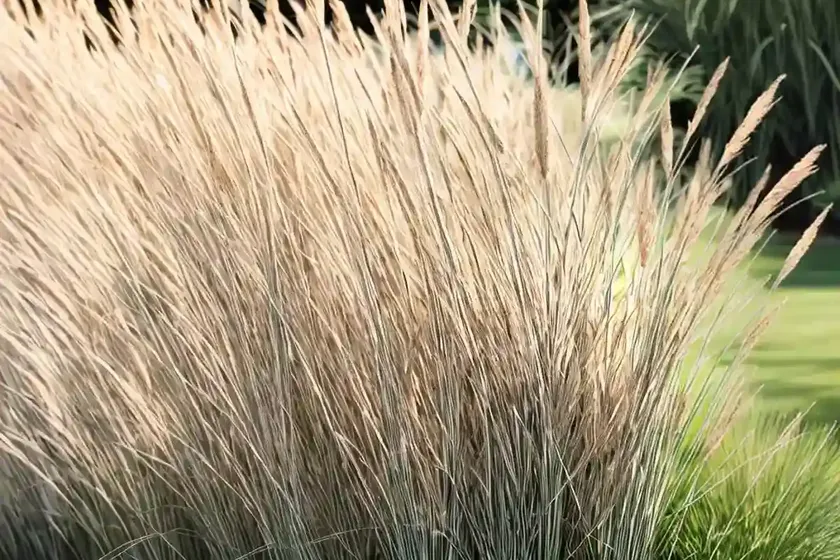
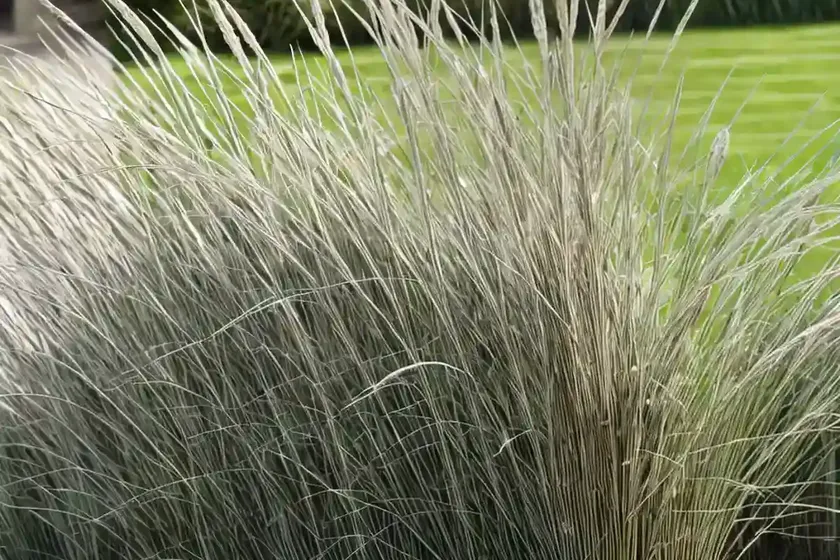
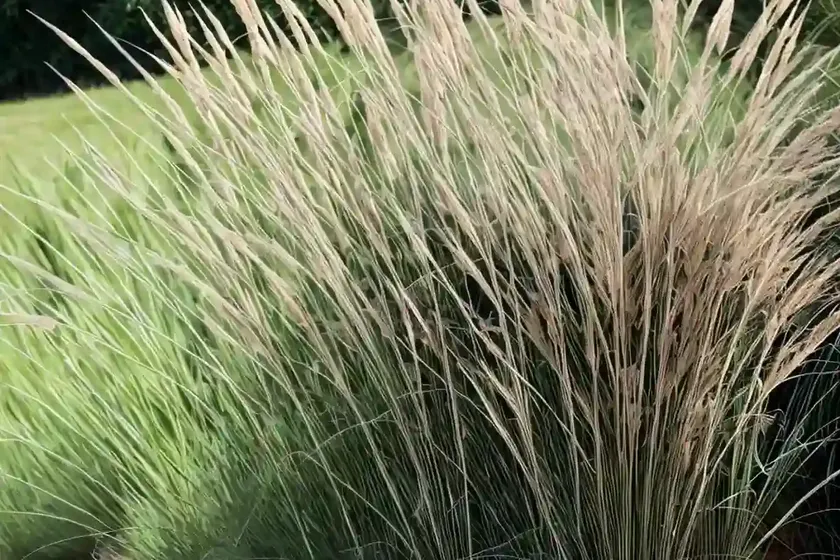
What is the Zebra Grass (Miscanthus sinensis ‘Zebrinus’)?
The Zebra Grass, scientifically known as Miscanthus sinensis ‘Zebrinus’, is a stunning ornamental grass renowned for its unique zebra-like pattern on its leaves. This grass is a perennial and belongs to the Poaceae family, commonly known as the grass family. The striking variegation of its foliage and its graceful, arching stems make it a standout feature in landscaping and gardens.
Key Takeaways – Miscanthus sinensis ‘Zebrinus’
- Scientific Name: Miscanthus sinensis ‘Zebrinus’
- Common Name: Zebra Grass
- Plant Type: Perennial, Ornamental grass
- Native To: East Asia, Japan
Culture
Zebra Grass is relatively easy to grow and maintain, making it a popular choice for landscaping. It enhances the aesthetic appeal of gardens with its impressive height, distinct foliage, and graceful movement in the breeze.
Uses
The Zebra Grass is versatile and serves multiple purposes in garden landscapes and designs. Some common uses include:
-
Privacy Screening:
Zebra Grass is often strategically planted to create natural screens and windbreaks due to its tall and dense nature. -
Ornamental Focal Point:
The distinct pattern of Zebra Grass leaves and its impressive height make it a popular choice as a focal point in landscaping. -
Erosion Control:
Its extensive root system makes Zebra Grass effective for preventing soil erosion. -
Wildlife Gardens:
The ornamental grass’s seeds attract birds and other wildlife to the garden.
Water
Zebra Grass is moderately drought-tolerant once established. However, it is essential to provide regular watering, especially during its initial growth phase and in extreme heat conditions.
Sunlight
This ornamental grass thrives in full sun to partial shade. To ensure optimal growth and vibrant foliage, it is recommended to plant Zebra Grass in locations with at least 6 hours of direct sunlight per day.
Fertilizer
When it comes to fertilization, Zebra Grass generally requires minimal feeding. A balanced, slow-release fertilizer can be applied in the early spring to encourage healthy growth.
Soil
Zebra Grass is adaptable to various soil types, but it thrives in well-draining, nutrient-rich soil. It can tolerate slightly acidic to slightly alkaline soil pH levels.
Pruning
Pruning is a simple yet crucial maintenance practice for Zebra Grass. In late winter or early spring, the previous year’s growth should be cut back to the ground using sharp gardening shears or pruners to prepare for new growth.
Propagation
Zebra Grass can be propagated through division, a relatively straightforward process that involves splitting the plant’s root ball into multiple sections. Spring is the ideal time for dividing and transplanting Zebra Grass.
Container Popularity
Zebra Grass is also well-suited for container cultivation, adding a touch of elegance to patio areas, balconies, and other outdoor spaces. When grown in containers, it is essential to provide adequate space for the plant’s vigorous growth, and ensure proper drainage to avoid waterlogging.
Common Diseases
Zebra Grass is generally resistant to diseases, but it may occasionally encounter certain issues, including:
-
Leaf Spot:
Common during extended periods of wet weather, leading to the development of small, dark spots on the leaves. -
Rust:
This fungal disease manifests as orange or yellowish powdery spots on leaves.
Disease Diagnosis
Upon noticing any signs of disease, it is crucial to promptly identify the issue and administer appropriate treatments, such as fungicidal sprays or improved cultural practices, to prevent the spread of the disease and safeguard the plant’s health.
Common Pests
Zebra Grass is relatively resistant to pests. However, it may encounter infestations of:
-
Aphids:
Small, sap-sucking insects that can cause stunted growth and distorted leaves. -
Spider Mites:
These pests can cause discoloration and stippling of the leaves due to their feeding habits.
It’s essential to monitor the plant regularly for any signs of pest activity and take necessary measures to control infestations.
Botanist’s Tips
-
Winter Care:
When winterizing Zebra Grass, consider leaving some foliage intact to provide protection for the crown, especially in colder climates. -
Variegated Cultivars:
Aside from the ‘Zebrinus’ variety, there are other variegated cultivars of Miscanthus sinensis that can add diversity and visual interest to a garden.
Fun Facts
-
Eco-Friendly:
Zebra Grass helps to stabilize soil and prevent erosion, making it an eco-friendly landscaping choice. -
Architectural Appeal:
Its tall, upright nature and attractive foliage make Zebra Grass an excellent addition to garden designs focusing on architecture and structure.
Links to External Resources
To enhance your knowledge and understanding of Zebra Grass, explore the following resources:
- Royal Horticultural Society – Miscanthus sinensis ‘Zebrinus’
- Missouri Botanical Garden – Miscanthus sinensis
By delving into these resources, you can gain valuable insights into the cultivation, care, and landscaping applications of Miscanthus sinensis ‘Zebrinus’.
In summary, the alluring Zebra Grass (Miscanthus sinensis ‘Zebrinus’) stands out as an exceptional ornamental grass, providing both visual appeal and functional benefits in various landscaping and garden settings. Its adaptability, low maintenance requirements, and ornamental features make it a valuable addition to any outdoor space, enriching the overall aesthetic and ecological aspects of the environment.
Indulge in the charm of Zebra Grass, and discover the beauty and grace it brings to your garden landscape.
By: [Your Name]
Date: [Current Date]


