Miscanthus Sinensis ‘Silberfeder’ (Chinese Silver Grass)
Miscanthus sinensis ‘Silberfeder’, commonly known as Chinese Silver Grass, is a stunning ornamental grass that brings elegance and movement to garden.
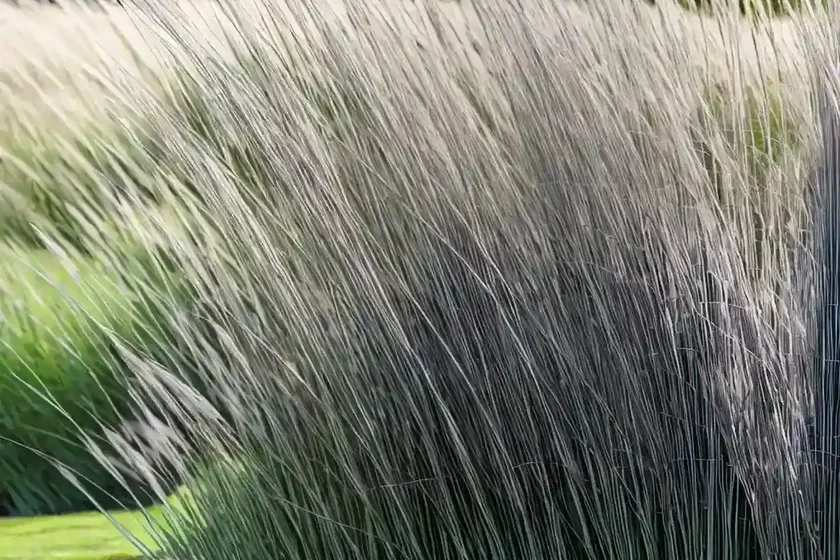
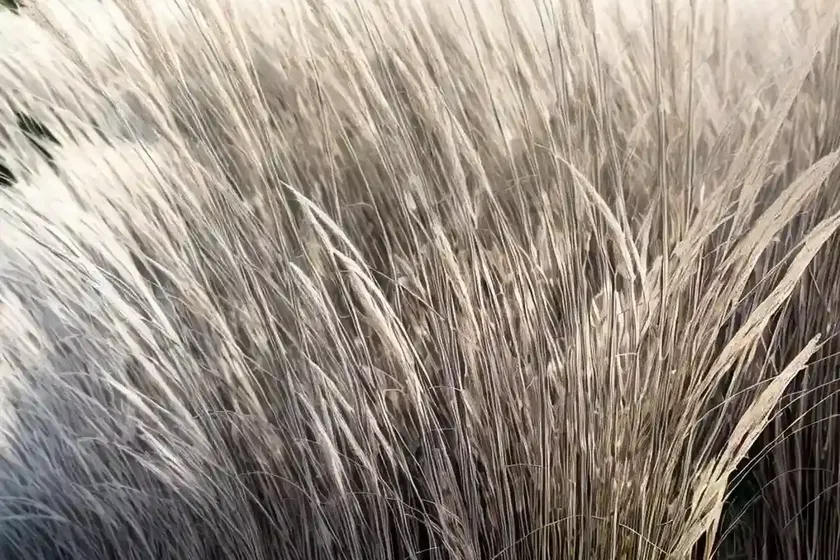
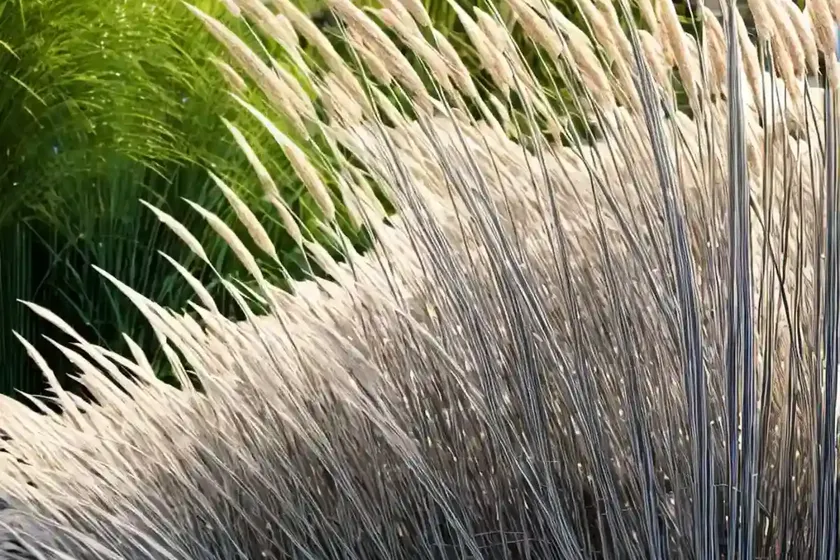
Miscanthus sinensis ‘Silberfeder’, commonly known as Chinese Silver Grass, is a stunning ornamental grass that brings elegance and movement to garden landscapes. As a perennial grass, it offers a variety of uses, not only for its aesthetic appeal but also for its ecological benefits. Its striking appearance, low maintenance requirements, and adaptability to different growing conditions make it a popular choice among gardeners and landscapers. In this comprehensive guide, we will delve into the culture, uses, care, and maintenance of Miscanthus sinensis ‘Silberfeder,’ providing valuable insights for anyone looking to incorporate this beautiful grass into their outdoor spaces.
Key Takeaways – Miscanthus sinensis ‘Silberfeder’ (Chinese Silver Grass)
Before we explore the details of growing and caring for Miscanthus sinensis ‘Silberfeder,’ let’s outline some key takeaways about this remarkable plant:
- Plant Name: Miscanthus sinensis ‘Silberfeder’ (Chinese Silver Grass)
- Common Names: Chinese Silver Grass, Silver-edged Miscanthus, Silver Feather Grass
- Plant Type: Perennial Ornamental Grass
- Characteristics: Tall, graceful, silver-striped foliage
- Uses: Landscaping, privacy screens, erosion control, wildlife habitats, focal point in gardens
- Growth Habits: Clumping, upright, arching foliage
- Hardiness Zone: 5-9
- Watering Needs: Moderate, well-drained soil
- Sunlight Requirements: Full sun to partial shade
- Soil Type: Well-drained, fertile soil
- Disease Resistance: Generally resistant to diseases
- Pest Resistance: Minimal pest problems
- Maintenance: Low maintenance, occasional pruning required
Now that we have an overview of Miscanthus sinensis ‘Silberfeder,’ let’s delve deeper into its culture, uses, and how to care for this striking ornamental grass.
Culture
Water
Miscanthus sinensis ‘Silberfeder’ exhibits moderate water needs, making it suitable for areas with average rainfall and well-drained soil. While it is tolerant of dry conditions once established, consistent watering is important, especially during periods of prolonged drought. Adequate moisture is essential for the plant’s growth and overall health. Avoid waterlogged soil, as excessive moisture can lead to root rot and other issues. Regular monitoring of soil moisture levels is recommended to ensure the plant’s hydration needs are met.
Sunlight
This perennial grass thrives in full sun to partial shade, making it adaptable to a range of light conditions. However, for optimal growth and the development of its characteristic silver-striped foliage, providing ample sunlight is ideal. When planted in partial shade, it may exhibit slightly reduced vigor and may have less intense coloration in its leaves. Therefore, locating Miscanthus sinensis ‘Silberfeder’ in a spot with at least 6 hours of direct sunlight per day is highly beneficial.
Fertilizer
In terms of fertilization, Miscanthus sinensis ‘Silberfeder’ is relatively low-maintenance and does not require heavy feeding. A balanced, slow-release fertilizer applied in spring as new growth emerges can provide the necessary nutrients for the plant’s development. Incorporating organic matter into the soil during planting or as a top dressing can also contribute to the fertility and structure of the soil, benefiting the overall health of the plant.
Soil
Well-drained, fertile soil is crucial for the successful cultivation of Miscanthus sinensis ‘Silberfeder.’ It thrives in a variety of soil types, including loamy, sandy, or clay soils, as long as they are well-drained. If the soil is compacted or excessively heavy, amending it with organic matter such as compost or aged manure can improve its texture and drainage properties. A slightly acidic to slightly alkaline soil pH in the range of 6.0 to 7.5 is suitable for this ornamental grass.
Pruning
Pruning Miscanthus sinensis ‘Silberfeder’ is typically carried out in late winter or early spring before new growth emerges. This involves cutting back the previous year’s growth to a height of 4-6 inches above the ground. This process helps rejuvenate the plant, removes any dead or damaged foliage, and encourages the emergence of new, healthy growth. It also prevents the build-up of old, unsightly foliage and promotes a tidy appearance. Additionally, removing spent flower heads can prevent self-seeding, especially in regions where the plant is considered invasive.
Uses
Landscaping
One of the primary uses of Miscanthus sinensis ‘Silberfeder’ is in landscaping, where it serves as a versatile and visually appealing element. Its tall, slender stalks topped with feathery plumes create a sense of movement and elegance in the garden, adding texture and interest to outdoor spaces. Whether used as a focal point, a backdrop for other plants, or as a border along walkways or garden beds, this ornamental grass brings a sense of grace and beauty to the landscape.
Privacy Screens
Due to its clumping growth habit and significant height, Miscanthus sinensis ‘Silberfeder’ is often utilized as a privacy screen or natural barrier in outdoor settings. When planted in groups or rows, it forms dense, upright foliage that provides privacy and seclusion, particularly in urban or suburban environments. Its ability to create visual barriers without the need for traditional hardscaping elements makes it an attractive choice for enhancing privacy while maintaining an organic and natural aesthetic.
Erosion Control
The extensive root system of Miscanthus sinensis ‘Silberfeder’ plays a vital role in preventing soil erosion, making it an asset in landscaping and environmental conservation efforts. When planted on slopes or embankments, its dense roots help stabilize the soil and reduce the risk of erosion caused by wind or water. Furthermore, the plant’s upright growth habit and vigorous root network contribute to the overall structural integrity of the landscape, making it an excellent erosion control solution.
Wildlife Habitats
Beyond its ornamental appeal, Miscanthus sinensis ‘Silberfeder’ supports biodiversity by providing habitats for various forms of wildlife. The dense foliage offers shelter for small animals, birds, and beneficial insects, contributing to the overall ecological balance of the garden or landscape. Additionally, the plant’s seed heads and foliage can provide food and nesting materials for birds, further enhancing its value in wildlife-friendly landscapes.
Propagation
Propagation of Miscanthus sinensis ‘Silberfeder’ can be achieved through several methods, including division, seed propagation, and tissue culture. Each approach offers its own set of advantages and considerations.
Division
Division is a commonly used method for propagating Miscanthus sinensis ‘Silberfeder’ and is typically carried out in early spring before new growth begins. To propagate through division, the established clumps of the grass are carefully dug up and divided into smaller sections, each containing a portion of the rhizome and accompanying shoots. These divisions are then replanted in prepared soil, ensuring they are adequately watered and cared for as they establish themselves in their new location.
Seed Propagation
While Miscanthus sinensis ‘Silberfeder’ produces viable seeds, it’s important to note that the resulting seedlings may not retain the exact characteristics of the parent plant. This method of propagation can lead to variability in the appearance and growth habits of the offspring, which may not always align with the desired traits of the original cultivar. However, for gardeners interested in experimenting with seed propagation or developing new cultivars, collecting and sowing the seeds in a controlled environment can be an intriguing and educational endeavor.
Tissue Culture
Tissue culture, or micropropagation, is a more technical method of propagation that involves the growth of plant cells or tissues in a laboratory setting. This approach allows for the rapid production of genetically identical clones of Miscanthus sinensis ‘Silberfeder,’ ensuring that the propagated plants retain the exact characteristics of the parent plant. Tissue culture can be an efficient way to mass-produce selected cultivars while preserving their unique traits and qualities.
Container Popularity
Miscanthus sinensis ‘Silberfeder’ is well-suited for container cultivation, offering numerous benefits and opportunities for creative use in outdoor spaces. Its tall, graceful demeanor makes it an excellent choice for adding vertical interest and a sense of movement to patio, deck, or balcony settings. When planted in containers, it can serve as an eye-catching standalone feature or be combined with other ornamental plants to create captivating arrangements. Additionally, container-grown Miscanthus sinensis ‘Silberfeder’ provides flexibility, allowing gardeners to easily move and reposition the plant to suit changing design preferences or seasonal considerations.
Common Diseases
Disease Resistance
Miscanthus sinensis ‘Silberfeder’ is known for its overall resilience to diseases and pests, particularly when grown in favorable conditions with proper cultural care. However, it’s important to remain vigilant and monitor the plant for any signs of stress, as certain environmental factors or biological agents can potentially impact its health. By ensuring good cultural practices, such as providing adequate air circulation, proper watering, and soil drainage, gardeners can minimize the risk of disease and promote the plant’s robustness.
Disease Diagnosis
In the event that the plant shows signs of disease or distress, prompt diagnosis and appropriate intervention are crucial for mitigating the issue and preventing its spread. Common diseases that may affect Miscanthus sinensis ‘Silberfeder’ include fungal infections such as rust, leaf spots, and blight, as well as issues related to overly wet or waterlogged soil, which can lead to root rot. Proper identification of symptoms, such as discoloration, lesions, or wilting, can aid in determining the underlying cause of the problem and guiding targeted treatment measures.
Common Pests
Pest Resistance
Miscanthus sinensis ‘Silberfeder’ exhibits minimal susceptibility to pest infestations, making it relatively resistant to many common garden pests. The dense, fibrous nature of its root system and the toughness of its foliage serve as natural deterrents to pest damage. While occasional pest encounters may occur, the plant’s inherent resilience and vigor often enable it to withstand minor pest pressures without significant detrimental effects on its overall health and appearance.
Pest Management
In the rare instance of pest issues, quick intervention and appropriate management practices can help mitigate the impact and protect the plant from sustained damage. Common pests that may potentially affect Miscanthus sinensis ‘Silberfeder’ include aphids, spider mites, and certain species of caterpillars. Monitoring the plant for early signs of pest activity, such as stippling, webbing, or visible insects, allows for timely and targeted intervention, which may involve methods such as insecticidal soaps, horticultural oils, or biological controls, depending on the specific pest involved.
Botanist’s Tips
Tip 1: Selecting the Planting Site
When choosing a location to plant Miscanthus sinensis ‘Silberfeder,’ consider its size and growth habits to ensure it has ample space to thrive without becoming overcrowded or encroaching on neighboring plants. Additionally, take into account its sunlight and soil requirements to provide the most suitable environment for the plant’s development.
Tip 2: Regular Maintenance
While Miscanthus sinensis ‘Silberfeder’ is generally low-maintenance, periodic care and maintenance are beneficial for promoting its health and appearance. This includes annual pruning, monitoring for any signs of stress or disease, and providing supplementary watering during dry spells to support its growth.
Tip 3: Planning for Height
Given its potential for significant height, factor in the mature dimensions of Miscanthus sinensis ‘Silberfeder’ when incorporating it into your garden or landscape design. Its vertical stature can be leveraged to create visual interest, provide screening, or establish focal points within the outdoor space.
Fun Facts
-
The name “Silberfeder” translates to “Silver Feather” in German, reflecting the ethereal and feather-like appearance of the plant’s silvery plumes.
-
Miscanthus sinensis ‘Silberfeder’ is prized for its winter interest, as the dried seed heads and foliage add texture and beauty to the landscape during the colder months.
-
The plant is part of the Poaceae family, commonly referred to as the grass family, which includes a diverse array of economically and ecologically important plants.
-
Chinese Silver Grass has been cultivated for centuries in East Asia, where it holds cultural significance and is utilized in traditional crafts and landscaping practices.
-
As a part of sustainable landscaping initiatives, Miscanthus sinensis ‘Silberfeder’ is valued for its eco-friendly properties, contributing to resource conservation and environmental stewardship.
Links to External Resources
For further information on Miscanthus sinensis ‘Silberfeder’ and related topics, consider exploring the following resources:
- American Horticultural Society
- Royal Horticultural Society
- University Extension Programs
- Botanical Gardens and Arboreta
- Plant Pathology and Entomology Resources
In conclusion, Miscanthus sinensis ‘Silberfeder’ (Chinese Silver Grass) encapsulates the grace and beauty of ornamental grasses, offering an array of practical and aesthetic benefits to gardens and landscapes. Its adaptability, low-maintenance nature, and diverse uses make it a valuable addition to outdoor spaces, where it can enrich the visual appeal, support wildlife, and contribute to ecological sustainability. By integrating this remarkable grass into their gardening endeavors, enthusiasts and landscape professionals can evoke a sense of elegance and tranquility while fostering an environment that reflects the enduring beauty of nature.


