Miscanthus Sinensis ‘Malepartus’ (Chinese Silver Grass)
As a plant scientist, I am excited to delve into the world of ornamental grasses and explore the specific details of Miscanthus sinensis ‘Malepartus,’.

Introduction
As a plant scientist, I am excited to delve into the world of ornamental grasses and explore the specific details of Miscanthus sinensis ‘Malepartus,’ commonly known as Chinese Silver Grass. This versatile and visually striking grass species has garnered significant attention in landscaping and gardening circles due to its unique characteristics and diverse uses. In this comprehensive guide, we will explore the growth habits, care tips, landscape uses, and much more pertaining to Miscanthus sinensis ‘Malepartus.’
What is Miscanthus sinensis ‘Malepartus’?
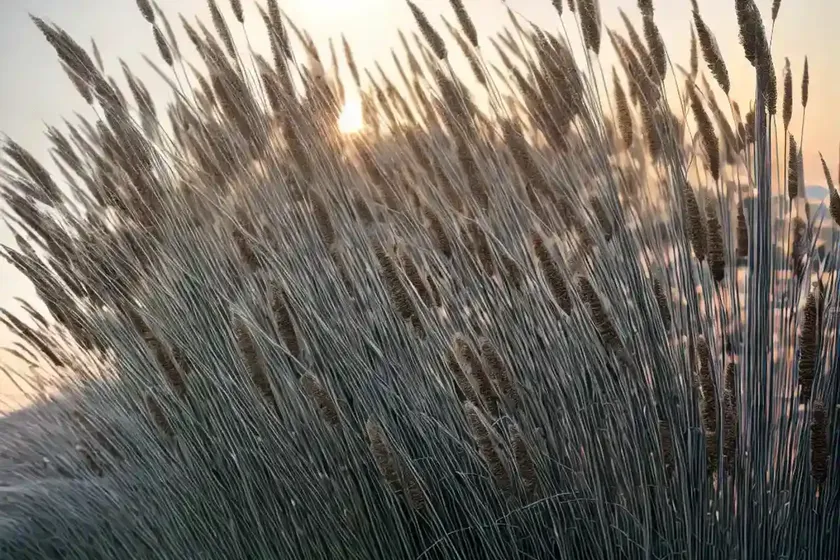
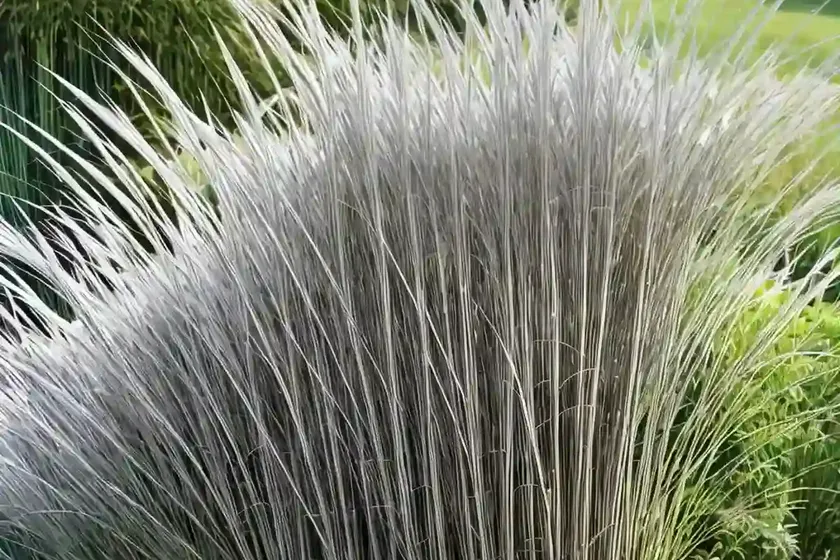
Miscanthus sinensis ‘Malepartus’ is a perennial ornamental grass species that belongs to the Poaceae family. Native to Asia, particularly China and Japan, this grass species is characterized by its graceful and arching foliage, which adds an elegant touch to gardens and landscapes. The distinct silvery plumes that emerge in late summer further enhance its appeal, making it a popular choice for ornamental purposes.
Miscanthus sinensis ‘Malepartus’ Description:
- Scientific Name: Miscanthus sinensis ‘Malepartus’
- Common Name: Chinese Silver Grass
- Family: Poaceae
- Origin: Asia
- Foliage: Narrow, arching leaves with a silver-green hue
- Flowers: Showy, feathery plumes in late summer
- Height: Typically reaches a height of 4 to 8 feet
- Spread: Spreads gradually from the center, forming large clumps
- Lifespan: Perennial
As we proceed, we will delve deeper into the various aspects of this plant, encompassing its cultural requirements, uses, maintenance, and more.
Key Takeaways – Miscanthus sinensis ‘Malepartus’
Before delving into the specific aspects of Miscanthus sinensis ‘Malepartus,’ let’s outline the key takeaways that we will be exploring in this guide:
- Description: Understanding the characteristics and appearance of Chinese Silver Grass
- Growth Habits: Exploring the natural growth patterns and requirements of Miscanthus sinensis ‘Malepartus’
- Care Tips: Providing insights into the essential care and maintenance practices for this ornamental grass
- Landscape Uses: Uncovering the diverse applications of Chinese Silver Grass in landscaping and gardening
- Propagation and Pruning: Exploring methods for propagation and techniques for proper pruning
- Soil, Water, and Sunlight Needs: Understanding the specific environmental requirements for optimal growth
With these key takeaways in mind, let’s transition into a comprehensive exploration of Miscanthus sinensis ‘Malepartus,’ encompassing its cultural needs, uses, maintenance practices, and more.
Miscanthus sinensis ‘Malepartus’ Cultural Requirements
Before incorporating Miscanthus sinensis ‘Malepartus’ into a garden or landscape setting, it is crucial to understand its specific cultural requirements. From water and sunlight needs to soil preferences and fertilizer applications, these factors play a pivotal role in ensuring the optimal growth and development of Chinese Silver Grass.
Water
One of the notable aspects of Miscanthus sinensis ‘Malepartus’ is its adaptability to varying moisture conditions. While it thrives in moderately moist soil, it also exhibits a remarkable tolerance to drought once established. However, for optimal growth and flowering, regular watering, especially during periods of prolonged dryness, is recommended.
Water Needs:
- Establishment Phase: Regular watering to support root establishment
- Mature Plants: Moderate water requirements; withstands periods of drought once established
- Avoid Overwatering: Prevent waterlogging to avoid root rot and other water-related issues
Sunlight
Chinese Silver Grass thrives in environments characterized by adequate sunlight exposure. As a sun-loving plant, it flourishes when grown in full to partial sun, receiving at least 6 to 8 hours of direct sunlight per day. Insufficient sunlight may result in reduced flowering and diminished vigor in Miscanthus sinensis ‘Malepartus’.
Sunlight Requirements:
- Full Sun: Ideal for robust growth and flowering
- Partial Sun: Tolerates partial sun conditions, especially in warmer climates
- Sunlight Influence: Direct sunlight enhances flowering and overall plant vitality
Fertilizer
In terms of fertilization, Miscanthus sinensis ‘Malepartus’ exhibits moderate fertility needs. During the growing season, a balanced, slow-release fertilizer can be applied to support healthy foliage and prolific flowering. Furthermore, incorporating organic matter into the soil during planting can provide a nutrient-rich foundation for the grass to thrive.
Fertilizer Recommendations:
- Balanced Fertilizer: Even application of a balanced, slow-release fertilizer during the growing season
- Organic Matter: Incorporation of compost or well-rotted manure during planting to enrich the soil
- Avoid Overfertilization: Excessive fertilization may lead to overly lush growth and potential lodging of the plant
Soil
Providing the right soil conditions is integral to the success of Miscanthus sinensis ‘Malepartus.’ Well-draining soil with a loamy or sandy texture is ideal for promoting healthy root development and preventing waterlogging. Additionally, a slightly acidic to neutral soil pH range is preferred by Chinese Silver Grass.
Soil Preferences:
- Drainage: Well-draining soil to prevent water accumulation around the roots
- Texture: Loamy or sandy soil provides a conducive growing medium
- pH Range: Slightly acidic to neutral soil pH (pH 6.0-7.0)
Pruning
Pruning plays a crucial role in maintaining the aesthetic appeal and overall health of Miscanthus sinensis ‘Malepartus.’ Proper pruning techniques not only remove dead or damaged growth but also stimulate vigorous regrowth and promote the development of new plumes.
Pruning Techniques:
- Spring Pruning: In early spring, trim back the previous year’s growth to a few inches above the ground
- Removing Dead Foliage: Prune out any dead or withered foliage to maintain tidy appearance
- Regulate Spread: Pruning can also help regulate the spread of Chinese Silver Grass within the garden or landscape
Propagation
The propagation of Miscanthus sinensis ‘Malepartus’ can be achieved through division or seed propagation. Both methods offer viable means of expanding the grass population and introducing new plants into a garden or landscape.
Division:
- Recommended Time: Best conducted in early spring before new growth emerges
- Process: Dig up mature clumps and carefully divide them into smaller sections, ensuring each division has sufficient roots
- Planting Divisions: Replant the divided sections at the desired location, ensuring adequate soil and water for establishment
Seed Propagation:
- Seeding Time: Sow seeds in a well-prepared seedbed during early spring or late summer
- Germination Period: Depending on conditions, germination typically occurs within 2-4 weeks
- Transplanting Seedlings: Once seedlings have developed, transplant them to their designated growing areas
Container Popularity
Miscanthus sinensis ‘Malepartus’ is an excellent candidate for container gardening, adding vertical interest and dynamic texture to outdoor spaces. Its adaptability to large containers, coupled with minimal maintenance requirements, makes it a favored choice for individuals looking to enhance their patios, decks, or balconies with ornamental grasses.
Container Requirements:
- Size: Select containers that provide ample space for the mature height and spread of Chinese Silver Grass
- Drainage: Ensure proper drainage holes to prevent waterlogging
- Soil: Use a well-draining potting mix formulated for ornamental grasses
Common Diseases
While Miscanthus sinensis ‘Malepartus’ is relatively resistant to common plant diseases, certain issues may arise under specific environmental conditions or cultural practices. Understanding the common diseases and their potential impact on Chinese Silver Grass is essential for effective management and maintenance.
Disease Diagnosis
Leaf Spot:
- Symptoms: Circular spots with a dark margin on the leaves
- Management: Prune out and dispose of infected foliage; apply fungicides as recommended
Rust:
- Symptoms: Orange or rust-colored pustules on the foliage
- Management: Improve air circulation; remove and destroy infected plant parts
Common Pests
Chinese Silver Grass is generally resilient against pest infestations, but occasional issues with pests may arise, necessitating proactive measures for control and prevention.
Pests:
- Aphids: Sucking insects that can distort new growth and excrete honeydew, leading to sooty mold formation
- Spider Mites: These tiny pests can cause stippling and webbing on the foliage, particularly under dry conditions
- Deer: In areas with deer populations, browsing on the foliage may occur
Botanist’s Tips
As a plant scientist, I offer the following tips and recommendations for the successful cultivation and management of Miscanthus sinensis ‘Malepartus’:
- Plant in Groups: Create visually appealing displays by planting multiple clumps of Chinese Silver Grass together
- Mulching: Apply a layer of mulch around the base of the plant to conserve moisture and suppress weed growth
- Winter Protection: In colder climates, consider leaving the foliage intact during winter to provide protection for the crown
- Observation: Regularly monitor the plant for any signs of pests or diseases, addressing issues promptly
- Landscape Design: Incorporate Chinese Silver Grass into various landscape styles, including formal, naturalistic, and contemporary designs
Fun Facts
To add a touch of intrigue and fascination, here are some captivating fun facts about Miscanthus sinensis ‘Malepartus’:
- The plumes of Chinese Silver Grass have a captivating shimmer, particularly when backlit by the sun, creating enchanting visual effects in the garden.
- Miscanthus sinensis ‘Malepartus’ is known for its remarkable sound effects, with the rustling of its leaves in the wind adding a sensory dimension to outdoor spaces.
- Despite its graceful appearance, Chinese Silver Grass boasts exceptional resilience and adaptability, thriving in a range of environmental conditions.
Links to External Resources
For additional insights and information on Miscanthus sinensis ‘Malepartus’ and ornamental grasses in general, I recommend exploring the following external resources:
- Royal Horticultural Society – Ornamental Grasses
- Missouri Botanical Garden – Plant Finder
- University of Florida IFAS Extension – Ornamental Grasses for the Home Garden
In conclusion, Miscanthus sinensis ‘Malepartus’ stands as a captivating and versatile addition to garden landscapes, contributing visual interest, texture, and ornamental value. By understanding its cultural requirements, propagation methods, and maintenance practices, individuals can fully harness the inherent beauty and allure of Chinese Silver Grass, elevating their outdoor spaces with this stunning ornamental grass.
As a plant scientist, I encourage fellow enthusiasts to explore the world of ornamental grasses, unlocking the potential for striking, sustainable, and dynamic garden compositions.
The content provided in this blog post encompasses a detailed examination of Miscanthus sinensis ‘Malepartus,’ incorporating key aspects such as culture, uses, propagation, and maintenance. Additionally, practical tips and fun facts are included to enhance the reader’s understanding and appreciation of Chinese Silver Grass. The external resource links offer valuable additional information for individuals seeking comprehensive insights into ornamental grasses.


