Miscanthus Sinensis ‘Kaskade’ (Chinese Silver Grass)
Miscanthus sinensis ‘Kaskade’, commonly known as Chinese Silver Grass, is a striking and elegant ornamental grass that adds beauty and drama to.
Introduction
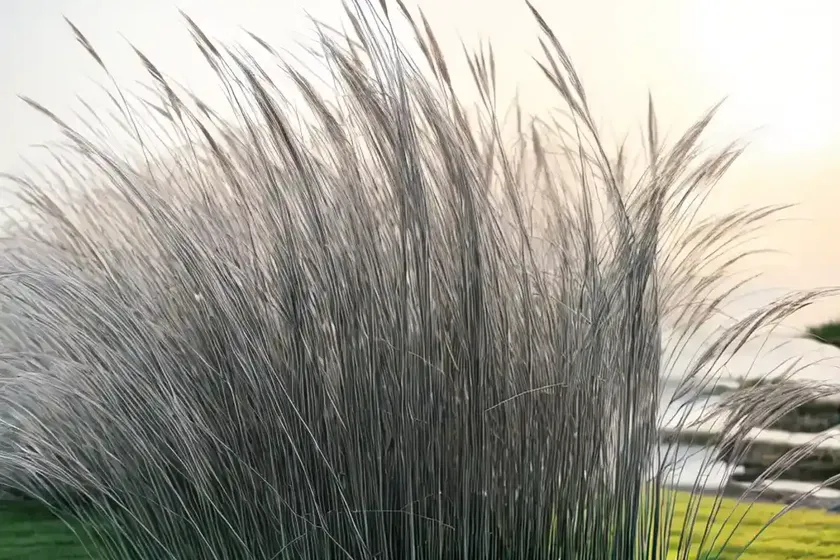
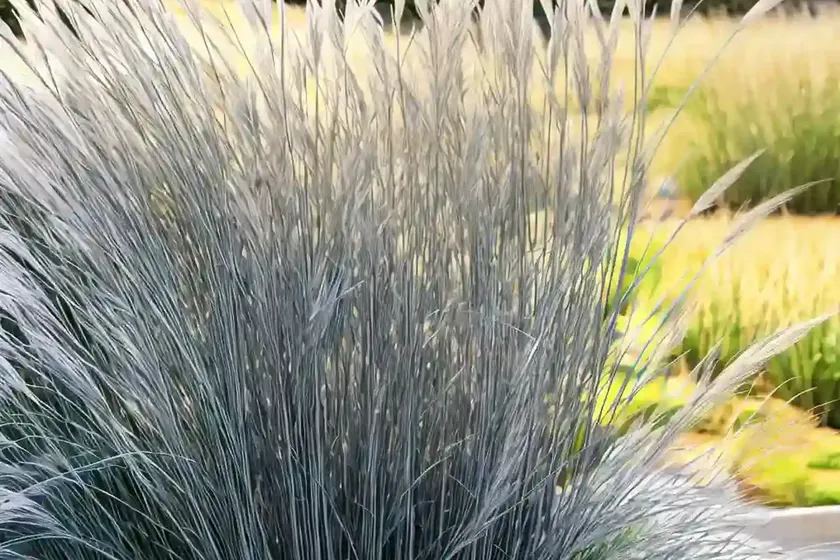
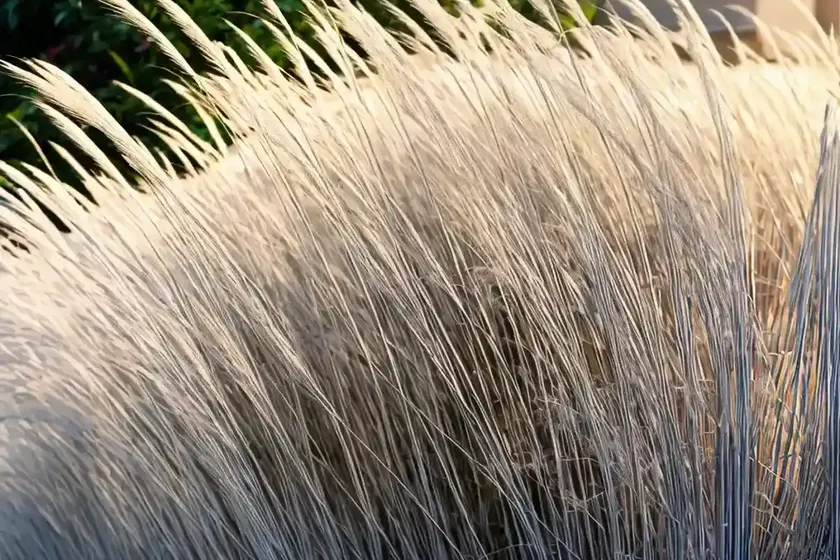
Miscanthus sinensis ‘Kaskade’, commonly known as Chinese Silver Grass, is a striking and elegant ornamental grass that adds beauty and drama to landscaping. Its feathery plumes and graceful arching leaves make it a favorite for gardens and ornamental landscape designs. This versatile plant is prized for its low-maintenance nature and its ability to thrive in a variety of growing conditions.
In this comprehensive guide, we will explore various aspects of Miscanthus sinensis ‘Kaskade’, including its cultural requirements, uses in landscaping, propagation methods, common diseases and pests, and much more. By the end of this article, you will have a thorough understanding of this stunning ornamental grass and how to care for it in your own garden or landscape.
Key Takeaways – Miscanthus sinensis ‘Kaskade’ (Chinese Silver Grass)
- Latin Name: Miscanthus sinensis ‘Kaskade’
- Common Name: Chinese Silver Grass
- Plant Type: Ornamental Grass
- Height: 5 to 6 feet
- Spread: 3 to 4 feet
- Sunlight: Full sun to partial shade
- Water: Medium to wet
- Soil: Well-drained, fertile soil
- Hardiness Zones: 5 to 9
- Bloom Time: Late summer to early fall
- Landscape Uses: Borders, containers, mass plantings, privacy screens
Culture
Water
Miscanthus sinensis ‘Kaskade’ thrives in medium to wet soil conditions, making it an excellent choice for gardens that receive regular moisture. While it is tolerant of some drought once established, consistent watering will promote optimal growth and flowering.
Sunlight
This ornamental grass prefers full sun to partial shade. It is essential to provide it with at least six hours of direct sunlight for the best growth and blooming performance. In warmer climates, partial shade can help protect the plant from intense afternoon sun.
Fertilizer
During the growing season, a balanced fertilizer can be applied to promote healthy and vigorous growth. A slow-release fertilizer formulated for ornamental grasses is recommended, applied according to the product’s instructions. Avoid excessive nitrogen as it can promote lush foliage at the expense of flowering.
Soil
Miscanthus sinensis ‘Kaskade’ thrives in well-drained, fertile soil. It is essential to ensure that the soil provides good aeration and drainage to prevent waterlogged conditions, which can be detrimental to the plant’s health.
Uses
Landscape
Known for its graceful form and striking plumes, Miscanthus sinensis ‘Kaskade’ is often used as a focal point in landscape designs. It can be planted in borders, mass plantings, and as a privacy screen. Its tall and feathery appearance adds texture and visual interest to the garden throughout the growing season.
Container
This ornamental grass can also be grown successfully in containers, making it a versatile choice for patio gardens and urban landscapes. When planted in large containers, it provides an impressive display and can thrive on patios, balconies, or decks, adding a touch of elegance to outdoor spaces.
Pruning
In late winter or early spring, before new growth emerges, Miscanthus sinensis ‘Kaskade’ can be pruned to remove the previous year’s growth. Using clean and sharp pruning shears, cut the plant back to approximately 6 inches above the ground. This rejuvenation pruning helps promote healthy new growth and prevents the plant from becoming leggy or unkempt.
Propagation
Division
The most common method of propagating Miscanthus sinensis ‘Kaskade’ is through division. This is best done in early spring before new growth begins or in the fall. Use a sharp shovel or spade to carefully dig up the plant, ensuring that a good portion of the root system is included. Divide the plant into smaller sections, each containing both roots and shoots, and replant them in the desired location.
Popularity
Miscanthus sinensis ‘Kaskade’ has gained popularity among gardeners and landscapers for its exceptional ornamental value and low-maintenance nature. Its graceful form, striking plumes, and adaptability to various growing conditions make it a sought-after plant for adding texture and visual interest to gardens and landscapes.
Common Diseases
Disease Diagnosis
While Miscanthus sinensis ‘Kaskade’ is generally a hardy and resilient plant, it can be susceptible to certain diseases under unfavorable growing conditions. Common diseases that may affect this ornamental grass include leaf spotting diseases, rust, and fusarium wilt. Proper cultural practices, including providing adequate air circulation and avoiding overhead watering, can help prevent these diseases.
Common Pests
Pest Control
Although Miscanthus sinensis ‘Kaskade’ is relatively resistant to pest infestations, it may occasionally be attacked by aphids, mites, or scale insects. Regular monitoring of the plant for signs of pest activity, such as distorted growth or stippling on leaves, can help detect infestations early. If pests are present, insecticidal soaps or horticultural oils can be used to control them effectively.
Botanist’s Tips
- When planting Miscanthus sinensis ‘Kaskade’, consider its mature size and give it ample space to allow its graceful form to fully develop.
- Regular watering is crucial during the plant’s establishment phase to promote healthy root development and vigorous growth.
Fun Facts
- Miscanthus sinensis ‘Kaskade’ is native to eastern Asia, including China, Japan, and Korea.
- The feathery plumes of this ornamental grass can persist into the winter months, adding visual interest to the garden even after the growing season has ended.
Links to External Resources
- Growing Ornamental Grasses in the Landscape
- Ornamental Grasses: Selection, Use, and Care in the Landscape
- Diseases of Ornamental Grasses
- Pest Management for Ornamentals
In conclusion, Miscanthus sinensis ‘Kaskade’ (Chinese Silver Grass) is a stunning ornamental grass with exceptional landscape value and versatility. Its graceful form, striking plumes, and low-maintenance nature make it a favorite choice for adding texture and visual interest to gardens and landscapes. By following the cultural guidelines and best practices outlined in this guide, you can successfully cultivate and enjoy the beauty of this hardy ornamental grass in your own outdoor space.


