Miscanthus Sinensis ‘Grosse Fontane’ (Chinese Silver Grass)
In the world of ornamental grasses, Miscanthus sinensis ‘Grosse Fontane’ stands out as an outstanding and versatile plant. With its graceful form, stunning.
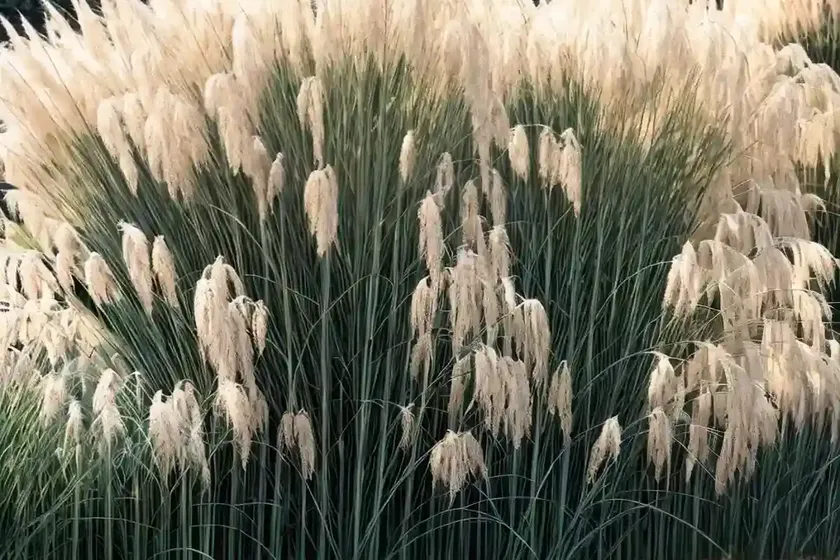
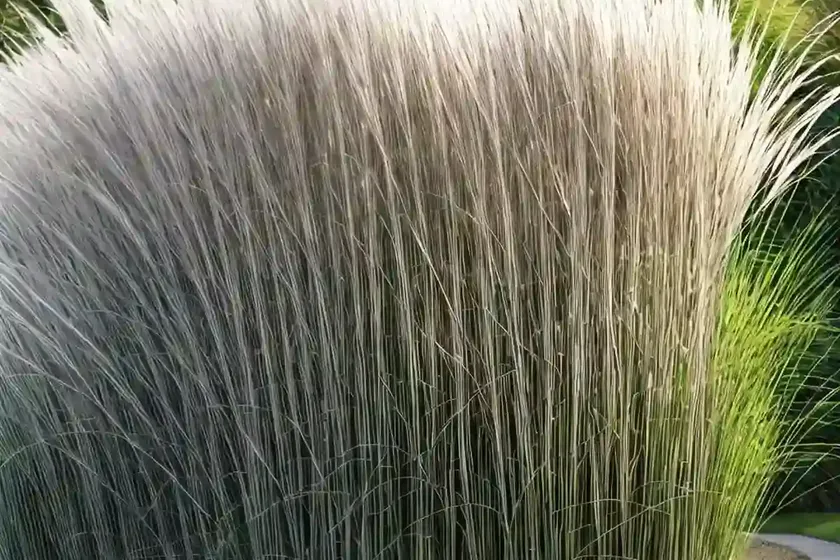
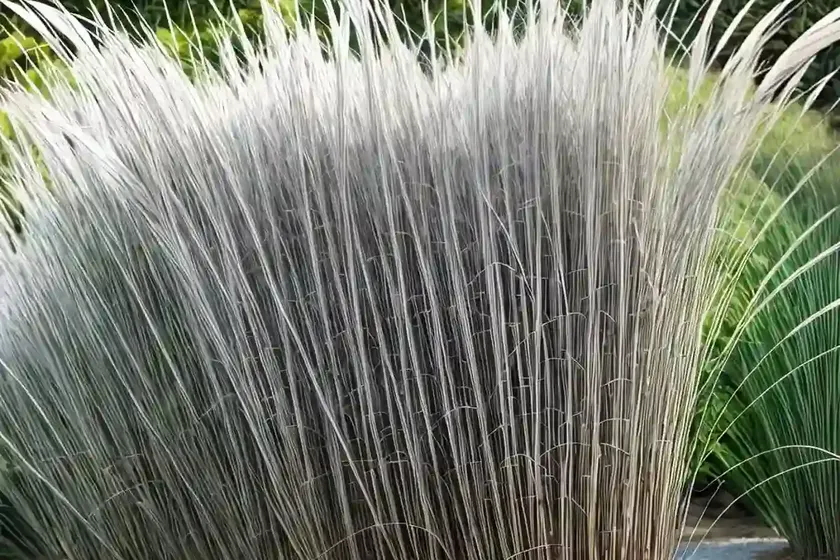
In the world of ornamental grasses, Miscanthus sinensis ‘Grosse Fontane’ stands out as an outstanding and versatile plant. With its graceful form, stunning plumes, and elegant foliage, this grass is a favorite among landscape designers, gardeners, and nature enthusiasts. In this comprehensive guide, we will explore the characteristics, cultivation, uses, and maintenance of M. sinensis ‘Grosse Fontane’, shedding light on its remarkable features and providing valuable insights into its care.
What is Miscanthus sinensis ‘Grosse Fontane’ (Chinese Silver Grass)?
Miscanthus sinensis ‘Grosse Fontane’ is a cultivar of the species M. sinensis, commonly known as Chinese Silver Grass. Belonging to the Poaceae family, this deciduous perennial grass is native to East Asia, including China, Japan, and Korea. It is renowned for its tall, arching stems, feathery plumes, and elegant, silver-gray foliage. ‘Grosse Fontane’ is a particularly striking variety, known for its large and showy flower heads, making it a captivating addition to gardens and landscapes.
Key Takeaways – Miscanthus sinensis ‘Grosse Fontane’
Before we delve deeper into the cultivation and care of M. sinensis ‘Grosse Fontane’, let’s summarize some key takeaways about this remarkable ornamental grass:
- Plant Name: Miscanthus sinensis ‘Grosse Fontane’
- Common Name: Chinese Silver Grass ‘Grosse Fontane’
- Type: Deciduous Perennial Ornamental Grass
- Characteristics: Tall, arching stems, silver-gray foliage, feathery plumes
- Uses: Ornamental plant for landscaping, garden borders, and focal points
- Maintenance: Moderate
- Hardiness Zone: 5-9
- Growth Rate: Fast
- Water Needs: Moderate
- Sunlight: Full sun to partial shade
- Soil Preferences: Well-draining, fertile soil
- Height: 6-8 feet
- Spread: 4-6 feet
- Invasive Potential: Low
Now that we have a glimpse of the captivating allure of M. sinensis ‘Grosse Fontane’, let’s embark on a journey to understand its culture, uses, and maintenance requirements in detail.
“Now, let’s explore the wonderful world of Miscanthus sinensis ‘Grosse Fontane’ and uncover the secrets to cultivating and caring for this stunning ornamental grass.”
Culture of Miscanthus sinensis ‘Grosse Fontane’
Cultivating Miscanthus sinensis ‘Grosse Fontane’ successfully requires an understanding of its specific cultural needs. From planting to maintenance, providing the right conditions is essential for the optimal growth and development of this graceful grass.
Uses
Before delving into its specific cultural requirements, it is important to understand the versatile uses of M. sinensis ‘Grosse Fontane’. This ornamental grass serves various purposes in garden and landscape design, including:
-
Landscaping: Miscanthus ‘Grosse Fontane’ is often used as a prominent feature in landscapes, thanks to its tall, dramatic plumes and graceful form. It creates a stunning focal point and adds visual interest to any outdoor space.
-
Garden Borders: The feathery plumes and elegant foliage of ‘Grosse Fontane’ make it a perfect choice for border plantings, adding texture and movement to the garden edges.
-
Wildlife Attraction: The dense growth of M. sinensis ‘Grosse Fontane’ provides shelter and nesting sites for birds, making it a valuable addition to wildlife-friendly gardens.
-
Erosion Control: Due to its vigorous growth and extensive root system, this grass is effective in controlling soil erosion on slopes and embankments.
-
Container Gardening: ‘Grosse Fontane’ can also be grown in large containers, adding a touch of elegance and height to patio spaces and urban gardens.
Understanding the diverse uses of this grass provides insight into its value beyond its ornamental appeal. Now, let’s delve into the specific cultural requirements for cultivating M. sinensis ‘Grosse Fontane’.
Water
Miscanthus sinensis ‘Grosse Fontane’ exhibits moderate water needs, making it relatively adaptable to different moisture conditions. However, during its establishment phase and in periods of prolonged drought, regular watering is essential to ensure optimal growth and vigor.
Watering Needs:
-
Establishment Phase: For newly planted ‘Grosse Fontane’, it is crucial to provide consistent moisture to promote root establishment. Water deeply immediately after planting and ensure that the soil remains evenly moist, but not waterlogged, during the first growing season.
-
Mature Plants: Once established, M. sinensis ‘Grosse Fontane’ demonstrates good drought tolerance. However, during prolonged dry spells, it is advisable to provide supplemental watering to prevent stress and maintain the lush appearance of the foliage.
-
Watering Technique: When watering, apply the water at the base of the plant, ensuring that it penetrates the root zone effectively. This promotes deep root development and resilience to dry conditions.
Sunlight
Proper sunlight exposure is crucial for the healthy growth and development of Miscanthus sinensis ‘Grosse Fontane’. This ornamental grass thrives in sunny locations, where it can bask in ample sunlight to fuel its vigorous growth and abundant flowering.
Sunlight Requirements:
-
Full Sun: M. sinensis ‘Grosse Fontane’ prefers full sun and thrives in locations that receive at least 6-8 hours of direct sunlight per day. In such conditions, it exhibits robust growth, strong stems, and vibrant foliage.
-
Partial Shade: While ‘Grosse Fontane’ is highly adaptable to full sun, it can also tolerate partial shade, particularly in hot climates. In regions with intense summer heat, providing some afternoon shade can help prevent leaf scorch and maintain the overall vigor of the plant.
-
Optimal Orientation: When selecting a planting site, choose a location that receives ample sunlight, especially during the morning and early afternoon. This promotes even growth and abundant flowering throughout the entire plant.
Fertilizer
Feeding Miscanthus sinensis ‘Grosse Fontane’ with appropriate fertilizers is essential to support its vigorous growth, lush foliage, and abundant flowering. While this grass is relatively low-maintenance, providing essential nutrients can enhance its overall health and ornamental appeal.
Fertilization Guidelines:
-
Timing: Apply a balanced, slow-release fertilizer in early spring, just as new growth emerges. This provides the necessary nutrients to fuel the initial growth spurt and supports the development of strong stems and healthy foliage.
-
Application Technique: Spread the fertilizer evenly around the base of the plant, ensuring that it is incorporated into the soil surface. Water the area thoroughly after fertilization to facilitate nutrient uptake.
-
Avoid Over-fertilization: M. sinensis ‘Grosse Fontane’ generally thrives in moderately fertile soil and is not considered heavy feeders. Avoid excessive fertilization, as this can lead to lush, floppy growth and may reduce the overall structural integrity of the plant.
Soil
Miscanthus sinensis ‘Grosse Fontane’ thrives in well-draining, fertile soil, where it can establish strong root systems and access essential nutrients. Understanding its soil preferences and making the necessary amendments are vital for promoting its long-term health and vitality.
Soil Preferences:
-
Drainage: Good drainage is crucial for the cultivation of ‘Grosse Fontane’. Avoid waterlogged or compacted soils, as these can lead to root rot and other moisture-related issues.
-
Fertility: Rich, loamy soils are ideal for this ornamental grass. Adding organic matter, such as compost or well-rotted manure, during planting can enhance soil fertility and structure.
-
pH Level: M. sinensis ‘Grosse Fontane’ thrives in slightly acidic to neutral soil (pH 6.0-7.0). Conduct a soil test before planting to assess the pH level and make necessary adjustments using amendments such as lime or sulfur.
-
Soil Moisture: While ‘Grosse Fontane’ exhibits good drought tolerance once established, maintaining consistent soil moisture during the growing season is important for optimal growth and performance.
Pruning
Pruning plays a crucial role in maintaining the attractive appearance and vigor of Miscanthus sinensis ‘Grosse Fontane’. Proper pruning techniques not only enhance its aesthetic appeal but also rejuvenate the plant, ensuring healthy growth in subsequent seasons.
Pruning Techniques:
-
Spring Maintenance: In late winter to early spring, before the new growth emerges, prune back the previous year’s growth to a few inches above the ground level. Use sharp, clean pruners to make precise cuts, removing the old, faded stems and making way for fresh growth.
-
Cleanup: As the new shoots emerge in spring, remove any damaged or discolored foliage to promote a neat and healthy appearance. Thin out any crowded or weak stems to improve air circulation and reduce the risk of diseases.
-
Dividing Clumps: Over time, M. sinensis ‘Grosse Fontane’ can develop dense clumps, leading to reduced vigor and flowering. Every few years, consider dividing the clumps in early spring to rejuvenate the plant and maintain its vitality.
Proper pruning not only rejuvenates the plant but also helps in controlling its size and preventing self-seeding, especially in regions where it is considered invasive. Now that we have explored the cultural aspects of M. sinensis ‘Grosse Fontane’, let’s venture into the realm of propagation, container gardening, and its popularity among gardeners and landscapers.
“Understanding the cultural requirements of Miscanthus sinensis ‘Grosse Fontane’ is the key to nurturing its beauty and maximizing its ornamental potential. From watering to sunlight, soil to fertilizer, providing the right care contributes to the robust growth and stunning appearance of this graceful ornamental grass.”
Propagation of Miscanthus sinensis ‘Grosse Fontane’
Propagating Miscanthus sinensis ‘Grosse Fontane’ allows gardeners to expand their collection of this stunning ornamental grass and share its beauty with others. While division is the most common method, understanding the propagation techniques is essential for successful reproduction of this striking grass.
Division
Division is the primary propagation method for M. sinensis ‘Grosse Fontane’. This process involves separating the clumps of the grass into smaller sections, each containing roots and shoots, and replanting them to establish new plants.
Division Guidelines:
-
Timing: Perform division in early spring, just as the new growth begins to emerge. This allows the divided sections to establish quickly and benefit from the favorable growing conditions of the approaching season.
-
Clump Size: Use a sharp spade or garden fork to carefully dig up the entire clump of M. sinensis ‘Grosse Fontane’. Then, using the same tool, divide the clump into smaller sections, ensuring that each division contains healthy roots and vigorous shoots.
-
Replanting: Plant the divided sections at the same depth as the original clump, ensuring good soil contact around the roots. Water thoroughly after planting to settle the soil and provide the necessary moisture for establishment.
With proper care and attention, the divided sections quickly establish themselves and resume vigorous growth, maintaining the distinct characteristics of the parent plant. Successfully propagating ‘Grosse Fontane’ through division offers an excellent opportunity to share this exceptional ornamental grass with fellow gardening enthusiasts.
Container Gardening with Miscanthus sinensis ‘Grosse Fontane’
Miscanthus sinensis ‘Grosse Fontane’ is well-suited for container gardening, offering a vertical element and ornamental interest to outdoor spaces, patios, and urban landscapes. When grown in containers, this graceful grass becomes a focal point, adding elegance and movement to the surrounding environment.
Container Requirements:
-
Pot Size: Choose a large, sturdy container with a diameter of at least 18-24 inches to accommodate the robust growth and extensive root system of ‘Grosse Fontane’. Ensure that the container has drainage holes to prevent waterlogging.
-
Potting Mix: Use a well-draining, high-quality potting mix, enriched with organic matter to provide essential nutrients and proper structure for the root development of M. sinensis ‘Grosse Fontane’.
-
Sunlight: Position the container in a location that receives ample sunlight, as ‘Grosse Fontane’ thrives in full sun to partial shade. Rotate the pot occasionally to ensure even exposure and balanced growth.
-
Watering: Check the moisture levels regularly and water the container-grown grass when the top layer of soil feels dry to the touch. Ensure that excess water can drain freely from the bottom of the container to prevent waterlogging.
-
Maintenance: Monitor the growth of ‘Grosse Fontane’ in the container and provide occasional fertilization during the growing season to support its vigor and ornamental appeal.
Container gardening with Miscanthus sinensis ‘Grosse Fontane’ offers a versatile way to introduce this stunning grass to various outdoor settings, providing a vertical accent and a touch of natural elegance to urban landscapes and small gardens.
Now that we have explored the propagation and container gardening aspects of M. sinensis ‘Grosse Fontane’, let’s delve into its popularity among gardeners and its common diseases and pests, along with effective diagnosis and management strategies.
“Understanding the propagation techniques and the art of container gardening enhances the experience of cultivating Miscanthus sinensis ‘Grosse Fontane’, offering additional avenues to integrate its beauty into diverse garden settings and spaces.”
Popularity of Miscanthus sinensis ‘Grosse Fontane’
Miscanthus sinensis ‘Grosse Fontane’ has gained popularity among gardeners, landscape designers, and nature enthusiasts for its striking appearance, low-maintenance nature, and versatile uses. Its visual appeal and adaptability have made it a sought-after choice for adding ornamental interest and natural charm to outdoor spaces.
Landscape Uses
The elegant form, graceful movement, and striking plumes of ‘Grosse Fontane’ make it a valuable addition to various landscape settings, enhancing the visual appeal and creating captivating focal points. Some popular landscape uses of M. sinensis ‘Grosse Fontane’ include:
-
Mixed Borders: Planting ‘Grosse Fontane’ alongside flowering perennials and shrubs adds texture and vertical interest to mixed borders, creating dynamic and visually appealing plant combinations.
-
Specimen Plantings: The tall, arching stems and feathery plumes make ‘Grosse Fontane’ a compelling specimen plant, drawing attention and adding a touch of natural elegance to garden beds and open spaces.
-
Naturalized Areas: In more expansive landscapes, M. sinensis ‘Grosse Fontane’ can be used to complement naturalized areas, creating soft, flowing transitions between manicured spaces and the surrounding environment.
-
Erosion Control: Its vigorous growth and extensive root system make ‘Grosse Fontane’ effective for controlling soil erosion on slopes and embankments, stabilizing the soil and adding a touch of natural beauty to such areas.
The widespread appeal of M. sinensis ‘Grosse Fontane’ in various landscape uses reflects its versatility and ornamental value, contributing to its growing popularity among gardeners and landscapers.
Common Diseases and Effective Diagnosis
While Miscanthus sinensis ‘Grosse Fontane’ is generally resistant to most diseases, it may encounter specific issues under certain environmental conditions. Understanding the common diseases and effective diagnosis strategies is essential for maintaining the health and vitality of this ornamental grass.
Common Diseases:
-
Leaf Spot: Fungal leaf spot diseases may occur under prolonged periods of high humidity or wet foliage. Symptoms include dark spots or lesions on the leaves, which can lead to premature leaf drop and reduced ornamental appeal.
-
Rust: Rust diseases, characterized by orange to brown pustules on the foliage, can affect M. sinensis ‘Grosse Fontane’ in humid and warm conditions. Rust-infected leaves may become disfigured and weaken the plant’s overall vigor.
-
Anthracnose: This fungal disease can cause dark, sunken lesions on the stems and leaves of Grosse Fontane, resulting in wilting and dieback of the affected areas.
Disease Diagnosis:
-
Symptom Observation: Regularly inspect the foliage and stems of ‘Grosse Fontane’ for any signs of discoloration, lesions, or unusual patterns. Early detection of symptoms allows for prompt intervention and management.
-
Moisture Management: Minimize moisture on the foliage by watering at the base of the plant and ensuring good air circulation around the grass. This helps reduce the risk of fungal diseases, such as leaf spot and rust.
-
Fungal Treatment: If fungal diseases are confirmed, apply appropriate fungicidal treatments following the manufacturer’s recommendations. In severe cases, pruning and removing infected plant parts may be necessary to prevent the spread of the disease.
Effective disease diagnosis and proactive management strategies help safeguard the health and visual appeal of Miscanthus sinensis ‘Grosse Fontane’, ensuring its continued beauty and resilience in garden and landscape settings.
Common Pests and Management Approaches
Miscanthus sinensis ‘Grosse Fontane’ is relatively resistant to most pests, but it may occasionally encounter insect-related issues that require attention and management. Familiarizing oneself with the common pests and employing effective management approaches is crucial for preserving the health and ornamental value of this graceful grass.
Common Pests:
-
Aphids: These tiny, sap-sucking insects can infest the tender growth of Grosse Fontane, leading to distorted foliage and reduced vigor. They are often found congregating on the undersides of leaves.
-
Spider Mites: Spider mites are common pests that can affect M. sinensis ‘Grosse Fontane’, particularly in hot, dry conditions. They cause stippling and discoloration of the foliage, impacting the overall aesthetic appeal of the plant.
-
Scale Insects: Scale insects may attach themselves to the stems and leaves of ‘Grosse Fontane’, often appearing as small, immobile bumps. Their feeding can lead to weakened growth and sooty mold development.
Pest Management Approaches:
-
Regular Inspection: Routinely inspect the foliage and stems for signs of pest infestation, such as stippling, distorted growth, or the presence of insects. Early detection allows for timely intervention and pest control.
-
Natural Predators: Encourage natural predators, such as ladybugs and lacewings, that feed on aphids and other small pests. This promotes a natural balance in the garden and reduces the reliance on chemical controls.
-
Horticultural Oils and Soaps: For minor infestations, horticultural oils and insecticidal soaps can be used to smother and control pests, minimizing their damage while being gentle on beneficial insects.
By staying vigilant and implementing appropriate pest management strategies, gardeners can help protect Miscanthus sinensis ‘Grosse Fontane’ from potential pest-related issues, ensuring its continued beauty and vitality in the landscape.


