Miscanthus Sinensis ‘Gracillimus’ (Chinese Silver Grass)
As a plant scientist, I have always been fascinated by the diverse species of plants that exist in our world. One particular plant that has caught my.
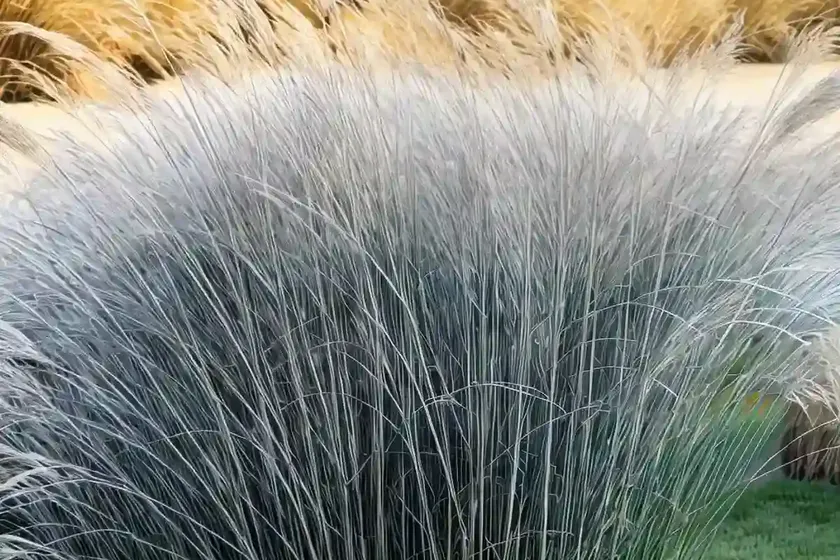
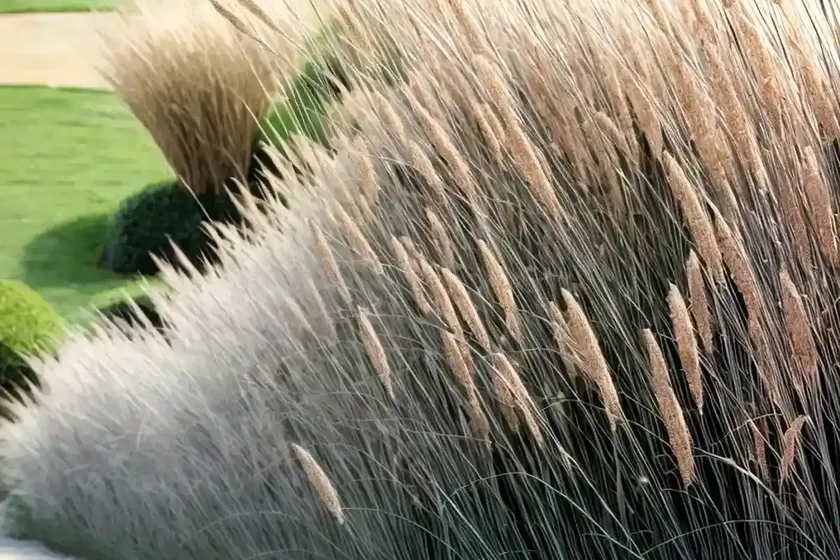
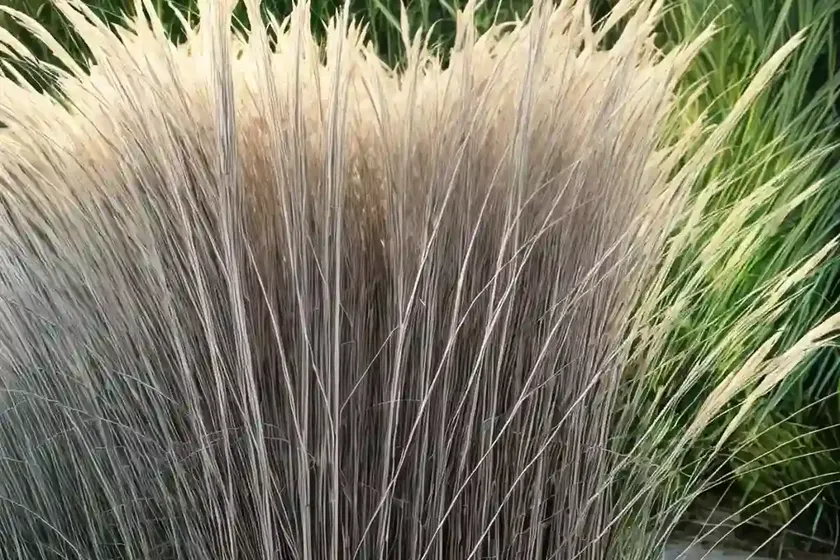
As a plant scientist, I have always been fascinated by the diverse species of plants that exist in our world. One particular plant that has caught my attention is the Miscanthus sinensis ‘Gracillimus’ commonly known as Chinese Silver Grass. This plant is not only aesthetically pleasing but is also a versatile and hardy ornamental grass that can be used in various landscaping and gardening applications.
In this comprehensive guide, we will delve into the various aspects of this remarkable plant, including its cultural requirements, uses, maintenance, and propagation methods. Whether you are a seasoned gardener or are just starting your journey in horticulture, this article will serve as an invaluable resource for understanding and nurturing the Miscanthus sinensis ‘Gracillimus’.
What is Miscanthus sinensis ‘Gracillimus’ (Chinese Silver Grass)?
Miscanthus sinensis ‘Gracillimus’ is a perennial ornamental grass native to Eastern Asia, particularly regions of China, Korea, and Japan. It belongs to the family Poaceae and is known for its graceful, arching foliage and its feathery, silvery flower plumes that emerge in late summer to early fall, creating a stunning display in the garden.
The plant is characterized by its elegant, fine-textured leaves that sway gently in the breeze, adding movement and visual interest to the landscape. Its botanical name “Miscanthus sinensis” is derived from the Greek words “miskos” and “anthos,” which together mean “graceful flower,” a fitting description for this majestic grass.
Key Takeaways – Miscanthus sinensis ‘Gracillimus’ (Chinese Silver Grass)
Before we delve into the specific care requirements and characteristics of the Miscanthus sinensis ‘Gracillimus’, let’s take a quick look at the key takeaways that we will explore in detail throughout this article:
- Culture
- Uses
- Water
- Sunlight
- Fertilizer
- Soil
- Pruning
- Propagation
- Container Popularity
- Common Diseases
- Disease Diagnosis
- Common Pests
- Botanist’s Tips
- Fun Facts
- Links to External Resources
Now, let’s dive into each of these aspects and uncover the secrets of growing and caring for Miscanthus sinensis ‘Gracillimus’.
Culture
Understanding the cultural requirements of Miscanthus sinensis ‘Gracillimus’ is essential for successfully integrating it into your garden or landscape. This includes knowing its preferred growing conditions, maintenance needs, and potential uses in different settings.
Uses
The Chinese Silver Grass has a wide range of uses, both in ornamental horticulture and in ecological applications. Some of its key uses include:
- Ornamental Beauty: The graceful and elegant foliage and striking flower plumes make it an excellent ornamental specimen, adding visual interest to gardens, landscapes, and naturalized areas.
- Erosion Control: The deep, fibrous root system of Miscanthus sinensis ‘Gracillimus’ makes it effective for stabilizing soil on slopes and preventing erosion.
- Privacy Screening: Due to its tall, dense growth habit, it can be used to create natural privacy screens or windbreaks, providing a sense of seclusion and intimacy in outdoor spaces.
- Wildlife Habitat: The dense foliage and tall stature of the plant make it an appealing habitat and food source for birds and other wildlife.
- Cut Flower: The feathery flower plumes can be cut and used in floral arrangements, adding a touch of elegance to indoor spaces.
- Carbon Sequestration: Miscanthus sinensis ‘Gracillimus’ contributes to carbon sequestration, making it a valuable plant for sustainable landscape design and environmental conservation.
It’s important to consider these uses when planning where to incorporate Miscanthus sinensis ‘Gracillimus’ in your landscape, as they can influence its placement and maintenance requirements.
Water
When it comes to watering, Miscanthus sinensis ‘Gracillimus’ is relatively low-maintenance once established. It exhibits good drought tolerance and is well-adapted to a wide range of soil moisture conditions. However, during its initial establishment phase and in periods of prolonged drought, regular watering is beneficial to support healthy growth and the development of strong root systems.
It’s important to monitor the soil moisture levels and water the plant deeply when the surface of the soil becomes dry. Avoid frequent, shallow watering, as this can lead to shallow root development and reduced drought tolerance. Providing a layer of mulch around the base of the plant can help conserve soil moisture and regulate soil temperature, further supporting the plant’s water requirements.
Sunlight
Miscanthus sinensis ‘Gracillimus’ thrives in full sun to partial shade, making it a versatile option for a variety of light conditions in the landscape. In full sun, it will exhibit stronger, more upright growth and abundant flowering, while in partial shade, it may have a slightly looser habit with fewer flowers, but it will still maintain its graceful appearance. When selecting a planting site, consider the light conditions and aim to provide the plant with at least 6 hours of direct sunlight per day for optimal growth and flowering.
Fertilizer
One of the appealing qualities of Miscanthus sinensis ‘Gracillimus’ is its relatively low fertilizer requirements. It is not a heavy feeder and can thrive in moderately fertile soils. When planting in the garden, amending the soil with well-rotted organic matter, such as compost, can provide a good foundation for the plant’s growth. Additionally, a balanced, slow-release fertilizer can be applied in early spring to support healthy foliage and flower development. However, it’s important to avoid excessive nitrogen fertilization, as this can lead to lush, weak growth and may reduce the plant’s resistance to pests and diseases.
Soil
The Chinese Silver Grass is adaptable to a wide range of soil types, as long as they are well-draining. It tolerates clay, loam, and sandy soils, but it thrives in fertile, humus-rich soils with a slightly acidic to neutral pH. Good soil drainage is crucial to prevent waterlogging, especially in winter or in areas with heavy rainfall. Ensuring proper soil preparation at the time of planting and incorporating organic amendments can create an ideal growing environment for Miscanthus sinensis ‘Gracillimus’.
Pruning
Pruning is an important aspect of maintaining the health, appearance, and longevity of Miscanthus sinensis ‘Gracillimus’. Proper pruning can help manage the size of the plant, promote vigorous growth, and rejuvenate its appearance. Here are some key pruning techniques and considerations for this ornamental grass:
- Spring Cleanup: In late winter to early spring, it’s beneficial to cut back the previous year’s growth to make way for new shoots. Using sharp pruners or hedge shears, trim the foliage down to a few inches above ground level, removing any dead or damaged stems. This will encourage fresh, healthy growth and prevent the plant from looking untidy as it enters the growing season.
- Division: Over time, Miscanthus sinensis ‘Gracillimus’ can develop a dense clump of growth, leading to reduced vigor and aesthetics. Dividing the clump every 3 to 4 years can rejuvenate the plant and prevent overcrowding. To do this, carefully dig up the entire clump, separate it into smaller sections using a sharp spade or knife, and replant the divisions in prepared soil. This process is best carried out in early spring before new growth emerges.
- Deadheading: While not essential, removing spent flower plumes in late fall or winter can help maintain a tidy appearance and prevent self-seeding in the garden. Simply snip off the flower stalks near the base of the plant using clean, sharp pruning shears.
- Overall Maintenance: Throughout the growing season, periodically remove any dead or discolored foliage to promote air circulation and prevent the buildup of debris within the plant. This not only contributes to the plant’s health but also enhances its visual appeal.
Propagation
The propagation of Miscanthus sinensis ‘Gracillimus’ can be achieved through several methods, including division, seed sowing, and stem cuttings. Each approach has its own advantages and challenges, and the choice of propagation method may depend on the specific goals of the gardener or landscaper.
- Division: As mentioned earlier, division is an effective way to propagate the Chinese Silver Grass while also rejuvenating established clumps. The best time to divide the plant is in early spring, just as new growth begins to emerge. Carefully dig up the clump, ensuring that each division has a good portion of roots and healthy shoots, and replant them in prepared soil.
- Seed Sowing: Miscanthus sinensis ‘Gracillimus’ produces viable seeds that can be collected and sown to propagate new plants. Starting from seeds allows for genetic variation and can be a cost-effective method for producing a large number of plants. Sow the seeds in well-draining seed starting mix, keep them consistently moist, and provide warmth and light for germination. However, it’s important to note that the resulting offspring may not retain the exact characteristics of the parent plant, as they can exhibit variability in growth habit and appearance.
- Stem Cuttings: While less commonly used than division and seed sowing, stem cuttings can be successfully employed to propagate Miscanthus sinensis ‘Gracillimus’. Select healthy, non-flowering stems and cut them into sections, ensuring that each cutting has several nodes. Plant the cuttings in a suitable growing medium, keep them consistently moist, and provide a warm, humid environment to encourage the development of roots. This method requires precision and careful attention to environmental conditions, but it can yield new plants that maintain the desired traits of the parent plant.
Container Popularity
The versatility and striking appearance of Miscanthus sinensis ‘Gracillimus’ make it a popular choice for container gardening. Whether used as a standalone specimen on a patio or balcony, or as part of a mixed container arrangement, this ornamental grass adds texture, movement, and year-round interest to outdoor spaces.
When cultivating Miscanthus sinensis ‘Gracillimus’ in containers, there are a few key factors to consider to ensure the plant’s success:
- Container Size: Select a container that provides ample room for the plant’s root system to spread and develop. A larger container will also offer better stability and moisture retention, reducing the need for frequent watering.
- Well-Draining Soil: Use a high-quality, well-draining potting mix specifically formulated for ornamental grasses. This will prevent waterlogging and support healthy root growth.
- Watering: Containers generally require more frequent watering than plants in the ground, as they can dry out more quickly. However, it’s important to strike a balance and avoid overwatering, as excessive moisture can lead to root rot and other issues.
- Sunlight: Position the container in a location that receives adequate sunlight, as Miscanthus sinensis ‘Gracillimus’ thrives in full sun to partial shade. Rotate the container periodically to ensure even growth and prevent the plant from leaning towards one side.
Fun Fact: Miscanthus sinensis ‘Gracillimus’ in containers can be overwintered indoors in colder climates, providing an opportunity to enjoy its beauty year-round.
Common Diseases
While Miscanthus sinensis ‘Gracillimus’ is generally a resilient and vigorous plant, it can be susceptible to certain diseases, particularly in unfavorable growing conditions or during periods of stress. Being aware of common diseases and their symptoms is crucial for timely intervention and effective management.
Disease Diagnosis
- Rust: This fungal disease manifests as small, orange-brown pustules on the leaves, often causing defoliation and weakening the plant. Rust is favored by high humidity and can spread rapidly in humid environments. To manage rust, promote air circulation around the plant, avoid overhead watering, and remove and destroy infected plant material.
- Leaf Spot: Caused by various fungal pathogens, leaf spot presents as dark, irregular spots on the leaves, which may coalesce and lead to leaf yellowing and premature drop. To prevent leaf spot, ensure proper spacing between plants to allow for air movement, avoid overhead watering, and remove and destroy affected foliage.
- Fungal Blight: This disease can cause wilting, browning, and dieback of the plant, often leading to substantial damage if left unchecked. Managing fungal blight involves improving soil drainage, avoiding waterlogged conditions, and ensuring proper plant nutrition and vitality.
Monitoring the plant for any unusual symptoms, practicing good cultural practices, and promptly addressing disease issues can greatly enhance the health and vigor of Miscanthus sinensis ‘Gracillimus’.
Common Pests
In addition to diseases, certain pests may pose a threat to Miscanthus sinensis ‘Gracillimus’, although it is typically resilient against pest infestations. Common pests that may affect this ornamental grass include:
- Aphids: These small, sap-sucking insects can congregate on the underside of leaves, causing distortion and discoloration of the foliage. A strong stream of water or insecticidal soap can be used to dislodge and manage aphid populations.
- Spider Mites: These tiny pests can cause stippling and webbing on the leaves, leading to reduced growth and vigor. Increasing humidity, pruning affected plant parts, and using insecticidal sprays can help control spider mite infestations.
Maintaining a healthy growing environment, promoting natural predators, and practicing vigilant monitoring are effective measures for preventing pest issues in Miscanthus sinensis ‘Gracillimus’.
Botanist’s Tips
To further enhance the successful cultivation and enjoyment of Miscanthus sinensis ‘Gracillimus’, here are some expert tips from botanists and horticulturists:
- Mulching: Applying a layer of organic mulch around the base of the plant can help conserve soil moisture, suppress weeds, and regulate soil temperature, contributing to healthier growth.
- Companion Planting: Pairing Miscanthus sinensis ‘Gracillimus’ with complementary plants, such as late-blooming perennials or other ornamental grasses, can create dynamic and visually appealing combinations in the garden.
- Winter Care: In regions with cold winters, leaving the dried foliage of Miscanthus sinensis ‘Gracillimus’ in place over winter can provide visual interest, protect the plant from extreme cold, and serve as habitat for overwintering wildlife.
- Slope Stabilization: Utilize the vigorous, fibrous root system of Chinese Silver Grass to stabilize slopes and prevent soil erosion, particularly in areas prone to runoff and erosion.
Following these tips can help you optimize the performance and aesthetic impact of Miscanthus sinensis ‘Gracillimus’ in your garden or landscape.
Fun Facts
To appreciate the unique qualities and significance of Miscanthus sinensis ‘Gracillimus’, let’s explore some intriguing fun facts about this striking ornamental grass:
- Carbon Sequestration: Miscanthus sinensis ‘Gracillimus’ is known for its exceptional ability to capture and store carbon dioxide, making it a valuable asset in mitigating climate change and promoting environmental sustainability.
- Wildlife Habitat: The dense, upright growth of Chinese Silver Grass provides valuable shelter and nesting sites for birds, insects, and small mammals, contributing to the biodiversity of its surroundings.
- Kinetic Beauty: The graceful movement of Miscanthus sinensis ‘Gracillimus’ in the wind adds a dynamic, kinetic element to the garden, creating a sense of liveliness and natural rhythm.
- Traditional Cultural Significance: In its native range, Miscanthus has been historically utilized for various cultural and practical purposes, including thatching roofs, creating paper, and weaving mats and baskets, highlighting its multifaceted value.
- Ecological Restoration: In addition to its ornamental uses, Miscanthus sinensis ‘Gracillimus’ has been embraced in ecological restoration projects, where it aids in restoring disturbed landscapes, improving soil health, and supporting diverse wildlife populations.
These fun facts underscore the multi-dimensional importance and appeal of Miscanthus sinensis ‘Gracillimus’ beyond its role as a mere garden plant.
Links to External Resources
For further exploration of the world of Miscanthus sinensis ‘Gracillimus’ and in-depth information on its care, cultivation, and applications, consider referring to the following reputable external resources:
- The Royal Horticultural Society (RHS): The RHS provides comprehensive guidance on ornamental grasses, including detailed profiles and cultivation tips for Miscanthus species.
- Missouri Botanical Garden: The Missouri Botanical Garden’s plant finder tool and educational resources offer valuable insights into the characteristics and growing requirements of Chinese Silver Grass.
- University Extension Websites: Many university extension websites feature practical articles and fact sheets on ornamental grasses, including Miscanthus sinensis ‘Gracillimus’.
- Horticulture Trade Publications – Trade publications such as Greenhouse Management, Nursery Management, and Green Profit offer articles and insights from industry experts and horticultural professionals, including specific information on ornamental grasses and landscape applications.
These resources can serve as valuable companions to this guide, providing diverse perspectives and expert knowledge on the captivating world of Miscanthus sinensis ‘Gracillimus’.
In conclusion, the Miscanthus sinensis ‘Gracillimus’, or Chinese Silver Grass, represents a remarkable fusion of ornamental allure, ecological utility, and cultural significance. By understanding its unique characteristics, embracing its versatility, and harnessing the expertise offered in this guide, gardeners and landscapers can unlock the full potential of this extraordinary plant, enriching their outdoor spaces and contributing to the beauty and sustainability of our natural world.


