Miscanthus Sinensis ‘Flamingo’ (Chinese Silver Grass)
Miscanthus sinensis ‘Flamingo’, commonly known as Chinese Silver Grass, is a striking ornamental grass known for its graceful, arching foliage and.


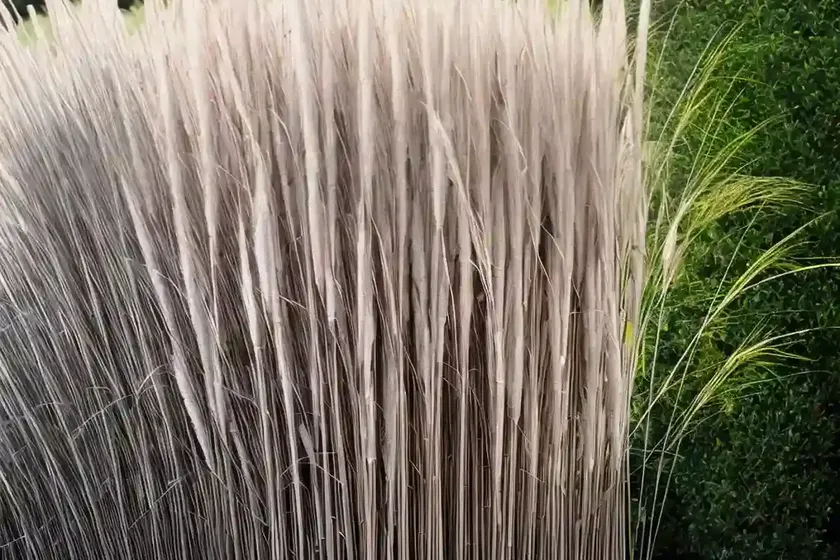
What is plant: Miscanthus sinensis ‘Flamingo’ (Chinese Silver Grass)
Miscanthus sinensis ‘Flamingo’, commonly known as Chinese Silver Grass, is a striking ornamental grass known for its graceful, arching foliage and beautiful pinkish plumes. It is a herbaceous perennial grass that belongs to the Poaceae family.
This cultivar is prized for its elegant appearance and is a popular choice for adding texture and interest to landscapes, gardens, and containers. With its attractive foliage and impressive height, Miscanthus sinensis ‘Flamingo’ is a versatile and low-maintenance plant that can thrive in a variety of environments.
Plant Characteristics
- Common Name: Chinese Silver Grass ‘Flamingo’
- Botanical Name: Miscanthus sinensis ‘Flamingo’
- Family: Poaceae
- Type: Herbaceous Perennial
Key Takeaways – Miscanthus sinensis ‘Flamingo’ (Chinese Silver Grass)
Miscanthus sinensis ‘Flamingo’ is a versatile and visually striking ornamental grass that offers numerous benefits for gardeners and landscaping enthusiasts. Here are the key takeaways about this beautiful plant:
- Visual Appeal: The graceful, arching foliage and delicate pink plumes of Miscanthus sinensis ‘Flamingo’ make it a visually stunning addition to any garden or landscape.
- Low Maintenance: This cultivar is relatively low maintenance and can thrive with minimal care, making it an excellent choice for both novice and experienced gardeners.
- Versatile Uses: From creating privacy screens to adding texture to borders and mixed plantings, Miscanthus sinensis ‘Flamingo’ offers a wide range of landscaping possibilities.
- Seasonal Interest: Its unique foliage and attractive plumes provide year-round interest in the garden, making it a valuable addition to any landscape design.
Now, let’s explore the various aspects of caring for and growing Miscanthus sinensis ‘Flamingo’ in more detail.
Culture
Water
Miscanthus sinensis ‘Flamingo’ is known for its tolerance to drought conditions once established, but regular watering is essential during its initial establishment period. Adequate moisture is crucial to support healthy growth, particularly during the first growing season.
- Water Requirements: Keep the soil consistently moist during the first growing season to promote establishment. Once established, it exhibits good drought tolerance and may only require occasional watering during prolonged dry periods.
Sunlight
As a sun-loving plant, Miscanthus sinensis ‘Flamingo’ thrives in full sun and can tolerate partial shade. Providing ample sunlight is essential for ensuring robust growth and promoting the development of its characteristic plumes.
- Sunlight Needs: Plant in a location that receives at least 6-8 hours of direct sunlight for optimal growth and flowering.
Fertilizer
While Miscanthus sinensis ‘Flamingo’ is relatively low-maintenance, providing a balanced fertilizer can help promote healthy growth and enhance its ornamental appeal.
- Fertilization Tips: Apply a balanced, slow-release fertilizer in the spring to support vigorous growth and encourage the development of vibrant foliage and plumes.
Soil
Well-draining soil is essential for the successful cultivation of Miscanthus sinensis ‘Flamingo’. It can adapt to various soil types, including sandy and loamy soils, as long as they offer good drainage.
- Soil Preferences: Plant in well-draining soil with a neutral to slightly acidic pH for best results. Amending heavy or compacted soils with organic matter can improve drainage and overall soil quality.
Pruning
Pruning plays a crucial role in promoting the health and aesthetic appeal of Miscanthus sinensis ‘Flamingo’. Proper pruning techniques can help maintain its graceful form and prevent the development of dense thatch.
Pruning Techniques
- Spring Pruning: In late winter or early spring, cut back the previous year’s growth to a few inches above the ground to make way for new spring growth.
- Deadheading: Remove spent plumes and foliage to maintain a tidy appearance and encourage the development of new growth.
Propagation
Propagating Miscanthus sinensis ‘Flamingo’ can be achieved through several methods, including division and seed propagation. Each method offers unique advantages and challenges, allowing gardeners to choose the most suitable approach based on their preferences and resources.
Division
- Ideal Time: Division is best carried out in the early spring before new growth emerges or in the fall before the first frost.
- Procedure: Dig up the mature plant and carefully divide the rhizomes into smaller sections, each containing healthy roots and shoots. Replant the divisions in prepared soil at the same depth as the original plant.
Seed Propagation
- Harvesting Seeds: Allow the plumes of mature plants to fully develop and then collect the seeds for propagation.
- Sowing Seeds: Start the seeds indoors in early spring and transplant the seedlings outdoors once they have developed several leaves, or sow them directly in the garden after the last frost date.
Container Popularity
Miscanthus sinensis ‘Flamingo’ is well-suited for container cultivation, offering an excellent option for adding elegance and vertical interest to patios, balconies, and outdoor living spaces.
Container Gardening Tips
- Container Selection: Choose a large, deep container with adequate drainage to accommodate the plant’s root system and allow excess moisture to escape.
- Soil Medium: Use a well-draining potting mix to ensure optimal moisture control and good root health.
- Placement: Position the container in a location that receives ample sunlight to support healthy growth and plume development.
Common Diseases
Understanding the potential diseases that can affect Miscanthus sinensis ‘Flamingo’ is crucial for proactive disease prevention and effective management strategies.
Disease Prevention
- Good Air Circulation: Plant Miscanthus sinensis ‘Flamingo’ in a location that provides good air circulation to minimize the risk of fungal diseases.
- Avoid Overcrowding: Proper spacing between plants can help reduce the likelihood of disease transmission and promote overall plant health.
Disease Diagnosis
Common diseases that may affect Miscanthus sinensis ‘Flamingo’ include:
- Rust: Characterized by yellow to orange pustules on leaves and stems, rust can impact the overall health and vigor of the plant if left unmanaged.
- Leaf Spot: Circular, dark lesions on the foliage can indicate the presence of leaf spot diseases, which may require targeted fungicidal treatment.
Common Pests
While Miscanthus sinensis ‘Flamingo’ is relatively resistant to pests, occasional pest infestations can occur, requiring prompt identification and management.
Pest Control
- Regular Monitoring: Inspect the plant regularly for signs of pest activity, such as chewed foliage or damage to plumes and stems.
- Natural Predators: Encourage the presence of beneficial insects and natural predators to help control pest populations.
- Non-toxic Remedies: Utilize non-toxic pest control methods, such as insecticidal soaps or neem oil, to address minor pest issues.
Botanist’s Tips
- Companion Plants: Pair Miscanthus sinensis ‘Flamingo’ with complementary perennials, such as black-eyed Susans (Rudbeckia) or purple coneflowers (Echinacea), to create visually appealing mixed plantings.
- Winter Care: In regions with harsh winters, protect the base of the plant with a layer of mulch to provide insulation and help prevent frost damage.
Fun Facts
- Miscanthus sinensis ‘Flamingo’ is native to East Asia, including China, Japan, and Korea.
- Its plumes exhibit a soft, feathery appearance and add an enchanting element to floral arrangements and dried bouquets.
Links to External Resources
For further information on caring for and cultivating Miscanthus sinensis ‘Flamingo’, consider exploring the following resources:
- Royal Horticultural Society: Miscanthus sinensis ‘Flamingo’
- Missouri Botanical Garden: Miscanthus sinensis
- University of Maryland Extension: Ornamental Grasses
In conclusion, Miscanthus sinensis ‘Flamingo’ (Chinese Silver Grass) stands out as a captivating and versatile ornamental grass that offers a host of benefits for gardeners and landscapers alike. This visually stunning cultivar, with its graceful form and exquisite plumes, serves as an excellent choice for bringing year-round interest and elegance to diverse garden settings. By understanding its cultural requirements, propagation methods, and pest and disease management strategies, individuals can cultivate and enjoy the beauty of Miscanthus sinensis ‘Flamingo’ while enhancing their outdoor spaces with its enchanting presence.


