Mint (Mentha)
Mint, a genus of around 25 species of flowering plants in the family Lamiaceae, is renowned for its aromatic properties and versatile uses. This article.
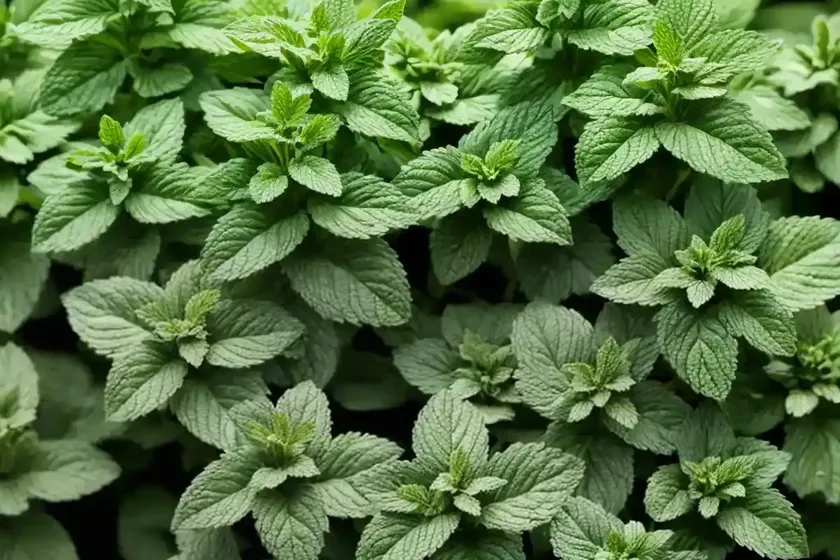
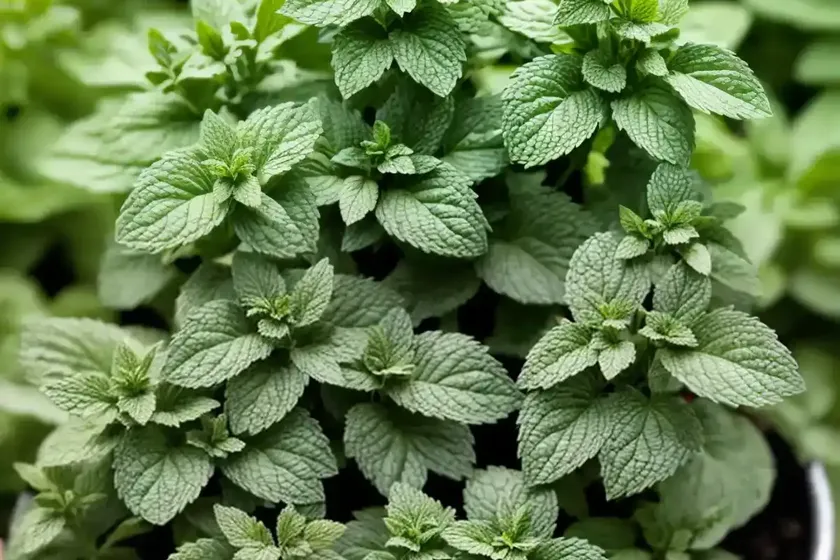
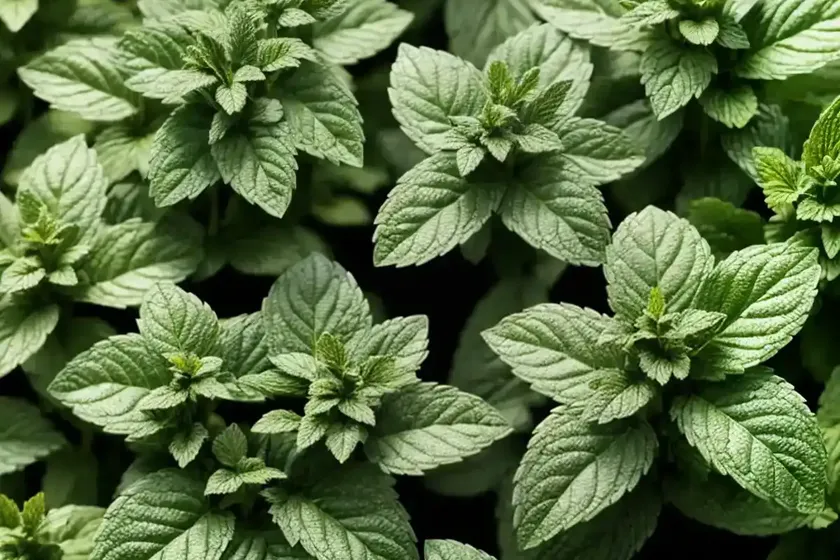
Mint, a genus of around 25 species of flowering plants in the family Lamiaceae, is renowned for its aromatic properties and versatile uses. This article will delve into the captivating world of mint, exploring its cultural significance, propagation techniques, common diseases, pests, and the various uses that have made it a popular herb across the globe.
What is Mint (Mentha)?
Mint, belonging to the Mentha genus, encompasses a group of highly fragrant plants with characteristic squared-off stems and distinct fragrant leaves. Known for its broad range of culinary, medicinal, and ornamental uses, mint has earned a prime spot in many kitchens, gardens, and herbal medicine cabinets worldwide.
Key Takeaways – Mint (Mentha)
Here are the key takeaways when it comes to mint (Mentha):
- Mint Plants: The Mentha species are well-known for their aromatic and flavorful leaves.
- Growing Mint: Mint is relatively easy to grow, making it an ideal choice for both herb gardeners and beginners.
- Uses of Mint: The uses of mint are diverse, spanning from culinary applications to medicinal and aromatic purposes.
- Mint Varieties: With numerous species and cultivars, mint presents a wide variety of flavors and aromas.
- Propagation of Mint: Mint can be propagated through various methods such as cuttings and division.
- Mint in Traditional Medicine: Mint has a long history of use in traditional medicine for its potential health benefits.
- Mint and Companion Plants: Certain plants thrive when planted alongside mint, forming beneficial companion plantings.
Culture
Water
Mint plants have a high water requirement and thrive in consistently moist soil. Adequate watering is crucial, especially during dry periods, to ensure the plant’s vigor and flavor.
Sunlight
While mint prefers partial to full sunlight, it can tolerate shade as well. However, to promote robust growth and maximize essential oil production, providing sufficient sunlight is essential.
Fertilizer
Applying a balanced fertilizer during the growing season can help enhance the growth and flavor of mint. However, be cautious with the amount of fertilizer, as excessive nitrogen can lead to excessive vegetative growth at the expense of flavor.
Soil
Mint thrives in well-draining, moderately rich soil with a slightly acidic to neutral pH. Incorporating organic matter into the soil can provide the necessary nutrients and improve moisture retention.
Pruning
Regular pruning is beneficial for mint plants to encourage bushy growth and prevent them from becoming leggy. It’s advisable to remove any flowers that appear to redirect energy towards leaf production and maintain the plant’s vigor.
Propagation
Mint can be propagated through various methods including:
- Root Division: Dividing the root clumps and replanting them in other locations.
- Cuttings: Taking stem cuttings and rooting them in water or a suitable growing medium.
- Layering: Encouraging stems to produce roots while still attached to the parent plant, then separating them to form new plants.
Container Popularity
Mint is a popular choice for container gardening due to its vigorous growth habit and tendency to spread. Growing mint in containers offers the advantage of control over its invasive nature while providing easy access to this versatile herb.
Container
When cultivating mint in containers, choose a spacious pot with adequate drainage to prevent waterlogging. Regularly check the container, and if the plant outgrows it, consider repotting to a larger one.
Common Diseases
Mint plants may encounter various diseases, some of which include:
- Powdery Mildew: A fungal disease that manifests as white, powdery patches on the leaves, often caused by poor air circulation and high humidity.
- Rust: Characterized by orange-brown pustules on the plant’s surfaces, this fungal disease can weaken the plant if not addressed promptly.
- Verticillium Wilt: A soil-borne disease that causes wilting and yellowing of the leaves, ultimately leading to plant decline.
Disease Diagnosis
To diagnose and address diseases effectively, it’s crucial to monitor the plants regularly for any signs of disease. Prompt action, including removing affected plant parts and applying appropriate fungicides, can help prevent the spread of diseases to healthy plants.
Common Pests
Mint plants may attract several pests, including:
- Aphids: Small, sap-sucking insects that can cause distorted growth and weaken the plant.
- Spider Mites: Tiny arachnids that damage the plant by sucking sap from the leaves, leading to stippling and discoloration.
- Cutworms: Larvae of certain moth species that can cause damage by feeding on the stems and leaves.
Botanist’s Tips
Here are some valuable tips for cultivating healthy and vibrant mint plants:
- Regular Harvesting: Regularly harvesting mint leaves not only promotes bushy growth but also ensures a continuous supply of fresh leaves for culinary and medicinal use.
- Companion Planting: Consider planting mint alongside other herbs and vegetables such as basil, rosemary, and tomatoes, as they can benefit from the association.
- Monitoring Moisture Levels: Keep an eye on the soil moisture and avoid overwatering, as mint prefers consistently moist but not waterlogged conditions.
Fun Facts
- The mint family, Lamiaceae, encompasses a wide array of aromatic herbs, including basil, rosemary, and lavender, among others.
- Mint leaves are rich in essential oils, primarily menthol, which contributes to their characteristic scent and flavor.
Links to External Resources
For further exploration of mint and its diverse applications, refer to the following external resources:
In conclusion, mint (Mentha) stands as a prime example of a plant that seamlessly bridges the realms of culinary, medicinal, and ornamental uses. Its tantalizing aroma, refreshing flavor, and therapeutic properties have secured its place as a beloved herb worldwide. Whether in a culinary creation, a soothing tea, or a natural remedy, the virtues of mint continue to captivate enthusiasts and connoisseurs alike.


