Mimulus Ringens (Allegheny Monkey Flower)
Mimulus ringens, commonly known as Allegheny Monkey Flower, is a visually striking flowering plant that can add a burst of color to any garden or.
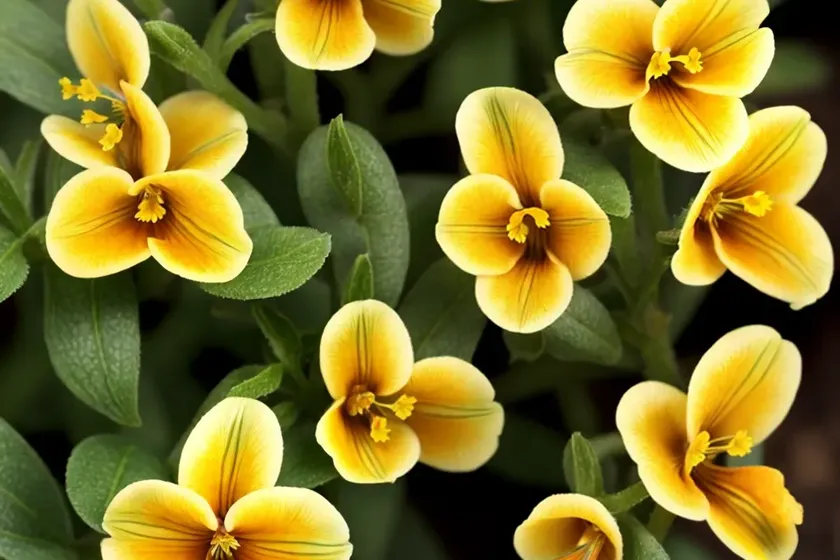
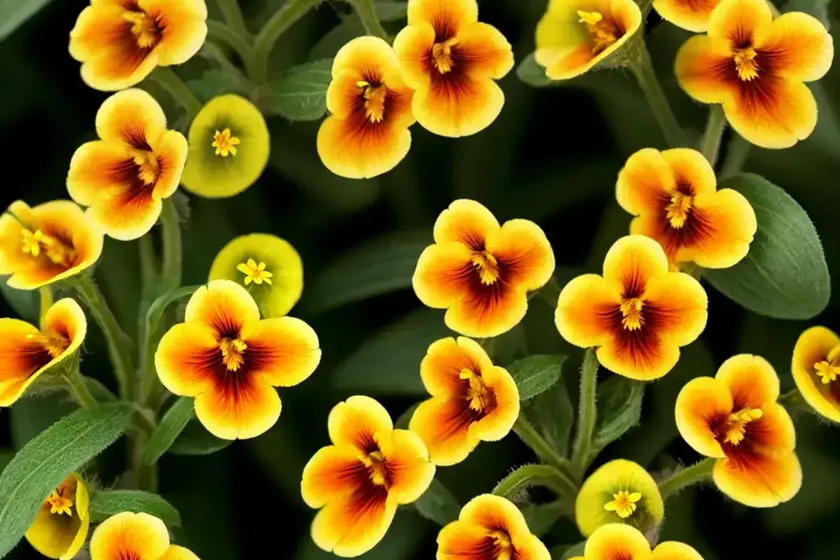
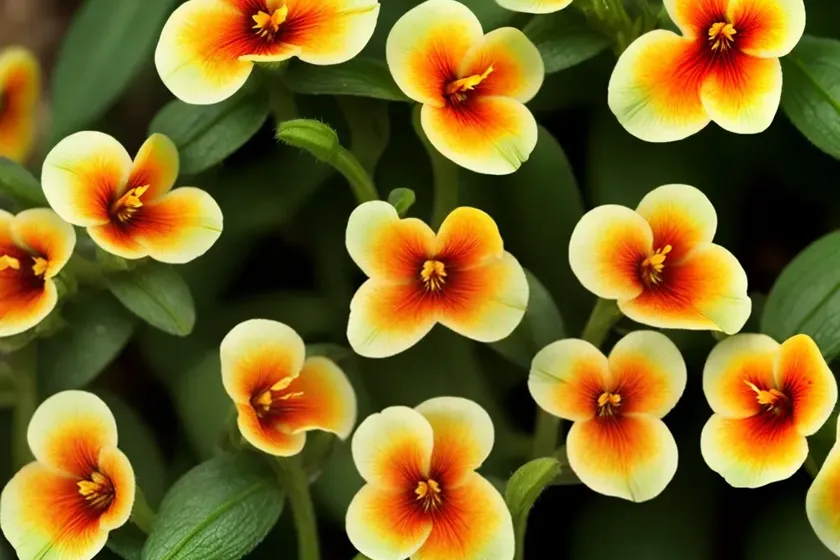
Mimulus ringens, commonly known as Allegheny Monkey Flower, is a visually striking flowering plant that can add a burst of color to any garden or landscape. This herbaceous perennial is native to North America and is a member of the Phrymaceae family. The genus Mimulus consists of about 150 species, with Mimulus ringens being one of the most popular choices for gardeners due to its lovely blooms and relatively low maintenance requirements.
In this comprehensive guide, we will delve into the various aspects of growing and caring for Mimulus ringens. From its cultural preferences to its uses, water and sunlight requirements, fertilizer needs, soil preferences, pruning techniques, propagation methods, and more, we will cover all the essential information that plant enthusiasts need to know about this unique and beautiful plant.
What is Mimulus ringens (Allegheny Monkey Flower)?
Mimulus ringens, also known as Allegheny Monkey Flower, is an herbaceous perennial plant that is native to North America. This plant is characterized by its striking tubular-shaped blue to lavender flowers with yellow markings on the throat. The flowers bloom from late spring to early autumn and are especially attractive to pollinators like bees and hummingbirds.
The plant typically grows to a height of 1-3 feet and spreads to about 1-2 feet, creating a bushy and attractive appearance. Mimulus ringens is well-suited for planting in moist or wet soil conditions, making it an excellent choice for gardens with ponds, streams, or other water features.
Key Takeaways – Mimulus ringens (Allegheny Monkey Flower)
Before we delve into the specifics of growing and caring for Mimulus ringens, let’s take a quick look at the key takeaways about this captivating plant:
- Common Name: Allegheny Monkey Flower
- Scientific Name: Mimulus ringens
- Family: Phrymaceae
- Type: Herbaceous perennial
- Native Range: North America
- Flower Color: Blue to lavender with yellow markings
- Blooming Period: Late spring to early autumn
- Height: 1-3 feet
- Spread: 1-2 feet
- Attracts: Bees, hummingbirds
Now that we have an overview of Mimulus ringens, let’s explore the essential aspects of cultivating and caring for this charming plant.
Culture
Uses
Mimulus ringens is valued for its ornamental and ecological uses. Here are some common uses of Allegheny Monkey Flower:
- Ornamental Use: The striking blue to lavender flowers with yellow markings make Mimulus ringens a visually appealing addition to gardens, borders, and wetland areas.
- Ecological Contribution: Due to its nectar-rich flowers, Mimulus ringens is a valuable source of food for pollinators such as bees and hummingbirds. It can contribute to the overall biodiversity and ecological balance of a garden or natural area.
Growing Conditions
Water
Mimulus ringens thrives in moist to wet soil conditions. It is well-suited for planting in areas with consistent or periodic waterlogging, making it an excellent choice for gardens with ponds, water features, or low-lying areas that retain moisture. When establishing Mimulus ringens, it is important to ensure that the soil remains consistently moist, especially during the growing season. However, it is important to avoid waterlogged conditions that can lead to root rot.
Sunlight
In terms of sunlight requirements, Mimulus ringens prefers partial shade to full sun. While it can tolerate some shade, it typically thrives in locations with at least moderate sunlight exposure. When selecting a planting site for Mimulus ringens, consider a location that receives six or more hours of sunlight per day for optimal growth and blooming.
Fertilizer
When it comes to fertilizing Mimulus ringens, it is important to be mindful of its preference for moist soil conditions. A balanced, water-soluble fertilizer applied at half-strength can be used during the growing season to provide essential nutrients to the plant. However, it is advisable to avoid excessive fertilization, especially with strong chemical fertilizers, as this can lead to nutrient imbalance and potentially harm the plant.
Soil
Mimulus ringens thrives in rich, moist, and well-draining soil. It is especially well-suited for clay or loamy soil types that retain moisture without becoming waterlogged. When planting Mimulus ringens, it is beneficial to amend the soil with organic matter such as compost or peat moss to improve its moisture retention and nutrient content. Additionally, maintaining a slightly acidic to neutral soil pH (between 6.0 and 7.0) is ideal for the optimal growth of Mimulus ringens.
Pruning
Proper pruning can help maintain the health and appearance of Mimulus ringens. Here are some key pruning tips for this plant:
- Deadheading: Regular deadheading of faded flowers can promote continued blooming and prevent the plant from expending energy on seed production.
- Thinning: Periodic thinning of crowded or weak growth can help improve air circulation and reduce the risk of disease.
- Trimming: Light trimming of the plant can be done in late winter or early spring to remove any damaged or overgrown foliage and to promote a more compact growth habit.
Propagation
Mimulus ringens can be propagated through various methods, including division, cuttings, and seed sowing. Here are some guidelines for propagating Allegheny Monkey Flower:
- Division: Established Mimulus ringens plants can be divided in early spring or late autumn. Carefully dig up the plant and separate the clumps, ensuring that each division has a good root system. Replant the divisions in prepared soil, keeping them well-watered until they establish themselves.
- Cuttings: Stem cuttings can be taken from healthy, non-flowering shoots in spring or early summer. Dip the cut ends in a rooting hormone and plant them in a well-draining propagation medium. Keep the cuttings moist and provide bottom heat for optimal rooting.
- Seed Sowing: Mimulus ringens produces small, lightweight seeds that can be sown directly in the garden in early spring or fall. Prepare the seedbed by loosening the soil, then sprinkle the seeds and lightly press them into the soil. Keep the area consistently moist until the seeds germinate and establish.
Container Popularity
Mimulus ringens can be successfully grown in containers, making it a versatile plant for use in various settings, including patios, balconies, and garden borders. When growing Mimulus ringens in containers, it is essential to choose a spacious pot with adequate drainage holes to prevent waterlogging. Additionally, using a well-draining potting mix that retains moisture without becoming waterlogged is crucial for the plant’s health and growth.
Common Diseases
Disease Diagnosis
Mimulus ringens can be susceptible to certain diseases, especially when grown in unfavorable conditions or when exposed to prolonged moisture. Here are some common diseases that may affect Allegheny Monkey Flower:
- Powdery Mildew: This fungal disease appears as a white powdery growth on the leaves and stems, often causing them to become distorted and stunted.
- Root Rot: Overly wet or waterlogged soil can lead to root rot, which is characterized by wilting, yellowing, or browning of the foliage and a general decline in the plant’s health.
- Downy Mildew: This disease manifests as yellow or brown patches on the foliage, often accompanied by a white downy growth on the undersides of the leaves.
Treatment and Prevention
To prevent and manage diseases in Mimulus ringens, it is important to maintain good cultural practices and provide favorable growing conditions. Here are some steps to prevent and address common diseases:
- Cultural Management: Avoid overwatering and waterlogged conditions, as well as overcrowding of plants that can impede air circulation. Provide adequate spacing and ensure proper drainage to reduce the risk of diseases.
- Fungicidal Treatments: In cases where diseases are identified, appropriate fungicidal treatments can be used according to the manufacturer’s instructions. It is important to start with the least toxic options and follow proper application protocols.
Common Pests
Mimulus ringens may encounter certain pests that can impact its growth and vigor. Here are some common pests that may affect Allegheny Monkey Flower:
- Aphids: These small, soft-bodied insects can cluster on the new growth of Mimulus ringens, sucking sap and causing distorted foliage and reduced plant vigor.
- Spider Mites: Spider mites are tiny pests that can cause stippling and discoloration of the leaves, often leading to reduced photosynthesis and overall plant health.
- Slugs and Snails: These mollusks can feed on the tender foliage of Mimulus ringens, leaving behind ragged edges and holes in the leaves.
Pest Management
To manage pests on Mimulus ringens, it is important to employ integrated pest management (IPM) strategies that focus on prevention and minimal intervention. Here are some key approaches to pest management:
- Monitoring: Regularly inspect the plant for signs of pest activity, including stippling, distorted foliage, or the presence of insects.
- Natural Predators: Encourage the presence of natural predators such as ladybugs, lacewings, and predatory mites, which can help control pest populations.
- Physical Barriers: For pests like slugs and snails, physical barriers such as copper tape or diatomaceous earth can be effective in deterring their movement and feeding on the plant.
Botanist’s Tips
To ensure the successful cultivation of Mimulus ringens and maximize its ornamental and ecological benefits, here are some additional tips from botanists and horticulture experts:
- Mulching: Apply a layer of organic mulch around the base of Mimulus ringens to help retain moisture, suppress weeds, and moderate soil temperature.
- Companion Planting: Pair Mimulus ringens with other moisture-loving plants such as Lobelia cardinalis, Astilbe, and Lysimachia for a harmonious and diverse garden display.
- Wildlife Benefits: Emphasize the ecological benefits of Mimulus ringens, which extends beyond its visual appeal and includes its role as a food source for pollinators.
Fun Facts
- The botanical name “Mimulus” is derived from the Latin word “mimus,” meaning “mimic” or “actor,” in reference to the plant’s flower shape.
- Mimulus ringens is often found in wetland areas, marshes, and along stream banks, where its ability to thrive in consistently moist soil conditions is advantageous.
Links to External Resources
For further information about Mimulus ringens and related topics, consider exploring the following external resources:
- The Plant List – Mimulus ringens
- Missouri Botanical Garden – Mimulus ringens
- Wildflower Center – Mimulus ringens
In conclusion, Mimulus ringens, or Allegheny Monkey Flower, offers not only stunning floral displays but also meaningful contributions to garden biodiversity. By understanding and fulfilling its cultural requirements, nurturing its growth through proper maintenance practices, and appreciating its beauty and ecological value, gardeners can create enchanting landscapes enriched by the presence of this captivating plant.
Remember, the allure of Mimulus ringens lies not only in its visual appeal but also in its potential to foster a thriving and dynamic garden ecosystem, making it a valuable addition to any landscape or natural area.
As a plant scientist, I have endeavored to provide a comprehensive and insightful exploration of Mimulus ringens, encompassing its cultural preferences, propagation methods, potential diseases and pests, and more. I hope this guide serves as a valuable resource for plant enthusiasts, gardeners, and nature lovers seeking to deepen their understanding of this beautiful herbaceous perennial.


