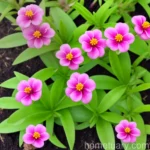
Mickey Mouse Plant (Ochna serrulata): A Complete Guide to Plant Care
The Mickey Mouse plant, scientifically known as Ochna serrulata, is a unique and captivating species that has gained popularity as an ornamental plant in many parts of the world. With its distinctive bright red sepals that resemble Mickey Mouse ears, this plant has become a favorite among gardening enthusiasts and nature lovers. In this comprehensive guide, we will delve into the various aspects of caring for the Mickey Mouse plant, including its cultural preferences, uses, propagation, common diseases, and much more.
What is the Mickey Mouse Plant (Ochna serrulata)?
Ochna serrulata, commonly referred to as the Mickey Mouse plant, is a species of flowering plant in the Ochnaceae family. It is native to South Africa, where it is commonly found in woodlands and scrub areas. The plant is known for its attractive, deep green foliage and striking flowers, which bear a remarkable resemblance to the iconic Disney character, Mickey Mouse. The sepals of the plant turn bright red as they mature, creating an eye-catching display that makes it a sought-after addition to gardens and landscapes.
In addition to its aesthetic appeal, the Mickey Mouse plant holds cultural significance in various societies, where it is associated with different symbolic meanings and traditional uses. As a versatile plant, it has also been explored for its potential medicinal properties and ecological benefits.
Key Takeaways – Mickey Mouse Plant (Ochna serrulata)
Before delving into the specifics of caring for the Mickey Mouse plant, let’s explore some key takeaways regarding its cultural significance, uses, and essential care requirements.
Culture
- The Mickey Mouse plant holds cultural significance in various regions, where it may be associated with different symbolic meanings and traditional uses.
- Its vibrant red sepals, which resemble the iconic cartoon character’s ears, make it a popular choice for ornamental and decorative purposes.
Uses
- As an ornamental plant, the Mickey Mouse plant is valued for its unique appearance and ability to add visual interest to gardens, landscapes, and indoor spaces.
- It has also been explored for its potential medicinal properties and ecological benefits.
Water
- The plant prefers consistently moist soil, but it is important to avoid overwatering, as excessive moisture can lead to root rot and other issues.
- Regular monitoring of soil moisture is crucial, particularly during hot and dry periods.
Sunlight
- The Mickey Mouse plant thrives in bright, indirect sunlight. While it appreciates ample light, it is essential to protect it from harsh, direct sun, especially during the hottest parts of the day.
Fertilizer
- Fertilize the plant with a balanced, water-soluble fertilizer during the growing season to support healthy growth and flowering.
- Follow the recommended application rates and avoid over-fertilization, as this can negatively impact the plant’s health.
Soil
- Well-draining, slightly acidic soil is ideal for the Mickey Mouse plant. A mix of peat moss, perlite, and compost can create an optimal growing medium.
- Regularly assess the soil quality and drainage to ensure a suitable environment for the plant’s root system.
Pruning
- Pruning helps maintain the plant’s shape, remove dead or damaged growth, and encourage new flowering shoots.
- Timing and technique are essential when pruning the Mickey Mouse plant to promote healthy growth and an attractive appearance.
Propagation
- The plant can be propagated from seeds, cuttings, or air layering. Each method has its advantages and requirements, offering flexibility for propagation enthusiasts.
Container Popularity
- The Mickey Mouse plant is well-suited for container gardening, allowing individuals with limited outdoor space to enjoy its beauty and charm.
Common Diseases
- Keep an eye out for common diseases such as fungal infections, powdery mildew, and leaf spot. Prompt identification and intervention are crucial for managing these issues.
Disease Diagnosis
- Understanding the symptoms and causes of common plant diseases is essential for effectively diagnosing and addressing any health issues that may arise.
Common Pests
- Pests such as aphids, scale insects, and spider mites can pose a threat to the Mickey Mouse plant. Regular monitoring and appropriate pest management strategies are vital for maintaining plant health.
Botanist’s Tips
As a plant enthusiast and researcher, I’ve gathered valuable insights and practical tips for successfully caring for the Mickey Mouse plant. Here are some expert recommendations to help you cultivate and enjoy this captivating species.
1. Maintain Adequate Moisture
- The Mickey Mouse plant thrives in consistently moist but well-draining soil. Regularly check the soil moisture and adjust your watering routine as needed to provide optimal growing conditions.
2. Provide Indirect Sunlight
- Position the plant in an area with bright, indirect sunlight to promote healthy growth and vibrant flowering. Shield it from direct sun exposure during the hottest hours of the day.
3. Monitor for Pests and Diseases
- Regularly inspect the plant for signs of pests and diseases, taking proactive measures to manage and prevent potential issues. Early intervention is key to preserving the plant’s health.
4. Prune with Care
- When pruning the Mickey Mouse plant, use sharp, clean tools and employ precise techniques to maintain its shape and encourage productive growth. Avoid excessive pruning, especially during the flowering period.
5. Choose Suitable Containers
- If growing the plant in containers, select appropriately sized pots with adequate drainage to support its root system and overall development.
6. Consider Companion Planting
- Explore companion plants that complement the Mickey Mouse plant and create visually appealing combinations in your garden or indoor spaces.
Fun Facts
The Mickey Mouse plant, with its whimsical appearance and intriguing characteristics, is not only a visually captivating species but also holds a few surprising and delightful facts that showcase its unique allure.
- Cultural Significance: In various cultures, the Mickey Mouse plant may symbolize different concepts, such as luck, resilience, or celebration.
- Attracts Wildlife: The vibrant flowers of the plant can attract pollinators such as butterflies and bees, contributing to a dynamic and biodiverse garden environment.
- Traditional Uses: In some regions, the plant has been traditionally used for its medicinal properties or incorporated into cultural ceremonies and practices.
Now that we’ve gained a foundational understanding of the Mickey Mouse plant and its key care requirements, let’s delve into the specific details of nurturing this captivating species.
Plant Name: Mickey Mouse Plant (Ochna serrulata) Care Guide
Mickey Mouse Plant Care
Caring for the Mickey Mouse plant (Ochna serrulata) involves understanding and implementing specific practices related to its water, sunlight, fertilizer, soil, pruning, and propagation needs. By addressing these aspects effectively, you can nurture a thriving and visually stunning plant that adds charm to your surroundings.
Watering the Mickey Mouse Plant
Proper watering is essential for the health and vitality of the Mickey Mouse plant. Here are some key considerations for maintaining optimal soil moisture levels:
- Watering Frequency: Aim to keep the soil consistently moist, but not waterlogged. Balancing adequate moisture without creating waterlogged conditions is crucial for preventing root rot and related issues.
- Monitoring Soil Moisture: Regularly check the moisture level of the soil. In hotter and drier conditions, the plant may require more frequent watering to sustain its hydration needs.
- Watering Technique: Ensure that the water reaches the root zone of the plant, promoting healthy root development. Avoid overhead watering, especially during the flowering period, to minimize potential flower damage.
Sunlight Requirements for the Mickey Mouse Plant
The Mickey Mouse plant thrives in bright, indirect sunlight, reflecting its native habitat conditions. Here’s how to provide the ideal light exposure for this captivating species:
- Indoor Placement: When cultivating the Mickey Mouse plant indoors, position it near a bright window where it can receive ample indirect sunlight. North or east-facing windows are often suitable locations.
- Outdoor Placement: In outdoor settings, consider areas with partial shade, allowing the plant to benefit from the dappled sunlight while being protected from intense, direct sun exposure.
Fertilizing the Mickey Mouse Plant
Efficient fertilization supports the growth and flowering potential of the Mickey Mouse plant. Follow these guidelines to effectively nourish the plant with essential nutrients:
- Balanced Fertilizer: Apply a balanced, water-soluble fertilizer during the growing season to supply the plant with the necessary nutrients for vigorous growth and vibrant flowering.
- Application Frequency: Fertilize the Mickey Mouse plant approximately every 4-6 weeks during the growing season, adjusting the frequency based on its response to the fertilizer and overall growth rate.
Soil Preferences for the Mickey Mouse Plant
Creating an optimal soil environment is crucial for the Mickey Mouse plant’s root development and overall well-being. Consider the following aspects when preparing the ideal soil mix for this species:
- Drainage and Aeration: Use a well-draining soil mix to prevent waterlogging and promote adequate aeration around the roots. Incorporating perlite or coarse sand can enhance the soil’s drainage capabilities.
- Acidic Soil Environment: The Mickey Mouse plant thrives in slightly acidic soil. Consider using a potting mix that maintains a mildly acidic pH level to support the plant’s nutrient uptake and overall health.
Pruning Techniques for the Mickey Mouse Plant
Pruning plays a vital role in maintaining the Mickey Mouse plant’s shape, controlling its growth, and encouraging prolific flowering. Here are essential considerations for effective pruning practices:
- Deadheading: Regularly remove spent flowers to encourage continuous blooming and prevent seed formation, redirecting the plant’s energy towards new growth and budding flowers.
- Shaping and Size Control: Use selective pruning to shape the plant and manage its size, especially when grown in containers or smaller garden settings. Avoid drastic pruning during the flowering season to preserve the plant’s blooming potential.
Propagation of the Mickey Mouse Plant
The propagation of the Mickey Mouse plant offers an exciting opportunity to expand your plant collection or share this charming species with fellow gardening enthusiasts. Explore the following propagation techniques to multiply the beauty of the Mickey Mouse plant:
- Seed Propagation: Collect ripe seeds from the plant and sow them in a suitable propagation medium. Provide optimal germination conditions, including consistent moisture and warmth, to support seedling development.
- Stem Cuttings: Prepare healthy stem cuttings from the parent plant, ensuring they have several nodes and healthy foliage. Root the cuttings in a well-draining propagation mix and provide adequate humidity to encourage successful rooting.
- Air Layering: This technique involves creating a root-promoting environment on a section of the plant’s stem while it is still attached to the parent plant. Once roots develop, the layered section can be detached and potted as a new plant.
Now that we’ve explored the fundamental aspects of caring for the Mickey Mouse plant, including its water, sunlight, fertilizer, soil, pruning, and propagation needs, let’s address specific challenges that may arise, such as common diseases and pests.
Addressing Common Challenges: Diseases and Pests
As with any plant, the Mickey Mouse plant is susceptible to certain diseases and pest infestations. By understanding the potential risks and implementing proactive measures, you can effectively manage and prevent these issues, safeguarding the health and beauty of your prized plant.
Common Diseases of the Mickey Mouse Plant
The following are some common diseases that may affect the Mickey Mouse plant, along with strategies for diagnosis and management:
Fungal Infections
- Symptoms: Look for signs of fungal infections, such as wilting, yellowing or browning of leaves, and the appearance of powdery or fuzzy growth on the plant’s surfaces.
- Diagnosis: Carefully examine the plant for symptoms of fungal diseases, considering environmental conditions and potential stressors that may contribute to their development.
- Management: Improve air circulation around the plant, avoid overhead watering, and consider fungicidal treatments if necessary to address fungal issues.
Powdery Mildew
- Symptoms: Powdery mildew may manifest as a powdery, white substance on the plant’s leaves and stems, often accompanied by leaf distortion and stunted growth.
- Diagnosis: Identify the characteristic powdery growth and associated symptoms to diagnose a potential powdery mildew infestation.
- Management: Apply appropriate fungicidal treatments and adjust environmental conditions to minimize powdery mildew development.
Leaf Spot
- Symptoms: Circular or irregularly shaped spots on the leaves, often surrounded by a distinct border, may indicate the presence of leaf spot diseases.
- Diagnosis: Carefully examine the leaf spots and consider potential causes, such as environmental stress factors and pathogen presence.
- Management: Remove and dispose of affected plant material, adjust watering practices, and consider fungicidal treatments to address leaf spot issues.
Managing Common Pests Affecting the Mickey Mouse Plant
Pests can pose a threat to the Mickey Mouse plant’s health and appearance, requiring diligent monitoring and effective management strategies. Consider the following common pests and their respective control measures:
Aphids
- Identification: Look for clusters of small, soft-bodied insects on the plant’s tender growth, often accompanied by sticky honeydew deposits and distorted foliage.
- Control: Safely remove aphids by hand or use a gentle spray of water to dislodge them. Employ natural predators or insecticidal solutions if necessary to manage severe infestations.
Scale Insects
- Identification: Scale insects may appear as small, immobile bumps on the plant’s stems and leaves, often with a protective waxy covering.
- Control: Gently scrub the scale insects from the plant using a soft brush or cloth. Consider applying horticultural oils to disrupt and manage scale populations effectively.
Spider Mites
- Identification: Look for fine webbing, stippled or discolored foliage, and potential leaf drop caused by spider mite infestations.
- Control: Use water sprays and natural predators to manage spider mites. Maintaining adequate humidity levels can help deter mite activity and protect the plant.
By staying vigilant and addressing potential disease and pest issues promptly, you can preserve the health and visual appeal of the Mickey Mouse plant, allowing it to flourish and brighten its surroundings.
Botanist’s Recommendations for Nurturing the Mickey Mouse Plant
As a dedicated plant enthusiast and researcher, I am pleased to offer the following expert recommendations to guide you in cultivating and enjoying the unique beauty of the Mickey Mouse plant:
Propagation Techniques
- Experiment with different propagation techniques, such as seed sowing, stem cuttings, and air layering, to explore diverse approaches to multiplying the Mickey Mouse plant’s charm.
Companion Planting
- Explore companion plants that complement the Mickey Mouse plant and create visually appealing combinations in both indoor and outdoor settings. Consider factors such as color, texture, and growth habits when selecting companion species.
Environmental Considerations
- Assess the specific environmental conditions around your plant, including temperature, humidity, and air circulation, to ensure that it thrives in an optimal growing environment.
Pruning Practices
- Emphasize selective pruning to maintain the plant’s shape, control its size, and encourage prolific flowering. Regularly assess the plant’s growth and adjust your pruning approach accordingly.
Integrated Pest Management
- Embrace an integrated approach to pest management, combining preventive measures, natural predators, and targeted treatments to effectively safeguard the Mickey Mouse plant from potential pest threats.
Fun Facts About the Mickey Mouse Plant
As we celebrate the delightful and enchanting qualities of the Mickey Mouse plant, let’s explore a few fun and fascinating facts that further illuminate its charm:
- Bonsai Potential: The Mickey Mouse plant can be cultivated as a bonsai, offering an exciting and creative way to showcase its captivating foliage and unique floral display.
- Wildlife Attraction: Beyond its visual appeal, the plant’s flowers can serve as a source of nectar, attracting beneficial pollinators and contributing to a vibrant garden ecosystem.
- Indoor Décor Accent: In indoor settings, the Mickey Mouse plant adds a touch of whimsy and character to various decorative themes, enhancing the visual appeal of living spaces.
- Medicinal Considerations: In some cultures, the plant’s parts have been explored for their potential medicinal uses, reflecting its diverse and intriguing properties.
External Resources and Further Reading
To expand your knowledge and appreciation of the Mickey Mouse plant, consider exploring the following external resources and references:
- The Royal Horticultural Society (RHS) – Ochna Serrulata
- University of Florida IFAS Extension – Mickey Mouse Plant
- North Carolina State University Extension – Ochna Serrulata
- American Society for the Prevention of Cruelty to Animals (ASPCA) – Toxic and Non-Toxic Plants: Ochna
With an array of reputable sources and valuable insights available, you can further immerse yourself in the enchanting world of the Mickey Mouse plant, enhancing your understanding and enjoyment of this captivating species.
In conclusion, the Mickey Mouse plant (Ochna serrulata) stands out as a distinctive and visually captivating species that brings joy and charm to gardens, landscapes, and indoor spaces. By understanding and addressing its cultural significance, care requirements, and potential challenges, you can nurture a thriving and flourishing plant that serves as a delightful focal point in your botanical collection. Embrace the botanical journey of the Mickey Mouse plant, and revel in its enchanting allure.
Remember to continually seek knowledge, share experiences, and celebrate the unique qualities of this captivating species, fostering a deeper connection with nature and the captivating world of plants.
Happy gardening and plant nurturing!
By engaging with the comprehensive care guide and insights shared in this blog post, plant enthusiasts and gardening aficionados can gain valuable knowledge and practical strategies for nurturing the Mickey Mouse plant (Ochna serrulata) to its full potential. From exploring its cultural significance to addressing its water, sunlight, soil, and pest management needs, this guide offers a holistic approach to cultivating and enjoying the captivating beauty of the Mickey Mouse plant.
NLP LSI Keywords: Mickey Mouse plant care, Ochna serrulata plant, Ochna serrulata care, Mickey Mouse plant indoors, Ochna serrulata tree, How to grow Mickey Mouse plant, Mickey Mouse plant propagation, Ochna serrulata flowering, Mickey Mouse plant leaves, Ochna serrulata bonsai, Mickey Mouse plant diseases, Ochna serrulata pruning, Mickey Mouse plant seeds, Ochna serrulata yellow leaves, Mickey Mouse plant watering, Ochna serrulata landscape, Mickey Mouse plant sunlight, Ochna serrulata bonsai care, Mickey Mouse plant pests, Ochna serrulata fruit, Mickey Mouse plant growth, Ochna serrulata common name, Mickey Mouse plant potting, Ochna serrulata outdoor care, Mickey Mouse plant fertilizing, Ochna serrulata propagation techniques, Mickey Mouse plant benefits, Ochna serrulata hedge, Mickey Mouse plant cold tolerance, Ochna serrulata medicinal uses, Mickey Mouse plant repotting, Ochna serrulata wildlife attraction, Mickey Mouse plant pruning techniques, Ochna serrulata natural habitat, Mickey Mouse plant container gardening, Ochna