Ruellia Brittoniana (Mexican Petunia)
Ruellia brittoniana, commonly known as Mexican Petunia, is an attractive and resilient flowering plant that has captivated the interest of plant.
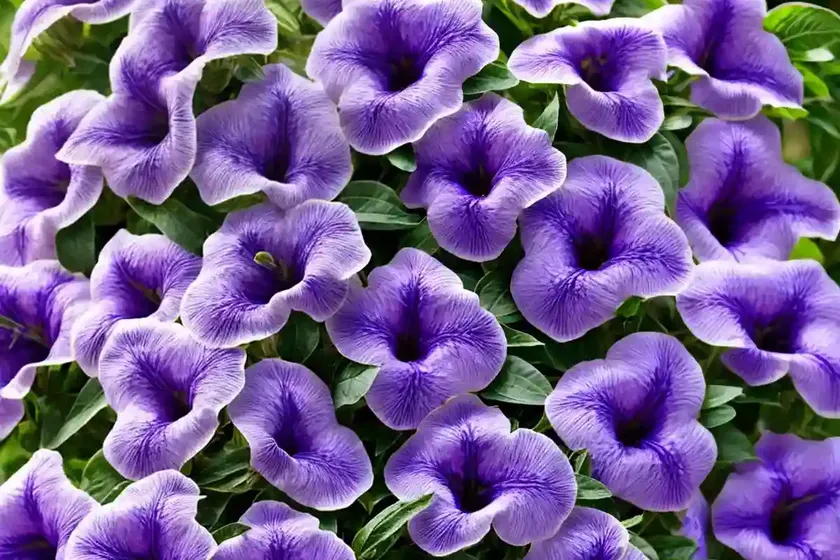
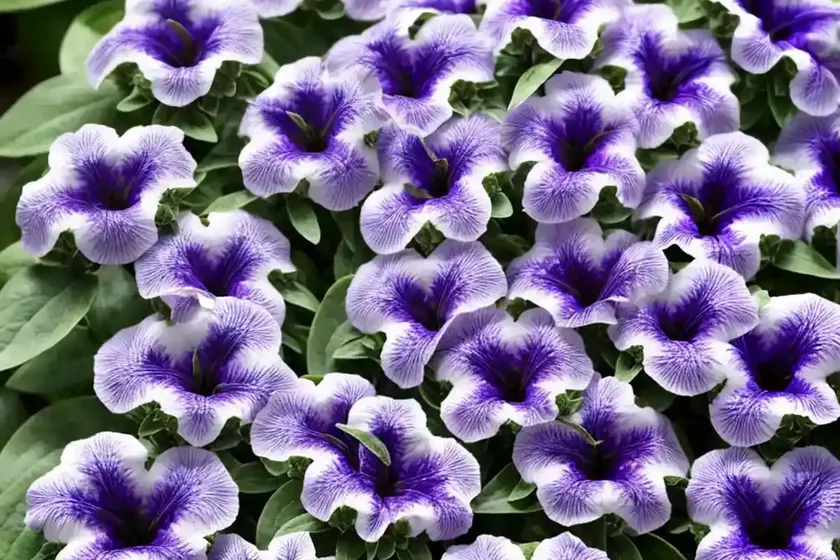
Ruellia brittoniana, commonly known as Mexican Petunia, is an attractive and resilient flowering plant that has captivated the interest of plant enthusiasts and horticulturists alike. With its vibrant blossoms and versatile landscaping potential, this perennial plant has gained popularity in gardens, landscapes, and even container gardens. In this comprehensive guide, we will delve into the various aspects of caring for Ruellia brittoniana, including its cultural requirements, uses, propagation methods, and management of common diseases and pests. By the end of this article, you will have a deeper understanding of this captivating plant and be equipped with the knowledge to grow and maintain it successfully in your own garden.
Key Takeaways – Ruellia brittoniana (Mexican Petunia)
Before we delve into the specifics of cultivating Ruellia brittoniana, let’s explore some key takeaways that will guide us through this comprehensive guide.
- Ruellia brittoniana, also known as Mexican Petunia, is a perennial flowering plant renowned for its decorative flowers and versatile landscaping uses.
- Culturally, Mexican Petunia thrives in warm climates and is prized for its ability to attract pollinators such as butterflies.
- It is a low-maintenance plant that can adapt to various soil types and is relatively drought-tolerant once established.
- While it is acclaimed for its ornamental value, Mexican Petunia also holds medicinal uses and is utilized in traditional herbal remedies.
Now that we have an overview of the key aspects of Ruellia brittoniana, let’s dive deeper into its cultural requirements and how to promote its optimal growth and vitality.
What is Ruellia brittoniana (Mexican Petunia)?
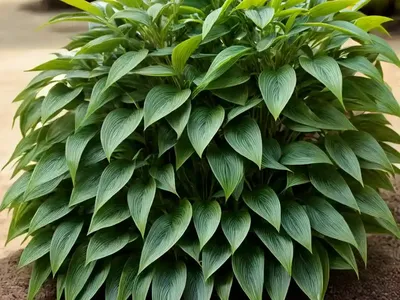
Ruellia brittoniana, commonly known as Mexican Petunia, is a flowering plant native to Mexico. It belongs to the Acanthaceae family and is characterized by its graceful, trumpet-shaped blooms and lush green foliage. Mexican Petunia is admired for its resilience and ability to thrive in various growing conditions, making it a popular choice for landscapes, gardens, and even as a potted plant. The plant typically reaches a height of 1 to 3 feet, creating a visually appealing display of flowers that can adorn garden borders, pathways, and mixed plantings.
Mexican Ruellia brittoniana
Mexican Ruellia brittoniana, a variant of the species, exhibits similar characteristics to the standard Ruellia brittoniana, with the added advantage of being more adaptable to arid conditions. This makes it an ideal choice for gardens and landscapes in regions with limited water availability.
Mexican Petunia Plant
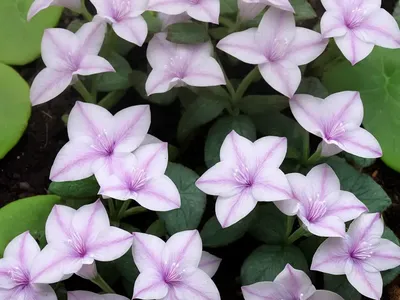
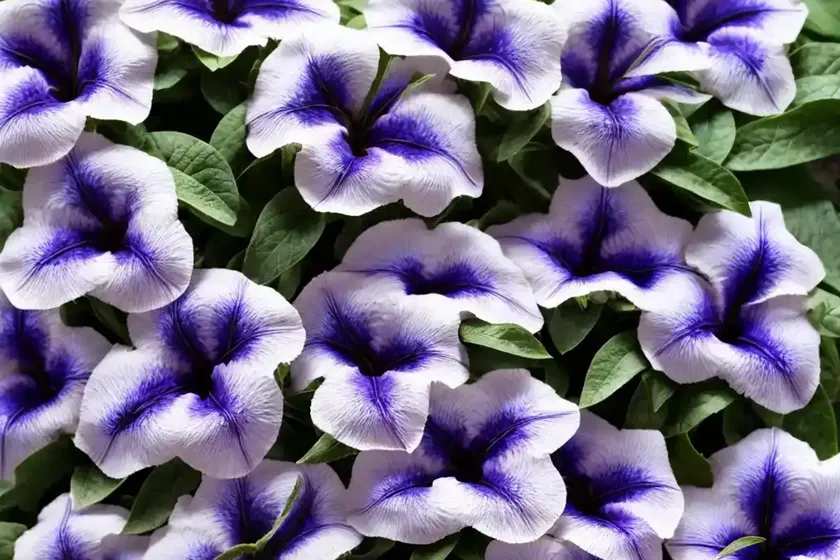
The Mexican Petunia plant showcases an array of colors, with flowers in shades of purple, pink, and white. Its ability to bloom prolifically during the growing season adds a vibrant touch to outdoor spaces, attracting the attention of humans and beneficial insects alike. Beyond its visual appeal, Mexican Petunia is also appreciated for its potential to play a role in ecological sustainability by serving as a habitat and food source for pollinators like butterflies and bees.
Culture
To ensure the successful cultivation of Ruellia brittoniana, it is essential to understand and cater to its cultural requirements.
Uses
Mexican Petunia is valued for a multitude of purposes, ranging from its ornamental value to its medicinal uses. Some key uses of Ruellia brittoniana include:
- Ornamental Purposes: Mexican Petunia serves as an excellent ornamental plant, enhancing the visual appeal of gardens, landscapes, and container gardens.
- Medicinal Applications: Traditional herbal medicine incorporates Mexican Petunia for its purported medicinal properties, including its use in the treatment of various ailments.
Water
Mexican Petunia thrives in moist, well-draining soil. While it is adaptable to periods of drought, it performs best when provided with regular watering, particularly during dry spells or in containers. The ideal approach to watering Mexican Petunia involves allowing the soil to partially dry between waterings to prevent waterlogged conditions, which can lead to root rot.
Sunlight
When it comes to sunlight, Mexican Petunia flourishes in full sun to partial shade. Providing ample sunlight is crucial for promoting vigorous growth and profuse flowering. In regions with intense heat, providing some afternoon shade can help safeguard the plant from heat stress and sunburn.
Fertilizer
To support healthy growth and abundant flowering, Mexican Petunia benefits from regular fertilization during the growing season. Incorporating a balanced, all-purpose fertilizer into the soil or using a liquid fertilizer at half-strength every four to six weeks can provide the essential nutrients for robust growth and blooming.
Soil
The adaptable nature of Mexican Petunia allows it to thrive in various soil types, as long as they are well-draining. Rich, loamy soils with organic matter are particularly favorable for this plant, as they provide the necessary moisture retention while preventing waterlogging. Additionally, maintaining a slightly acidic to neutral soil pH (between 6.0 and 7.0) can contribute to its overall health and vitality.
Pruning
Pruning Mexican Petunia serves multiple purposes, including maintaining a tidy appearance, encouraging new growth, and improving flowering. Regular deadheading, which involves removing spent flowers, can promote continuous blooming and prevent the plant from expending energy on seed production. Furthermore, pruning back leggy or overgrown stems in early spring can help rejuvenate the plant and promote a more compact growth habit.
Propagation
Mexican Petunia can be propagated through various methods, including division, stem cuttings, and seed propagation. Each method offers its unique advantages and can be employed based on the resources and time available to the gardener.
Container Popularity
The compact growth habit and vibrant flowers of Mexican Petunia make it a favored choice for container gardening. Its versatility and adaptability to container growth enable it to thrive on patios, balconies, and other confined spaces, adding a touch of color and elegance to outdoor living areas. Incorporating Mexican Petunia in containers also presents opportunities for creative arrangements and companion planting with other compatible species.
Container Common Diseases
While container gardening offers numerous benefits, it is essential to be mindful of potential diseases that can affect plants, including Mexican Petunia. Some common diseases that may impact Mexican Petunia in container settings include:
- Root Rot: Overwatering or poor drainage in containers can create an environment conducive to the development of root rot, which can lead to wilting, yellowing foliage, and eventual plant decline.
- Powdery Mildew: Humidity and poor air circulation in enclosed container settings can predispose Mexican Petunia to powdery mildew, manifesting as a white, powdery coating on the leaves.
Disease Diagnosis
Prompt and accurate diagnosis of diseases affecting Mexican Petunia in containers is crucial for implementing targeted management strategies. By carefully observing the plant for symptoms such as wilting, discoloration, and unusual growth, gardeners can identify and address potential diseases in their early stages.
Common Pests
In addition to diseases, Mexican Petunia in containers can also face challenges from common pests, including:
- Aphids: These small, sap-sucking insects can infest the tender shoot tips and young foliage of Mexican Petunia, leading to distorted growth and the formation of sticky honeydew.
- Spider Mites: In warm, dry conditions, spider mites can thrive on Mexican Petunia, causing stippling and discoloration of the leaves as they feed on plant sap.
Botanist’s Tips
To further enhance the understanding and care of Ruellia brittoniana, here are some insightful tips from a botanist’s perspective:
- Companion Planting: Pair Mexican Petunia with complementary species such as Salvia, Lantana, or Echinacea to create dynamic and aesthetically pleasing garden compositions.
- Wildlife-Friendly Landscaping: Mexican Petunia’s ability to attract pollinators makes it a valuable addition to wildlife-friendly gardens, supporting the conservation of beneficial insects and promoting ecosystem health.
- Adaptive Species: Capitalize on Mexican Petunia’s adaptability by incorporating it into xeriscape or low-water landscapes, where it can thrive with minimal irrigation and contribute to water-wise gardening practices.
Fun Facts
- Mexican Petunia, despite its name, is not related to the true Petunia genus. Instead, it belongs to the distinct Ruellia genus within the Acanthaceae family.
- In addition to its ornamental value, Mexican Petunia has been utilized in traditional folk medicine for its purported healing properties, highlighting its cultural significance beyond horticulture.
Links to External Resources
For additional information and resources on Ruellia brittoniana and Mexican Petunia, explore the following links:
- University of Florida Gardening Solutions – Mexican Petunia
- Mississippi State University Extension – Ruellia brittoniana
- Texas A&M AgriLife Extension – Mexican Petunia Varieties
In conclusion, Ruellia brittoniana (Mexican Petunia) offers a captivating blend of ornamental beauty, ecological value, and cultural significance. Whether adorning garden beds, containers, or landscapes, this resilient plant continues to captivate gardening enthusiasts with its vibrant blooms and adaptable nature. By understanding and incorporating the cultural insights and management practices shared in this comprehensive guide, you can cultivate and enjoy the splendor of Mexican Petunia in your own horticultural endeavors.
Would you like to continue reading more about Ruellia brittoniana and its captivating attributes? Explore the various uses, propagation methods, and cultivation practices that make this plant a cherished addition to gardens and landscapes around the world.