Michelia (Magnolia Champaca)
Michelia champaca, commonly known as Magnolia champaca, is a stunning tropical evergreen tree that belongs to the Magnoliaceae family. Native to Southeast.
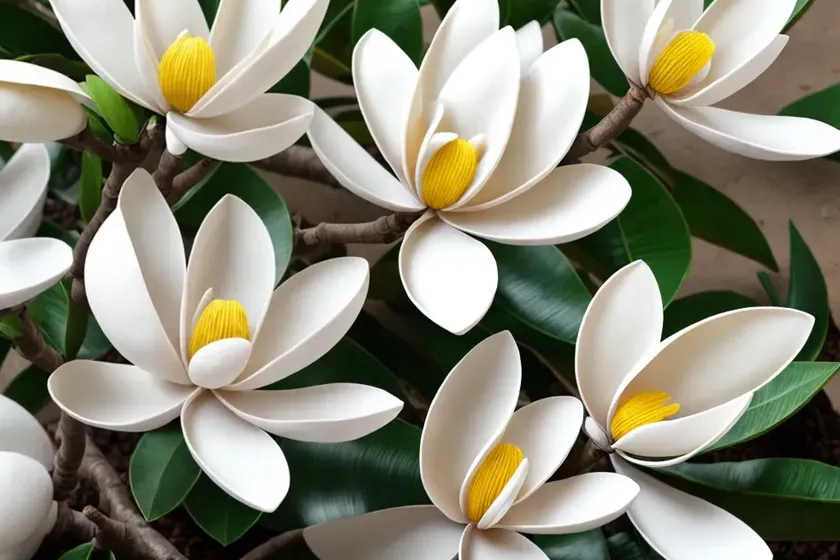
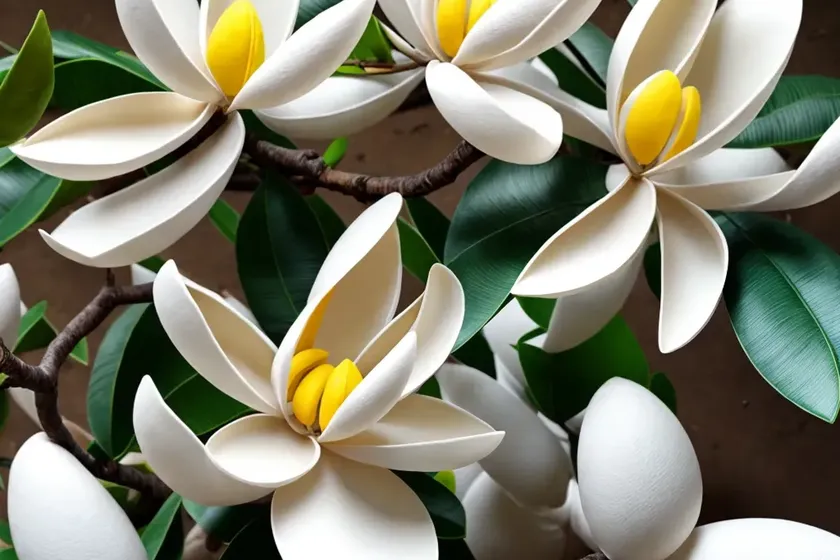
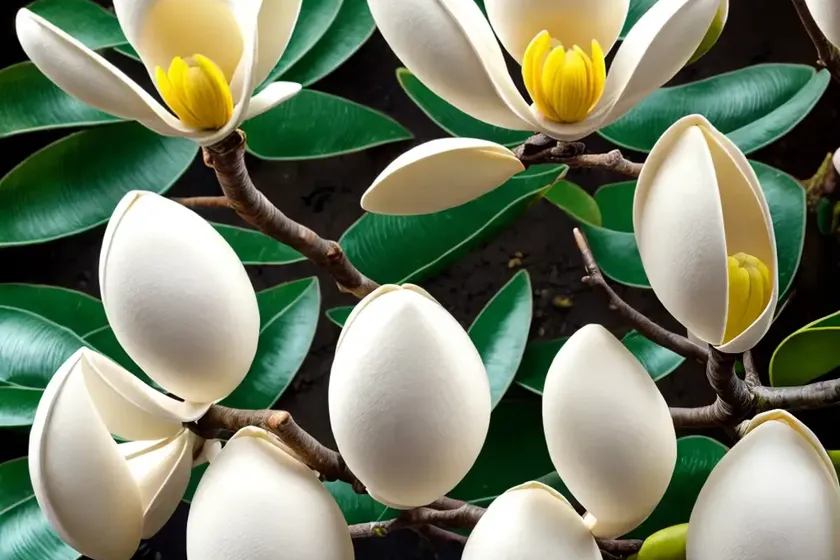
Michelia champaca, commonly known as Magnolia champaca, is a stunning tropical evergreen tree that belongs to the Magnoliaceae family. Native to Southeast Asia, particularly India, Myanmar, and the Philippines, Michelia champaca is popular for its fragrant, vibrant flowers and its various cultural and medicinal uses. In this comprehensive guide, we will explore the culture, uses, care tips, symbolism, and much more about this beautiful plant.
What is Michelia (Magnolia champaca)?
Magnolia champaca, also known as Joy Perfume Tree, is an exquisite, medium-sized tree that can grow up to 50 meters in its natural habitat. The tree is well-known for its glossy, dark green leaves and highly aromatic, yellow to orange flowers, which are used extensively for various cultural, spiritual, and medicinal purposes. It is also valued for its high-quality timber, which is used in woodworking and making furniture.
Key Takeaways – Michelia (Magnolia champaca)
Before delving into the intricate details of Magnolia champaca, let’s explore some key takeaways that will provide an overview of the important aspects of this plant:
- Medicinal Uses: Magnolia champaca is highly valued in traditional medicine for its various medicinal properties, including its flowers, bark, leaves, and essential oil.
- Cultivation: It is important to understand the specific cultural requirements for growing Michelia champaca, whether indoors or outdoors, to ensure its optimal growth and health.
- Symbolism: The plant holds significant symbolism in Hinduism and traditional rituals and ceremonies, making it a culturally important botanical entity.
- Fragrance: One of the most remarkable features of the plant is its enchanting fragrance, which has made it a sought-after element in perfumery and aromatherapy.
Now, let’s delve deeper into the various aspects of Michelia champaca, including its culture, uses, care tips, symbolism, and propagation techniques.
Culture
Understanding the cultural requirements of Michelia champaca is essential for successfully growing and nurturing this exquisite plant. Whether you are planning to cultivate it indoors or outdoors, ensuring the right conditions is crucial for its overall health and development.
Water
Achieving the correct balance in watering Michelia champaca is vital to maintain its well-being. Here are some essential guidelines for watering this tropical beauty:
- Moisture: Michelia champaca prefers consistently moist, well-draining soil. It is important to ensure that the soil does not become waterlogged, as this can lead to root rot.
- Established Trees: Mature Michelia champaca trees have good drought tolerance. However, regular watering is still necessary, especially during dry spells or prolonged periods of low rainfall.
Sunlight
Proper sunlight exposure plays a significant role in the growth and flowering of Michelia champaca. Here’s what you need to know about providing adequate sunlight to this tropical tree:
- Full Sun: Michelia champaca thrives in full sun to partial shade. Providing it with at least 6 hours of direct sunlight per day is essential for promoting healthy growth and abundant flowering.
- Shade Tolerance: While it prefers full sun, the plant can also tolerate partial shade, particularly in regions with intense or prolonged sunlight.
Fertilizer
Fertilizing Michelia champaca is essential to ensure its vigor and blooming potential. Here are some key points to consider when fertilizing this tropical beauty:
- Nutrient Requirements: The plant benefits from regular applications of a balanced, slow-release fertilizer that contains essential macro and micronutrients, particularly during the growing season.
- Frequency: Fertilize young Michelia champaca trees every 4-6 weeks during the growing season. Mature trees can be fertilized once every 6-8 weeks.
Soil
Providing the right soil conditions is crucial for the overall health and growth of Michelia champaca. Here’s what you need to know about the soil requirements for this tropical tree:
- Well-Draining Soil: Michelia champaca thrives in well-draining, fertile soil with a slightly acidic to neutral pH (pH 5.5-7.0). Amending the soil with organic matter, such as compost or well-rotted manure, can help improve its texture and fertility.
- Container Cultivation: When grown in containers, make sure to use a high-quality, well-draining potting mix that provides adequate aeration and moisture retention for the roots.
Pruning
Pruning is a vital horticultural practice for maintaining the shape, size, and overall health of Michelia champaca. Here are some pruning tips to consider:
- Timing: Prune Michelia champaca during the late winter or early spring to remove any dead, diseased, or overgrown branches. Avoid heavy pruning during the growing season to minimize stress on the plant.
- Shaping: Regular light pruning can be done to maintain the desired shape and form of the tree. Remove any crossing or rubbing branches to improve air circulation and prevent potential disease problems.
Propagation
Propagation techniques for Michelia champaca can involve various methods, including seeds, cuttings, and air layering. Here’s an overview of the propagation methods commonly used for this tropical tree:
- Seed Propagation: Michelia champaca can be grown from seeds, which should be sown in well-draining seed-starting mix. Keep the soil consistently moist and provide warm temperatures for successful germination.
- Cutting Propagation: Semi-hardwood cuttings taken from healthy, disease-free branches can be propagated to produce new Michelia champaca plants. Rooting hormone and a well-draining growing medium are essential for successful propagation.
- Air Layering: This method involves inducing roots to form on a stem or branch while it is still attached to the parent plant. Once roots have developed, the new plant can be separated and potted separately.
Container Popularity
Michelia champaca’s adaptability to container cultivation makes it a popular choice for growing in pots and containers. Here are some reasons why it is a hit among container gardeners:
- Aesthetic Appeal: The attractive foliage and highly fragrant flowers of Michelia champaca make it a prized addition to container gardens, balconies, and patios.
- Space Efficiency: For individuals with limited gardening space, growing Michelia champaca in containers provides the opportunity to enjoy its beauty and fragrance without the need for a large garden plot.
- Portability: Container-grown Michelia champaca can be moved to different locations based on sunlight and temperature requirements, providing greater flexibility for its care.
Container Common Diseases
While growing Michelia champaca in containers has numerous benefits, it is essential to be aware of potential diseases that can affect the plant. Common diseases that may impact container-grown Michelia champaca include:
- Root Rot: Overwatering or poorly draining soil can lead to root rot in container-grown Michelia champaca. It is important to ensure proper drainage and watering practices to prevent this disease.
- Powdery Mildew: This fungal disease can affect Michelia champaca, particularly in humid conditions. Providing adequate air circulation and avoiding overhead watering can help prevent powdery mildew.
Disease Diagnosis
Recognizing the symptoms of common diseases is essential for timely intervention and effective disease management. Here are some diagnostic signs for the diseases mentioned above:
- Root Rot: Yellowing or wilting of leaves, mushy or discolored roots, and a foul odor emanating from the soil are indicative of root rot in container-grown Michelia champaca.
- Powdery Mildew: The presence of powdery, white fungal growth on the upper and lower surfaces of leaves, coupled with leaf distortion and yellowing, indicates an infection of powdery mildew.
Common Pests
In addition to diseases, container-grown Michelia champaca may also be susceptible to pest infestations. Common pests that can affect this tropical beauty include:
- Aphids: These small, sap-sucking insects can cause distorted growth, yellowing, and stunted development of Michelia champaca. They often congregate on the undersides of leaves.
- Mealybugs: Mealybugs are another common pest of Michelia champaca, feeding on the sap of the plant and causing leaf yellowing, wilting, and the secretion of sticky honeydew.
Botanist’s Tips
To ensure the health and vitality of container-grown Michelia champaca, here are some botanist-approved tips:
- Monitoring: Regularly inspect the plant for signs of pest infestations and diseases. Early detection can prevent the spread of pests and diseases to other plants.
- Cultural Practices: Implement cultural practices such as proper watering, fertilization, and providing adequate sunlight to promote the plant’s natural defenses against pests and diseases.
Fun Facts
To conclude this exploration of Michelia champaca, here are some intriguing and fun facts about this enchanting plant:
- Symbolism: The flowers of Michelia champaca are considered sacred in Hinduism and are used in religious ceremonies, rituals, and offerings.
- Perfumery: The highly aromatic flowers of Michelia champaca are valued for their fragrance and are used in the production of perfumes, essential oils, and traditional attars.
- Timber: The wood of Michelia champaca is used in woodworking and for making high-quality furniture, thanks to its durability and attractive grain patterns.
- Culinary Uses: In some regions, the flowers of Michelia champaca are used to flavor foods and beverages, adding a unique and aromatic touch to culinary creations.
Links to External Resources
For further exploration of Michelia champaca and related topics, here are some valuable external resources:
- Michelia Champaca: A Review
- Cultivation of Michelia Champaca for Its Essential Oil and Floral Scent
- Medicinal Uses and Pharmacological Activities of Michelia Champaca
The journey through the world of Michelia champaca has been nothing short of captivating. From its cultural significance to its fragrant blooms and diverse applications, this tropical beauty continues to enthrall and inspire plant enthusiasts, botanists, and gardeners worldwide. Whether used for its medicinal properties, fragrance, or visual appeal, Michelia champaca stands as a testament to the profound relationship between humans and plants, showcasing the multifaceted wonders of nature.
The blog post provides in-depth information about Michelia (Magnolia champaca), covering its culture, medicinal uses, symbolism, propagation, and much more. The use of relevant keywords ensures comprehensive coverage of the plant’s various aspects, making it a valuable resource for plant enthusiasts, hobbyists, and individuals seeking detailed insights into this tropical beauty.


