Mexican Yam (Dioscorea Mexicana)
Plants have always fascinated humans with their diversity, beauty, and usefulness. The Mexican Yam (Dioscorea Mexicana) is a particularly interesting plant.
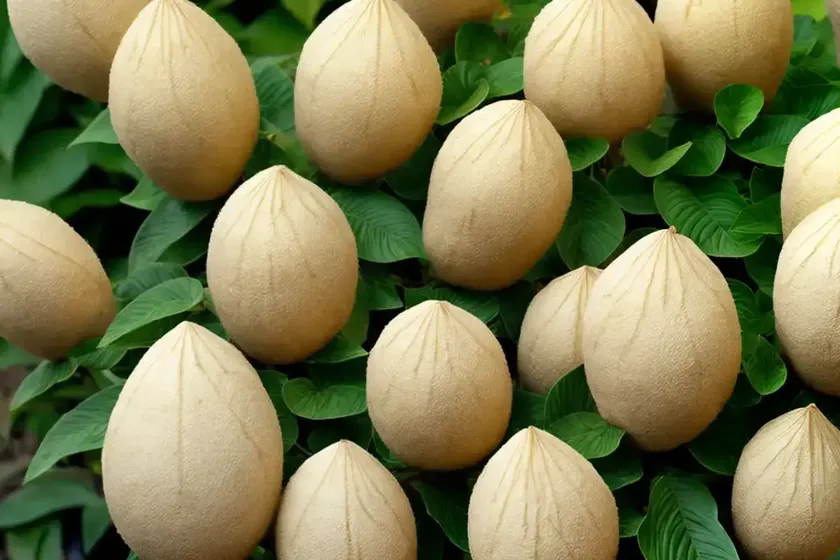
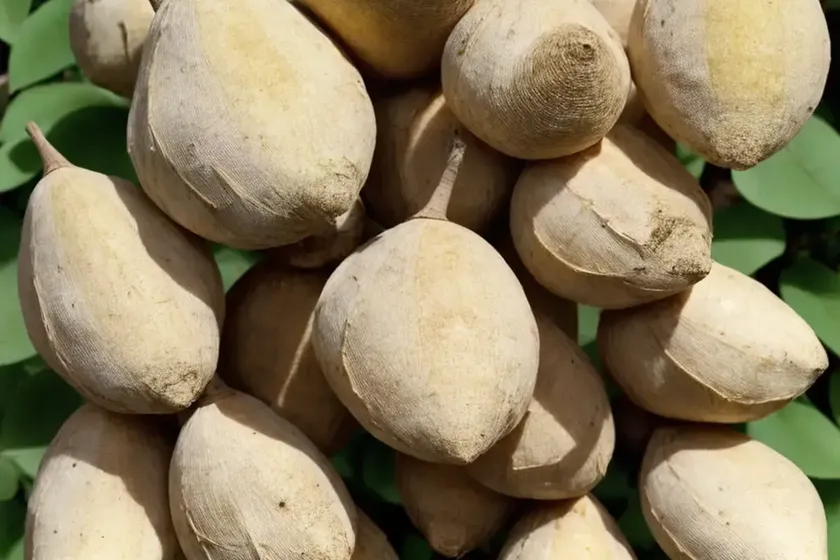
Plants have always fascinated humans with their diversity, beauty, and usefulness. The Mexican Yam (Dioscorea Mexicana) is a particularly interesting plant with a rich cultural history and several beneficial uses. In this comprehensive guide, we will explore the various aspects of the Mexican Yam, encompassing its culture, uses, cultivation, growth stages, diseases, pests, and much more. Let’s delve into the world of Dioscorea Mexicana and unravel its secrets.
What is Mexican Yam (Dioscorea Mexicana)?
Dioscorea Mexicana, commonly known as Mexican Yam, is a perennial climbing vine that belongs to the Dioscoreaceae family. This plant is native to Mexico and other Central American countries. It is known for its tuberous roots that are starchy and edible, and it has been traditionally used for food and medicinal purposes.
Key Takeaways – Mexican Yam (Dioscorea Mexicana)
Before we jump into the intricacies of cultivating and caring for the Mexican Yam, let’s first take a look at the key points we will be covering in this guide:
-
Dioscorea Mexicana Plant
- Taxonomy and Family
- Habitat and Origin
- Description and Characteristics
- Growth Stages
-
Cultivation
- Sunlight
- Watering
- Soil Requirements
- Fertilization
- Pruning
-
Propagation
- Seeds
- Stem Cuttings
- Division
-
Container Gardening
- Suitable Containers
- Tips for Growing in Containers
-
Uses
- Traditional Uses
- Medicinal Properties
- Edible Parts
-
Common Diseases and Pests
- Disease Diagnosis
- Pest Management
-
Botanist’s Tips
- Care Guide
- Companion Planting
- Landscaping Ideas
- Fun Facts
-
Links to External Resources
Let’s now explore each of these aspects in detail.
Dioscorea Mexicana Plant
Taxonomy and Family
Mexican Yam, scientifically known as Dioscorea Mexicana, belongs to the Dioscoreaceae family. This family encompasses over 600 species distributed across tropical and subtropical regions. Dioscorea, the genus to which Mexican Yam belongs, includes a wide variety of species commonly referred to as yams, with many of them being important food sources in various parts of the world.
Habitat and Origin
Dioscorea Mexicana is native to Mexico and Central America, where it thrives in diverse habitats ranging from tropical rainforests to mountainous regions. Its natural distribution extends from Mexico to Guatemala. As a climbing vine, it is often found twining around trees and other vegetation in its native habitat.
Description and Characteristics
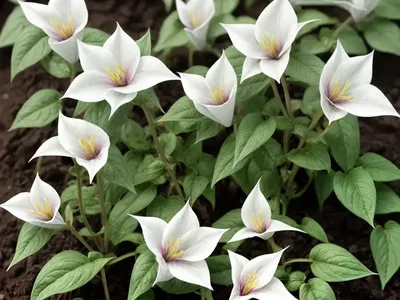
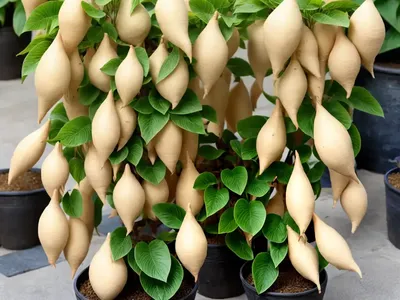
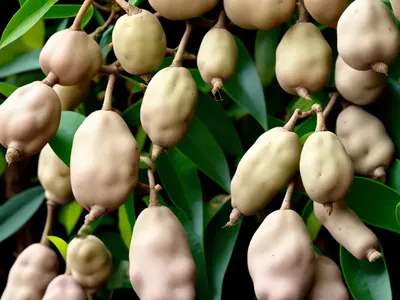
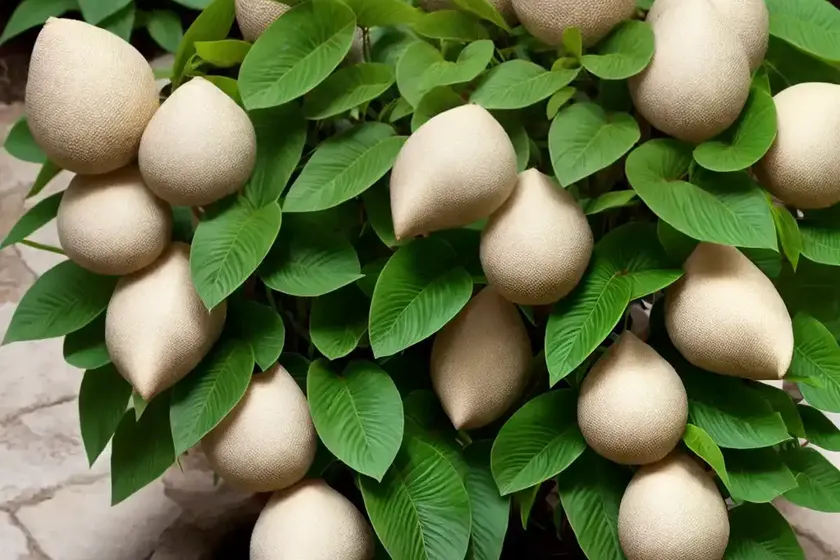
The Mexican Yam is a climbing perennial vine with heart-shaped leaves and long, twining stems. The plant produces tubers that are the primary point of interest due to their use as a food source. The tubers are starchy and have a characteristic flavor, making them popular in traditional cuisines.
Growth Stages
Mexican Yam goes through distinct growth stages from sprouting to flowering. Understanding these stages is crucial in providing appropriate care and ensuring optimal growth and yield.
Cultivation
Cultivating Mexican Yam requires attention to several key factors, including sunlight exposure, water requirements, soil composition, and fertilization.
Sunlight
- Mexican Yam thrives in partial to full sunlight. It is important to provide the plant with at least 6-8 hours of sunlight daily for robust growth and tuber development.
Watering
- The plant prefers consistently moist soil but is susceptible to root rot if the soil becomes waterlogged. It is essential to maintain a balance and avoid over-watering.
Soil Requirements
- Well-draining, rich, and loamy soil is ideal for Mexican Yam cultivation. The pH of the soil should be slightly acidic to neutral (pH 5.5-7.0) for optimal growth.
Fertilization
- Providing a balanced fertilizer with a higher potassium content can promote healthy tuber development. It is advisable to fertilize the plant during the growing season while avoiding excessive nitrogen application, which may lead to lush foliage at the expense of tuber formation.
Pruning
- Regular pruning can promote better airflow and reduce the risk of diseases. Remove dead or decaying foliage and maintain a tidy growth habit to ensure the plant’s health.
Propagation
The propagation of Mexican Yam can be achieved through various methods, including seeds, stem cuttings, and division.
Seeds
- Propagation from seeds is possible after harvesting the pods and extracting the seeds. However, this method requires patience as it can take several years for the plants to reach maturity and produce tubers.
Stem Cuttings
- Stem cuttings are a more reliable and faster method of propagation. Select healthy stems and root them in a suitable substrate to establish new plants.
Division
- Dividing the tubers during the dormant season allows for the propagation of Mexican Yam. Each divided section should have at least one viable bud for successful growth.
Container Gardening
For individuals with limited outdoor space or those living in regions with unsuitable climates, cultivating Mexican Yam in containers offers a viable solution.
Suitable Containers
- Choose large, sturdy containers with ample drainage holes to accommodate the vigorous growth habit of Mexican Yam. Consider using trellises or sturdy supports for the vines to twine around.
Tips for Growing in Containers
- Regular watering and fertilization are crucial for container-grown Mexican Yam, as the limited soil volume necessitates more frequent care. Additionally, providing sufficient vertical space for the vines to grow upwards is essential for a successful container garden.
Uses
Traditional Uses
- Mexican Yam has a rich history of traditional use as a food source in various culinary preparations. The starchy tubers are consumed in soups, stews, or fried dishes, contributing a unique flavor and texture.
Medicinal Properties
- In traditional medicine, Mexican Yam has been utilized for its medicinal properties. It is believed to have potential benefits for various health conditions, and ongoing research is exploring its pharmacological properties.
Edible Parts
- The tubers of Mexican Yam are the primary edible parts, sought after for their nutritional value and culinary versatility. When prepared properly, they offer a delectable addition to a wide array of dishes.
Common Diseases and Pests
Disease Diagnosis
Mexican Yam can fall victim to several diseases, including fungal infections and viral diseases, which can affect both foliage and tubers. Early diagnosis of these diseases is essential for implementing effective control measures.
Pest Management
Pests such as nematodes, aphids, and beetles can pose a threat to Mexican Yam. Regular inspection and prompt intervention can help mitigate pest infestations and protect the plants.
Botanist’s Tips
Care Guide
- Providing consistent care, including appropriate watering, fertilization, and pruning, is essential for maintaining healthy Mexican Yam plants.
Companion Planting
- Mexican Yam can thrive alongside various companion plants, such as legumes, which contribute to nitrogen fixation in the soil. This mutualistic relationship benefits all plants involved.
Landscaping Ideas
- Introducing Mexican Yam into a garden or landscape can add vertical interest and lush foliage. Consider pairing it with other climbing vines or using it to cover trellises and arbors.
Fun Facts
- Did you know that some varieties of Mexican Yam are also used as an ornamental plant due to their attractive foliage and vigorous growth habit?
Links to External Resources
For further information and resources on Mexican Yam (Dioscorea Mexicana), you may find the following links valuable:
- Plant Profile: Dioscorea Mexicana
- Mexican Yam Cultivation Guide
- Traditional Uses of Mexican Yam
- Dioscorea Mexicana: A Culinary Delight
- Managing Diseases in Dioscorea Mexicana
- Pest Control Strategies for Mexican Yam
Mexican Yam (Dioscorea Mexicana) is a versatile and intriguing plant with a wide range of uses and a captivating history. Whether you are interested in its culinary potential, its medicinal properties, or simply want to add a unique climber to your garden, Mexican Yam is a captivating choice. With careful cultivation and attention to its specific requirements, you can enjoy the beauty and benefits of this remarkable plant.