Black-bindweed (Tamus Communis)
Plants play a crucial role in our lives, providing food, oxygen, and contributing to the beauty of our natural environment. In this comprehensive guide, we.
Introduction
Plants play a crucial role in our lives, providing food, oxygen, and contributing to the beauty of our natural environment. In this comprehensive guide, we will delve into the world of Black-bindweed, scientifically known as Tamus Communis. We will explore its characteristics, uses, cultivation, ecological impact, folklore, and much more.
What is Black-bindweed (Tamus Communis)?
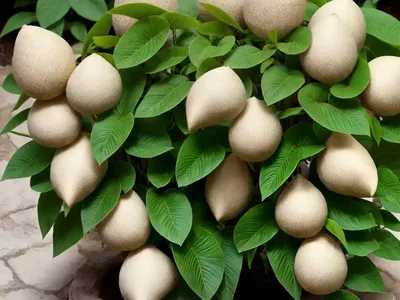
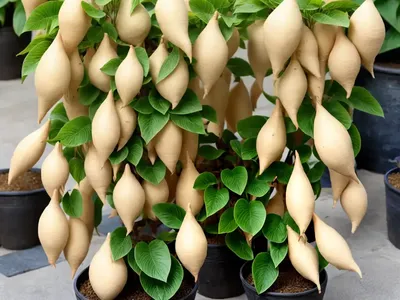
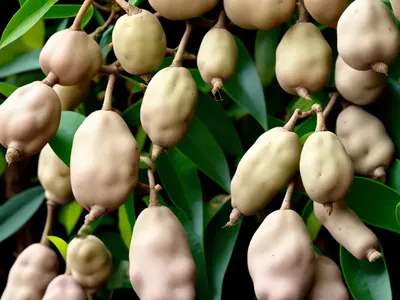
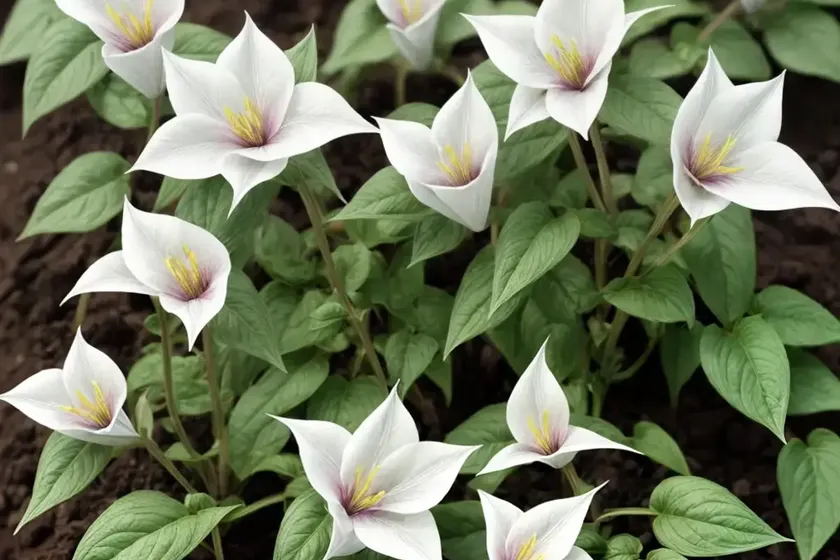
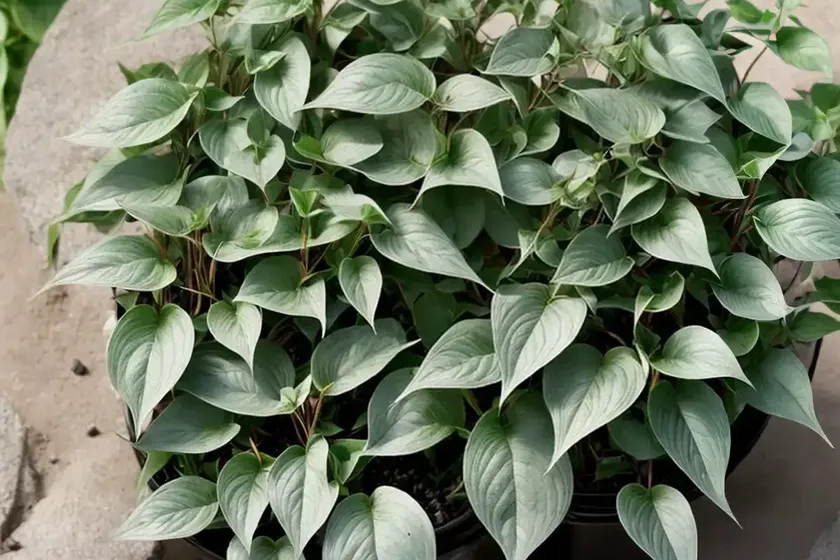
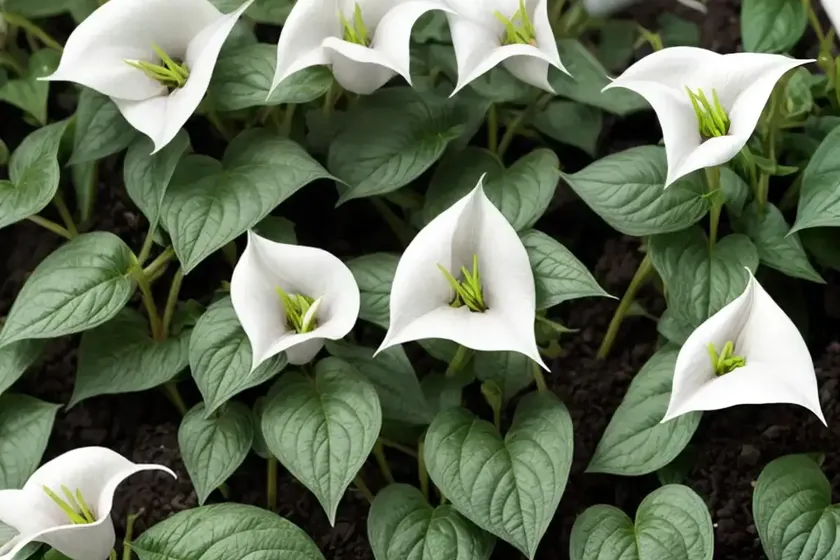
Black-bindweed, or Tamus Communis, is a flowering plant that belongs to the Dioscoreaceae family. It is widely distributed across Europe, western Asia, and the Mediterranean region. The plant is characterized by its twining, slender stems and heart-shaped leaves. Black-bindweed produces inconspicuous flowers and dark, shiny black fruits, giving it its distinctive appearance.
Black-bindweed Identification
- Scientific Name: Tamus Communis
- Family: Dioscoreaceae
- Common Names: Black-bindweed, Common Black Bryony
- Habitat: Woodlands, hedgerows, and disturbed areas
- Characteristics: Twining vine, heart-shaped leaves, black berries
Key Takeaways – Black-bindweed (Tamus Communis)
Before diving deeper into the intricacies of Black-bindweed, let’s summarize some key takeaways about this fascinating plant.
- Characteristics: Twining vine with heart-shaped leaves and dark, shiny black fruits.
- Habitat: Commonly found in woodlands, hedgerows, and disturbed areas.
- Cultural Significance: Historically used for various medicinal and folklore remedies.
- Ecological Impact: Has both beneficial and detrimental effects on ecosystems.
- Cultivation: Can be grown in gardens but requires careful management due to its invasive nature.
Now, let’s explore various aspects of Black-bindweed in detail.
Culture
Understanding the cultural significance of Black-bindweed provides insights into its historical uses and folklore beliefs. The plant has been intertwined with human culture for centuries, with various traditional uses and superstitions associated with it.
Black-bindweed Folklore
- In folklore, Black-bindweed has been associated with beliefs and superstitions. It is often regarded as a plant of protection and used in rituals to ward off evil spirits.
- The plant’s twining nature has also led to the symbolism of binding and unity in certain cultural contexts.
Black-bindweed Cultural Importance
- In some cultures, Black-bindweed was traditionally used in ceremonial practices, symbolizing themes of strength and resilience.
Uses
Black-bindweed has been utilized for a range of purposes, from traditional medicine to culinary practices. Understanding its uses sheds light on the diverse ways in which this plant has been integrated into human societies.
Black-bindweed Culinary Uses
- While not commonly used in modern culinary practices, the shoots and stems of Black-bindweed were historically consumed in certain regions.
- However, it is important to note that parts of the plant can be toxic if ingested in large quantities, and proper precautions should be taken.
Tamus Communis Medicinal Properties
- In traditional medicine, various parts of Black-bindweed were used to treat ailments such as rheumatism, skin conditions, and as a diuretic.
- The plant’s roots were particularly valued for their medicinal properties in certain cultures.
Water
The water requirements of Black-bindweed are crucial to its cultivation and management. Understanding its needs in relation to water can assist in effectively nurturing the plant.
- Watering Needs: Black-bindweed thrives in moist soil but can tolerate periods of dryness. It is important to avoid overwatering, as excessive moisture can lead to root rot.
- Watering Schedule: During periods of active growth, regular watering is necessary. However, in cooler months, the plant can withstand drier conditions.
Sunlight
Sunlight plays a pivotal role in the growth and development of Black-bindweed. Understanding its sunlight requirements is essential for successful cultivation.
- Sunlight Requirements: Black-bindweed prefers partial to full sunlight. It can tolerate some shade but thrives in brighter conditions.
- Optimal Positioning: When cultivating Black-bindweed, ensure that it is placed in a location where it receives adequate sunlight for a significant portion of the day.
Fertilizer
Proper fertilization can enhance the growth and health of Black-bindweed. Understanding its fertilizer needs and application can contribute to the plant’s vigor.
- Fertilizer Type: A balanced, all-purpose fertilizer can be applied to Black-bindweed during the growing season to provide essential nutrients.
- Application Frequency: Fertilize the plant in early spring as new growth begins, and consider a second application in mid-summer if necessary.
Soil
The soil conditions in which Black-bindweed is cultivated greatly influence its growth and overall well-being. Understanding its soil preferences enables gardeners to create optimal growing environments.
Black-bindweed Soil Preferences
- Well-draining Soil: Black-bindweed thrives in well-draining, loamy soil. Avoid waterlogged conditions to prevent root rot.
- Soil pH: The plant tolerates a wide range of soil pH, but slightly acidic to neutral soil is optimal for its growth.
Pruning
Pruning is an important aspect of managing Black-bindweed, particularly due to its twining growth habit. Proper pruning can help maintain the plant’s form and prevent it from becoming overly invasive.
- Pruning Technique: Regularly trim back the twining stems and remove any excessive growth to prevent the plant from overtaking its surroundings.
- Timing: Prune Black-bindweed in late winter or early spring before new growth emerges.
Propagation
Understanding the methods of propagating Black-bindweed allows for the expansion of its presence in garden settings. This section explores propagation techniques for this species.
Black-bindweed Propagation Methods
- Seeds: Black-bindweed can be propagated from seeds, which should be sown in early spring after the last frost.
- Division: Dividing the plant’s root ball can also be an effective method of propagation. This is best done during the plant’s dormant season.
Container Popularity
The adaptability of Black-bindweed to container cultivation has gained popularity among gardening enthusiasts. Growing it in containers allows for better control of its spread and invasiveness.
Benefits of Container Cultivation
- Space Management: Growing Black-bindweed in containers prevents it from spreading uncontrollably in garden beds.
- Aesthetic Appeal: The plant’s twining habit makes it an attractive choice for container gardening, particularly in hanging baskets.
Container Common Diseases
While Black-bindweed is generally resilient, it may be susceptible to certain diseases when grown in containers. Understanding and addressing these diseases is crucial for maintaining the plant’s health.
- Fungal Diseases: Container-grown Black-bindweed may be prone to fungal infections, particularly if the soil is consistently moist. Watch for signs of leaf spots and wilting.
Disease Diagnosis
Identifying and diagnosing diseases that affect Black-bindweed is essential for implementing timely and effective treatment measures. This section explores common diseases and diagnostic methods.
Common Black-bindweed Diseases
- Powdery Mildew: A common fungal disease that presents as a powdery white coating on the plant’s leaves.
- Root Rot: Excessive moisture in container soil can lead to root rot, resulting in wilting and decline.
Common Pests
Despite its resilience, Black-bindweed may face challenges from pests that can affect its growth and vigor. Recognizing and managing these pests is vital for its overall health.
- Aphids: These small, sap-sucking insects can infest Black-bindweed, causing stunted growth and leaf distortion.
- Spider Mites: Infestations of spider mites may lead to webbing on the plant and visible damage to the leaves.
Botanist’s Tips
As a plant scientist, here are some expert tips for cultivating and managing Black-bindweed:
Expert Tips for Black-bindweed Cultivation
- Containment: When growing Black-bindweed, consider using physical barriers or containers to limit its spread, especially in garden settings.
- Monitoring: Regularly inspect the plant for signs of pests and diseases, particularly when growing it in containers.
Fun Facts
Uncover intriguing and little-known facts about Black-bindweed that add to the allure of this unique plant.
Fascinating Black-bindweed Facts
- Ecological Role: Black-bindweed plays a role in providing habitat and food for various wildlife, contributing to ecosystem biodiversity.
- Historical Significance: Throughout history, the plant has been intertwined with cultural beliefs and traditions, showcasing its enduring significance.
Links to External Resources
Expand your knowledge of Black-bindweed by exploring additional resources from trusted sources:
- Royal Horticultural Society – Black-bindweed (Tamus Communis)
- Botanical Society of Britain & Ireland – Tamus communis
In conclusion, Black-bindweed, or Tamus Communis, is a plant of remarkable resilience, historical significance, and ecological importance. By delving into its characteristics, uses, cultivation, and ecological impact, we gain a deeper appreciation for this enigmatic plant and its role in our natural world. Whether it’s in traditional folklore beliefs or its value as a medicinal plant, Black-bindweed continues to captivate and intrigue those who seek to understand its multifaceted nature.